
Black women homebodies are rewriting what it means to rest, recharge, and find belonging, choosing home not as a retreat from the world, but as a declaration of self. For introverted Black women especially, the home environment isn’t passive or small. It’s a carefully tended space where identity, creativity, and peace coexist on their own terms.
There’s something quietly radical about a Black woman saying, “I’d rather be home.” In a culture that has historically demanded Black women’s labor, presence, and performance in every room except their own, choosing the couch, the candle, the book, and the silence is an act of profound self-knowledge.
As someone who spent two decades running advertising agencies and managing teams across high-pressure environments, I came to understand something similar about myself, though my path looked different. The pressure to perform extroversion was relentless. I watched colleagues light up in crowded conference rooms while I was quietly counting the minutes until I could get back to my desk and actually think. What I’ve come to appreciate, both through my own experience and through the stories I hear from readers, is that choosing home isn’t giving up on the world. It’s choosing the conditions under which you can actually show up fully in it.
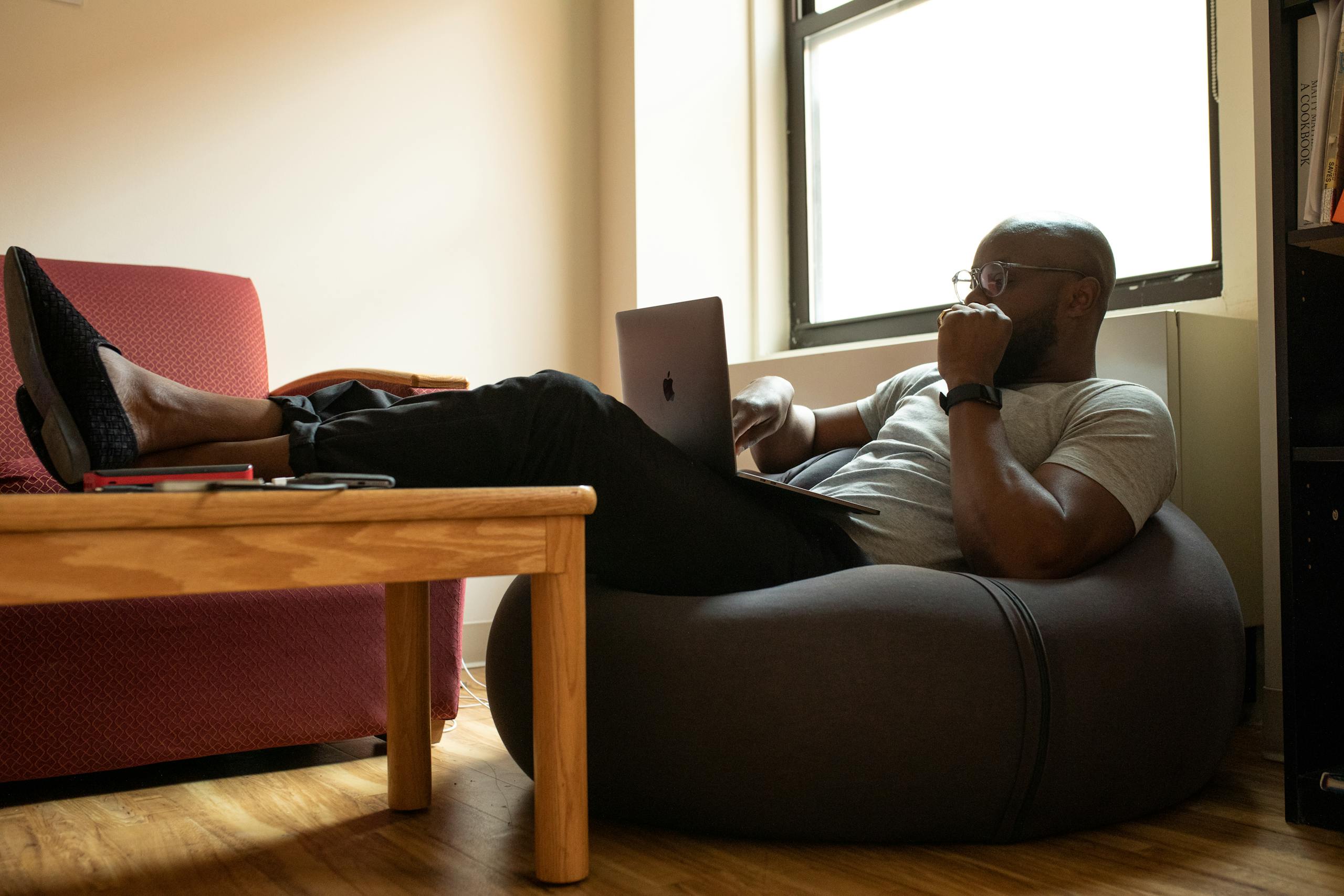
If you’re exploring what a rich, intentional home life looks like for introverts, our Introvert Home Environment hub covers the full landscape, from designing sensory-friendly spaces to building routines that genuinely restore you. This article adds a specific and important layer to that conversation.
Why Do So Many Black Women Identify as Homebodies?
Being a homebody isn’t a personality flaw or a symptom of social anxiety. For many Black women, it reflects a deep attunement to their own needs, a clarity about where they feel most whole. And that clarity, I’d argue, is a form of intelligence that our culture consistently undervalues.
What’s your personality type?
Take our free 40-question assessment and get a detailed personality profile with dimension breakdowns, context analysis, and personalised insights.
Discover Your Type8-12 minutes · 40 questions · Free
Consider what home actually offers that the outside world often doesn’t: freedom from performance, freedom from code-switching, freedom from the particular exhaustion of being perceived. For introverted Black women, who may carry the dual weight of introversion and the social labor of handling spaces that weren’t designed with them in mind, home becomes something more than comfort. It becomes restoration.
I managed a creative director at one of my agencies, a Black woman named Vanessa, who was extraordinarily gifted but visibly drained after every client presentation. She wasn’t shy. She wasn’t unconfident. She was deeply introverted, and she was spending enormous energy in rooms where she had to be “on” in multiple directions at once. When I gave her the option to work from home two days a week, her output didn’t just improve. It transformed. She told me once that home was the only place where she could hear herself think without having to translate the thought first.
That phrase stayed with me. “Translate the thought first.” There’s something in that observation that speaks to a specific kind of cognitive and emotional labor that introverted Black women handle constantly. Home removes the translation layer. And for people wired for depth and internal reflection, that removal isn’t a luxury. It’s a necessity.
What Does the Homebody Identity Mean for Black Women Specifically?
The homebody identity carries cultural weight that differs across communities. For some, being a homebody has been unfairly framed as laziness or social failure. For Black women in particular, there’s an additional layer: the cultural expectation of the “strong Black woman” who is perpetually available, perpetually giving, perpetually present for others.
Choosing home, choosing rest, choosing your own company, can feel like a subversive act against that expectation. And in many ways, it is. The homebody identity for Black women isn’t about withdrawal. It’s about reclamation.
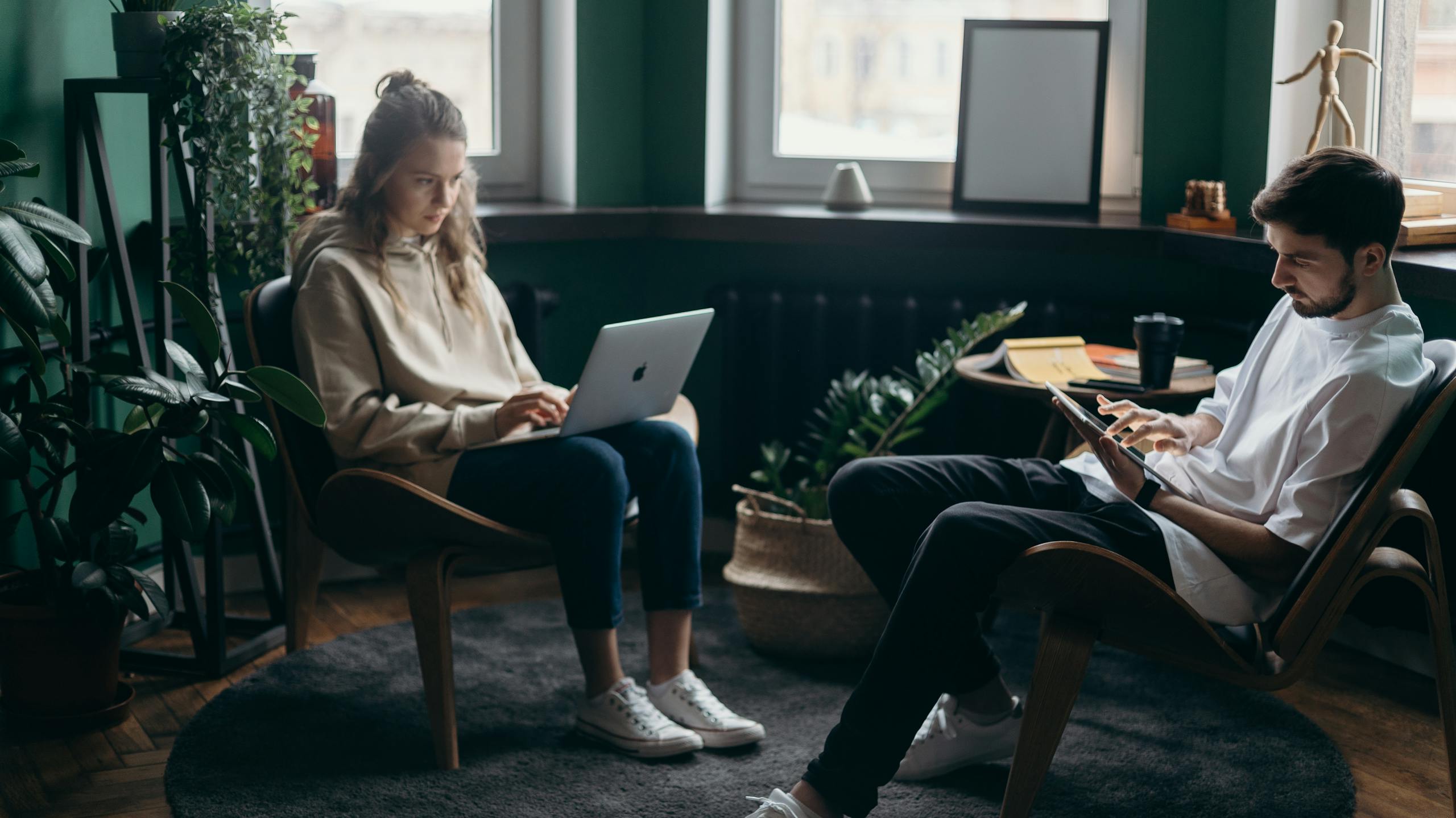
There’s a growing community of Black women who are openly and proudly claiming this identity, sharing their home rituals, their cozy aesthetics, their reading habits, their quiet Friday nights. Social media has given this community a visible language, but the feeling itself is ancient. Black women have always found ways to create sanctuary, even when the outside world made that difficult.
What’s shifting now is the permission to name it without apology. To say: I am a homebody, and that is a complete and valid way to live.
Thinking about what makes a home feel genuinely restorative led me to explore ideas around HSP minimalism and simplifying for sensitive souls. Many introverted Black women I’ve heard from describe a similar sensitivity to their environment, not in a fragile way, but in the sense that their surroundings directly affect their internal state. The textures, the lighting, the clutter or absence of it, all of it registers deeply.
How Does Introversion Shape the Black Woman Homebody Experience?
Not every Black woman homebody is an introvert, and not every introvert is a homebody. Yet there’s a meaningful overlap, and understanding the introversion piece helps explain why home feels so essential rather than merely convenient.
Introversion, at its core, is about energy. Introverts recharge through solitude and lose energy through extended social interaction. That’s not a character flaw. It’s a neurological reality. As Psychology Today notes in its coverage of introvert psychology, introverts often crave depth over breadth, in conversation, in relationship, and in experience. Home provides the conditions for that depth.
For introverted Black women, the home becomes a space where they can finally stop filtering. Stop managing how they’re being perceived. Stop being “on.” They can sit with a thought until it fully forms. They can feel an emotion without needing to explain it. They can exist without performing existence.
I recognize this dynamic from my own experience. Running an agency meant being in constant social contact, managing client relationships, pitching creative concepts, mediating team conflicts. By the time I got home, I wasn’t tired in the way that a long run makes you tired. I was depleted at a level that sleep alone couldn’t fix. What fixed it was quiet. Uninterrupted, undemanding quiet. My home was the only place where I could process everything I’d taken in during the day and make sense of it.
For introverted Black women carrying that same processing need, plus the additional weight of handling workplaces and social spaces that may not fully see them, the home environment isn’t just preferred. It’s protective.
What Does a Black Woman Homebody’s Space Actually Look Like?
Ask a hundred Black women homebodies what their ideal space looks like, and you’ll get a hundred different answers. That’s the point. The homebody aesthetic isn’t a single Pinterest board. It’s a deeply personal expression of what makes a particular person feel safe, comfortable, and alive.
That said, certain themes emerge consistently. Warmth. Texture. Books. Plants. Candles. Soft lighting. Spaces that feel lived-in rather than staged. The homebody couch is practically a cultural institution at this point, that one piece of furniture that becomes the anchor of the entire home ritual, where you read, watch, think, nap, and simply exist.
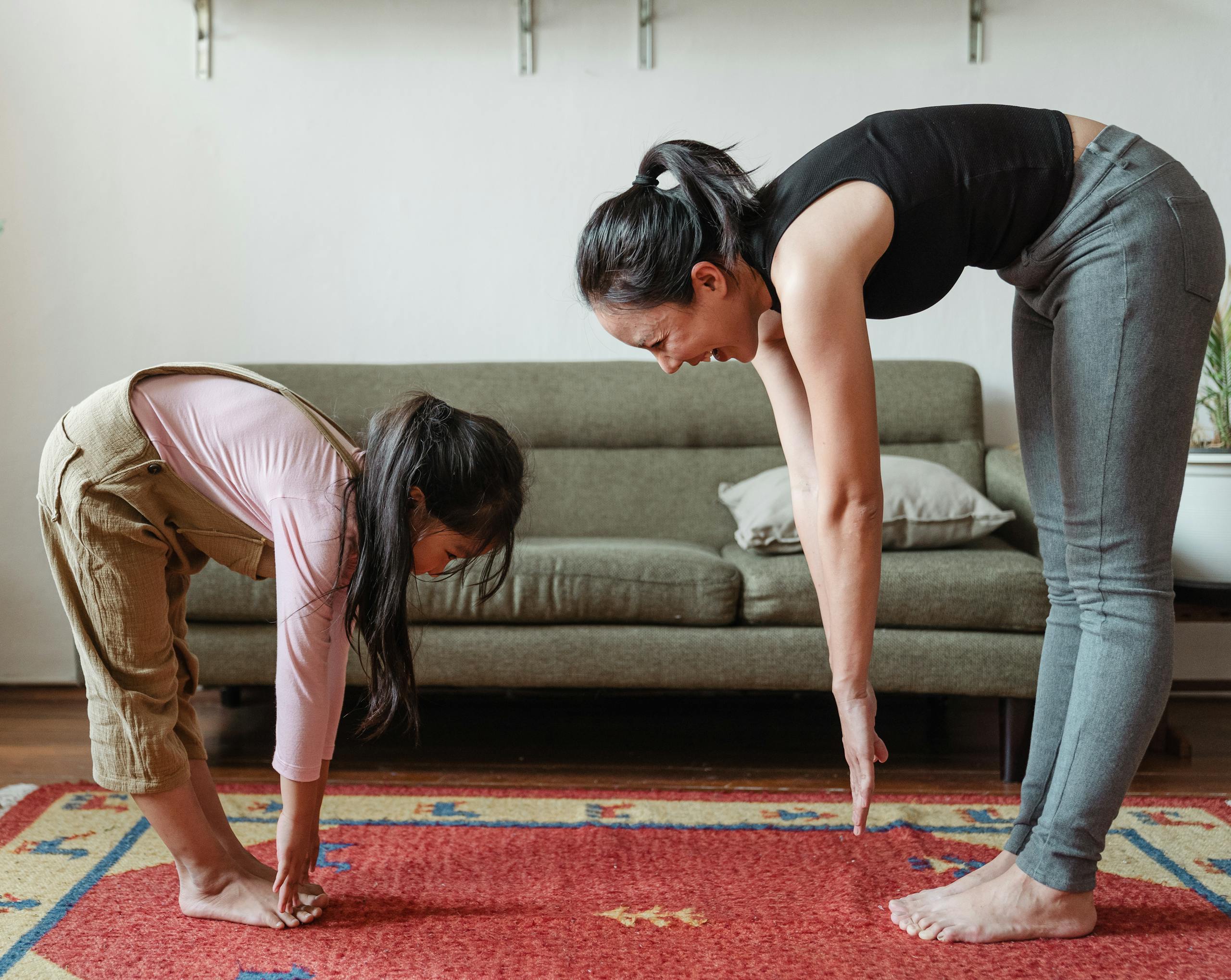
Beyond aesthetics, though, what Black women homebodies tend to describe is a space that reflects their full identity. Art that resonates. Books that speak to their experience. Objects that hold meaning. The space becomes a form of autobiography, a visual and sensory record of who they are when no one else is watching.
There’s something worth noting here about the relationship between environment and cognition. Emerging work in environmental psychology, including research published in Frontiers in Psychology, points to how our physical surroundings influence mood, focus, and emotional regulation. For introverts especially, a well-designed home environment isn’t just pleasant. It actively supports the kind of internal processing that introverts rely on most.
When I finally stopped treating my home office as a place to continue working and started treating it as a place to think, everything about my creative output changed. The distinction matters. A space that invites reflection produces different results than a space that just relocates the office pressure.
How Do Black Women Homebodies Build Community Without Losing Solitude?
One of the most persistent misconceptions about homebodies, and introverts broadly, is that they don’t want connection. They do. Deeply. What they don’t want is connection that costs more than it gives.
For introverted Black women, building community often means finding formats that honor their need for depth and their preference for low-stimulation environments. That might mean small gatherings rather than large parties. Text-based conversations rather than phone calls. Online communities where they can engage thoughtfully and step away without social consequence.
Many Black women homebodies have found genuine, meaningful community through chat rooms and online spaces designed for introverts, where the written format naturally slows down interaction and invites the kind of considered exchange that introverts tend to prefer. There’s no pressure to respond instantly, no ambient noise to manage, no social performance required. Just words and ideas, shared at a pace that works.
I’ve had some of the most substantive professional conversations of my career in written form, over email, in Slack threads, in document comments. The medium rewards careful thought. For introverts who process slowly and speak precisely, that’s not a limitation. It’s an advantage.
The question of how introverts connect is one that gets at something deeper about what community actually means. Connection doesn’t require proximity or noise. Some of the most profound bonds I’ve witnessed, both in my agency years and in the Ordinary Introvert community, formed quietly, between people who found each other through shared depth rather than shared space.
What Role Does Rest Play in the Black Woman Homebody Lifestyle?
Rest is not the same as laziness. That distinction seems obvious when stated plainly, yet it’s one that many Black women have had to fight to internalize, against cultural messaging that equates stillness with failure and busyness with worth.
The homebody lifestyle, at its best, is a practice of intentional rest. Not collapse. Not avoidance. Rest as a deliberate choice, a recognition that the body and mind need recovery in order to function at their best. For introverts, this is especially true because the kind of rest that actually restores them is specific: solitude, quiet, low stimulation, freedom from social demand.
There’s meaningful work being done in the wellness space around rest as resistance, particularly for Black women. Writers and thinkers in this area have argued that for communities historically denied rest and leisure, choosing to rest is itself a political act. I find that framing compelling, though I’d add that for introverted Black women, rest isn’t only political. It’s physiological. It’s what makes everything else possible.
The relationship between stress, rest, and physical health is well-documented. Work published in PMC research on stress and health outcomes underscores how chronic stress affects the body in measurable ways. For introverts who are regularly overstimulated by social and environmental demands, building genuine rest into daily life isn’t indulgent. It’s maintenance.

In my agency years, I ran on adrenaline and caffeine for longer than I should have. The culture rewarded visible busyness. Arriving early, staying late, being reachable at all hours. What it didn’t reward, and what I had to learn to value on my own, was the kind of deep rest that actually produced my best thinking. The long Sunday mornings with no agenda. The evenings where I deliberately didn’t check email. Those weren’t lazy days. They were the days that made the rest of the week possible.
How Do Books, Rituals, and Gifts Fit Into the Homebody Life?
The material culture of the homebody life matters more than it might seem at first glance. The books on the shelf, the rituals around morning coffee or evening tea, the objects chosen with care, all of these are part of how homebodies create meaning within their domestic space.
Books hold a particular place in this world. For introverted Black women who are homebodies, reading is rarely just entertainment. It’s a form of deep engagement with ideas, characters, and perspectives that can be explored entirely on their own terms, at their own pace, without social mediation. A homebody book isn’t just something to pass the time. It’s a companion, a conversation, a portal.
Rituals matter too. The specific sequence of making tea, the particular playlist for a rainy afternoon, the Sunday routine that signals the week’s beginning. These aren’t trivial habits. They’re the architecture of a life designed around what actually works for you. Rituals create predictability, and predictability creates safety. For introverts who are easily overwhelmed by external unpredictability, a home full of reliable rituals is genuinely stabilizing.
When it comes to celebrating the homebodies in your life, the right gift speaks directly to this world. Thoughtfully chosen gifts for homebodies don’t push them to get out more. They honor the life they’ve chosen. A beautiful candle. A weighted blanket. A book by an author they love. These gifts say: I see how you live, and I think it’s worth celebrating. For a more comprehensive look at what resonates, the homebody gift guide covers a thoughtful range of options that genuinely align with the homebody aesthetic and values.
There’s something I find moving about the act of gifting well. It requires paying attention. Noticing what someone actually values rather than projecting what you think they should want. For introverted Black women whose preferences are sometimes overlooked or misunderstood, a gift that truly fits is a form of being seen.
What Does Thriving Look Like for a Black Woman Homebody?
Thriving, for a Black woman homebody, doesn’t look like the version of success that gets celebrated in most mainstream conversations. It’s not a packed social calendar or a constant stream of experiences to document. It’s something quieter and, I’d argue, more sustainable.
Thriving looks like waking up without dread. Having a home that genuinely restores you. Maintaining relationships that are deep rather than numerous. Doing work that engages your mind without depleting your soul. Having enough solitude to hear your own thoughts clearly.
Additional research from PMC on psychological well-being points to the role of autonomy, environmental mastery, and positive relationships in genuine flourishing. What’s striking is how well these factors align with what the homebody lifestyle, at its best, actually provides. Autonomy over your space and time. Mastery of an environment you’ve designed for yourself. Relationships chosen for quality rather than quantity.
My own version of thriving looked nothing like what I thought it would when I was building my career. I thought it would feel like being at the center of things, running the meeting, closing the deal, being indispensable. What it actually felt like, once I stopped fighting my own nature, was having enough quiet to think clearly, enough space to do my best work, and enough honesty with myself to stop performing a version of success that was never mine to begin with.
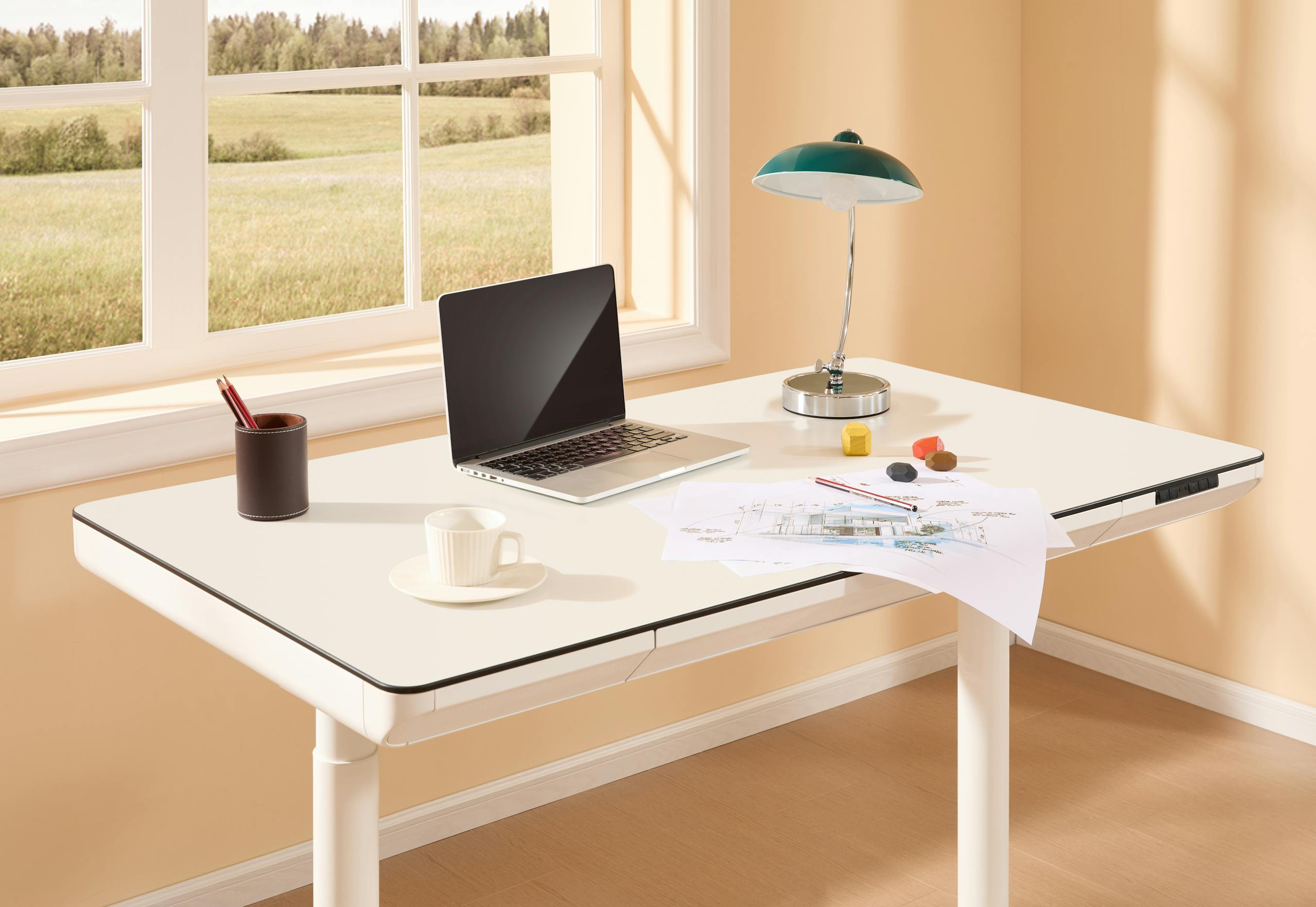
For Black women homebodies, thriving often means something similar: the freedom to live according to their actual values rather than external expectations. And when that freedom is claimed fully, what emerges is a life of remarkable richness, just not the loud, visible kind that gets applauded at parties.
How Do You Honor Being a Black Woman Homebody in a World That Keeps Pushing You Out the Door?
The pressure to be more social, more visible, more “out there” is real. It comes from well-meaning friends, from family, from a culture that conflates activity with aliveness. For Black women homebodies, there’s often an added dimension: the expectation that they should be present and available in community spaces, in activist spaces, in social spaces, in ways that can feel like a demand rather than an invitation.
Honoring your homebody nature in this environment requires a kind of gentle, consistent self-advocacy. Not defensiveness. Not lengthy explanations. Just a clear, quiet knowledge of what you need and a willingness to act on it.
That clarity doesn’t come automatically. For many people, it takes years of trial and error, of saying yes when you meant no, of attending things that drained you, of apologizing for preferences that didn’t need apologies. The path to owning your homebody identity is often gradual, and that’s fine. What matters is the direction of travel.
I spent the better part of a decade in my agency career saying yes to every client dinner, every industry event, every after-hours obligation, because I believed that was what leadership required. The turning point wasn’t dramatic. It was a quiet recognition, somewhere around year fifteen, that the leaders I actually admired weren’t the loudest ones in the room. They were the ones who knew exactly who they were and built their lives accordingly. That recognition gave me permission to start doing the same.
For Black women homebodies, that permission is worth claiming early. You don’t have to earn the right to choose home. You don’t have to justify it. You don’t have to wait until you’ve proven yourself sufficiently extroverted to finally take a night in. The life you want to live is available right now, in the space you’ve already created for yourself.
There’s a full world of resources for introverts who are building home lives that genuinely fit them. Our Introvert Home Environment hub is a good place to keep exploring everything from sensory design to homebody rituals to the deeper psychology of why home matters so much to people wired the way we are.
About the Author
Keith Lacy is an introvert who’s learned to embrace his true self later in life. After 20 years in advertising and marketing leadership, including running agencies and managing Fortune 500 accounts, Keith now channels his experience into helping fellow introverts understand their strengths and build fulfilling careers. As an INTJ, he brings analytical depth and authentic perspective to every article, drawing from both professional expertise and personal growth.
Frequently Asked Questions
Are Black women homebodies more likely to be introverts?
Not exclusively, though there’s meaningful overlap. Many Black women who identify as homebodies describe introvert-like traits: a preference for solitude to recharge, deeper one-on-one connections over large gatherings, and a strong sensitivity to their home environment. Yet some extroverted Black women also identify as homebodies, finding that home offers a specific kind of freedom from social performance that they can’t find elsewhere. The homebody identity is about choosing home as a primary source of restoration and meaning, regardless of where you fall on the introvert-extrovert spectrum.
Is being a homebody healthy for Black women?
For most people, yes. A homebody lifestyle that includes genuine rest, meaningful connection (even if small-scale), and a home environment designed for well-being supports both mental and physical health. The concern arises only when “homebody” becomes a cover for isolation driven by anxiety or depression, rather than a genuine preference for home-centered living. Black women who are homebodies by choice, who maintain relationships they value and engage with the world on their own terms, are not at a health disadvantage. In many cases, the intentional rest and low-stimulation environment that the homebody lifestyle provides actively supports their well-being.
How can Black women homebodies handle pressure from family and friends to socialize more?
The most effective approach tends to be calm, consistent honesty rather than lengthy justification. Explaining that you recharge through solitude and that your home life is genuinely fulfilling, without apologizing for it, tends to land better than either defensiveness or over-explanation. It also helps to offer alternatives that work for you: a small dinner instead of a party, a walk instead of a crowded event. Over time, the people who matter tend to adjust their expectations. Those who don’t may need a more direct conversation about respecting your preferences.
What are the best ways for Black women homebodies to build community?
Community doesn’t require large social gatherings or constant availability. Many Black women homebodies build their most meaningful connections through book clubs (in-person or online), small group friendships, text-based communities, and interest-based online spaces. The format matters less than the quality of connection. Written communication, in particular, tends to suit introverted homebodies well because it allows for thoughtful responses and doesn’t demand real-time social performance. Building a small circle of people who genuinely understand and respect your homebody nature is far more sustaining than maintaining a wide social network that consistently drains you.
How do Black women homebodies create a home environment that truly supports them?
The most important principle is intentionality. A supportive home environment for a Black woman homebody reflects her actual identity: her aesthetic preferences, her cultural touchstones, her sensory needs, and her daily rituals. Practically, this means investing in the areas of the home where you spend the most time and making them genuinely comfortable rather than just functional. It means reducing clutter and visual noise if that affects your mental state. It means filling your space with books, art, plants, and objects that carry personal meaning. And it means protecting your home as a space where you don’t have to perform, where you can simply be exactly who you are.