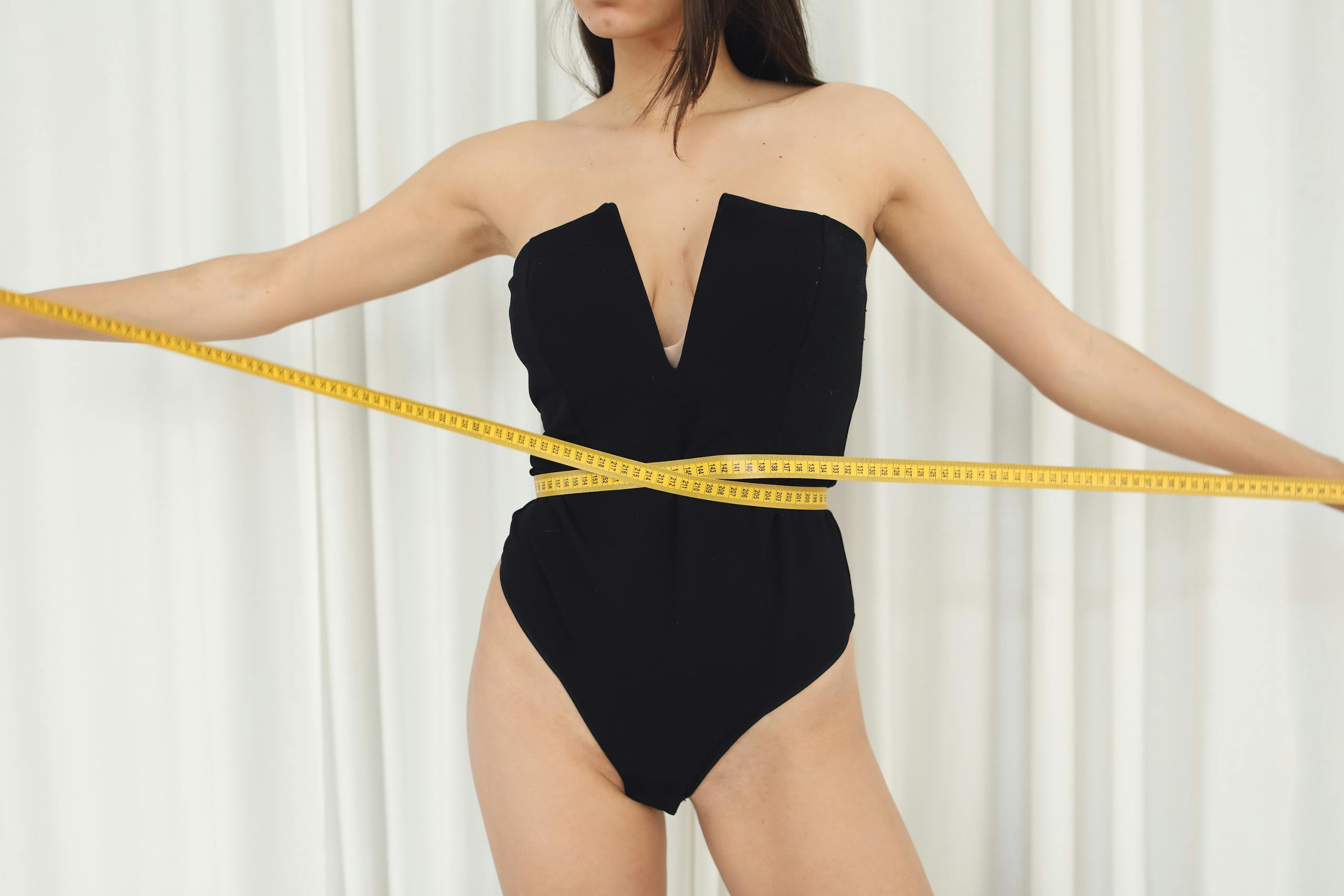

Body shyness in overweight individuals describes a particular kind of self-consciousness, one where a person’s discomfort with their physical appearance creates social withdrawal, avoidance of visibility, and a deep reluctance to occupy space in public life. It is not simply low self-esteem. It is a layered experience that sits at the intersection of body image, social anxiety, and the very real weight of other people’s perceived judgment.
What makes this experience especially complex is how it can mirror, amplify, or get tangled up with personality traits like introversion, without actually being the same thing. Many overweight individuals who pull back from social situations assume their withdrawal is a personality trait. Sometimes it is. Sometimes it is something else entirely, shaped by shame rather than wiring.

There is a broader conversation happening at Ordinary Introvert about where introversion ends and other traits begin. Our Introversion vs Other Traits hub pulls together the full picture of how introversion intersects with personality, social behavior, and the many traits people often confuse with it. Body shyness is one of those intersections worth examining honestly.
What Does Body Shyness Actually Feel Like for Overweight People?
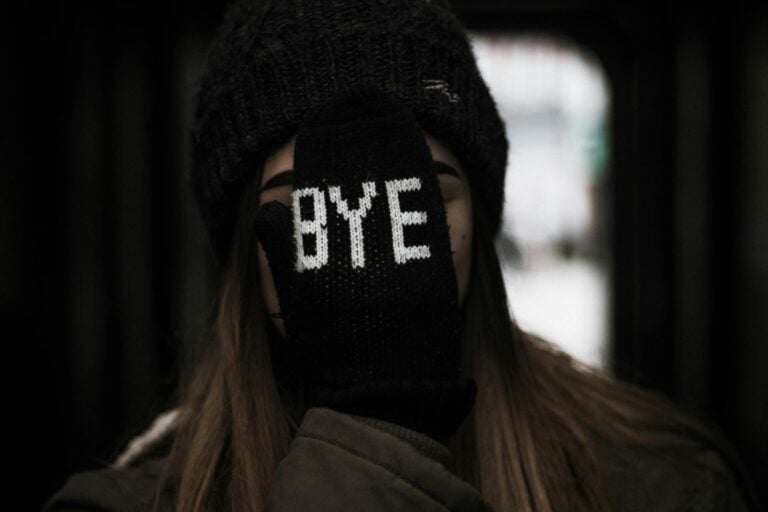
Body shyness is not just feeling bad about how you look in the mirror. For many overweight individuals, it becomes a constant background hum of self-monitoring in public spaces. You calculate whether a restaurant booth will fit comfortably before agreeing to dinner. You decline the beach trip not because you dislike the ocean but because you cannot face the exposure. You sit in the back of the conference room, not to observe, but to disappear.
Career Coaching for Introverts
One-on-one career strategy sessions with Keith Lacy. 20 years of Fortune 500 leadership as an introvert, now helping others build careers that work with their wiring.
Learn More50-minute Zoom session · $175
I have watched this happen in my own professional circles. During my years running advertising agencies, I worked with a creative director who was exceptionally talented but consistently avoided presenting her own work in client meetings. At first I read it as a preference, introversion perhaps, a desire to let the work speak for itself. Over time, I realized something different was driving her avoidance. She had made an offhand comment once about feeling like she took up too much space in a room. That phrase stayed with me. She was not shy about ideas. She was shy about her body being seen while she delivered them.
That distinction matters enormously. Body shyness creates a very specific kind of social pain. It is not about lacking confidence in what you know or what you can offer. It is about fearing that your physical presence will distract, invite judgment, or become the subject of the interaction instead of your ideas or your personality.
Researchers studying body image and social anxiety have documented how weight-related stigma can produce what some describe as “social visibility distress,” a heightened awareness of being observed that triggers avoidance behaviors. You can read more about the psychological mechanisms behind body image and social functioning in this PubMed Central article on body image and psychological wellbeing. The findings are sobering. The social cost of feeling physically exposed is not trivial, and it compounds over time.
Is Body Shyness the Same as Introversion?
No, and conflating them does real damage to people trying to understand themselves.
Introversion is a stable, neurologically grounded personality orientation. Introverts process the world internally, recharge through solitude, and tend to prefer depth over breadth in social interactions. Introversion is not driven by fear of judgment. It is simply a preference for how energy flows. An introvert who feels completely comfortable in their body will still prefer a quiet evening over a crowded party. That preference does not come from shame.
Body shyness in overweight individuals is driven by something different: a fear that the body itself is the problem. It is a reactive withdrawal, not a natural orientation. Someone experiencing body shyness is not avoiding situations because they prefer solitude. They are avoiding situations because they anticipate humiliation, unwanted attention, or the discomfort of being physically visible in a world that often treats larger bodies as objects of commentary.
If you have ever wondered whether your social withdrawal comes from personality or something else, taking a structured self-assessment can offer real clarity. The Introvert Extrovert Ambivert Omnivert Test at Ordinary Introvert can help you get a clearer read on where your natural orientation actually sits, separate from the layers of anxiety or body-related avoidance that might be coloring your experience.

There is also an important question about what it means to be extroverted, because body shyness does not skip extroverts. An extrovert who is overweight may crave social connection deeply and still pull back from it because the fear of physical judgment overrides their natural drive toward engagement. Understanding what extroverted actually means as a personality trait, separate from social confidence or physical comfort, helps clarify that body shyness can affect anyone across the personality spectrum.
How Does Body Shame Shape Social Behavior Over Time?
Body shame is cumulative. Each avoided situation reinforces the belief that avoidance was the right call. Each time a person skips the gym class, declines the dinner invitation, or sits out the team photo, the internal narrative gets a little louder: “My body is a liability in social spaces.”
What happens over years of this pattern is a gradual shrinking of life. Social circles contract. Professional opportunities get passed up. Relationships stay at a surface level because deeper connection requires physical presence and vulnerability. The person begins to construct an identity around their avoidance, sometimes labeling themselves as an introvert or a homebody, when the truth is that they would love to be more present in the world if they did not feel like their body was constantly on trial.
I think about this in the context of personality spectrum conversations. Some people land in genuinely middle-ground territory, drawn toward social connection in some contexts and solitude in others. The difference between an omnivert and an ambivert is actually quite meaningful here. Omniverts swing between high social engagement and deep withdrawal depending on context, while ambiverts maintain a more consistent middle ground. Someone whose social behavior is being shaped by body shame might look like an omnivert on the surface, highly engaged when they feel safe and completely withdrawn when they feel exposed, but the driver is not personality. It is fear.
That distinction is worth sitting with. Personality explains a lot about how we move through the world. But when avoidance is being powered by shame, no personality label is going to resolve it.
There is also a physiological dimension worth acknowledging. Chronic social stress, including the stress of anticipated judgment, activates the body’s threat response systems. Over time, this kind of sustained vigilance takes a measurable toll. This PubMed Central piece on social stress and health outcomes documents some of the downstream effects of chronic social anxiety on physical and mental wellbeing. Body shyness is not just an emotional inconvenience. It has real consequences.
Where Does Introversion End and Body-Driven Withdrawal Begin?
This is the question I find most worth sitting with, because the answer is not always obvious, even to the person experiencing it.
As an INTJ, I have always had a strong internal orientation. I process information deeply, I prefer meaningful one-on-one conversations over large group settings, and I genuinely recharge through solitude. That is wiring. It has nothing to do with how I feel about my body. But I have also had moments in my career where I avoided certain situations not because of introversion but because of something more tender, a discomfort with being seen in a particular way, a reluctance to walk into a room where I felt physically out of place.
During a period when I had gained significant weight while managing the stress of running a mid-sized agency through a difficult economic stretch, I noticed a shift in my behavior. I started declining speaking engagements I would normally have accepted. I found reasons to skip industry events. I told myself it was because I preferred depth over breadth in professional relationships, which was true. But that was not the whole truth. Part of it was that I did not want to stand at a podium feeling like my body was the most visible thing about me.

Recognizing that distinction, between introversion as a genuine preference and avoidance as a fear response, was one of the more clarifying moments of my adult life. Introversion felt like coming home. The body-driven withdrawal felt like hiding.
There is a spectrum within introversion itself worth considering here. Someone who is fairly introverted versus extremely introverted will have different baseline needs around solitude and social engagement. But neither end of that spectrum explains body shame. A deeply introverted person who is comfortable in their body will still show up for things that matter to them, just on their own terms and timeline. Body shame removes that agency entirely.
Can Body Shyness Affect How Others Perceive Your Personality?
Absolutely, and this creates a compounding problem.
When body shyness causes someone to pull back socially, avoid eye contact, speak quietly, or position themselves at the edges of group settings, other people often read those behaviors as introversion, shyness, or aloofness. The person gets labeled. The label sticks. And sometimes the person internalizes it, building an identity around a trait they were never actually born with.
This matters because the solutions are different. If someone is genuinely introverted, the goal is not to change them but to help them find environments where their natural style is an asset. Psychology Today has written thoughtfully about how introverts and extroverts approach connection differently, and why deeper conversations serve introverts better than surface-level socializing. That is about alignment with your nature.
Body shyness requires a different kind of work. It requires addressing the shame directly, not accommodating around it. Someone who avoids professional networking because they are genuinely introverted might thrive with one-on-one coffee meetings instead of large mixers. Someone who avoids professional networking because of body shame needs to work on the underlying belief that their body makes them less worthy of being in the room. Those are different problems with different paths forward.
In my agency years, I watched talented people sideline themselves professionally because of this exact confusion. One account manager I worked with was convinced she was “just not a people person” after years of avoiding client-facing roles. When she eventually opened up in a team conversation, it became clear that her avoidance was rooted in a specific fear: that clients would not take her seriously because of her size. That was not introversion. That was a wound that had been mislabeled as a personality trait.
How Does Body Shyness Interact With Social Anxiety?
Body shyness and social anxiety overlap significantly, but they are not identical. Social anxiety is a broader experience of fear around social evaluation, the worry that you will do or say something that leads to rejection or humiliation. Body shyness is more specific: the fear that your physical appearance will be the source of that rejection.
For overweight individuals, body shyness can be a trigger or a subset of social anxiety. The anticipation of judgment about weight can activate the same avoidance patterns that characterize social anxiety disorder, including hypervigilance in social settings, post-event processing where you replay every moment looking for signs that others noticed your body, and a gradual narrowing of the situations you are willing to enter.
What makes this particularly complicated is that the fear is not entirely irrational. Weight stigma is real. People do make assumptions about overweight individuals. The discomfort is not purely a cognitive distortion. There is a genuine social reality being responded to, even when the avoidance itself becomes disproportionate or self-limiting.
Some people find that their social behavior does not fit neatly into any single category. They might feel extroverted in safe environments and deeply withdrawn in others, not because of personality but because of how safe they feel in their body in a given context. If you have ever felt like your social behavior shifts dramatically depending on circumstances, exploring the concept of an otrovert versus an ambivert might offer some useful framing, even as you recognize that body shame, not personality, may be driving some of that variability.

Psychology Today has a useful framework for thinking about how personality differences affect conflict and discomfort in social situations. Their four-step introvert-extrovert conflict resolution approach touches on how different personality types process social stress differently, which is relevant when you are trying to separate what is personality from what is anxiety.
What Actually Helps Someone Move Through Body Shyness?
Progress with body shyness does not come from pushing through exposure until you stop caring. That approach tends to produce exhaustion and reinforcement of the original shame, not genuine relief. What actually helps is more nuanced.
First, naming it accurately matters. Calling body shyness what it is, a fear response rooted in shame and anticipated judgment, rather than a personality trait or a preference, is the starting point. You cannot address something you have misidentified.
Second, understanding that the internal critic driving body shyness is not an accurate narrator is important. The voice that says “everyone in this room is looking at you and judging your body” is not reporting facts. It is a threat-detection system that has been calibrated to be overly sensitive, often because of real experiences of weight-based judgment in the past.
Third, professional support can be genuinely useful here. Therapists who work with body image, weight stigma, and social anxiety have specific tools for this. Cognitive behavioral approaches, acceptance-based therapies, and somatic work all have documented value for people dealing with body-related social withdrawal. If you are wondering whether therapy is accessible to you as someone who tends toward introversion, there is a thoughtful piece from Point Loma University on how introverts approach counseling and therapeutic work that offers some useful perspective on the relationship between personality and the therapeutic process.
Fourth, finding communities where your body is not the subject of evaluation changes the baseline. This can be online or in person. What matters is finding spaces where you are seen for what you think, what you create, or what you contribute, rather than how you look while doing it.
I have seen this work in professional contexts too. When I restructured my agency’s internal culture to be more explicitly focused on the quality of thinking rather than performance and visibility, I watched people who had been quietly sidelining themselves begin to show up differently. Some of them were introverts finding their footing. Some of them were people who had been carrying body shame for years and had finally found an environment that did not punish them for existing in their bodies. The results were not the same, but the relief was.
Does Personality Type Change How Body Shyness Shows Up?
Yes, meaningfully so.
For someone who is genuinely introverted and also experiencing body shyness, the two can reinforce each other in ways that are hard to untangle. The introvert’s natural preference for limited social exposure means there are fewer opportunities to challenge body-related avoidance. The smaller the social world, the more powerful each individual moment of potential exposure feels. The stakes of a single dinner party feel enormous when you only attend two a year.
For someone who is extroverted and experiencing body shyness, the conflict is different and often more acutely painful. Their natural drive toward social connection is constantly running into a wall of body-based fear. They want to be out in the world. They want the energy that comes from other people. And they are blocked from it by a shame that feels physically embodied. That conflict can produce real psychological distress, a kind of chronic frustration at being cut off from something you genuinely need.
People who sit somewhere in the middle of the personality spectrum face their own version of this. If you have ever felt genuinely uncertain about whether you are introverted or extroverted, or whether your social preferences shift depending on how comfortable you feel in your body on a given day, taking the introverted extrovert quiz can help you get a clearer baseline read on your natural orientation. That baseline matters when you are trying to figure out what is personality and what is shame.
The research on weight stigma and social functioning points to something worth sitting with: the impact of weight-based judgment is not uniform across contexts, but it is pervasive enough that almost no one carrying extra weight moves through social spaces without encountering it at some point. This Frontiers in Psychology piece on weight stigma and psychological outcomes examines how internalized weight stigma affects self-perception and social behavior in ways that go well beyond simple self-esteem.

What Does Reclaiming Visibility Actually Look Like?
Reclaiming visibility after body shyness is not a dramatic transformation. It is usually a series of small, deliberate choices to stop letting the body be the deciding vote on whether you show up.
It might look like submitting the proposal for the speaking engagement instead of assuming you will be judged before you open your mouth. It might look like joining the team lunch instead of eating alone at your desk. It might look like wearing the color you actually like instead of the one you have decided makes you “less visible.”
For introverts specifically, reclaiming visibility does not mean becoming someone who loves the spotlight. It means separating the genuine preference for quieter, more intimate engagement from the fear-based avoidance of being seen at all. An introvert who has worked through body shyness still prefers depth over breadth. They still recharge through solitude. They still find large, performative social settings draining. But they can walk into a room without spending the entire time managing the fear that their body is the most conspicuous thing about them.
That distinction changed how I showed up in my own professional life. When I finally separated my genuine introversion from the body-related avoidance I had layered on top of it, I could make clearer choices. I could decline a speaking engagement because it genuinely did not align with how I work best, rather than because I was afraid of being seen. That felt like agency. The earlier version felt like hiding and calling it a preference.
If you are working through where body shyness ends and genuine personality begins, the full range of resources in our Introversion vs Other Traits hub can help you build a more complete picture of your own personality landscape.
About the Author
Keith Lacy is an introvert who’s learned to embrace his true self later in life. After 20 years in advertising and marketing leadership, including running agencies and managing Fortune 500 accounts, Keith now channels his experience into helping fellow introverts understand their strengths and build fulfilling careers. As an INTJ, he brings analytical depth and authentic perspective to every article, drawing from both professional expertise and personal growth.
Frequently Asked Questions
Is body shyness the same thing as being introverted?
No. Introversion is a stable personality orientation rooted in how a person processes energy and information. Body shyness is a fear-based response to anticipated social judgment about physical appearance. An introvert who is comfortable in their body will still prefer quiet, depth-focused social settings, but not because they are afraid of being seen. Body shyness drives avoidance through shame, not through preference. The two can coexist in the same person, but they are distinct experiences with different causes and different paths forward.
Can extroverts experience body shyness?
Yes, and for extroverts the experience can be especially painful. Extroverts are naturally drawn toward social engagement and gain energy from being around other people. When body shyness blocks that drive, it creates a genuine conflict between what the person needs and what their shame tells them is safe. Extroverts with body shyness often describe a chronic frustration at feeling cut off from social connection they genuinely want. Body shyness does not discriminate by personality type. It can affect anyone who has internalized weight-based judgment.
How can someone tell whether their social withdrawal is personality-based or shame-based?
One useful question to ask is: “Would I want to be in this situation if I felt completely at ease in my body?” If the honest answer is yes, the withdrawal is more likely shame-based. If the honest answer is still no, because you find large gatherings draining or prefer one-on-one conversation regardless of how you feel physically, that points more toward genuine personality preference. Body shyness tends to feel like hiding. Introversion tends to feel like a choice that aligns with what you actually need. That internal quality of the experience is often the clearest signal.
Does losing weight resolve body shyness?
Not reliably, and sometimes not at all. Body shyness is rooted in internalized shame and the anticipation of judgment, not in a specific body size. Many people who lose significant weight find that the underlying patterns of avoidance, self-monitoring, and fear of visibility persist because the work of addressing the shame itself was never done. Body shyness is a psychological pattern, not a physical one. Addressing it requires working with the beliefs and fears that drive the avoidance, not simply changing the body that triggers them.
What is the most useful first step for someone dealing with body shyness?
Naming it accurately is the most important starting point. Many people spend years labeling body shyness as introversion, social anxiety, or simply “not being a people person,” without recognizing the specific role that body shame plays in their avoidance. Once you can identify that your body is the thing you are afraid of being seen, rather than social situations in general, you can begin to address the actual source of the discomfort. From there, working with a therapist who specializes in body image or weight stigma, finding communities where you are valued for your contributions rather than your appearance, and separating genuine personality preferences from fear-based avoidance are all meaningful steps forward.