Brain fog after quitting nicotine is a real, documented withdrawal symptom that typically peaks in the first one to three weeks after stopping and gradually clears over the following weeks. It shows up as difficulty concentrating, slowed thinking, memory lapses, and a general sense of mental cloudiness that can feel alarming if you don’t know to expect it. For introverts, whose inner mental world is often their primary workspace, this fog can feel especially disorienting.
What nobody warned me about when I quit smoking years into running my first agency was how profoundly it would affect my ability to think. Not my mood, not my sleep (though both took a hit), but my actual cognitive sharpness. The thing I relied on most to do my job, to hold complex campaigns in my head, to spot the strategic flaw in a media plan before it went to a client, went genuinely soft for weeks. I felt like I was processing everything through wet concrete.
If you’re an introvert dealing with this right now, I want you to understand what’s actually happening in your brain, why it hits differently when your inner life is your primary home, and what you can do to get through it without losing your mind entirely.
Quitting nicotine touches on some of the deeper mental health challenges introverts face. Our Introvert Mental Health Hub covers the full range of those experiences, from anxiety and sensory overwhelm to emotional processing and perfectionism. Brain fog fits squarely into that picture, and understanding it through an introvert lens changes how you approach the recovery.

What Is Actually Happening in Your Brain When You Quit?
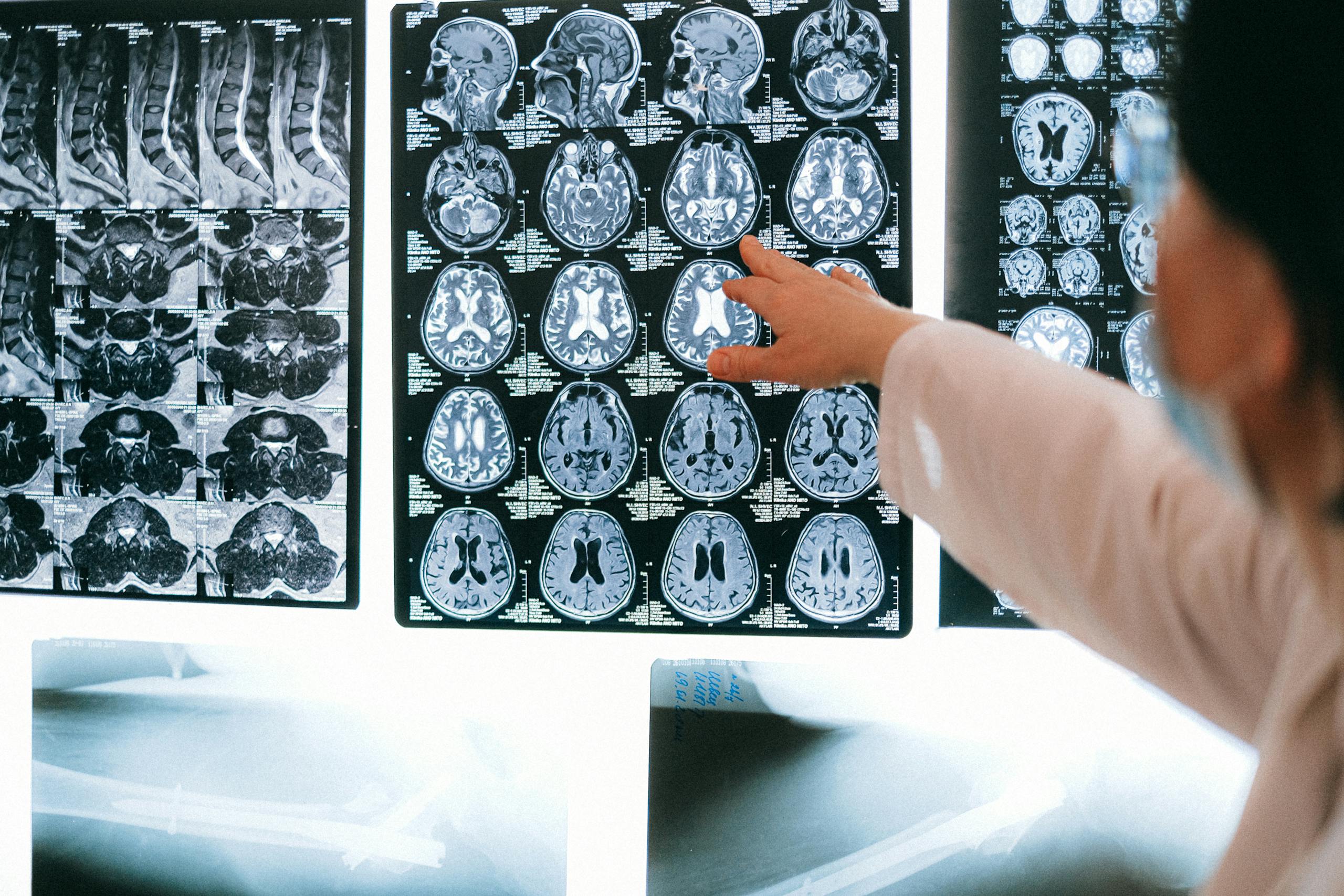
Nicotine is a stimulant that binds to acetylcholine receptors in the brain, triggering the release of dopamine and other neurotransmitters. Over time, your brain adapts to that chemical presence by downregulating its own natural production of these compounds and by increasing the number of nicotine receptors it maintains. When you remove nicotine suddenly, your brain is left in a state of genuine chemical imbalance. It has more receptors than it needs, lower baseline dopamine activity, and no external stimulant to compensate.
Career Coaching for Introverts
One-on-one career strategy sessions with Keith Lacy. 20 years of Fortune 500 leadership as an introvert, now helping others build careers that work with their wiring.
Learn More50-minute Zoom session · $175
The cognitive symptoms that result, including difficulty concentrating, slowed processing speed, word retrieval problems, and general mental heaviness, are a direct consequence of this neurological adjustment. According to clinical literature on nicotine dependence from the National Library of Medicine, withdrawal symptoms typically begin within hours of the last dose and peak somewhere in the first week, with cognitive symptoms sometimes lingering longer than physical ones.
What makes this particularly relevant for introverts is where we live cognitively. Many of us rely heavily on internal processing, quiet analysis, and careful deliberate thought. We’re not performing our thinking out loud in real time; we’re running complex internal models and drawing on precise recall. When that machinery gets sluggish, it doesn’t just slow us down. It can feel like a core part of who we are has gone temporarily offline.
At my agency, I had a creative director who was a deeply introverted thinker. He once told me that his best ideas came from a kind of silent internal incubation, that he’d turn a problem over for days before anything surfaced. When he went through a difficult period that disrupted his sleep and concentration, he described it as “thinking in a language I don’t quite speak anymore.” That’s exactly what nicotine withdrawal fog feels like for people wired this way.
Why Does Brain Fog Hit Introverts Differently?
Introverts, particularly those with high sensitivity traits, tend to process information more thoroughly than their extroverted counterparts. That depth of processing is genuinely one of our strengths. We notice things others miss. We connect dots across seemingly unrelated information. We sit with complexity rather than rushing to resolution.
That same trait, though, means we’re more attuned to disruptions in our own cognitive functioning. When the fog rolls in, we notice it with a clarity that can itself become a source of distress. Highly sensitive people already deal with a particular kind of cognitive and sensory burden, and if you’re curious about how that manifests, the piece on HSP overwhelm and managing sensory overload captures that experience well. Add withdrawal fog on top of baseline sensitivity, and you have a genuinely difficult combination to manage.
There’s also the anxiety dimension. Quitting nicotine is stressful. The act of quitting itself, the cravings, the identity shift, the social awkwardness of not smoking when you used to, all of it generates a kind of low-grade background anxiety that compounds the cognitive symptoms. The National Institute of Mental Health notes that anxiety significantly impairs concentration and working memory, which means the anxiety of quitting is actively making the fog worse. For introverts who already tend toward anxious internal processing, this feedback loop can be particularly vicious.
I noticed this in myself during the weeks after I quit. My INTJ mind, which normally runs fairly cool and analytical, kept generating worst-case interpretations of the fog itself. Was this permanent? Was I losing cognitive capacity? Had I done lasting damage? The anxiety about the fog was adding its own layer of interference. Understanding what was happening neurologically helped me interrupt that spiral, but it took deliberate effort to get there.

How Long Does the Fog Actually Last?
Honest answer: it varies, and the variation is frustrating. Most people experience the sharpest cognitive symptoms in the first one to two weeks. The physical cravings often peak earlier, around days three through five, but the mental cloudiness can persist well into weeks three and four. For some people, particularly long-term heavy smokers, subtle cognitive effects can linger for several months as the brain continues recalibrating its receptor density and neurotransmitter production.
Research published in PubMed Central on nicotine’s effects on cognitive function confirms that while acute withdrawal produces measurable deficits in attention and working memory, these deficits are temporary and most former smokers return to or exceed baseline cognitive performance once the adjustment period is complete. That last part matters: there is evidence that long-term cognitive function actually improves after quitting, once the withdrawal period passes.
Knowing that the fog has a ceiling helped me more than almost anything else during my own quit. I’m someone who needs to understand systems before I can work within them. Once I could frame withdrawal as a finite neurological adjustment with a predictable arc, it became something I could plan around rather than something I was helplessly enduring.
What I did during that period at the agency was essentially triage my cognitive load. I pushed complex strategic decisions to my clearest hours, typically mid-morning before the afternoon fatigue hit. I leaned harder on written notes and structured thinking tools rather than trusting my usually-reliable working memory. And I was honest with my team that I was operating at reduced capacity for a few weeks, which was uncomfortable for someone who prided himself on being consistently sharp, but it was the right call.
What Does the Fog Feel Like When You’re an Internal Processor?
For people who do most of their best work inside their own heads, the fog has a particular texture. It’s not just that thinking is slower. It’s that the internal workspace itself feels unreliable. You reach for a word and find a gap. You start a sentence in your head and lose the thread before you can finish it. You sit down to think through a problem and find that the usual depth of engagement simply isn’t there.
Many introverts are also deep emotional processors, and withdrawal doesn’t leave that dimension untouched either. The emotional landscape during nicotine cessation can be genuinely turbulent, with irritability, low mood, and a kind of flat affect that can feel like mild depression. For those of us who process feeling deeply as a core part of how we make sense of the world, this flatness is its own kind of disorientation. The article on HSP emotional processing speaks to how deeply wired some of us are for rich inner emotional experience, and having that muted by withdrawal is a real loss, even temporarily.
There’s also a social dimension that introverts often underestimate. We tend to rely on careful word choice and considered responses in conversation, taking a beat before we speak, making sure what we say reflects what we actually mean. Withdrawal fog erodes that precision. Conversations feel harder. Finding the right word takes longer. For introverts who already find social interaction cognitively demanding, this added friction can make withdrawal feel even more exhausting.
I had a client presentation during my quit that I still think about. A major retail brand, a campaign review that I’d normally have handled with confidence. I got through it, but I was working harder than usual to hold the thread of the discussion, to retrieve the specific data points I needed, to stay cognitively present through a two-hour meeting. I made it work, but I was genuinely relieved when it was over in a way I hadn’t felt after a client meeting in years.

The Perfectionism Problem: When Foggy Thinking Feels Like Failure
Many introverts carry a strong internal standard for how their thinking should perform. We know what sharp feels like. We know the quality of work we’re capable of. So when withdrawal fog degrades that performance, even temporarily, it can trigger a particularly painful kind of self-criticism.
This is where the perfectionism piece becomes genuinely important to address. The tendency to hold ourselves to impossibly high standards, and to interpret any deviation from those standards as personal failure, is something many introverts and highly sensitive people wrestle with regardless of withdrawal. HSP perfectionism and the trap of high standards explores this pattern in depth, and it maps directly onto what happens when withdrawal temporarily degrades your cognitive performance.
The internal monologue during withdrawal can be brutal. “I can’t think straight. I’m making mistakes I never make. What is wrong with me.” That voice doesn’t help. What it actually does is add a layer of psychological stress that makes the neurological recovery harder. Cortisol, the primary stress hormone, actively impairs the prefrontal cortex, which is already under pressure from withdrawal. Self-criticism during this period is genuinely counterproductive at a biological level, not just a motivational one.
Compassion toward yourself during withdrawal isn’t soft thinking. It’s strategically sound. Your brain is doing difficult work. Give it the conditions it needs to do that work without piling on additional cognitive load through harsh self-judgment.
Can Anxiety Make the Brain Fog Worse?
Yes, and this is one of the more underappreciated aspects of nicotine withdrawal for introverts. Anxiety and cognitive fog have a genuinely bidirectional relationship. Anxiety impairs concentration and working memory directly. And the experience of cognitive fog, especially for people who strongly identify with their mental sharpness, generates its own anxiety. Each one amplifies the other.
Nicotine withdrawal itself produces anxiety as a symptom. The brain, having relied on nicotine to modulate its stress response, finds itself without that external regulator and often overshoots in the other direction. Additional research from PubMed Central on withdrawal symptomatology confirms that anxiety is among the most consistently reported withdrawal symptoms, alongside irritability and difficulty concentrating.
For introverts who are already wired toward internal processing of worry and concern, this withdrawal-induced anxiety can feel indistinguishable from their baseline anxiety patterns, making it hard to know what’s withdrawal and what’s just them. The piece on HSP anxiety and coping strategies is worth reading alongside this, because many of the tools that help highly sensitive people manage anxiety also apply directly to the anxiety component of nicotine withdrawal.
What helped me most during this period was distinguishing between anxiety that required action and anxiety that simply needed to be observed and allowed to pass. As an INTJ, my instinct is to solve problems. Withdrawal anxiety isn’t a problem to solve; it’s a symptom to outlast. That reframe took conscious effort, but once I made it, the anxiety became less sticky.
Practical Strategies That Actually Help During the Fog
These are approaches that work with how introverts are wired, not against it. They’re not about pushing through the fog with willpower. They’re about structuring your environment and your cognitive demands so that the fog does as little damage as possible while your brain does its recovery work.
Protect Your Cognitive Peak Hours
Most people have a window of two to four hours when their cognitive performance is strongest. During withdrawal, that window narrows, but it doesn’t disappear entirely. Identify when yours is and protect it fiercely. Put your hardest thinking work there. Defer meetings, email, and low-stakes tasks to the hours when the fog is heaviest. This is basic cognitive load management, and it matters more during withdrawal than at almost any other time.
Write Everything Down
Your working memory is genuinely compromised during withdrawal. Don’t trust it. Externalize your thinking onto paper or a screen. Keep a running list of what you’re working on, what decisions you’ve made, what you need to remember. This isn’t a sign of weakness; it’s an intelligent response to a temporary reduction in a cognitive resource. I kept a small notebook on my desk throughout my quit and filled more pages in those three weeks than in the three months before.
Move Your Body, Even Briefly
Physical movement increases cerebral blood flow and triggers dopamine release, which is exactly what your withdrawal-depleted brain is craving. Even a fifteen-minute walk can produce a noticeable, if temporary, lift in mental clarity. The American Psychological Association’s resources on resilience consistently point to physical activity as one of the most reliable tools for supporting mental recovery, and withdrawal is no exception.
Reduce Sensory Noise Where You Can
When your brain is already working overtime to manage withdrawal, additional sensory input competes for the same limited cognitive resources. For introverts, who often find sensory-heavy environments draining under normal conditions, this becomes even more significant during withdrawal. Quiet working environments, reduced screen time during breaks, and deliberate periods of low stimulation can all help conserve cognitive energy for what matters.
Be Honest About Your Capacity
This one was the hardest for me. Telling clients or colleagues that I wasn’t at my sharpest felt like a professional vulnerability I wasn’t comfortable with. But the alternative, pretending to be fully functional and then delivering substandard work, was worse. Being appropriately transparent about a temporary limitation is not the same as broadcasting weakness. It’s managing expectations intelligently.
The Empathy Dimension: When Other People’s Stress Compounds Your Own
Many introverts are highly attuned to the emotional states of people around them. During withdrawal, when your own emotional regulation is already taxed, absorbing the stress and anxiety of others can push you closer to your limit faster than usual. This is the double-edged quality of deep empathy that HSP empathy as a double-edged sword addresses directly, and it’s worth thinking about consciously during your withdrawal period.
At my agency, the pace of emotional input was relentless. Clients in crisis, staff with competing needs, the ambient tension of deadlines and budgets. Under normal circumstances, I managed that input through careful boundaries and deliberate decompression time. During withdrawal, my capacity for that management was reduced. I had to be more intentional than usual about limiting unnecessary emotional exposure, not because I stopped caring, but because my reserves were already being drawn on heavily by the withdrawal process itself.
Permission to protect your emotional bandwidth during withdrawal is not selfishness. It’s triage. You are recovering from a genuine physiological process. Treating yourself with the same pragmatic care you’d extend to someone recovering from surgery is appropriate, not indulgent.
When the Fog Lifts: What Comes Back and When
The return of cognitive clarity after nicotine withdrawal is not always dramatic. For many people, it’s gradual enough that you don’t notice it happening until one day you realize you’ve been thinking clearly for a while and can’t remember exactly when that started. Word retrieval gets easier. Concentration holds longer. The internal workspace feels reliable again.
For introverts, there’s often a specific moment of recognition when the inner life returns to its normal depth. The quality of internal reflection, the ability to hold complexity, the richness of quiet contemplation, these come back, and when they do, the contrast with the withdrawal period makes their return feel genuinely significant.
One thing worth watching for is the emotional processing that sometimes follows the fog. Nicotine, for many people, was a form of emotional regulation, a way of dampening feelings that felt too large or too persistent. When the chemical buffer is gone and the fog clears, some of those feelings can surface with unexpected intensity. This isn’t pathological; it’s the natural consequence of removing a suppressive substance. Having support structures in place for that phase matters. If rejection sensitivity or difficult emotions surface during this period, the piece on HSP rejection and healing offers some genuinely useful frameworks for processing those experiences.
What I found, once the fog cleared, was that my thinking felt cleaner in a way that surprised me. Not dramatically different, but there was a quality of clarity that I’d apparently been compensating around for years without realizing it. The nicotine had been doing something to my cognitive baseline that I’d mistaken for normal. Its absence, after the adjustment period, revealed a different kind of normal.

Supporting Your Brain Through the Long Adjustment
Beyond the acute withdrawal phase, the brain continues recalibrating for weeks and sometimes months. During this longer adjustment, a few consistent habits make a meaningful difference in how quickly and completely cognitive function recovers.
Sleep is probably the single most important variable. During sleep, the brain consolidates memory, clears metabolic waste, and regulates the neurotransmitter systems that withdrawal has disrupted. Poor sleep extends the fog. Protecting sleep quality during this period, through consistent timing, a cool dark environment, and reduced screen exposure before bed, is one of the highest-leverage things you can do for your recovery.
Nutrition matters more than most people realize. The brain is metabolically expensive, and it needs stable glucose, adequate protein, and sufficient omega-3 fatty acids to support the neurological rebuilding process. Withdrawal often disrupts appetite and eating patterns, which can compound cognitive symptoms. Eating regularly and reasonably well, even when you don’t feel like it, supports the recovery process in ways that are genuinely measurable.
Hydration is another underestimated factor. Even mild dehydration impairs cognitive performance noticeably. Evidence from withdrawal research suggests that the physiological stress of cessation can affect fluid regulation. Drinking enough water throughout the day is a small but real support for a brain under pressure.
Finally, mental engagement at an appropriate level matters. Completely avoiding cognitive challenge during withdrawal isn’t helpful; the brain needs stimulation to maintain and rebuild its connections. What you want is challenge that’s engaging without being overwhelming, reading, light puzzles, creative work that doesn’t carry high stakes. Think of it as physical therapy for a recovering muscle. You want to use it, carefully, not rest it completely.
If you want to explore more of what affects introvert mental health across different dimensions, the Introvert Mental Health Hub brings together the full range of topics, from anxiety and emotional processing to sensory sensitivity and perfectionism, in one place.
About the Author
Keith Lacy is an introvert who’s learned to embrace his true self later in life. After 20 years in advertising and marketing leadership, including running agencies and managing Fortune 500 accounts, Keith now channels his experience into helping fellow introverts understand their strengths and build fulfilling careers. As an INTJ, he brings analytical depth and authentic perspective to every article, drawing from both professional expertise and personal growth.
Frequently Asked Questions
How long does brain fog last after quitting nicotine?
For most people, the sharpest cognitive symptoms of nicotine withdrawal peak in the first one to two weeks and improve significantly by weeks three and four. Some people, particularly long-term heavy smokers, notice subtle cognitive effects for several months as the brain continues adjusting its receptor density and neurotransmitter production. fortunately that most former smokers return to baseline cognitive performance or better once the adjustment period is complete.
Why do introverts seem to experience nicotine withdrawal fog more intensely?
Introverts tend to rely heavily on internal cognitive processing, deep reflection, and precise recall as their primary way of engaging with the world. When withdrawal temporarily degrades those functions, the disruption feels more central and more alarming than it might for someone whose cognitive style is more externally oriented. Introverts are also often more attuned to their own internal states, which means they notice the fog with a clarity that can itself generate additional anxiety and distress.
Can anxiety make nicotine withdrawal brain fog worse?
Yes, meaningfully so. Anxiety directly impairs concentration and working memory through its effects on the prefrontal cortex. Nicotine withdrawal itself produces anxiety as a symptom, and the experience of cognitive fog often generates its own anxiety, particularly in people who strongly identify with their mental sharpness. This creates a feedback loop where each symptom amplifies the other. Managing withdrawal anxiety through physical movement, structured breathing, and deliberate cognitive reframing can reduce the overall burden on your cognitive performance.
What practical strategies help with brain fog during nicotine withdrawal?
The most effective approaches work with your brain’s reduced capacity rather than against it. Protect your peak cognitive hours for your most demanding work. Write everything down rather than trusting working memory. Move your body regularly to support dopamine production and cerebral blood flow. Reduce sensory noise in your environment where possible. Prioritize sleep and regular nutrition. And be appropriately honest with people who depend on your cognitive output that you’re operating at reduced capacity temporarily. These aren’t workarounds; they’re intelligent responses to a real neurological situation.
Does cognitive function actually improve after quitting nicotine long-term?
For many people, yes. While the withdrawal period produces measurable cognitive deficits, the long-term picture is generally positive. Once the brain recalibrates its receptor density and neurotransmitter production, many former smokers report a quality of cognitive clarity that they hadn’t experienced while smoking, because the nicotine had been masking or altering their baseline in ways they hadn’t recognized. The adjustment period is genuinely difficult, but it’s finite, and what’s on the other side is typically better than what you left behind.