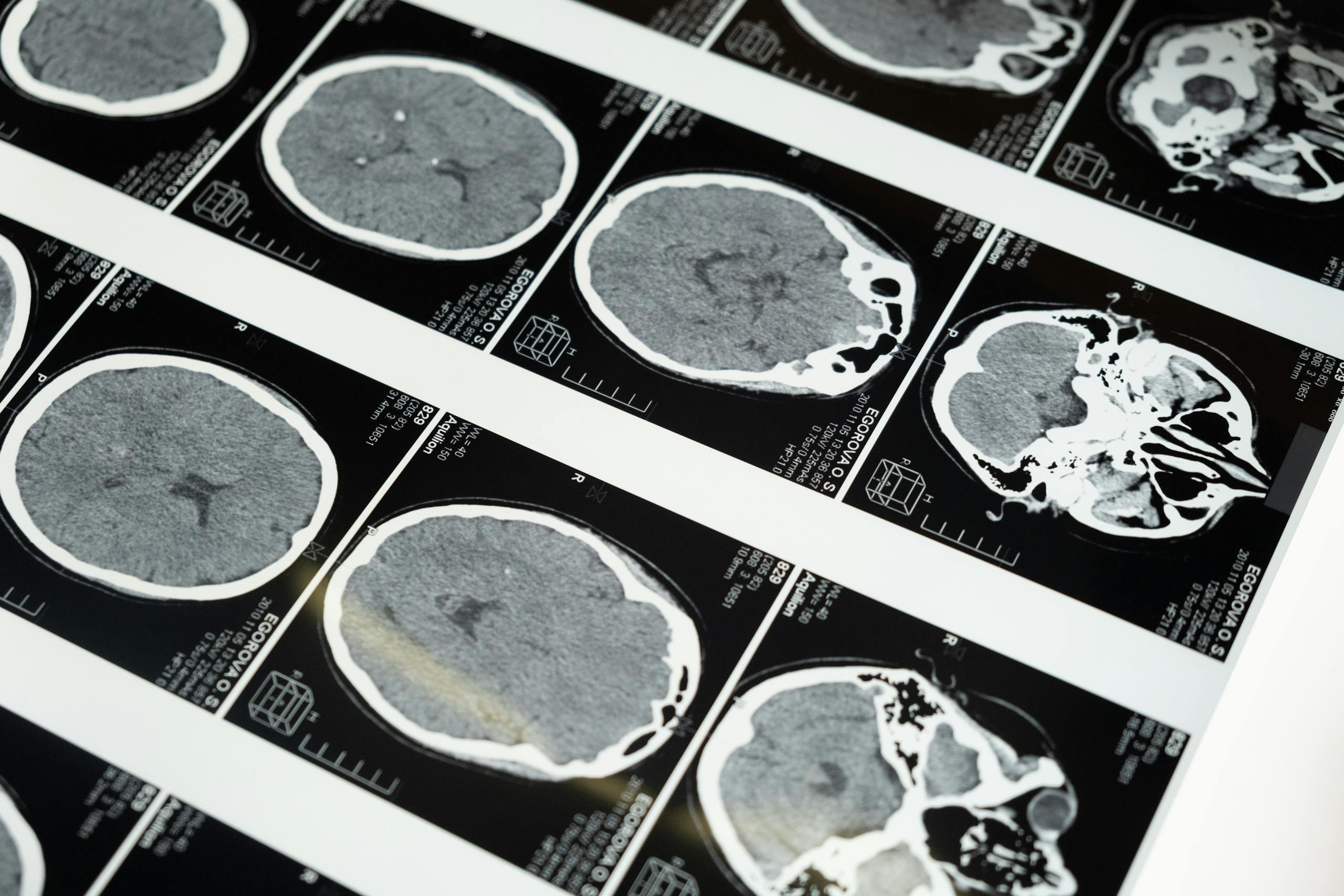

Ambiverts sit between introversion and extroversion, and their brains reflect that balance in genuinely measurable ways. Rather than simply “having traits of both,” people in the middle of the personality spectrum appear to process social stimulation, dopamine, and arousal differently than those at either extreme. What neuroscience reveals about this middle ground challenges some of the most common assumptions about personality itself.
Running advertising agencies for over two decades, I watched people across the full personality spectrum perform under pressure. Some thrived in the noise of a pitch room. Others needed silence before they could produce anything worth presenting. And then there were the ones I could never quite categorize, the account managers who seemed equally comfortable in a client dinner and a solo strategy session, whose energy didn’t appear to drain or spike in predictable ways. I found them fascinating, and a little confusing, because they didn’t fit the mental models I’d built around introversion and extroversion.
Science has started to explain what I was observing. The biology of personality isn’t a simple on-off switch. It’s a spectrum with real neurological texture at every point along it, including the middle.
If you’re sorting through where you actually land on that spectrum, our Introversion vs Other Traits hub covers the full range of personality distinctions, from the basics of what introversion means to the more nuanced categories like ambiverts, omniverts, and everything in between.
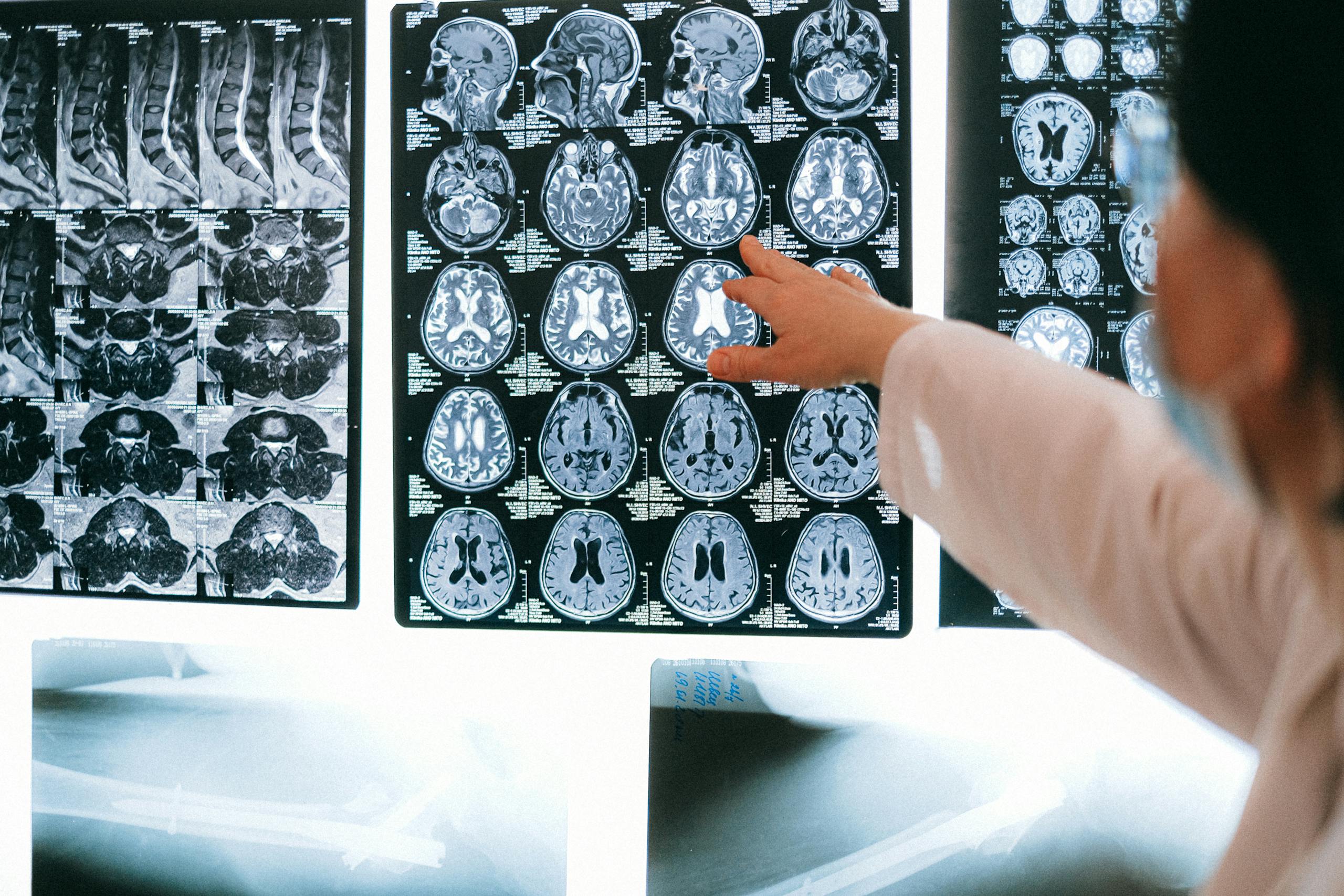
What Does the Brain Actually Look Like in an Ambivert?
Personality research has long pointed to differences in how introverted and extroverted brains respond to stimulation. The foundational idea, rooted in Hans Eysenck’s arousal theory, holds that introverts have a naturally higher baseline of cortical arousal, meaning their nervous systems are already running “louder,” so external stimulation more quickly tips them into overwhelm. Extroverts, with lower baseline arousal, actively seek out stimulation to feel alert and engaged.
Career Coaching for Introverts
One-on-one career strategy sessions with Keith Lacy. 20 years of Fortune 500 leadership as an introvert, now helping others build careers that work with their wiring.
Learn More50-minute Zoom session · $175
Ambiverts, by this framework, sit closer to the middle of the arousal curve. Their nervous systems aren’t chronically over-stimulated or chronically under-stimulated. They can tolerate a wider range of environments without hitting the edges that send introverts retreating or leave extroverts restless.
Dopamine plays a significant role here. Research published in PubMed Central has explored how dopamine pathways differ across personality types, with extroversion linked to stronger dopamine responses in reward circuits. Ambiverts appear to have a moderate sensitivity in these same circuits, which may explain why they can engage socially without needing the same intensity of reward that drives more extroverted personalities, yet still find social interaction genuinely pleasurable rather than draining.
What’s worth noting is that this isn’t a deficit on either end. It’s a different calibration. An ambivert’s brain isn’t “less” of anything. It’s tuned to a broader bandwidth.
Is Ambiversion a Real Category or Just the Middle of a Bell Curve?
One of the more honest debates in personality psychology is whether ambiversion is a meaningful category or simply a statistical artifact. If you measure any trait across a large population, most people will cluster in the middle. That’s just how normal distributions work. So are ambiverts genuinely different, or are they simply the majority who happen to score near the center?
The answer appears to be: both, and that’s more interesting than it sounds.
Many people who score in the middle of introversion-extroversion scales do so because they genuinely experience both states depending on context. That context-sensitivity may itself be a neurological trait. Some researchers have proposed that ambiverts show greater situational flexibility in their arousal responses, meaning their nervous systems adapt more readily to environmental demands rather than defaulting to a fixed setting.
Before going further, it’s worth clarifying some terminology that often creates confusion. People sometimes use ambivert and omnivert interchangeably, but they describe different experiences. If you’re sorting out which label actually fits, the comparison of omnivert vs ambivert is worth reading. The distinction matters when you’re trying to understand your own neurological patterns rather than just picking a label.
From my own experience managing teams, the people who seemed most adaptable weren’t always the ones I’d have called extroverts. Some of the best client-facing people I ever hired were deeply thoughtful, even private, in their off hours. They could perform extroversion when the situation demanded it without it costing them the way it cost me. Whether that’s ambiversion or something else, I’m not entirely sure. But it was real and observable.
How Does Dopamine Sensitivity Shape Ambivert Behavior?
Dopamine sensitivity is one of the most discussed neurological factors in personality research, and for good reason. It shapes how rewarding social interaction feels, how much stimulation a person needs to feel motivated, and how quickly they tip into overstimulation or boredom.
For strongly extroverted personalities, the dopamine reward system tends to respond more vigorously to social and novel stimuli. That’s part of what makes crowded rooms and new experiences feel energizing rather than exhausting. A 2024 paper in Frontiers in Psychology examining personality neuroscience highlighted how individual differences in neurotransmitter sensitivity contribute to the behavioral patterns we associate with introversion and extroversion.
Ambiverts appear to occupy a middle range in this sensitivity gradient. Social interaction produces a real dopamine response, enough to make engagement feel worthwhile, but not so strong that they need constant social stimulation to feel good. This calibration may be what gives ambiverts their characteristic flexibility: they can engage without craving more, and they can withdraw without feeling deprived.
As an INTJ, my own dopamine response to social situations has always felt more muted than what I observed in my more extroverted colleagues. I remember watching one of my senior account directors, a genuinely extroverted person, literally become more energized as a client meeting ran long. She’d arrive sharp and leave sharper. I’d arrive sharp and leave depleted, even when the meeting went well. The neurological difference between us wasn’t about capability. It was about what our brains were doing with the same inputs.
Ambiverts, from what I’ve observed and what the science suggests, seem to split the difference in a way that serves them well in many professional contexts. They don’t peak and crash in the same patterns that introverts and extroverts do.
What’s the Difference Between an Ambivert and Someone Who’s Simply Learned to Adapt?
This is a question I’ve wrestled with personally. As an INTJ who spent years running client-facing agencies, I learned to perform extroversion. I got good at it. I could walk into a room of Fortune 500 executives and hold the energy for two hours. But it cost me. Every time. The recovery period was real, and it was non-negotiable.
A true ambivert, neurologically speaking, doesn’t experience that same recovery tax. Their baseline arousal sits in a range where social engagement doesn’t push them into depletion. What looks like adaptation from the outside is, for them, genuine comfort.
This distinction matters because a lot of introverts, myself included, have spent years believing they were ambiverts simply because they’d become skilled at social performance. If you’ve ever wondered whether you’re actually an ambivert or just a well-practiced introvert, the introvert extrovert ambivert omnivert test can help you get a clearer read on where you genuinely land rather than where your professional conditioning has pushed you.
The neurological difference is subtle but real. Introverts who adapt to extroverted environments are doing something effortful. Ambiverts in those same environments are doing something natural. Both can succeed. The cost structure is different.
There’s also the question of what being extroverted actually means at a neurological level, because it’s often misunderstood as simply “liking people.” Extroversion is more precisely about how the brain responds to stimulation, which is why the ambivert conversation can’t be separated from a clear understanding of what sits at either end of the spectrum.
Do Ambiverts Actually Perform Better in Certain Roles?
There’s a compelling case that ambiversion confers real advantages in roles requiring both independent thinking and social engagement. Sales research has suggested that people in the middle of the introversion-extroversion spectrum sometimes outperform those at either extreme, likely because they can read social cues without being driven by the need to dominate conversation, and they can work independently without withdrawing from client relationships entirely.
Leadership is another area where ambiversion appears to offer structural advantages. Strongly extroverted leaders can sometimes overwhelm quieter team members or fail to create space for deep thinking. Strongly introverted leaders can sometimes struggle with the relational demands of managing people and maintaining stakeholder relationships. Ambiverts may naturally calibrate to what a situation needs.
That said, I want to be careful not to oversell ambiversion as some kind of personality ideal. Every point on the spectrum has genuine strengths. Harvard’s Program on Negotiation has explored how introverts bring distinct strengths to high-stakes professional situations, including negotiation, that are often underestimated. The point isn’t that ambiverts win. It’s that different neurological profiles produce different strengths, and understanding yours is what matters.
At my agencies, some of the strongest performers were deeply introverted creatives who produced work that extroverted account people could never have generated. The ecosystem needed both. What I learned over time was that forcing either type to perform outside their natural range consistently was a waste of talent and a path to burnout.
How Does the Ambivert Brain Handle Conflict and Social Stress?
Social stress activates different systems in introverted and extroverted brains. Introverts tend to process conflict through internal rumination, replaying conversations, analyzing what was said, and working through implications before responding. Extroverts often process externally, talking through conflict as it happens, which can feel overwhelming to introverts on the receiving end.
Ambiverts may have a more flexible stress response in social conflict. Their arousal baseline sits in a range where neither the internal spiral nor the external explosion is the default. They can often hold space in a tense conversation without needing to either retreat into silence or fill the air with words.
Psychology Today’s research-informed writing on introvert-extrovert conflict highlights how the different processing styles of introverts and extroverts can create friction even when both parties want resolution. Ambiverts often serve as natural bridges in these situations, not because they’re conflict-free, but because their nervous systems don’t push them as hard toward either extreme response.
I’ve seen this play out in agency settings. When a campaign went sideways with a major client, the people who could stay calm, ask clarifying questions, and hold the relationship together without either shutting down or over-explaining were often the ambiverts on my team. They had a kind of emotional bandwidth that I, as an INTJ, sometimes had to consciously manufacture.
Where Do Otroverts Fit Into the Brain Science Picture?
The personality taxonomy has expanded considerably in recent years, and newer terms like “otrovert” have entered the conversation. An otrovert is sometimes described as someone who presents as extroverted in certain contexts but has the internal processing patterns of an introvert. It’s a different construct than ambiversion, and the neuroscience around it is less developed, but it points to something real: the gap between behavioral presentation and underlying neurological wiring.
If you’re curious how this newer category compares to the ambivert framework, the breakdown of otrovert vs ambivert is worth exploring. The distinction has practical implications for how you manage your energy, not just how you label yourself.
From a brain science perspective, what makes these distinctions interesting is that they push back against the binary. Personality isn’t two poles with a midpoint. It’s a multidimensional landscape where behavioral patterns, neurological responses, and situational context all interact. The more precise the language we use to describe that landscape, the better equipped we are to understand ourselves.
What Does Brain Science Say About Ambiverts and Deep Conversation?
One of the consistent findings in introversion research is that introverts tend to prefer depth over breadth in conversation. Small talk feels costly; meaningful exchange feels energizing. Extroverts often show the opposite pattern, finding energy in broad social contact even when conversations stay at the surface.
Ambiverts appear to have a more flexible preference here. They can engage in small talk without the same friction introverts experience, yet they also find genuine satisfaction in deep conversation. Psychology Today’s exploration of why deeper conversations matter touches on the neurological rewards of meaningful exchange, rewards that ambiverts seem able to access without requiring the same depth threshold that introverts need before social interaction feels worthwhile.
This conversational flexibility is one of the most practically useful aspects of ambiversion. In professional settings, the ability to move between light social engagement and substantive discussion without visible friction is a significant asset. I’ve watched ambiverts on my teams hold a room at a client dinner and then contribute the most thoughtful analysis in the debrief afterward. They weren’t performing either mode. Both appeared genuinely available to them.
For introverts, that kind of range often requires deliberate energy management. Neurological research on personality and cognitive processing suggests that the difference isn’t willpower or skill. It’s how the underlying arousal systems respond to different types of social input.
How Do You Know If You’re an Ambivert or Just a Fairly Introverted Person?
This is one of the most common points of confusion I encounter, and it’s one I’ve personally sat with. After years of performing extroversion in agency leadership, I genuinely wasn’t sure where I landed. I could do the social things. I could lead the room. But the exhaustion afterward told a clear story.
The distinction between being an ambivert and being a fairly introverted person who’s developed strong social skills is neurologically real, even if it’s hard to self-assess. A useful starting point is the introverted extrovert quiz, which helps surface patterns in how you actually experience social situations rather than how you’ve learned to perform in them.
There’s also an important distinction between being fairly introverted and being extremely introverted. The comparison of fairly introverted vs extremely introverted makes clear that introversion exists on its own internal spectrum, and where you fall within it shapes how much social engagement you can sustain, how quickly you deplete, and what kinds of recharge you need.
Someone who’s fairly introverted might comfortably attend a networking event and enjoy parts of it, needing only a quiet evening afterward to recover. Someone who’s extremely introverted might find the same event genuinely difficult and require a full day of solitude to feel restored. An ambivert might attend the same event, feel genuinely energized by it, and go out to dinner with colleagues afterward without any significant depletion. Same event, radically different neurological experiences.
The brain science supports this: it’s not about toughness or social skill. It’s about what your arousal system does with the stimulation you’re receiving.
What Practical Lessons Does the Brain Science of Ambiverts Offer Everyone?
Even if you’re not an ambivert, the neuroscience of ambiversion has something useful to offer. It reframes the entire introversion-extroversion conversation from a binary to a continuum, and it shifts the question from “which type am I?” to “what does my nervous system actually need?”
That’s a more useful question. And it’s one I wish I’d been asking earlier in my career.
For introverts specifically, understanding where ambiverts sit neurologically can clarify what you’re actually managing when you push yourself into high-stimulation environments. You’re not failing at extroversion. You’re running a nervous system that was calibrated differently. That’s not a problem to fix. It’s a parameter to work with.
For ambiverts, the science offers validation that their experience isn’t just “being in the middle.” It’s a distinct neurological profile with real strengths, particularly around adaptability, emotional bandwidth, and conversational range.
And for extroverts, understanding that their dopamine sensitivity and arousal baseline are genuinely different from introverts’ can build real empathy for colleagues who experience the same environments very differently. That understanding has practical value in every team, every meeting room, and every client relationship.
The work I did with Fortune 500 brands taught me that the most effective teams weren’t homogeneous in personality. They were teams where people understood their own wiring and, more importantly, understood that others were wired differently. Brain science on ambiverts is one more tool for building that understanding.
Personality science is a field worth staying curious about, and the Introversion vs Other Traits hub collects the most relevant research and practical perspectives in one place, whether you’re still figuring out your own type or trying to understand the people around you.
About the Author
Keith Lacy is an introvert who’s learned to embrace his true self later in life. After 20 years in advertising and marketing leadership, including running agencies and managing Fortune 500 accounts, Keith now channels his experience into helping fellow introverts understand their strengths and build fulfilling careers. As an INTJ, he brings analytical depth and authentic perspective to every article, drawing from both professional expertise and personal growth.
Frequently Asked Questions
Are ambiverts neurologically different from introverts and extroverts?
Yes, in meaningful ways. Ambiverts appear to have a baseline cortical arousal level that sits between the higher baseline typical of introverts and the lower baseline associated with extroverts. Their dopamine sensitivity also tends to fall in a middle range, meaning social stimulation produces a real reward response without requiring the intensity that strongly extroverted brains seek. This middle calibration is what gives ambiverts their characteristic flexibility across different social environments.
Can an introvert become an ambivert through practice?
Not in any neurological sense. An introvert can develop strong social skills and learn to manage their energy effectively in extroverted environments, but the underlying arousal baseline doesn’t fundamentally shift. What changes is skill and strategy, not the nervous system’s basic calibration. Many introverts who’ve spent years in social professions describe themselves as ambiverts, but on closer examination they’re often introverts who’ve become very good at performing extroversion, which is a different thing and comes with a different energy cost.
Do ambiverts have advantages in professional settings?
Ambiverts do appear to have structural advantages in roles requiring both independent thinking and social engagement. Their ability to move between focused solo work and active collaboration without significant depletion can make them effective in client-facing roles, team leadership, and situations requiring emotional range. That said, every personality profile has distinct professional strengths. Introverts bring depth, focus, and analytical precision. Extroverts bring energy, relationship-building, and momentum. The advantage of ambiversion is flexibility, not superiority.
How is ambiversion different from being an omnivert?
Ambiversion describes a relatively stable middle position on the introversion-extroversion spectrum, where a person consistently experiences moderate social stimulation as comfortable. Omniversion describes a more dynamic pattern where a person swings between strongly introverted and strongly extroverted states depending on context, mood, or circumstance. An omnivert doesn’t necessarily sit in the middle; they move between the poles. An ambivert tends to stay in the middle. The neurological mechanisms behind each are likely different, though research on omniversion specifically is still developing.
What’s the most reliable way to find out if I’m an ambivert?
Self-assessment tools are a useful starting point, but the most reliable indicator is honest reflection on your actual energy patterns rather than your behavioral capabilities. Ask yourself: after a full day of social engagement, do you feel drained, neutral, or energized? Do you need recovery time after being “on” in social situations, or do you move through them without significant cost? If you consistently need recovery, you’re likely more introverted than ambivert, even if you’re socially skilled. If social engagement leaves you feeling about the same as before, or slightly more energized, ambiversion is a more likely fit.