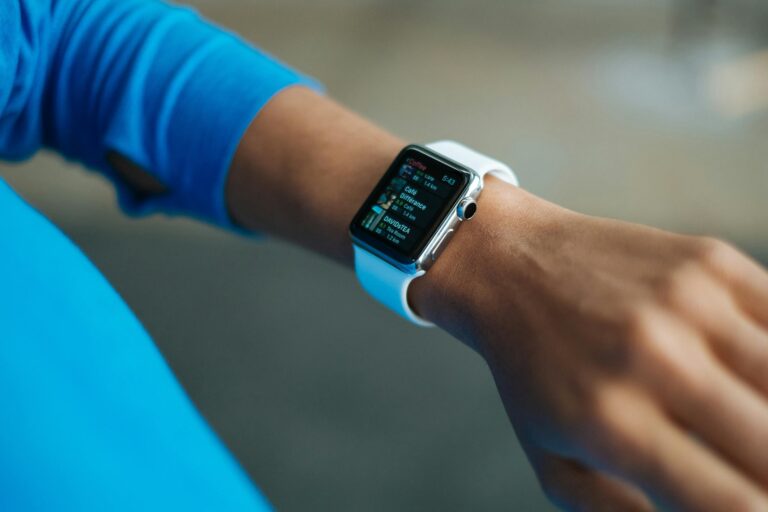

The notification sound used to feel like a lifeline. During my years running an agency, my phone became an extension of my hand. Every ping represented a client need, a team question, a problem requiring immediate attention. I told myself this constant connectivity was necessary for success. What I failed to recognize was how that rectangular screen was slowly eroding the very qualities that made me effective in the first place.
For introverts, phone addiction carries a particular kind of irony. We need our solitude to recharge, yet our devices have become the primary thieves of that precious alone time. You sit down for quiet reflection, and thirty minutes later you realize you have been scrolling through content that leaves you feeling more depleted than before you started.
According to research published in the National Institutes of Health, both extraverts and introverts are susceptible to phone addiction, though our motivations differ. Extraverts tend to use their devices to expand social connections, while introverts often use them to compensate for the difficulties they experience in face to face interactions. This compensatory use can quickly become problematic when the phone transforms from a communication tool into an avoidance mechanism.

Why Phone Addiction Hits Introverts Differently
The relationship between introverts and their phones operates on a fundamentally different level than it does for extraverted users. Our devices offer something seductive: social connection without the energy expenditure of physical presence. You can respond to messages at your own pace. You control when conversations begin and end. The phone appears to respect your boundaries in ways that in person interactions often fail to do.
What’s your personality type?
Take our free 40-question assessment and get a detailed personality profile with dimension breakdowns, context analysis, and personalised insights.
Discover Your Type8-12 minutes · 40 questions · Free
But this apparent compatibility masks a more troubling dynamic. BrainFacts.org explains that smartphones are designed to hijack the brain’s reward pathway, flooding it with dopamine through unpredictable notifications and variable reward patterns. This mechanism operates identically in introverts and extraverts, but the consequences manifest differently in our lives.
When I finally tracked my screen time during a particularly exhausting period, the numbers shocked me. Four hours of daily phone use. Not productive work communication, but mindless scrolling that I had convinced myself was relaxation. The time I thought I was spending in restorative solitude was actually being consumed by digital noise that prevented genuine recovery.
Understanding how introverts actually recharge reveals why phone addiction is particularly damaging for our temperament. True restoration requires undivided attention, internal reflection, and freedom from external stimulation. A phone in your hand, even when you are physically alone, prevents all three.
The Dopamine Trap and the Introvert Brain
Every notification triggers a small dopamine release. Every scroll that reveals new content delivers another hit. Your brain quickly learns to crave these micro rewards, and the anticipation of what might appear becomes more compelling than the actual content itself. Research published in Frontiers in Psychiatry confirms that depression and anxiety represent significant risk factors for problematic smartphone use, and these conditions frequently overlap with introverted temperament.
The pattern I observed in myself mirrors what many introverts describe. After social interactions that deplete your energy, the phone offers what feels like effortless connection. You can maintain relationships without the exhaustion of physical presence. You can engage with the world on your own terms. But this perceived control is largely illusory, because the apps themselves are engineered to capture and retain your attention using psychological mechanisms that override conscious intention.

The introvert tendency toward deep processing means we often experience stronger emotional responses to content we encounter online. A single negative comment can occupy mental space for hours. A distressing news story infiltrates our thinking in ways that might bounce off someone with a more resilient emotional buffer. This heightened sensitivity makes the constant information stream particularly draining for introverted minds.
My breakthrough came when I recognized that phone use was preventing me from accessing the thoughtful, strategic thinking that had built my career. The same mental resources I needed for creative problem solving were being squandered on content designed to capture attention rather than provide value. I was trading deep work capacity for shallow engagement, and the exchange rate was terrible.
Signs Your Phone Use Has Become Problematic
Identifying problematic phone use requires honest self assessment. The behaviors that indicate addiction often masquerade as reasonable habits. You tell yourself you are staying informed, maintaining connections, or simply unwinding after a demanding day. But certain patterns suggest the relationship has shifted from tool use to dependency.
The first indicator involves what happens when the phone is unavailable. If its absence triggers anxiety, restlessness, or an almost physical discomfort, your brain has formed a dependency on the stimulation it provides. This phenomenon, sometimes called nomophobia, reflects a genuine psychological attachment to the device.
Another warning sign involves time distortion. You pick up the phone intending to check one notification, and forty minutes disappear without explanation. This pattern suggests the dopamine mechanism is overriding your conscious time management. WebMD notes that approximately 61 percent of people admit to being addicted to the internet and their digital screens, and around 25 percent of smartphone owners between ages 18 and 44 cannot recall the last time their phone was not within arm’s reach.
For introverts specifically, watch for these additional patterns. Are you using your phone during time that should be spent in genuine solitude? Has your device replaced activities that used to provide restoration, such as reading, walking, or creative pursuits? Do you find yourself feeling more depleted after phone use rather than refreshed? These indicators suggest the phone has invaded territory that introverts need to protect.
Effective self care strategies for introverts depend on maintaining clear boundaries around restorative time. When your phone infiltrates these boundaries, the care becomes compromised.
The Introvert Advantage in Breaking Free
Despite the challenges, introverts possess certain advantages when it comes to breaking phone addiction. Our capacity for self reflection means we can examine our habits with greater depth than those who rarely pause for introspection. We are naturally drawn to solitary activities that can replace phone use, and we understand the value of quiet time in ways that make protecting it feel meaningful rather than arbitrary.

The skills that make introverts effective in professional settings translate directly to this challenge. We plan carefully. We prefer depth over breadth. We can sustain focus on important tasks when external distractions are removed. These same capacities support the kind of deliberate, systematic approach that successful digital detox requires.
When I decided to address my own phone dependency, I approached it the way I would approach any complex project. Research the problem. Understand the mechanisms at play. Develop a strategy tailored to my specific situation. Implement incrementally rather than attempting dramatic overnight changes that inevitably fail.
Understanding how introverts manage energy provides the foundation for addressing phone addiction. Once you recognize that your device is actively draining the same reserves that social interaction depletes, protecting yourself from it becomes a matter of basic self preservation.
Practical Strategies That Actually Work
The most effective approach to breaking phone addiction involves multiple coordinated changes rather than a single intervention. Cold turkey abstinence rarely succeeds because it fails to address the underlying needs the phone is meeting, however poorly. Instead, systematic reduction combined with replacement activities offers a more sustainable path.
Start by auditing your current usage. Most smartphones now include screen time tracking features that reveal exactly where your hours are going. This data often surprises people who have convinced themselves their usage is moderate. Seeing concrete numbers creates motivation that abstract concern cannot generate.
Next, identify the specific apps or activities consuming the most time. For many introverts, social media platforms represent the primary culprits. These apps are specifically engineered to exploit psychological vulnerabilities, using variable reward schedules similar to slot machines. Lifeline Australia recommends logging out of or uninstalling social media accounts during your detox period, removing addictive apps from your home screen, and finding an accountability partner who can help you stay committed.
The grayscale technique offers a surprisingly effective intervention. Switching your phone display to black and white removes much of the visual appeal that makes scrolling compelling. Apps depend on color to capture attention, and eliminating that element reduces their psychological grip. Most phones allow you to enable grayscale through accessibility settings.
Notification management represents another crucial lever. Each alert pulls your attention away from whatever you were doing and triggers a small stress response. Disabling notifications for non essential apps reduces these interruptions dramatically. You can still check these apps when you choose to, but the choice returns to your control rather than being dictated by the app’s timing.
Creating Phone Free Zones and Times
Physical boundaries often prove more effective than willpower alone. Designating certain spaces as phone free creates automatic barriers to habitual reaching for the device. The bedroom deserves particular attention here, since phone use before sleep disrupts the circadian rhythm and undermines the rest introverts need for recovery.

I created a charging station in a common area of my home, deliberately positioned away from where I spend my evening hours. This simple change eliminated the temptation to scroll before sleep and removed the phone from my morning routine. Instead of reaching for the device immediately upon waking, I began the day with actual solitude.
Time based boundaries complement spatial ones. The first hour after waking and the last hour before bed are particularly valuable for introverts, representing transitions between active engagement and restorative rest. Protecting these periods from phone intrusion allows you to start and end each day in a more centered state.
Quality sleep optimization for introverts depends heavily on managing evening screen exposure. The blue light emitted by phones suppresses melatonin production, but the cognitive stimulation of content consumption may prove even more disruptive to sleep quality.
Meals offer another natural boundary. Eating without phone distraction allows you to be present with your food and with anyone sharing the meal. For introverts who often use mealtimes as social energy recovery, adding phone stimulation defeats the purpose entirely.
Replacing Phone Time with Restorative Activities
Breaking phone addiction creates a time vacuum that demands to be filled. Without intentional replacement, the void will pull you back toward the device. This is where the introvert advantage becomes particularly relevant, because we naturally gravitate toward solitary activities that provide genuine restoration rather than the pseudo relaxation of scrolling.
Reading represents perhaps the most direct substitution. A physical book demands undivided attention in ways that phone content does not. The tactile experience of pages turning provides sensory engagement without the dopamine manipulation built into digital interfaces. Many introverts who have rediscovered reading after reducing phone use describe a sense of cognitive clarity they had not realized they had lost.
Creative pursuits offer another powerful alternative. Writing, drawing, playing music, or engaging in crafts all provide flow states that phone use cannot match. These activities build something rather than merely consuming, leaving you with a sense of accomplishment rather than the vague dissatisfaction that often follows extended scrolling.
Walking without your phone, or at least without looking at it, creates space for the kind of mental wandering that generates insights and processes experiences. Some of my best strategic thinking has occurred during these device free walks, when my mind finally had room to make connections between ideas that constant stimulation had kept separated.
Understanding the essential role of solitude in an introvert’s life clarifies why these replacement activities matter. True solitude requires freedom from external demands on your attention. A phone in your pocket, even when silenced, represents a potential interruption that prevents full presence in the moment.
Managing the Social Expectations
One challenge introverts face when reducing phone use involves managing other people’s expectations around availability. In our hyper connected culture, delayed responses can be interpreted as rudeness or disinterest. Navigating this requires clear communication and reasonable boundary setting.
I found it helpful to explicitly inform close contacts about my reduced availability during certain hours. Most people responded with understanding, and several expressed interest in doing something similar themselves. The expectation of instant accessibility is largely an assumption rather than a genuine requirement, and challenging that assumption often proves easier than anticipated.
For work related communication, establishing clear response windows can actually improve effectiveness. Rather than fragmenting attention throughout the day with constant message checking, designated times for email and messaging allow for deeper focus during intervening periods. Many professionals find their productivity increases significantly when they batch communication rather than responding continuously.

The introvert’s natural comfort with limited social interaction provides an advantage here. We are already practiced at maintaining boundaries around our time and energy. Extending those boundaries to include digital communication simply expands an existing capacity rather than requiring the development of entirely new skills.
Building Sustainable Habits
Lasting change requires habit formation rather than willpower maintenance. Willpower depletes throughout the day and fails under stress. Habits operate automatically, requiring minimal conscious effort once established. The goal is to make phone free time the default rather than an exception requiring constant vigilance.
Newport Institute suggests starting with small incremental changes rather than attempting dramatic transformation. Begin by not looking at your phone for fifteen minutes at a designated time each day. Once that becomes comfortable, extend the duration. Small victories build confidence and momentum that supports larger changes.
Pairing new behaviors with existing routines leverages the power of habit stacking. If you already have a morning coffee ritual, make it a phone free morning coffee ritual. The established habit provides a trigger for the new behavior, making it more likely to persist.
Tracking progress reinforces positive change. Many introverts respond well to data and evidence, so recording your daily phone free time or noting improvements in sleep quality or energy levels provides concrete feedback that motivates continued effort.
Practicing mindfulness meditation can strengthen the awareness needed to notice when habitual phone reaching occurs. This increased consciousness creates a pause between impulse and action, allowing you to make deliberate choices rather than responding automatically.
What Recovery Feels Like
The benefits of reduced phone use often surprise people with their scope and intensity. Within weeks of implementing meaningful changes, many introverts report improvements in sleep quality, attention span, creative thinking, and overall energy levels. The cognitive clarity that emerges when the constant stimulation ceases can feel almost startling after years of device dependency.
My own experience involved a gradual return of capacities I had not realized were impaired. The ability to read for extended periods without restlessness. The patience to sit with complex problems without seeking distraction. A sense of presence in conversations that had been eroding so slowly I failed to notice its departure.
Perhaps most significantly, I recovered the quality of solitude that makes introvert life sustainable. Time alone became genuinely restorative again, rather than merely physical isolation accompanied by digital noise. The recharging that my temperament requires actually occurred during the time allocated for it.
This reclaimed solitude improved every other area of my life. Work became more focused and productive. Social interactions became more manageable because I arrived at them fully charged. Creative projects that had languished for years received the attention they deserved. The phone had been stealing far more than time, it had been stealing the mental clarity that makes everything else possible.
For additional guidance on creating environments that support introvert flourishing, explore The Introvert’s Guide to Self Care That Actually Works.
Moving Forward with Intention
Breaking phone addiction is not about becoming anti technology or retreating from the modern world. Smartphones remain useful tools when used deliberately rather than compulsively. The goal is restoring agency over your own attention and reclaiming time for the activities and rest that introvert wellbeing requires.
The strategies outlined here have transformed my relationship with my device from dependency to intentional use. I still carry a phone. I still respond to messages and check relevant information. But these activities occur on my terms, during times I have chosen, rather than in response to constant nudges designed to capture my attention.
Your introvert nature is not a limitation to overcome but an asset to deploy in this effort. The same qualities that make you effective in your professional life, that enable deep relationships and creative contribution, also equip you to recognize when something is not serving your wellbeing and to develop systematic approaches for change.
The phone can return to being what it should always have been: a tool that serves your purposes rather than a master that commands your attention. And in that shift lies the recovery of something far more valuable than the hours you will reclaim. You recover the quality of your inner life, the texture of your solitude, and the clarity of a mind finally freed from constant digital demands.
Frequently Asked Questions
How long does it take to break phone addiction?
Most people notice significant improvements within two to four weeks of consistent effort. Research on habit formation suggests that new behaviors typically require around sixty days to become automatic. However, the timeline varies based on the severity of the dependency and the specific strategies employed. Gradual reduction tends to produce more sustainable results than cold turkey approaches, though the latter may be necessary for severe cases.
Will reducing phone use hurt my relationships or career?
Most people discover the opposite effect. Reduced phone use often improves relationship quality because you become more present during in person interactions. Career performance frequently improves as well, since the ability to focus deeply on complex tasks increases when constant interruptions decrease. Clear communication about your availability expectations helps manage any initial concerns from contacts accustomed to immediate responses.
What if I need my phone for work?
Work related phone use can coexist with healthy boundaries. The key is separating necessary professional use from habitual checking and recreational scrolling. Consider using a separate device for work if possible, or create distinct profiles that limit access to non essential apps during work hours. Batching communication into designated times rather than responding continuously allows for both professional responsiveness and protected focus time.
Are there apps that can help reduce phone addiction?
Yes, several apps and built in features can support reduced usage. Screen time tracking features on iOS and Android reveal usage patterns. App blockers can restrict access to problematic apps during designated hours. Focus modes can silence notifications during periods you want protected. While using technology to combat technology addiction may seem paradoxical, these tools can provide helpful scaffolding during the transition to healthier habits.
How do I handle the anxiety that comes when I cannot check my phone?
Initial discomfort when reducing phone use is normal and typically subsides within days to weeks. This anxiety reflects your brain’s adjustment to reduced dopamine stimulation rather than any genuine threat. Grounding techniques such as deep breathing or focusing on physical sensations can help manage acute discomfort. Remind yourself that the anxiety itself is evidence of the dependency you are working to address. If symptoms are severe or persist beyond a few weeks, consulting with a mental health professional may be helpful.
Explore more self care and recharging resources in our complete Solitude, Self-Care and Recharging Hub.
About the Author
Keith Lacy is an introvert who has learned to embrace his true self later in life. With a background in marketing and a successful career in media and advertising, Keith has worked with some of the world’s biggest brands. As a senior leader in the industry, he has built a wealth of knowledge in marketing strategy. Now, he is on a mission to educate both introverts and extroverts about the power of introversion and how understanding this personality trait can unlock new levels of productivity, self-awareness, and success.