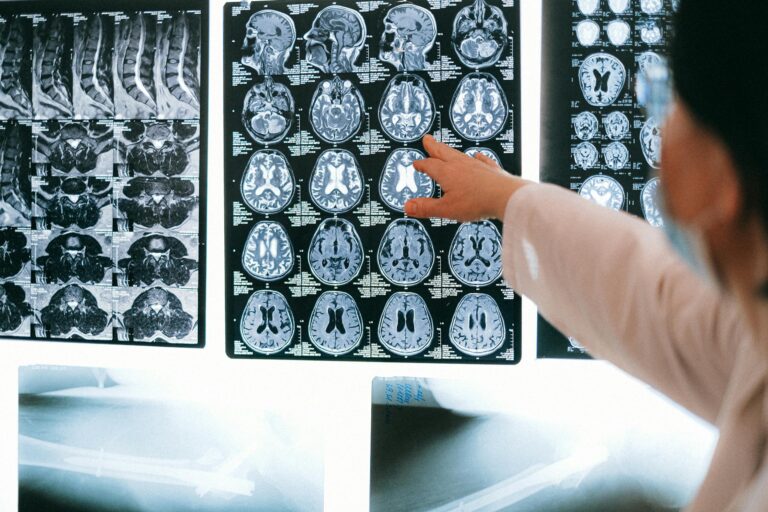

Brian Little’s research on neocortical arousal offers one of the most compelling biological explanations for why introverts think, process, and recharge the way they do. According to his work, introverts operate with a naturally higher baseline level of cortical stimulation, which means the brain is already running closer to its optimal arousal threshold before any external input arrives. Add a crowded room, a loud meeting, or a rapid-fire brainstorming session, and the introvert brain tips past that threshold into overstimulation.
That isn’t a character flaw. It’s neurophysiology. And once I understood it, a lot of my career finally made sense.
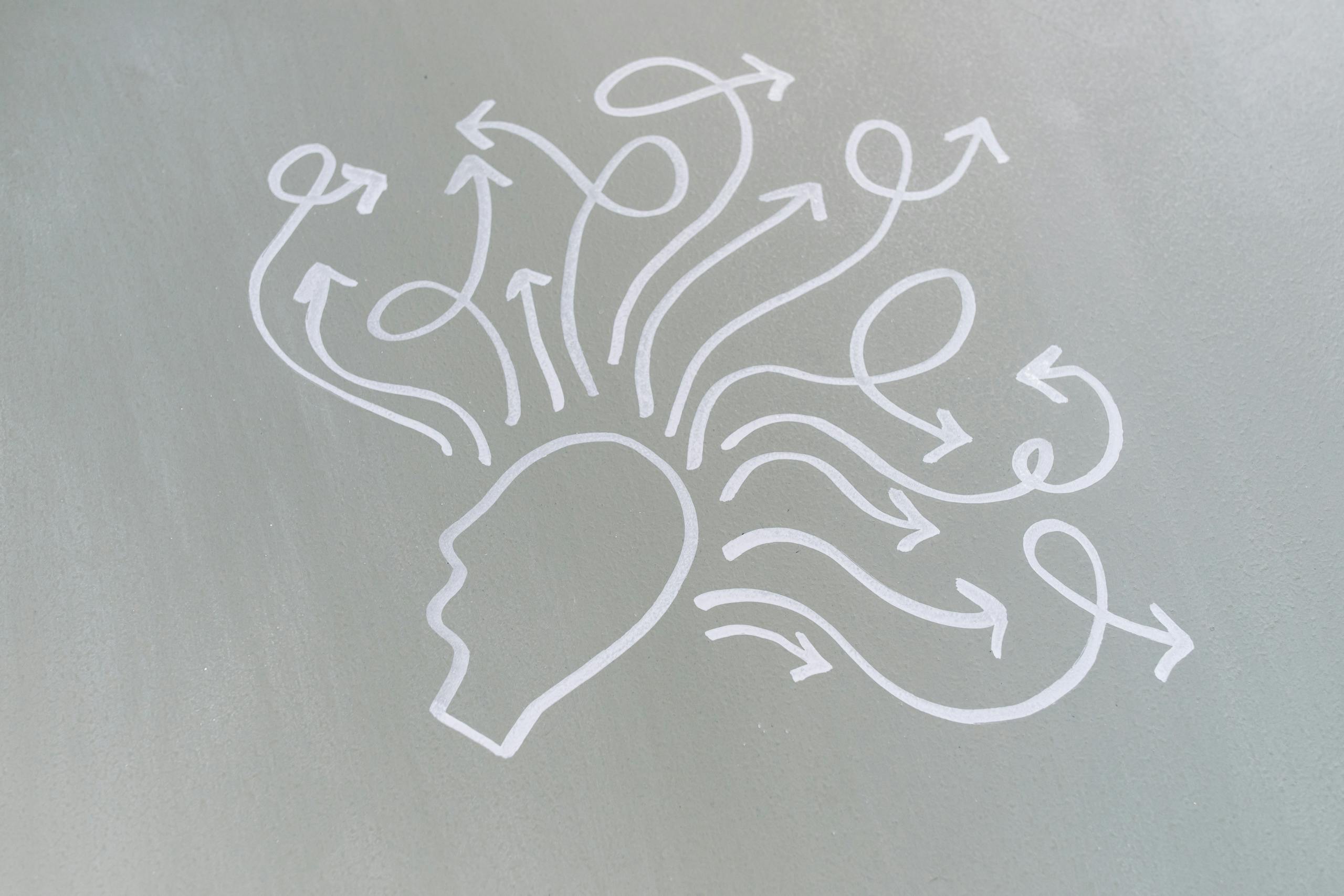
If you’ve ever wondered why you do your best thinking alone, why small talk leaves you depleted while deep conversation energizes you, or why a quiet Friday afternoon at your desk feels more productive than a week of back-to-back meetings, the neocortical arousal theory has something to say about that. It’s the kind of explanation that doesn’t just describe introversion. It validates it.
Our Introvert Personality Traits hub covers the full range of what shapes introvert identity, from behavioral tendencies to emotional patterns to how personality expresses itself across different life stages. The science behind neocortical arousal adds a biological layer to all of it, one that’s worth examining closely.
What Did Brian Little Actually Discover About the Introvert Brain?
Brian Little is a personality psychologist, best known for his work on personal projects and what he calls “free traits,” the idea that people can act out of character for things that deeply matter to them. But his contributions to understanding introversion draw heavily on earlier arousal theory, particularly the work of Hans Eysenck, who proposed that introverts and extroverts differ fundamentally in their baseline cortical arousal levels.
Career Coaching for Introverts
One-on-one career strategy sessions with Keith Lacy. 20 years of Fortune 500 leadership as an introvert, now helping others build careers that work with their wiring.
Learn More50-minute Zoom session · $175
Little extended and popularized this framework in a way that made it accessible and deeply personal. His core argument is straightforward: the introvert brain doesn’t need as much external stimulation to reach its optimal performance state. Extroverts, by contrast, start at a lower arousal baseline and actively seek out stimulation to reach that same peak. Loud environments, social energy, and novelty push them toward optimal functioning. Those same conditions push introverts past it.
What makes this framework powerful is that it reframes the entire introvert experience. Preferring quiet isn’t timidity. Needing recovery time after social events isn’t weakness. Thinking before speaking isn’t hesitation. Each of these tendencies reflects a nervous system that’s already operating at a high internal frequency, one that requires less external noise to function at its best.
I spent years in advertising not understanding any of this. I ran agencies, managed large teams, and sat in rooms full of people who seemed to draw energy from exactly the kind of environment that left me exhausted. I assumed something was wrong with my leadership approach. What was actually happening was that my neocortical baseline was doing exactly what it was built to do, and I kept pushing it past its limits every single day.
How Does Neocortical Arousal Actually Show Up in Daily Life?
The theory stops being abstract the moment you start mapping it onto real experience. Think about the last time you were in a genuinely overstimulating environment. Maybe it was a conference with back-to-back sessions, a loud open-plan office, or a social event that ran three hours longer than you expected. You probably noticed a specific kind of fatigue that wasn’t just physical. It was cognitive. Your ability to process information slowed down. Your patience thinned. You wanted, more than anything, to be somewhere quiet.
That’s the arousal threshold being crossed. The neocortex, already running at a higher baseline, gets flooded with incoming stimulation and starts to throttle its own processing to compensate. The result feels like mental fog, irritability, or a strong pull toward solitude. It isn’t antisocial behavior. It’s a nervous system doing damage control.

On the flip side, the same biology explains why introverts often produce their best work in conditions that extroverts might find dull or isolating. A quiet morning with a clear task, no interruptions, and room to think deeply? That’s not a luxury for an introvert. It’s the environment where the brain actually performs at its ceiling. The stimulation is already there, internally. The external world just needs to stay out of the way.
Many of the introvert character traits that seem puzzling to outsiders, things like preferring written communication over phone calls, needing processing time before responding, or choosing one-on-one conversations over group settings, trace directly back to this arousal dynamic. They’re not personality quirks. They’re optimization strategies the introvert brain has developed to protect its own performance.
One pattern I noticed repeatedly across my agency years: my most creative thinking never happened in brainstorm meetings. It happened at six in the morning, before anyone else was in the office, or on a long drive home after a client presentation. The meeting would surface the problem. The quiet would produce the solution. I used to apologize for this, framing it as a limitation. Now I understand it as exactly how my brain is supposed to work.
What Does This Mean for How Introverts Process Information?
Neocortical arousal theory doesn’t just explain energy levels. It has real implications for how introverts take in and work through information. Because the introvert brain is already more active at baseline, it tends to process incoming data more thoroughly before producing a response. Where an extrovert might think out loud, working through ideas in real time through conversation, an introvert typically runs the same process internally, filtering through layers of association, implication, and context before speaking.
This isn’t slower thinking. It’s different thinking. The depth of internal processing often produces more considered, nuanced responses, but it also means the introvert needs more time and fewer interruptions to do it well. Drop a complex problem into a high-stimulation environment and ask for an immediate answer, and you’re essentially asking the introvert brain to skip the part of its process where it does its best work.
The Myers-Briggs Foundation’s research on personality type and learning supports this, noting that introverts often prefer to reflect before responding and benefit from environments that allow for individual processing time. That preference isn’t a learning style choice. It’s a neurological one.
There’s also a sensory dimension worth noting. Because the introvert brain amplifies incoming stimulation relative to extroverts, subtle details often register more clearly. A shift in someone’s tone. A slight inconsistency in a proposal. A pattern in data that others scroll past. Many introverts describe noticing things that others seem to miss, and the arousal framework explains why. The brain is tuned to pick up more from less input. It doesn’t need loud signals to register information. It’s already listening closely.
Across my years managing creative teams, I watched this play out constantly. The extroverts on my staff were brilliant in the room, generating momentum and energy that moved projects forward. The introverts often said little during those sessions, then sent emails afterward that reframed the entire problem. Both contributions were essential. But I had to build workflows that actually captured what the introverts were processing, because the standard meeting format was designed to surface extrovert thinking, not introvert thinking.
Where Does the Ambivert and “Free Trait” Complexity Come In?
One of the most important contributions Brian Little made beyond the arousal framework is his concept of free traits. The idea is that people can act against their biologically based personality tendencies when they’re deeply committed to a personal project or value. An introvert who loves teaching can perform as an extrovert in the classroom. A reserved person can become animated and socially fluent at a cause they care about deeply.
Little called these performances “free trait” behavior, and he was careful to note that they come at a cost. When introverts act out of character for extended periods, they accumulate what he described as a kind of biological debt. The nervous system needs recovery time proportional to how far it was pushed past its natural baseline. Ignore that debt long enough, and the consequences show up as burnout, irritability, illness, or a complete inability to access the internal depth that makes introvert thinking so valuable.
This concept also helps explain the experience of people who fall somewhere between introversion and extroversion. The characteristics of ambiverts often reflect a more flexible arousal baseline, one that can shift depending on context, energy levels, and the nature of the social environment. Ambiverts may not hit the overstimulation ceiling as quickly, but they’re still subject to the same underlying dynamics when pushed consistently in either direction.

I lived the free trait dynamic for most of my advertising career without having a name for it. As an agency CEO, I presented to Fortune 500 clients, ran all-hands meetings, gave keynotes at industry events, and handled the kind of high-visibility social demands that the role required. I got good at all of it. But what I didn’t understand for years was why I needed a completely empty evening after every major presentation, not to recover from effort, but to recover from being someone I wasn’t. Little’s framework gave me the vocabulary for that experience.
It’s also worth noting that introverted extroverts often display free trait behavior as their default mode, presenting as socially engaged and outwardly expressive while still experiencing the internal processing and recovery needs that characterize introvert neurology. The behavior doesn’t always match the biology, and that gap is exactly where Little’s work becomes most useful.
Does Gender Shape How Neocortical Introversion Is Experienced?
The biology of neocortical arousal doesn’t discriminate by gender, but the social context in which introversion is expressed absolutely does. Cultural expectations around communication, emotional expression, and social participation vary significantly by gender, and those expectations create different pressures for introverted people depending on how they move through the world.
The characteristics of female introverts often include handling a specific double bind: social norms that expect women to be warm, communicative, and relationally engaged, layered on top of a nervous system that genuinely needs quiet and limited stimulation to function well. The result is a particular kind of exhaustion that comes not just from social interaction itself, but from the performance of appearing more socially available than the biology actually supports.
This isn’t unique to women, but the social cost of visibly needing recovery time, or of preferring depth over breadth in relationships, tends to be higher in contexts where those preferences run counter to gendered expectations. Understanding the neocortical basis for these needs doesn’t eliminate the social pressure, but it does provide a framework for explaining and defending them, both to others and to yourself.
Research published through PubMed Central on personality and physiological reactivity points to meaningful individual differences in how people respond to environmental stimulation, differences that interact with both personality and broader contextual factors. The biology is real. The social context is real. And both shape how neocortical introversion actually feels to live with.
What Are the Practical Implications for Introvert Strengths?
Understanding the neocortical basis of introversion isn’t just intellectually satisfying. It has direct implications for how introverts can structure their lives and work to play to their actual strengths rather than constantly compensating for perceived weaknesses.
The first implication is environmental. Because the introvert brain performs best at moderate stimulation levels, the physical and social environment matters enormously. Quiet workspaces, protected blocks of uninterrupted time, and the ability to prepare before high-stimulation events aren’t accommodations. They’re performance conditions. The same way an athlete needs the right training environment to perform at their ceiling, an introvert needs the right stimulation environment to produce their best thinking.
The second implication is relational. Deep, focused conversation is genuinely more stimulating to the introvert brain than surface-level social exchange. Many introverts find that they’re actually quite energized by one-on-one conversations that go somewhere meaningful, while the same amount of time spent in small talk leaves them depleted. That’s not a social preference. It’s the brain seeking the stimulation level that matches its processing style.
A look at which qualities are most characteristic of introverts consistently surfaces things like depth of focus, careful observation, and preference for meaningful interaction. These aren’t arbitrary traits. They’re the behavioral expression of a brain that’s already running at a higher internal frequency and doesn’t need external noise to feel alive.
The third implication is about recovery. Little’s free trait framework makes clear that acting out of character is possible and sometimes necessary, but it requires deliberate recovery. Introverts who understand this can plan for it rather than being surprised by the crash that follows an extended period of high-stimulation performance. Build in the quiet time before it becomes a crisis. Treat recovery not as laziness but as maintenance for the most important tool you have.

When I finally restructured my schedule around these principles, years into running my last agency, the difference was striking. I stopped scheduling creative work in the afternoons when my calendar was already loaded with calls. I started protecting Tuesday and Wednesday mornings as thinking time. I gave myself permission to skip the networking happy hours that never produced anything useful anyway. My output improved. My leadership got clearer. The people around me got a better version of me, not because I pushed harder, but because I stopped fighting my own biology.
How Does This Science Connect to the Broader Picture of Introvert Identity?
Brian Little’s neocortical arousal framework is one piece of a much larger picture. Introversion isn’t just a biological fact. It’s a lived identity that shapes relationships, career choices, communication styles, creative processes, and how people make sense of their own experience. The science gives the foundation. The lived experience builds everything on top of it.
One of the things I find most valuable about understanding the neuroscience is that it shifts the conversation from “what’s wrong with introverts” to “what are introverts actually built for.” The answer to that second question is genuinely impressive. Deep focus, careful analysis, sustained attention, nuanced observation, and the kind of slow-burning creativity that produces work that holds up over time. None of these are consolation prizes for failing to be extroverted. They’re the direct output of a brain that processes the world with unusual depth and care.
There are also traits that many introverts carry that the people around them consistently misread. The 15 traits introverts have that most people don’t understand include things like appearing aloof when actually deeply engaged, seeming disinterested when actually processing carefully, or preferring written communication not out of shyness but out of a genuine desire to say something worth saying. The neocortical framework explains why these traits emerge and why they’re so consistently misinterpreted by people whose brains work differently.
There’s also a developmental dimension worth acknowledging. Psychology Today’s reporting on introversion and age suggests that people often become more introverted as they get older, a pattern that may reflect both neurological changes and a growing willingness to honor what the brain actually needs rather than what social expectations demand. That tracks with my own experience. The older I’ve gotten, the less energy I’ve spent pretending to be someone else, and the better my actual work has become.
The MBTI framework as explained by Verywell Mind positions introversion as one of the four core dimensions of personality, alongside intuition versus sensing, thinking versus feeling, and judging versus perceiving. As an INTJ, my introversion doesn’t operate in isolation. It interacts with a strong preference for intuitive pattern recognition and a drive toward systematic thinking, which amplifies both the depth of internal processing and the cost of sustained extroverted performance. The neocortical arousal theory gives biological grounding to what the type framework describes behaviorally.
What Little’s work in the end offers isn’t just an explanation. It’s a permission structure. Permission to design your life around how your brain actually works. Permission to stop measuring yourself against an extroverted standard that was never built for your neurology. Permission to treat quiet not as something to overcome, but as the condition in which you do your best work.
That realization came late for me, honestly. I spent most of my career in advertising performing extroversion at a high level and wondering why I felt hollowed out by it. The science was always there, waiting to be understood. Once I actually sat with it, the changes I made weren’t dramatic. They were small, structural, and cumulative. Fewer meetings. More protected mornings. Deeper conversations instead of more of them. The compounding effect of those adjustments, over time, produced a version of leadership I’m actually proud of.
Additional findings on individual differences in arousal and personality from PubMed Central’s research on personality neuroscience continue to support the general direction of Little’s framework, even as the field refines its models. The core insight, that introverts and extroverts differ meaningfully in their baseline cortical activation and their response to external stimulation, remains one of the most well-grounded explanations for why these two groups experience the world so differently.

If you want to go deeper on how these biological tendencies shape the full range of introvert experience, the Introvert Personality Traits hub is the best place to continue. It covers everything from emotional patterns to career dynamics to the social behaviors that define introvert identity across different contexts.
About the Author
Keith Lacy is an introvert who’s learned to embrace his true self later in life. After 20 years in advertising and marketing leadership, including running agencies and managing Fortune 500 accounts, Keith now channels his experience into helping fellow introverts understand their strengths and build fulfilling careers. As an INTJ, he brings analytical depth and authentic perspective to every article, drawing from both professional expertise and personal growth.
Frequently Asked Questions
What is Brian Little’s neocortical arousal theory of introversion?
Brian Little’s application of neocortical arousal theory holds that introverts have a naturally higher baseline level of cortical stimulation compared to extroverts. Because the introvert brain is already operating closer to its optimal arousal threshold, it requires less external stimulation to reach peak performance. Too much external input, from loud environments, crowded social situations, or high-pressure interactions, pushes the introvert brain past that threshold into overstimulation, which explains the characteristic need for quiet and recovery time.
How does neocortical arousal explain why introverts need alone time?
When the introvert brain crosses its optimal arousal threshold due to external stimulation, it begins to throttle its own processing capacity. Alone time functions as a reset, reducing incoming stimulation so the neocortex can return to its natural baseline. This isn’t a social preference in the casual sense. It’s a physiological need. Without adequate recovery time, the introvert brain continues operating above its optimal level, which shows up as fatigue, reduced creativity, impaired focus, and a diminished ability to access the depth of processing that introvert thinking depends on.
What are Brian Little’s “free traits” and how do they relate to introversion?
Brian Little’s concept of free traits describes the ability to act against one’s biologically based personality tendencies in service of deeply held values or commitments. An introvert can perform as an extrovert when the situation demands it, in a classroom, on a stage, or in a leadership role. Little’s key insight is that this performance comes at a biological cost. The introvert nervous system accumulates a kind of debt during extended out-of-character behavior, and recovery time proportional to that debt is required to avoid burnout. Free traits explain why introverts can appear extroverted in certain contexts while still needing significant quiet time afterward.
Is the neocortical arousal difference between introverts and extroverts scientifically supported?
The general framework of differential arousal between introverts and extroverts has roots in Hans Eysenck’s foundational personality research and has been explored and refined by subsequent researchers including Brian Little. While the specific neurological mechanisms continue to be studied and debated, the broader pattern, that introverts and extroverts respond differently to environmental stimulation and that these differences have a physiological basis, is supported by a meaningful body of personality neuroscience research. It remains one of the more biologically grounded frameworks for understanding introversion.
How can introverts use neocortical arousal theory to improve their daily performance?
Understanding the arousal framework allows introverts to design their environments and schedules around their actual neurology rather than fighting it. Practical applications include protecting blocks of uninterrupted time for deep work, scheduling high-stimulation events like meetings or presentations with recovery time built in afterward, choosing communication formats like writing over phone calls when depth of processing matters, and treating solitude as a performance condition rather than a social limitation. Recognizing when free trait behavior is happening, and planning for the recovery it requires, is particularly valuable for introverts in demanding professional roles.