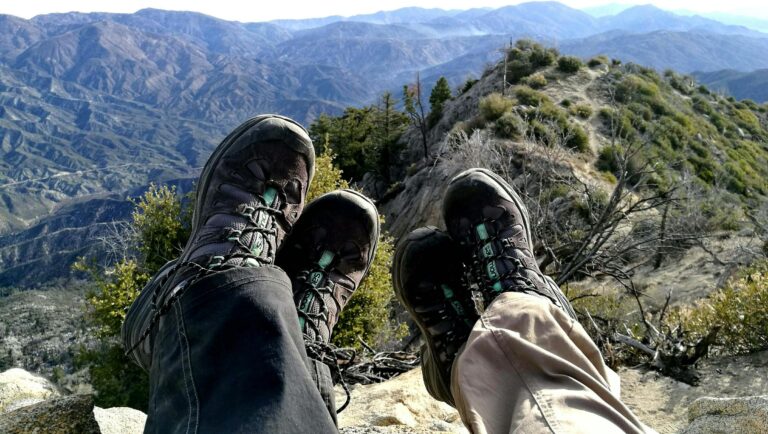
Burnout in a small town isn’t quieter than burnout in a city. It’s just harder to hide from. When the environment around you slows down and strips away the noise, what’s left is you and whatever you’ve been carrying. That’s what I’ve come to think of as the Burnout Grill Milliken experience, that particular collision between a person who’s been running too hard and a place or moment that finally makes them stop.
Burnout doesn’t announce itself cleanly. It accumulates. And for introverts especially, it often accumulates in silence, underneath a performance of competence that nobody around us questions because we’ve gotten very good at maintaining it.

If you’re working through burnout right now, or wondering whether what you’re feeling qualifies, the full picture lives in our Burnout & Stress Management hub, where we’ve covered everything from early warning signs to long-term recovery patterns. What I want to do here is something a little different: explore what burnout actually feels like from the inside, not as a checklist of symptoms, but as a lived experience that changes the way you relate to yourself.
Why Does Burnout Feel Different for Introverts?
There’s a version of burnout that gets talked about in management seminars and wellness newsletters. It’s usually framed around overwork, poor boundaries, and the need for better self-care habits. That framing isn’t wrong, but it misses something important about how introverts experience the condition.
What’s your personality type?
Take our free 40-question assessment and get a detailed personality profile with dimension breakdowns, context analysis, and personalised insights.
Discover Your Type8-12 minutes · 40 questions · Free
For most of my agency years, I ran on a particular kind of fuel. I was good at the work. Strategy, brand architecture, long-form thinking about what a client’s business actually needed rather than what they thought they wanted. That depth of engagement energized me. What drained me was everything surrounding the work: the constant availability, the open-door culture I’d built because I thought good leaders were always accessible, the client dinners that stretched past 10 PM, the team check-ins that could have been emails.
I didn’t recognize burnout when it arrived because I was still producing. My output looked fine from the outside. Campaigns were shipping, clients were renewing, the agency was growing. What was quietly collapsing was my internal reserve, the part of me that needed solitude to process, to think, to actually be present in my own life.
Psychology Today’s exploration of introversion and the energy equation captures something I’ve felt in my bones for years: social interaction costs introverts energy in a way it simply doesn’t cost extroverts. That’s not a weakness. It’s a wiring difference. But when you build a career, a leadership style, and a professional identity around ignoring that difference, the debt eventually comes due.
For introverts, burnout often isn’t about doing too much work. It’s about doing too much of the wrong kind of engagement, the kind that depletes rather than restores, for too long without adequate recovery.
What Does the Accumulation Actually Look Like?
One of the most disorienting things about burnout is how gradual it is. You don’t wake up one morning transformed. You wake up one morning and realize the transformation happened somewhere in the previous eighteen months and you missed it entirely.

For me, the accumulation had a texture. It started with what I can only describe as a flattening of interest. Things that used to genuinely fascinate me, competitive brand strategy, the psychology of consumer behavior, mentoring younger creatives, started to feel like obligations. I was still doing them. I was still doing them well, by most external measures. But the internal experience had changed. Where there used to be curiosity, there was just effort.
Then came the irritability. I’m an INTJ, so I’ve never been the warmest person in a room, but I’ve always been fair and genuinely invested in the people I worked with. During that period, I noticed myself becoming short in ways I didn’t like. A junior strategist would ask a reasonable question and I’d feel something close to resentment, not at her, but at the fact that I had to be present for one more interaction.
The third stage was the cognitive fog. This one scared me most, because my mind is where I live. As an INTJ, my internal processing is my primary tool. When that started to feel sluggish, when I’d sit down to write a brand brief and find the thoughts weren’t connecting the way they usually did, I knew something was genuinely wrong.
What the research published in PubMed Central on occupational burnout describes as depersonalization, that sense of emotional distance from your work and the people in it, maps closely to what I experienced. It’s not depression exactly. It’s more like watching yourself from a slight remove, going through motions that used to feel meaningful.
Many introverts I’ve spoken with describe the same progression: first the flattening, then the irritability, then the cognitive disruption. The order might vary, but the pattern is consistent. And because introverts tend to process internally rather than externally, the people around us often don’t notice until we’re already deep in it.
How Do You Know When You’ve Crossed Into Chronic Territory?
There’s a meaningful difference between burnout that responds to rest and burnout that has settled into something more structural. I’ve written elsewhere about chronic burnout and why recovery sometimes never fully comes, and it’s worth being honest about that distinction here.
Acute burnout, the kind that follows an intense project or a particularly demanding season, usually responds to a genuine break. You take time off, you sleep, you do things that restore you, and after a few weeks you start to feel like yourself again. The interest comes back. The cognitive sharpness returns. You can engage with people without it costing you everything.
Chronic burnout doesn’t respond that way. You take the vacation and come back feeling roughly the same. You sleep more and still feel depleted. The restoration that used to happen naturally has stopped working. That’s when burnout has moved from a temporary state into something that’s reorganized your baseline.
I hit that wall about three years into what I now recognize as a sustained burnout cycle. I took a two-week break between major client pitches, something I’d never done before, and fully expected to come back recharged. I came back slightly less exhausted. That was it. The gap between what rest was giving me and what I needed to actually function well had become too wide to close with a vacation.
If that sounds familiar, the Frontiers in Psychology work on burnout persistence offers some important context about why the condition becomes self-reinforcing over time. The short version: prolonged burnout changes how your nervous system responds to stress, making recovery progressively harder without structural changes to the conditions that caused it.
What Does Recovery Actually Require?
Genuine recovery from burnout, not just temporary relief but actual restoration, requires more than most people expect. And it requires different things depending on your personality type, your specific burnout triggers, and how long the depletion has been building.

For introverts, recovery almost always has a solitude component. Not isolation, but genuine, unstructured alone time where you’re not performing, not producing, not being available to anyone. Time where your mind can do what it naturally does: process, integrate, make meaning from experience at its own pace.
The American Psychological Association’s overview of relaxation techniques points to something I’ve found genuinely useful: the physiological component of recovery matters as much as the psychological one. Your nervous system needs to actually downregulate, not just be told to relax. For me, that meant learning to sit with discomfort when I first stopped filling every moment with activity, because the stillness initially felt worse before it felt better.
Beyond the immediate restoration work, there’s the question of what changes need to happen structurally. This is where a lot of burnout recovery efforts fail. People rest, feel somewhat better, and return to exactly the same conditions that depleted them, expecting different results. That cycle is exhausting in its own right.
After my own extended burnout period, I spent a long time thinking about work boundaries that actually hold after burnout, because I’d tried setting boundaries before and they’d dissolved within weeks. The difference between boundaries that stick and boundaries that don’t usually comes down to whether they’re structural or just aspirational. Aspirational boundaries are things you intend to do. Structural boundaries are things that are genuinely difficult to violate because you’ve changed the system around them.
For me, that meant ending the open-door culture I’d built. It meant blocking two hours every morning that were protected for deep work, with my assistant holding that time against all but genuine emergencies. It meant stopping client dinners at a hard cutoff and being honest with myself that the relationship damage from leaving at 8 PM was always less than I feared.
Why Do Introverts Resist Asking for Help During Burnout?
There’s a particular kind of pride that runs through a lot of introverts, especially introverts who’ve built successful careers in environments that weren’t designed for them. We’ve spent years proving we can handle things. We’ve developed workarounds for every situation that required more social energy than we naturally had. We’ve become very good at looking like we’re fine.
That competence becomes a trap during burnout. Asking for help feels like admitting the performance was always a performance, that we were never as capable as we appeared. It also requires vulnerability in a context, the workplace, where vulnerability has historically cost us.
I watched this play out in my own team over the years. I managed several introverted strategists and creatives who were clearly struggling, and every single one of them waited far too long to say anything. One of my senior strategists, a deeply introverted woman who produced some of the best brand thinking I’ve ever seen, spent nearly a year running on empty before she finally came to me. By then, she was considering leaving the industry entirely.
What I’ve come to understand, partly from watching her and partly from my own experience, is that asking for help during burnout isn’t weakness. It’s information management. You’re not confessing inadequacy. You’re giving the people around you accurate data about what you need to keep functioning at the level everyone, including you, wants you to function at.
The PubMed Central research on social support and burnout recovery is worth sitting with here. Social connection, even for introverts who find it depleting in large doses, plays a meaningful role in recovery. The type of connection matters enormously. Deep, one-on-one conversations with people who actually understand you are restorative in a way that group socializing simply isn’t. That distinction changes the recovery equation significantly.
What Role Does Personality Type Play in How Burnout Develops?
Not all burnout looks the same, and a meaningful part of that variation comes from personality type. The triggers, the warning signs, the recovery needs, and the structural changes that actually help are all shaped by how a person is fundamentally wired.

As an INTJ, my burnout was heavily driven by cognitive overload and the depletion of my strategic thinking capacity. What I needed most was unstructured mental space, time where I wasn’t solving problems for anyone. My burnout looked like a mind that had been running complex calculations for too long and needed to simply stop.
An INFJ on my team burned out differently. She absorbed the emotional weight of every client relationship and every team conflict. Her recovery required emotional detachment in a way mine didn’t. An ISFP creative director I worked with for several years burned out from creative constraint, from years of producing work that served brand guidelines rather than genuine artistic instinct. His recovery required creative freedom, not just rest.
Our full breakdown of burnout prevention strategies by personality type goes into this in detail, because understanding your specific type’s vulnerabilities is genuinely useful for building a life that doesn’t keep burning you down. Prevention is always more effective than recovery, and prevention requires knowing which specific conditions are most likely to deplete you.
It’s also worth noting that the introvert-extrovert spectrum isn’t binary. Some people genuinely sit in the middle, and their burnout patterns have their own particular character. Ambivert burnout often comes from the exhausting work of constantly calibrating, never quite sure which mode to be in, pushing too hard in both directions without the clear recovery cues that more clearly introverted or extroverted people have access to.
What Does Coming Back to Yourself Actually Feel Like?
Recovery from burnout isn’t a single moment. It’s more like a gradual return of signal. Things that were muted start to have sound again. Interest that had flattened starts to have texture. You notice yourself caring about something in a way that doesn’t feel forced.
For me, the first real sign of recovery was noticing that I was genuinely curious about a client’s problem again, not performing curiosity, not going through the motions of strategic engagement, but actually interested. That felt significant after months of just producing.
The second sign was that solitude stopped feeling like hiding and started feeling like restoration again. During burnout, I’d retreat to be alone not because it restored me but because I couldn’t face any more interaction. That’s a different thing entirely. Genuine introvert solitude is generative. Burnout solitude is just absence. When the generative quality came back, I knew something had shifted.
The practical side of that return matters too. There are concrete strategies that help introverts rebuild their stress tolerance and restore their nervous system’s capacity. The stress management strategies that actually work for introverts are worth exploring in detail, because generic advice about self-care often misses the specific things that restore introverted nervous systems versus extroverted ones.
One practice I found genuinely useful during recovery was the grounding technique described by the University of Rochester Medical Center, the 5-4-3-2-1 sensory method for bringing yourself back to the present moment when anxiety or overwhelm is spiking. It sounds almost too simple, but the physiological interruption it creates is real. When your nervous system is in a chronic stress state, having a reliable way to downregulate in the moment matters.
What Happens When You Return to Work After Burnout?
Returning to work after a genuine burnout is one of the more delicate transitions an introvert can make. Go back too fast and you risk rebuilding the same conditions that broke you down. Go back without structural changes and the recovery you worked for starts eroding within weeks.

What I’ve found, both personally and in watching others go through this, is that the return needs to be paced differently than most workplaces expect. There’s often implicit pressure to come back at full capacity immediately, to pick up where you left off, to demonstrate that you’re fine now. That pressure is worth resisting.
A phased return, where you gradually rebuild your exposure to the most depleting aspects of your work, is more sustainable than a full immediate return. Start with the work that energizes you. Protect the recovery practices you’ve built. Be honest with yourself, even if you can’t be fully honest with your workplace, about what you can actually sustain.
Our guide on returning to work after burnout by personality type addresses this in practical terms, because the specific accommodations that help an INTJ return sustainably are genuinely different from what helps an ENFP or an ISFJ. The type-specific lens matters here.
The academic research on burnout and workplace reintegration supports what many practitioners have observed: returning without addressing the systemic factors that caused burnout significantly increases the likelihood of relapse. The work environment matters. The role design matters. The culture of availability and the expectations around response time matter. These aren’t personal failings to be managed through better coping. They’re conditions to be changed.
What I’d tell my younger self, the version who ran agencies with the quiet conviction that I could just push through anything if I was disciplined enough, is that sustainability isn’t a soft concern. It’s a strategic one. A leader who burns out and becomes a diminished version of themselves serves nobody well, not their team, not their clients, not their own long-term goals. Building a career that you can actually maintain over decades requires understanding your limits and designing around them, not despite them.
There’s more to explore across all of these threads in our complete Burnout & Stress Management hub, where the full range of burnout topics lives together in one place.
Curious about your personality type?
Our free MBTI assessment goes beyond the four letters. Get a full breakdown of your scores, see how your type shows up at work and in relationships.
Take the Free Test8-12 minutes · 40 questions · Free
About the Author
Keith Lacy is an introvert who’s learned to embrace his true self later in life. After 20 years in advertising and marketing leadership, including running agencies and managing Fortune 500 accounts, Keith now channels his experience into helping fellow introverts understand their strengths and build fulfilling careers. As an INTJ, he brings analytical depth and authentic perspective to every article, drawing from both professional expertise and personal growth.
Frequently Asked Questions
What makes burnout different for introverts compared to extroverts?
Introverts tend to burn out from sustained social and interpersonal demands rather than from workload alone. Because social interaction costs introverts energy rather than generating it, environments that require constant availability, frequent meetings, and high interpersonal engagement deplete introverts at a rate that similar environments don’t deplete extroverts. The recovery needs are also different: introverts generally need solitude and unstructured mental space to restore, while extroverts often recover through social engagement.
How do you know if your burnout has become chronic rather than acute?
Acute burnout typically responds to genuine rest. You take time away, sleep, engage in restorative activities, and feel meaningfully better within a few weeks. Chronic burnout doesn’t respond that way. Rest provides minimal relief, recovery feels incomplete even after extended breaks, and your baseline functioning has shifted downward in ways that don’t self-correct. If you’ve taken significant time off and returned feeling roughly the same, that’s a signal worth taking seriously.
Can introverts recover from burnout without changing their work environment?
Personal recovery practices matter and can provide meaningful relief, but recovery without structural change rarely holds long-term. If the conditions that caused burnout remain unchanged, returning to them after a period of rest typically restarts the depletion cycle. Sustainable recovery usually requires some combination of role redesign, boundary restructuring, reduced availability expectations, and a more honest alignment between the work environment and the introvert’s actual energy needs.
What are the early warning signs of burnout that introverts often miss?
Introverts often miss burnout’s early signals because they’re accustomed to managing their energy quietly and independently. Common early signs include a flattening of genuine interest in work that previously engaged you, increasing irritability in interpersonal situations, cognitive sluggishness or difficulty with complex thinking, and solitude that feels like hiding rather than restoration. Because introverts tend to process internally, these signs may not be visible to colleagues, making self-awareness especially important.
Does personality type affect what burnout recovery actually looks like?
Yes, significantly. Different personality types have different burnout triggers and different recovery needs. An INTJ burned out from cognitive overload needs unstructured mental space. An INFJ burned out from absorbing others’ emotional weight needs emotional detachment and distance from interpersonal demands. An ISFP burned out from creative constraint needs freedom and expressive outlet. Understanding your specific type’s vulnerabilities and recovery needs makes both prevention and recovery considerably more effective than generic approaches.