
Camera shyness phobia sits at a confusing intersection of fear, self-consciousness, and personality, and most people who experience it have no idea which of those forces is actually driving the discomfort. At its most basic level, camera shyness describes a strong aversion to being photographed or filmed, one that goes beyond mild awkwardness into something that genuinely disrupts daily life. What makes it complicated is that introversion, social anxiety, and specific phobia can all produce similar-looking behavior on the surface while being very different things underneath.
Separating these threads matters, because the way you address camera shyness depends entirely on what is actually causing it. An introvert who dislikes being photographed because cameras feel like an intrusion on their inner world needs a completely different approach than someone whose fear of cameras is rooted in clinical anxiety or a traumatic experience with public exposure.
Before we get into what camera shyness actually is and where it comes from, it helps to understand the broader landscape of personality and temperament. Our Introversion vs Other Traits hub explores how introversion intersects with anxiety, shyness, sensitivity, and other traits that often get lumped together. Camera shyness is a perfect case study in why those distinctions matter so much.
What Is Camera Shyness Phobia, Really?
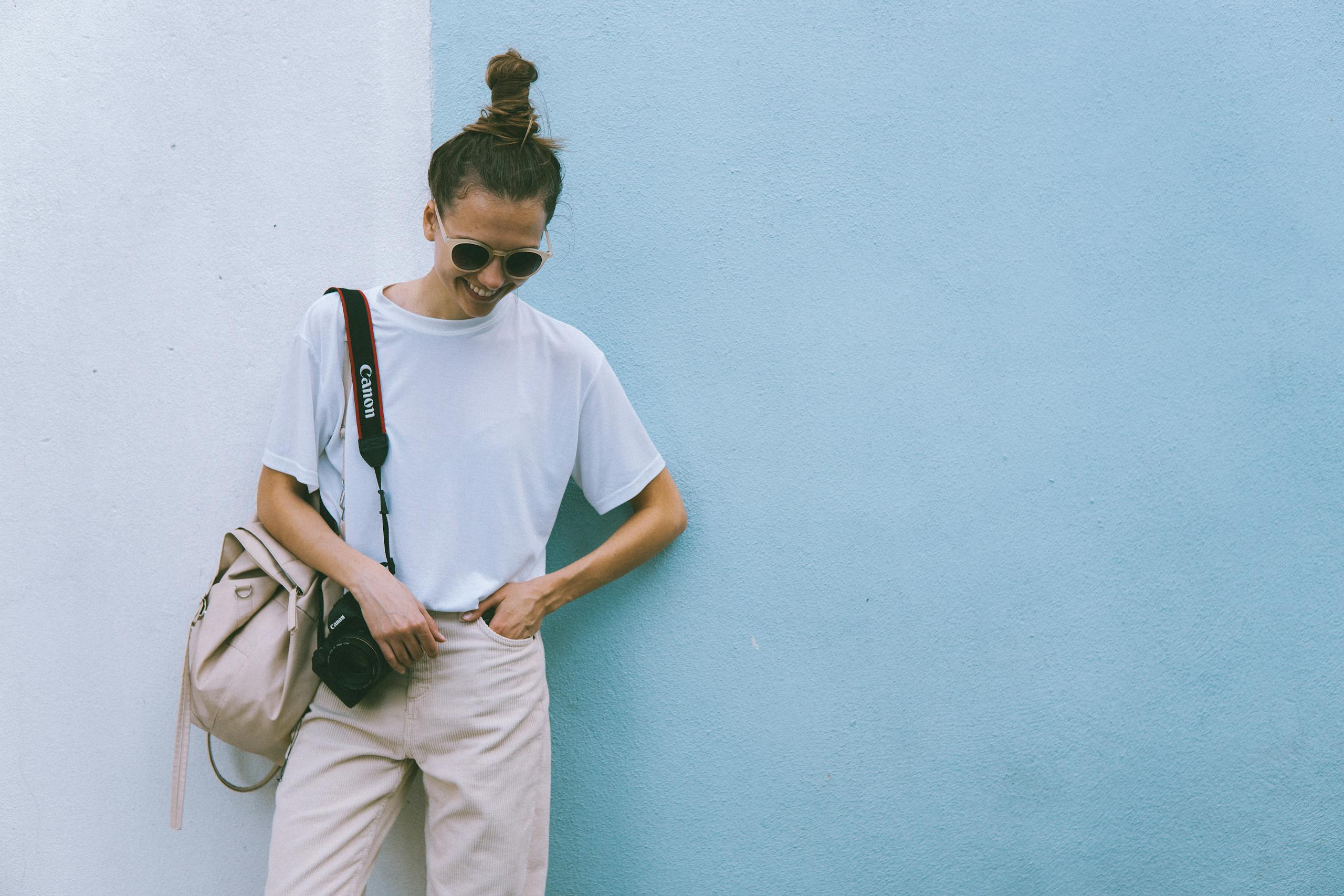
Camera shyness exists on a spectrum. On one end, you have people who simply prefer not to be in photos, who feel mildly self-conscious when a camera appears, and who would rather observe than be observed. On the other end, you have something closer to a clinical condition: a persistent, intense fear of being photographed or filmed that triggers genuine panic, avoidance behavior, and significant distress.
Career Coaching for Introverts
One-on-one career strategy sessions with Keith Lacy. 20 years of Fortune 500 leadership as an introvert, now helping others build careers that work with their wiring.
Learn More50-minute Zoom session · $175
The clinical term sometimes associated with the more severe end of this spectrum is scopophobia, a fear of being watched or stared at. Cameras, by their nature, represent a concentrated form of being watched, not just by the person holding the device but by every future viewer of that image. For someone with scopophobia, a camera is not just an object. It is a portal to an audience they cannot control or predict.
I ran advertising agencies for more than two decades, and cameras were everywhere in that world. Photo shoots, video productions, client presentations being recorded, team headshots. I watched people across the full range of camera comfort, from the art director who practically preened for every lens to the account strategist who would physically leave the room when a camera appeared. What struck me was how different the underlying reasons were, even when the behavior looked identical from the outside.
Some people avoided cameras because they were deeply introverted and found the act of being captured and displayed profoundly uncomfortable. Others avoided them because of social anxiety that had nothing to do with introversion. A few had specific experiences, a humiliating photo that circulated without their consent, a video that was used against them, that had created something closer to a trauma response. Same behavior, completely different roots.
How Does Introversion Actually Connect to Camera Discomfort?
Introversion is about where you direct your energy and attention, not about fear. An introvert recharges through solitude and internal reflection. They tend to prefer depth over breadth in social interaction, and they often find sustained external attention draining rather than energizing. A camera, in that context, becomes a symbol of unwanted external focus.
When a camera appears in a group setting, it signals a shift from private to public, from internal to external, from being a person to being a subject. For many introverts, that shift feels jarring in a way that is hard to articulate. It is not fear exactly. It is more like a violation of the natural orientation toward inwardness.
As an INTJ, I process most of my experience internally before I ever share it externally. A camera demands the opposite: it captures the external surface before any internal processing has happened. The image exists whether or not I have had a chance to consider what I want to communicate or how I want to be seen. That loss of control over self-presentation is genuinely uncomfortable for many introverts, and especially for INTJs who tend to be deliberate and precise about how they present themselves.
That said, introversion alone does not cause camera shyness phobia. Plenty of deeply introverted people are perfectly comfortable in front of cameras, particularly when they feel they have some control over the context. And plenty of extroverts experience significant camera anxiety. Understanding where you fall on the introversion spectrum is one piece of the puzzle, not the whole picture. If you are curious about your own placement, the Introvert Extrovert Ambivert Omnivert Test is a useful starting point for understanding your baseline tendencies.
Where Does Social Anxiety Fit Into This Picture?
Social anxiety is a clinical condition characterized by intense fear of social situations where one might be scrutinized, judged, or embarrassed. It is not a personality trait. It is an anxiety disorder, and it can affect introverts and extroverts alike. The confusion between introversion and social anxiety is one of the most persistent misunderstandings in popular psychology.
Camera shyness that stems from social anxiety tends to have specific features. The fear is usually centered on negative evaluation: what will people think when they see this photo? Will I look foolish? Will people judge my appearance, my expression, my body? The anxiety is anticipatory, meaning it kicks in before the camera even appears, and it often persists afterward in the form of rumination about how the image might be perceived.
The research published in PubMed Central on social anxiety has consistently shown that fear of negative evaluation is a core mechanism driving avoidance behavior in social situations. Cameras amplify this mechanism because they create a permanent, shareable record of a moment that the person cannot revise or contextualize after the fact.
One of the account managers I worked with at my last agency had what I now recognize as genuine social anxiety. She was actually quite sociable in one-on-one conversations, warm and funny and deeply perceptive. But the moment a camera appeared at a company event, something shifted in her. She would become visibly tense, find reasons to step away, or position herself at the edge of group photos where she could half-disappear. It was not introversion. She loved being around people. It was a specific fear of being evaluated through an image she could not control.
Understanding what extroverted actually means helps clarify this distinction. Extroversion is about energy orientation and social engagement, not about comfort with being observed or photographed. An extrovert can be deeply camera shy. An introvert can be completely at ease in front of a lens. Personality type and anxiety level are separate variables.
What Makes Camera Shyness Cross Into Phobia Territory?
Not every aversion to cameras qualifies as a phobia. A phobia, in the clinical sense, involves a persistent and excessive fear that is disproportionate to the actual danger, that triggers immediate anxiety responses, and that leads to significant avoidance behavior. When camera shyness reaches this level, it starts to interfere with professional opportunities, personal relationships, and quality of life in meaningful ways.
Consider what cameras represent in modern life. Professional headshots are expected in most industries. Video calls have become standard in remote work environments. Social media presence is increasingly tied to professional visibility. Family gatherings are documented photographically. When someone’s aversion to cameras is severe enough to make them avoid all of these contexts, the impact on their life is real and significant.
I have seen this play out professionally. A brilliant strategist I worked with refused every speaking engagement that involved being filmed. She turned down panel opportunities, podcast invitations, and eventually a significant promotion that would have required her to be the public face of a division. Her camera aversion was not mild discomfort. It was shaping the entire arc of her career, and she was not even fully aware of how much ground she was ceding because of it.
The line between preference and phobia is drawn at impact. Preferring not to be in photos is a personality characteristic. Restructuring your professional life to avoid cameras is a phobia, and it deserves to be addressed with the same seriousness as any other anxiety condition. According to findings in PubMed Central on anxiety and avoidance, the avoidance behaviors that develop around phobias tend to reinforce and intensify the fear over time rather than reducing it.
Does Your Position on the Introversion Spectrum Change Your Experience of Camera Shyness?
Yes, and in ways that are worth examining carefully. Someone who is fairly introverted might experience mild camera discomfort that they can push through when the context demands it. Someone who is extremely introverted might find the same situation genuinely exhausting and dysregulating, not because they are anxious, but because the external demand on their attention and self-presentation runs counter to their fundamental wiring.
The distinction between fairly introverted and extremely introverted matters here because it affects both the intensity of camera discomfort and the strategies that will actually help. A fairly introverted person might find that preparation, familiarity with the photographer, and a clear sense of purpose behind the image are enough to make camera situations manageable. An extremely introverted person might need more significant accommodations and a deeper understanding of what specifically triggers their discomfort.
There is also an interesting wrinkle when you consider people who do not fit neatly into the introvert or extrovert categories. Ambiverts and omniverts, people who move fluidly between social modes or who shift dramatically based on context, can have particularly complex relationships with cameras. The difference between omniverts and ambiverts is worth understanding here, because an omnivert who is in an introverted phase might experience camera situations very differently than when they are in an extroverted phase.
I have noticed this in my own experience. On days when I am running on empty, socially depleted from a week of client presentations and team meetings, a camera appearing at a company event feels like one more demand on a system that has nothing left to give. On days when I am rested and operating from a place of genuine engagement, the same camera is simply a camera. My fundamental introversion has not changed. My capacity to manage the external demand has.
How Do Cultural and Professional Contexts Shape Camera Fear?
Camera shyness does not develop in a vacuum. The cultural and professional environments we move through shape our relationship with being photographed in ways we often do not examine consciously.
In advertising, the camera was a tool of commerce. Images were currency. Being comfortable in front of a camera was implicitly coded as competence, confidence, and leadership readiness. I watched this play out in subtle and not-so-subtle ways throughout my career. The people who were visibly uncomfortable on camera were sometimes passed over for opportunities not because their work was weaker, but because camera comfort had become a proxy for a certain kind of professional presence.
That conflation is worth pushing back on. Psychology Today’s exploration of introvert communication styles makes the point that depth of thought and quality of contribution are not the same as comfort with being observed. An introvert who thinks carefully, communicates precisely, and builds genuine relationships is not less valuable because they prefer not to be on camera. The camera-as-competence equation is a cultural artifact, not an objective measure of anything meaningful.
At the same time, the professional reality is that camera presence has become increasingly unavoidable. Remote work has made video calls standard. Content marketing has made personal brand visibility a genuine career asset. Ignoring this reality does not make it go away. What helps is developing a more accurate understanding of what camera discomfort actually is, so that the approach to addressing it can be appropriately targeted.
If you are someone who moves between social modes depending on context, understanding your own patterns is genuinely useful here. The introverted extrovert quiz can help clarify whether your camera discomfort shifts based on social context, which tells you something important about whether the issue is primarily about introversion, anxiety, or situational factors.
What Actually Helps When Camera Shyness Is Getting in Your Way?
The answer depends almost entirely on the source of the discomfort. Treating introvert-based camera discomfort the same way you would treat a clinical phobia is both unnecessary and counterproductive. Equally, treating a genuine anxiety disorder as a simple personality preference leaves the underlying condition unaddressed.
For introverts whose camera discomfort is primarily about the loss of internal control over self-presentation, the most effective strategies tend to involve reclaiming some of that control. Knowing the purpose of the image, having input into how it will be used, working with a photographer who communicates clearly and gives you time to settle into the environment, choosing contexts where you feel genuinely engaged rather than simply displayed. These are not workarounds. They are legitimate accommodations for a real cognitive and emotional preference.
I made a deliberate practice of this in my agency years. When we needed leadership photos for pitches or press, I would schedule them on mornings when I had no other demands on my attention. I would spend time beforehand doing the kind of internal preparation that grounds me: reviewing what I wanted the image to communicate, thinking about the context in which it would appear, getting clear on the professional story I was telling. That preparation made a significant difference. Not because it eliminated discomfort, but because it gave my INTJ brain enough structure and purpose to work with.
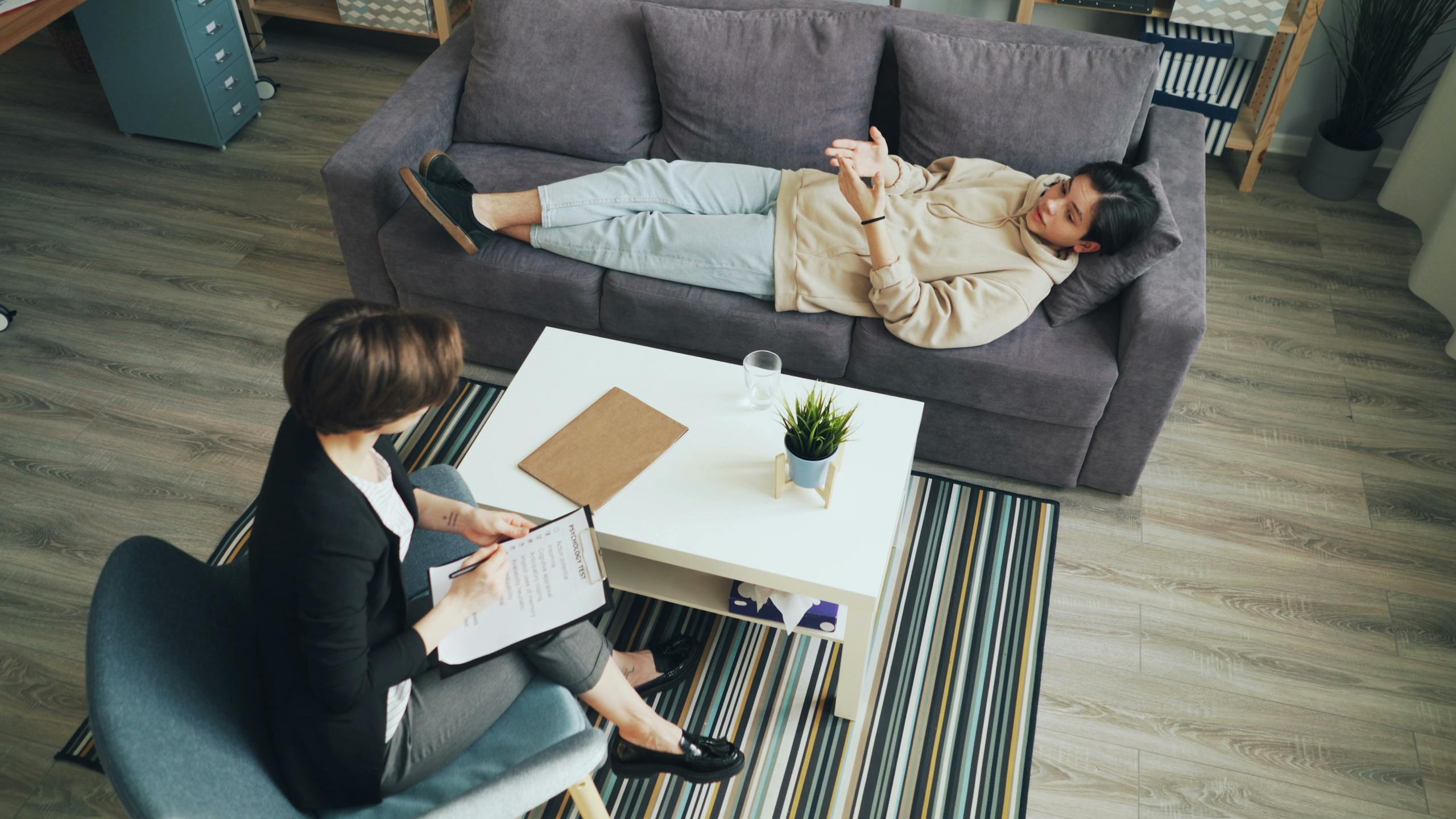
For people whose camera shyness is rooted in social anxiety, the most evidence-based approaches involve gradual exposure combined with cognitive work around the fear of negative evaluation. This is the territory of a good therapist, not a personality quiz. Frontiers in Psychology has published work on anxiety and avoidance patterns that underscores why simply forcing yourself through camera situations without addressing the underlying cognitive patterns tends to reinforce rather than reduce the fear.
For people whose camera aversion crosses into phobia territory, professional support is the appropriate response. A therapist who works with anxiety disorders can help identify the specific mechanisms driving the fear and build a structured approach to reducing it. Point Loma’s counseling resources offer useful context on how psychological support can be tailored to different personality types and anxiety presentations.
One thing that helps across all of these situations is understanding that camera discomfort is not a character flaw. It is not weakness, vanity, or professional inadequacy. It is a response, and like all responses, it has a source that can be identified and worked with. The people I have seen make the most progress with camera anxiety are the ones who got curious about what was actually driving it, rather than simply berating themselves for having it.
Is There a Meaningful Difference Between Otroverts and Ambiverts When It Comes to Camera Comfort?
This is a question worth sitting with, because the answer reveals something interesting about how personality type interacts with situational anxiety. The distinction between otroverts and ambiverts comes down to consistency versus context-dependence. An ambivert tends to have a moderate and relatively stable level of introversion and extroversion. An otrovert shifts more dramatically based on the situation.
In the context of camera shyness, this distinction matters because it affects predictability. An ambivert with moderate camera discomfort will likely experience that discomfort fairly consistently across situations. An otrovert might be completely comfortable in front of a camera in one context, say a creative brainstorm being filmed for internal use, and genuinely distressed in another, like a formal headshot session with a stranger.
That variability can be confusing, both to the person experiencing it and to the people around them. The otrovert who was fine on camera last month and is now refusing a video call might seem inconsistent or difficult. What is actually happening is that the situational variables have shifted enough to change their experience entirely. Understanding this pattern, rather than treating it as irrational, opens up more productive conversations about what makes specific camera situations manageable and what makes them genuinely difficult.
In my agency, I worked with a creative director who operated exactly this way. In the context of client presentations where she was in her element, confident and deeply knowledgeable, she was magnetic on camera. Put her in a formal headshot session where she felt like an object being documented rather than a professional being captured, and she would shut down completely. Same person, same camera, completely different response based on whether she felt like a subject or a contributor. That is not inconsistency. That is a person with a specific and understandable relationship to being observed.
If you are trying to understand your own patterns around camera comfort and social orientation, the Rasmussen resource on marketing for introverts offers some practical perspective on how personality type affects comfort with visibility and self-promotion, which is closely related to camera comfort in professional contexts.
What Camera Shyness Can Teach You About Yourself
There is a version of this conversation that stays entirely in the practical lane: here is what camera shyness is, here is how to manage it, here is when to get help. That is useful. But there is also something worth sitting with at a deeper level.
Your relationship with cameras tells you something about your relationship with being seen. And your relationship with being seen tells you something about how you understand your own value. Many introverts, myself included, have spent years operating from an implicit belief that our worth is located in what we produce and think, not in how we appear or how we are perceived. Cameras feel threatening partly because they prioritize the surface, the visible, the immediate, over the depth and deliberation that introverts tend to value most.
Sitting with that discomfort, rather than simply avoiding it, can be genuinely illuminating. Not because you should force yourself to love cameras, but because understanding what specifically bothers you about being photographed gives you information about your values, your boundaries, and the conditions under which you do your best work and feel most like yourself.
I spent a long time in my career trying to perform a version of professional presence that was fundamentally at odds with how I actually process and contribute. The camera was just one arena where that tension showed up. Coming to terms with my introversion, understanding it as a genuine strength rather than a professional liability, changed my relationship not just with cameras but with every form of external visibility. The discomfort did not disappear. My understanding of it changed, and that made all the difference.
If you want to explore more about how introversion intersects with traits like anxiety, shyness, and social orientation, our complete Introversion vs Other Traits hub is a good place to keep reading. The distinctions covered there are the foundation for understanding your own patterns more clearly.
About the Author
Keith Lacy is an introvert who’s learned to embrace his true self later in life. After 20 years in advertising and marketing leadership, including running agencies and managing Fortune 500 accounts, Keith now channels his experience into helping fellow introverts understand their strengths and build fulfilling careers. As an INTJ, he brings analytical depth and authentic perspective to every article, drawing from both professional expertise and personal growth.
Frequently Asked Questions
Is camera shyness the same as introversion?
No, camera shyness and introversion are not the same thing, though they can overlap. Introversion is a personality trait about energy orientation and a preference for internal processing over external stimulation. Camera shyness is a specific aversion to being photographed or filmed. Many introverts experience some degree of camera discomfort because cameras demand external self-presentation in a way that conflicts with their natural inward orientation. Yet plenty of introverts are comfortable on camera, and plenty of extroverts are genuinely camera shy. The two traits are related but independent.
When does camera shyness become a phobia?
Camera shyness crosses into phobia territory when the fear is persistent, excessive relative to the actual situation, and causes significant disruption to daily life, professional opportunities, or personal relationships. If you are restructuring your career to avoid being filmed, declining important opportunities because they involve video, or experiencing intense anxiety responses like panic, racing heart, or overwhelming dread when cameras appear, that level of avoidance and distress warrants professional attention rather than simple self-management strategies.
What is scopophobia and how does it relate to camera shyness?
Scopophobia is the fear of being watched or stared at. Cameras are closely related to scopophobia because being photographed or filmed is a concentrated form of being observed, not just by the person behind the lens but by every future viewer of that image. Someone with scopophobia may find cameras particularly distressing because they represent sustained, permanent, and potentially widespread observation. Camera shyness that is rooted in scopophobia tends to be more severe than garden-variety discomfort with photos and often benefits from therapeutic support.
Can social anxiety cause camera shyness even in extroverts?
Absolutely. Social anxiety is an anxiety disorder, not a personality trait, and it can affect people across the full introversion-extroversion spectrum. An extrovert with social anxiety might be energized by social interaction generally while still experiencing significant fear around being photographed or filmed, particularly if the anxiety centers on being evaluated or judged through a permanent image. Camera shyness in extroverts is often a signal that the issue is anxiety-based rather than personality-based, which points toward different and more targeted approaches for addressing it.
What practical strategies help introverts manage camera discomfort in professional settings?
Several approaches tend to help introverts specifically. Knowing the purpose and context of the image in advance gives the introvert’s internal processing system something concrete to work with. Choosing low-demand moments for camera situations, when you are not already depleted from social interaction, makes a genuine difference in capacity. Working with photographers or video producers who communicate clearly, give you time to settle into the environment, and treat the session as collaborative rather than extractive also reduces the sense of being a passive subject. Preparation and a clear sense of purpose are the two variables that consistently make camera situations more manageable for people with strong introvert tendencies.