
Yes, introverts can absolutely hate being alone for extended periods of time. Introversion describes how you process energy and information, not how much human connection you need. Many introverts discover, often with considerable confusion, that prolonged solitude stops feeling restorative and starts feeling hollow, even painful.
The tension between craving quiet and dreading isolation is one of the most misunderstood aspects of introvert psychology. It doesn’t mean you’re not a “real” introvert. It means you’re human.
Much of what I write about here at Ordinary Introvert sits within a broader conversation about how we rest, recharge, and care for ourselves. If you want to explore that conversation more fully, the Solitude, Self-Care and Recharging hub pulls together everything I’ve written on the topic, and it’s a good place to start if you’re trying to figure out what kind of alone time actually works for you.
Why Do So Many Introverts Assume They Should Love Being Alone?
There’s a popular version of introversion that gets passed around online. It shows up in memes, personality quizzes, and well-meaning blog posts. The introvert in this version is perfectly content curled up alone with a book and a cup of tea, relieved when plans get cancelled, happiest in complete solitude. That image resonates with a lot of us, at least some of the time.
What’s your personality type?
Take our free 40-question assessment and get a detailed personality profile with dimension breakdowns, context analysis, and personalised insights.
Discover Your Type8-12 minutes · 40 questions · Free
But it’s an incomplete picture, and for many introverts, it becomes a kind of quiet pressure. If I’m a real introvert, shouldn’t I be fine on my own? Shouldn’t I prefer this?
I ran advertising agencies for over two decades. The nature of that work meant I was surrounded by people constantly. Clients, creative teams, account managers, production staff. As an INTJ, I found a lot of that interaction genuinely draining. I needed time to decompress, to think without interruption, to process the day’s decisions without someone else’s energy in the room. Solitude wasn’t a luxury. It was operational.
So when I eventually stepped back from that world, I expected to feel relieved. More space, more quiet, more of what I thought I’d always wanted. What I didn’t expect was that after a few weeks, the silence started to feel less like peace and more like something was missing. Not the meetings, not the client calls, not the noise. Something else. Something harder to name.
That experience taught me something important: needing solitude and needing connection are not opposites. They coexist in most of us, including introverts, and the balance between them shifts depending on circumstances, life stage, and emotional state.
What’s the Difference Between Solitude and Loneliness?
This is where the conversation gets more nuanced, and more honest. Solitude is chosen. Loneliness isn’t. One feels spacious. The other feels like being locked out of something you need.
Introverts tend to seek solitude because it genuinely restores them. Time alone allows the mind to settle, to process, to return to something that feels like itself. That’s real, and it’s well documented. The experience of solitude as an essential need is something many people with sensitive, inward-oriented temperaments recognize deeply.
But loneliness is a different animal entirely. Loneliness is the gap between the connection you have and the connection you need. And that gap can open up for introverts just as painfully as it does for anyone else, sometimes more so, because introverts often have fewer but deeper relationships. When those connections thin out or disappear, the absence is felt acutely.
Harvard researchers studying social health have noted that loneliness and isolation carry measurable physical and psychological consequences. The distinction between loneliness and isolation matters here. Isolation is a physical state. Loneliness is an emotional one. You can be surrounded by people and feel profoundly lonely, or you can be physically alone and feel completely at peace. Introverts know this distinction well, but it cuts both ways.
There was a period during a particularly difficult agency restructuring when I pulled back from almost everyone. I told myself I needed focus. I told myself the quiet would help me think clearly. And it did, for a while. But somewhere around week three of near-total social withdrawal, I noticed I was making worse decisions, not better ones. My thinking had become circular. I was processing the same problems over and over without any new input, any friction, any outside perspective to bump me out of my own loops. What I’d framed as restorative solitude had quietly become something else.
Does Introversion Actually Protect You From Loneliness?
A common assumption is that introverts are somehow more immune to loneliness because they don’t need as much social interaction. There’s a grain of truth in there. Introverts generally require less frequent social contact to feel connected. Quality matters more than quantity. A single meaningful conversation can sustain an introvert longer than a week of small talk sustains an extrovert.
But immunity? No. The CDC has identified social disconnection as a significant public health concern, and the risk factors don’t sort neatly by personality type. Introverts who go long stretches without meaningful connection, not just any interaction but genuine, substantive connection, are just as vulnerable to the effects of loneliness as anyone else.
What changes is the threshold, not the need. An introvert might feel fine after a week of solitude where an extrovert would be climbing the walls by day three. But extend that solitude to a month, six months, a year, and the introvert’s need for connection doesn’t disappear. It accumulates.
There’s also a cognitive dimension worth considering. Solitude can genuinely enhance creativity and independent thinking, as work published by the Greater Good Science Center at Berkeley has explored. But even that benefit has limits. The mind that never encounters another perspective eventually starts feeding on itself. The creative well runs dry without new input.
I watched this happen with a creative director I managed early in my career. Brilliant, deeply introverted, someone who produced his best work in isolation. He had a habit of disappearing for weeks at a time when working on a major campaign. At first, the work was extraordinary. But over time, as his isolation became more habitual and more total, the work started to narrow. The range shrunk. He was still technically excellent, but something had gone flat. It took an outside perspective, someone willing to push back on his ideas, to restore the edge. Connection wasn’t the enemy of his creativity. It was part of the fuel.
When Does Alone Time Stop Being Recharging and Start Being Avoidance?
This is a question worth sitting with honestly. One of the more uncomfortable truths about introversion is that our preference for solitude can sometimes become a shield. Not always. Not even usually. But sometimes, what feels like legitimate self-care is actually avoidance wearing comfortable clothes.
Genuine recharging feels like restoration. You come back to the world feeling more like yourself, more capable, more present. You’re not dreading the return to connection. You’re actually ready for it.
Avoidance feels different. The alone time extends without a natural endpoint. The thought of re-engaging feels heavy rather than manageable. You tell yourself you just need a little more time, and then a little more after that. The quiet that was once restorative starts to feel like a holding pattern.
Understanding what happens when introverts don’t get enough alone time is important, and real. That’s not in question. But the flip side is equally real: extended isolation can erode the very resilience that makes solitude valuable in the first place.
Psychological research published in peer-reviewed literature via PubMed Central has examined how voluntary solitude differs from involuntary isolation in its effects on wellbeing. The distinction matters enormously. Chosen solitude tends to support autonomy and self-reflection. Prolonged isolation, especially when it’s driven by fear or exhaustion rather than genuine preference, tends to do the opposite.
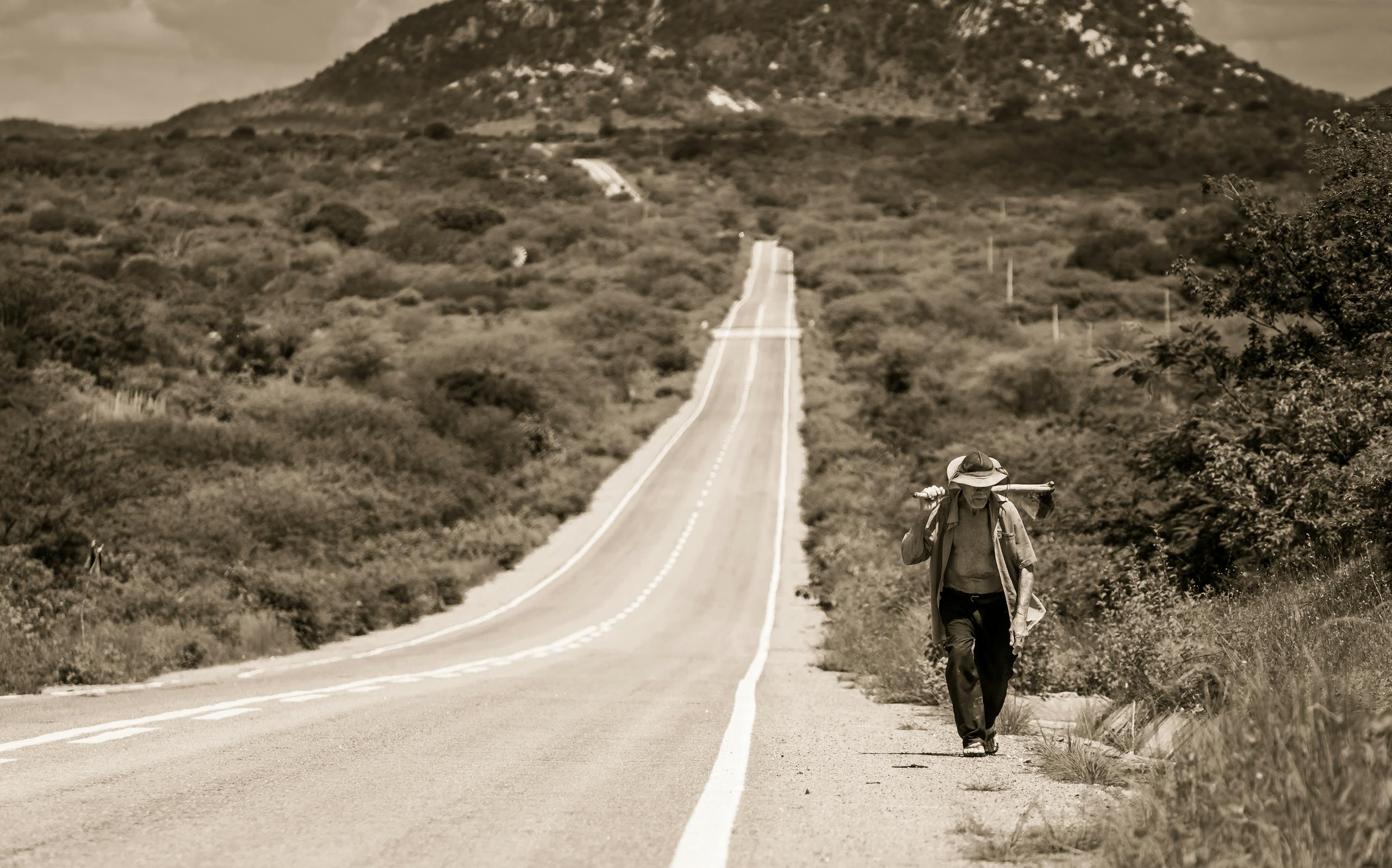
I’ve had to be honest with myself about this more than once. There were stretches in my agency years when I used “introvert recharging” as a justification for avoiding conversations I found difficult. A performance review I’d been putting off. A client relationship that needed a direct conversation. A partnership that was quietly falling apart. I told myself I needed more time to think, more space to prepare. What I actually needed was to stop hiding.
How Does This Show Up Differently for Highly Sensitive Introverts?
Many introverts also identify as highly sensitive people, sometimes called HSPs. The overlap between introversion and high sensitivity is significant, though they’re not the same thing. HSPs process sensory and emotional information more deeply than average, which can make both social interaction and solitude feel more intense.
For highly sensitive introverts, the discomfort of prolonged aloneness can be particularly acute. They may absorb the emotional texture of their environment, and when that environment is empty for too long, the absence itself becomes something felt rather than simply noticed. There’s a particular quality of quiet that stops being peaceful and starts being oppressive, and HSPs often reach that threshold faster than others.
At the same time, the remedies for loneliness need to be calibrated carefully for HSPs. A crowded social event isn’t the answer. Overstimulating environments can make things worse, not better. What tends to help is smaller, more intentional connection, and practices that support the nervous system without overwhelming it.
Building a foundation of daily self-care practices suited to HSP needs can make a real difference in how sustainable solitude feels. When the body and nervous system are well-tended, the mind handles aloneness more gracefully. When they’re depleted, even an hour of solitude can tip into something that feels more like emptiness than rest.
Sleep is another piece of this that often gets overlooked. Introverts who aren’t sleeping well tend to find solitude less restorative and connection more taxing. The relationship between sleep, rest, and emotional recovery for sensitive people is more significant than most of us realize. Poor sleep doesn’t just make you tired. It makes aloneness feel heavier and social interaction feel more costly, a combination that can quietly push someone toward more and more isolation.
What Actually Helps When Solitude Starts Feeling Like Too Much?
The answer isn’t to flood your calendar with social obligations. That approach tends to backfire for introverts because it swings too far in the other direction, and the resulting exhaustion just reinforces the pull toward isolation. What helps is more intentional than that.
Start with small, low-stakes connection. A phone call with someone you trust. A coffee that lasts an hour, not three. A message to a friend you’ve been meaning to reach out to. success doesn’t mean perform sociability. It’s to remind yourself that connection is available and that it doesn’t have to cost you everything.
Nature is another resource that often goes underutilized. There’s something about being outside, particularly in natural settings, that provides a middle ground between isolation and social interaction. many introverts share this in a sealed room, but you’re also not performing for anyone. The restorative effects of nature for sensitive, inward-oriented people are worth taking seriously. I’ve found that even a thirty-minute walk in a park can shift something that felt stuck.
Structured solitude also helps. Rather than drifting through unscheduled alone time that can gradually deepen into isolation, building intentional rhythms into your days gives solitude a container. It has a beginning and an end. There’s something to return to afterward. Mac, my dog, has been an unexpected teacher in this regard. His needs impose a gentle structure on my days that keeps solitude from becoming shapeless. If you’ve ever wondered about the quiet companionship that comes from sharing space with an animal, the piece I wrote about Mac and alone time captures something of that dynamic.
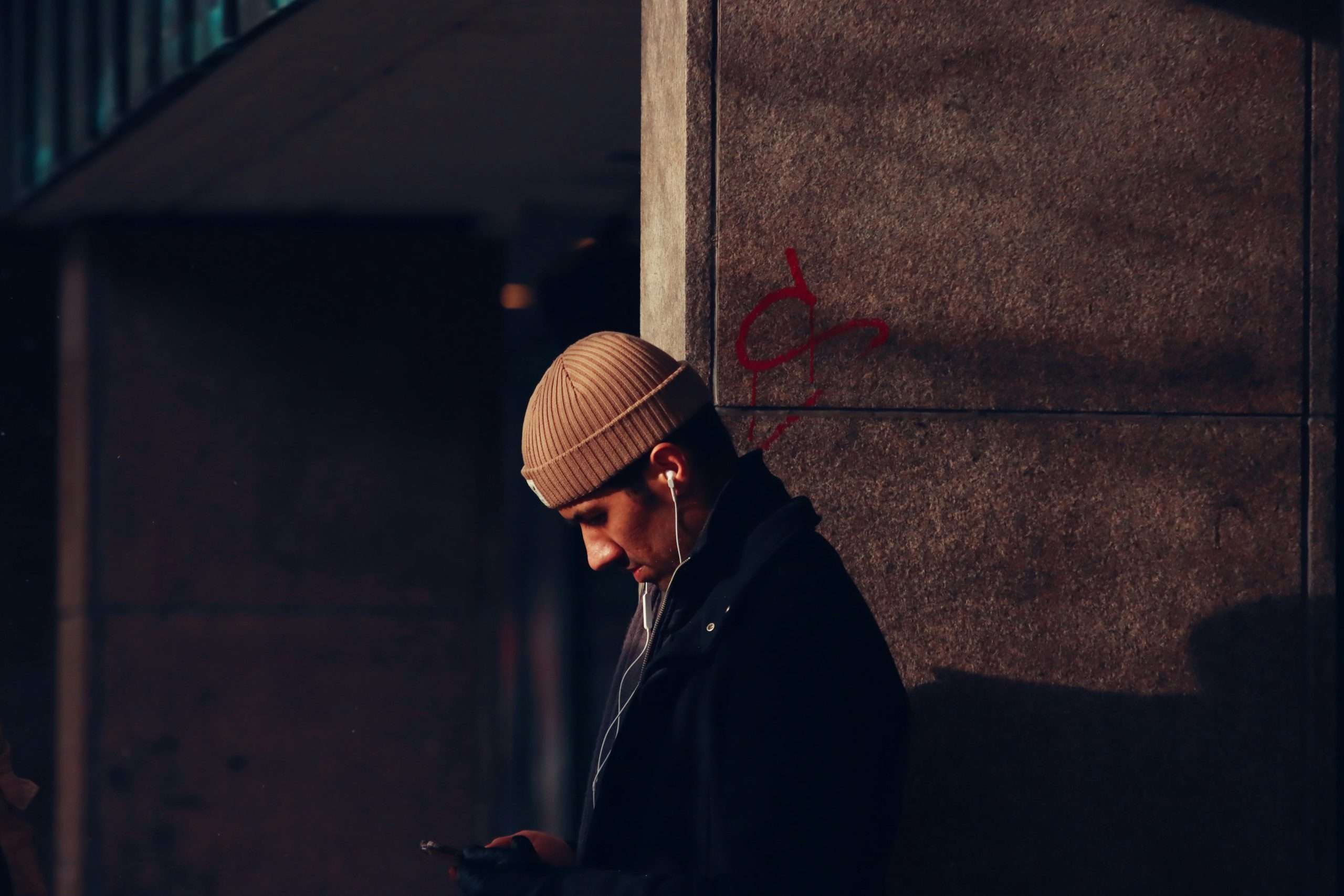
Solo travel is another avenue some introverts find genuinely helpful when they’re caught between needing solitude and needing stimulation. Being in a new environment provides novelty and low-level social contact without the obligation of sustained relationship. A Psychology Today piece on solo travel explores why this appeals to people who find conventional social settings draining. There’s something about moving through the world on your own terms that can restore a sense of agency that extended isolation tends to erode.
And for those who find that prolonged aloneness is tipping into something that feels more like depression or anxiety, it’s worth knowing that solitude itself can be a form of self-care when approached intentionally. Research published in Frontiers in Psychology has examined how solitude functions differently depending on whether it’s entered willingly and with purpose. The quality of your relationship with aloneness matters as much as the quantity of time you spend in it.
One more thing worth saying plainly: if the aloneness has become genuinely distressing and you’re not finding your way back to equilibrium on your own, that’s not a character flaw. It’s information. Professional support exists for this reason, and seeking it is consistent with the same self-awareness that makes introverts thoughtful about their own inner lives in the first place.
Is Hating Extended Isolation a Sign You’re Actually an Extrovert?
No. And this is worth addressing directly because a lot of introverts ask some version of this question when they realize they don’t love unlimited solitude.
Introversion and extroversion exist on a spectrum, and most people sit somewhere in the middle rather than at the extremes. But even for those who are clearly, consistently introverted, needing connection is not evidence of extroversion. It’s evidence of being human.
The difference between introverts and extroverts isn’t that one group needs people and the other doesn’t. It’s about the kind of interaction that restores you, the amount you can sustain before you need to step back, and where you tend to find your clearest thinking. An introvert who hates being alone for months on end is still an introvert. They just also have a human need for connection, which was never in question.
What changes with extended isolation is that the costs become visible. Emerging evidence on solitude and wellbeing, including work available through PubMed Central, points to the importance of distinguishing between solitude as a chosen, purposeful state and isolation as a condition that accumulates without intention. The former can be genuinely good for introverts. The latter tends to be hard on everyone, regardless of personality type.
I’ve come to think of my own relationship with aloneness as something that requires ongoing calibration rather than a fixed setting. Some seasons call for more solitude. Some call for more connection. The work is in noticing which season you’re actually in, rather than assuming you already know based on your personality type.
After years of running agencies, managing teams, and learning what I needed to function at my best, I’ve settled into a rhythm that probably looks unusual from the outside. I guard my solitude carefully. And I guard my meaningful connections just as carefully. Neither one is optional. Both are part of what makes the other sustainable.
If you’re exploring the full range of how introverts and highly sensitive people relate to rest, solitude, and self-care, the Solitude, Self-Care and Recharging hub has more on all of it.
About the Author
Keith Lacy is an introvert who’s learned to embrace his true self later in life. After 20 years in advertising and marketing leadership, including running agencies and managing Fortune 500 accounts, Keith now channels his experience into helping fellow introverts understand their strengths and build fulfilling careers. As an INTJ, he brings analytical depth and authentic perspective to every article, drawing from both professional expertise and personal growth.
Frequently Asked Questions
Can introverts genuinely hate being alone for long periods?
Yes, absolutely. Introversion describes how you process energy, not how much connection you need. Many introverts find that short-term solitude is restorative while extended isolation becomes uncomfortable, even painful. The need for meaningful human connection doesn’t disappear because someone is introverted. It simply requires less frequent and more intentional contact to feel satisfied.
What is the difference between healthy solitude and harmful isolation for introverts?
Healthy solitude feels chosen and purposeful. You enter it with intention, you feel restored by it, and you’re ready to re-engage when it ends. Harmful isolation tends to creep in without intention. It extends without a natural endpoint, feels heavy rather than peaceful, and often involves avoidance of connection rather than a genuine need for quiet. The emotional quality of the experience is usually the clearest indicator of which one you’re in.
Does being lonely mean you’re not really an introvert?
Not at all. Loneliness is a universal human experience that has nothing to do with personality type. Introverts can and do feel lonely, often acutely so, because they tend to have fewer but deeper relationships. When those connections thin out, the gap is felt more sharply. Experiencing loneliness doesn’t make you an extrovert. It makes you someone who needs connection, which describes every human being regardless of where they fall on the introversion-extroversion spectrum.
How can introverts address loneliness without overwhelming themselves socially?
Small, intentional connections work better than large social obligations. A single meaningful conversation, a walk with a trusted friend, a brief phone call, or even time spent with a pet can address the need for connection without the cost of overstimulating environments. Nature is another resource worth considering. Time outdoors provides a middle ground between isolation and social performance that many introverts find genuinely restorative. Building regular rhythms of low-stakes connection tends to be more sustainable than sporadic bursts of intense sociability.
How do you know when alone time has gone on too long?
A few signals tend to appear. Your thinking becomes circular rather than generative. The prospect of re-engaging with people feels heavy rather than manageable. You’re telling yourself you just need a little more time, repeatedly, without feeling any closer to ready. Creative or professional output starts to narrow. Your mood dips in ways that don’t resolve with more rest. These are signs that solitude has shifted from restoration to something that needs addressing, and that some form of connection, even small, would likely help more than continued withdrawal.