
Can introverts go insane from no alone time? Not in a clinical sense, but the psychological toll of sustained social overload is real, measurable, and far more serious than most people realize. When introverts are denied consistent time alone, the mental and emotional consequences compound quickly, moving from irritability and brain fog into something that genuinely resembles a breakdown of the self.
What I’ve come to understand, after decades of ignoring this need and then finally honoring it, is that alone time isn’t a preference for introverts. It’s a biological requirement. Strip it away long enough and the mind starts to fracture in ways that are hard to explain to people who don’t experience the world this way.
If you’ve ever felt yourself unraveling after too many consecutive days of meetings, social obligations, and zero breathing room, you’re not imagining it. There’s a real explanation for what’s happening inside your nervous system, and there are real ways to protect yourself from it. Our Solitude, Self-Care and Recharging hub covers the full landscape of what introverts need to function well, and this piece adds a harder edge to that conversation: what actually happens when those needs go unmet for too long.
Why Alone Time Isn’t Optional for Introverts
There’s a version of this conversation that stays polite and soft. “Introverts just need a little quiet time to recharge.” That framing, while accurate, undersells the urgency. It makes alone time sound like a preference, like preferring tea over coffee. For introverts, it’s closer to sleep. You can push through without it for a while, but eventually the debt comes due.
What’s your personality type?
Take our free 40-question assessment and get a detailed personality profile with dimension breakdowns, context analysis, and personalised insights.
Discover Your Type8-12 minutes · 40 questions · Free
The introvert nervous system processes stimulation differently. Social environments, even pleasant ones, generate a constant stream of input that requires active processing. Eye contact, tone of voice, subtext in conversations, the emotional undercurrents in a room. My mind doesn’t filter these things out the way some of my more extroverted colleagues seemed to. I absorb them, sort through them, and carry them until I have space to set them down.
During my agency years, I managed client relationships across several major accounts simultaneously. Some weeks meant back-to-back client calls, internal team meetings, new business pitches, and after-hours dinners. I remember stretches of ten or twelve days without a single morning to myself, and by the end of those runs, I wasn’t just tired. Something deeper was off. My thinking became shallow. My patience thinned to nothing. I started making decisions reactively instead of deliberately, which for an INTJ is almost physically uncomfortable. It felt like trying to see clearly through a fogged window.
What I was experiencing wasn’t weakness or burnout in the conventional sense. It was a specific kind of depletion that comes from running an introverted nervous system on empty for too long. The deeper question worth examining is what that depletion actually looks like, and how far it can go.
What Actually Happens When Introverts Don’t Get Alone Time
The progression isn’t random. It tends to follow a recognizable pattern, moving from mild discomfort into something much more serious if the deprivation continues. Understanding the stages matters because many introverts normalize the early signs and don’t recognize what’s happening until they’re deep into the cycle.
Stage one looks like irritability and low-grade anxiety. Small things start to feel disproportionately aggravating. A colleague asking a simple question can feel like an intrusion. Noise that you’d normally tune out becomes grating. Your emotional responses lose their usual precision. You snap at people you care about and feel genuinely confused about why.
Stage two is cognitive. Concentration becomes difficult. The kind of deep, focused thinking that introverts typically do well starts to feel inaccessible. You sit down to work on something complex and find your mind skipping across the surface of it instead of sinking in. Decision fatigue sets in faster than usual. I’ve written before about what happens when introverts don’t get alone time, and the cognitive erosion is one of the most disorienting parts of it.
Stage three is where it starts to look like something more serious. Emotional numbness, a kind of flatness that makes it hard to feel engaged with anything. Increased sensitivity to sensory input, where light, sound, and even physical touch can feel overwhelming. Social anxiety that wasn’t there before, or was previously manageable, suddenly intensifies. Sleep becomes disrupted. The nervous system, which has been running in overdrive, can’t easily downshift even when you finally do get a quiet moment.
Sustained, chronic deprivation of the kind of restorative solitude introverts need can contribute to anxiety disorders, depression, and what some researchers describe as allostatic overload, where the cumulative stress on the body and mind exceeds its capacity to recover. A study published in PubMed Central examining psychological stress and recovery points to the importance of genuine rest states for nervous system regulation. When those rest states are consistently blocked, the system stays in a kind of low-grade emergency mode.

Is This Just Introversion, or Could Something Else Be Going On?
One thing worth naming here is that introverts and highly sensitive people often overlap significantly in their experience of overstimulation. If you find that the absence of alone time affects you at a sensory level, not just emotionally or cognitively, there’s a good chance you’re also a highly sensitive person. The need for solitude among HSPs is particularly acute because their nervous systems process environmental input at a deeper level of intensity.
I’ve managed people over the years who clearly fell into this category. One creative director on my team would produce extraordinary work when she had uninterrupted time, but after a week of heavy client-facing activity, she’d become visibly overwhelmed in ways that went beyond ordinary tiredness. Her sensitivity wasn’t a liability. It was the source of her creative depth. But it required a different kind of management and a different kind of self-care than most of the team needed.
The distinction matters because the remedies are slightly different. An introvert who’s primarily depleted by social interaction needs social withdrawal and quiet processing time. An HSP who’s depleted by sensory overload may also need to reduce exposure to screens, noise, and even strong emotions in media or conversation. The daily self-care practices that work for HSPs often go deeper than what standard introvert recovery advice covers, and if you recognize yourself in that description, it’s worth exploring.
What the two groups share is a nervous system that processes more, absorbs more, and therefore requires more intentional recovery time. And when that recovery time is absent, the consequences are real, not imagined, not dramatic, not a personality flaw.
The Specific Danger of Chronic Social Overload
There’s an important difference between an occasional stretch of busy social days and a sustained pattern of never getting the alone time you need. Most introverts can handle the former with some recovery time built in afterward. The latter is where the real damage happens.
Chronic social overload, meaning months or years of consistently insufficient solitude, does something insidious. It trains you to normalize the depleted state. You forget what it feels like to be fully yourself. You start to believe that the foggy, reactive, emotionally blunted version of you is just who you are now. I spent a significant portion of my thirties in exactly this condition, managing an agency, performing extroversion all day, and treating my need for alone time as something to be pushed aside when the schedule demanded it.
The CDC has documented the significant mental health consequences of sustained social and environmental stress, noting that chronic stress disrupts nearly every system in the body, including those governing mood, cognition, and immune function. You can read more about those risk factors directly from the CDC. What I find striking is how closely the symptom profile of chronic stress matches what introverts describe when they talk about sustained social overload without recovery time.
It’s also worth noting that social isolation and solitude are not the same thing. Harvard Health has written clearly about the distinction between loneliness and isolation, and the same logic applies here. Introverts who choose solitude are not isolating themselves in a harmful way. They’re engaging in an active, chosen form of restoration. The harm comes from the forced absence of that restoration, not from the solitude itself.
What the Mind Actually Needs to Recover
Recovery from social overload isn’t simply about sitting in a quiet room. The quality of the alone time matters as much as the quantity. I’ve had evenings where I was technically alone but spent three hours scrolling through my phone, and I woke up the next morning feeling no better than when I’d started. That’s not restorative solitude. That’s just a different kind of stimulation.
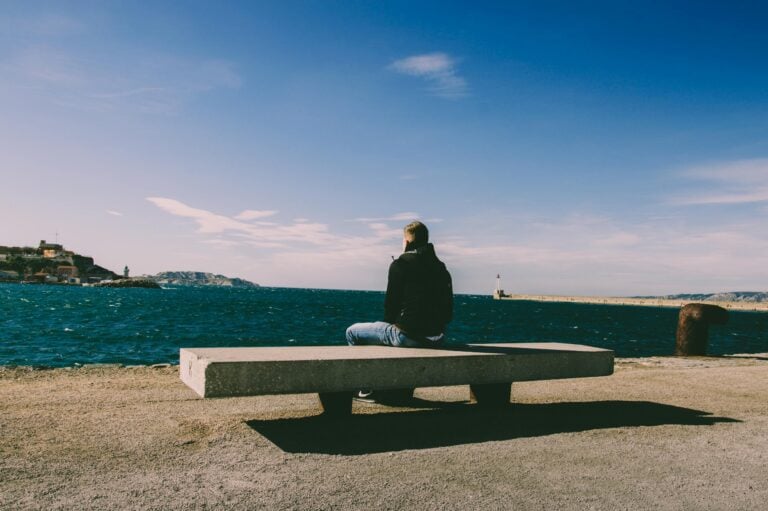
Genuine recovery for introverts tends to involve activities that allow the mind to process at its own pace without external demands. Reading, writing, walking, working on something creative, sitting quietly without an agenda. The common thread is internal freedom. No performance, no social monitoring, no managing how you’re being perceived.
One of the most reliable forms of recovery I’ve found is time in natural settings. There’s something about being outdoors, away from the density of urban life and the constant presence of other people, that allows the nervous system to genuinely downshift. The healing power of nature for sensitive people is well documented and worth taking seriously as a recovery strategy, not just a pleasant weekend activity.
Berkeley’s Greater Good Science Center has explored how solitude can actually enhance creativity and self-awareness when it’s chosen and restorative. Their research on solitude and creativity suggests that the quiet internal state introverts seek isn’t just a comfort preference. It may be the condition under which their most valuable cognitive work actually happens.
Sleep is another dimension that gets overlooked. Introverts who are socially overloaded often find that their sleep quality degrades alongside everything else. The nervous system that can’t downshift during waking hours has trouble downshifting at night. The strategies that support rest and recovery for highly sensitive people apply broadly here, particularly the emphasis on creating genuine transition time between social activity and sleep.
The Identity Question: Who Are You Without Alone Time?
consider this I think doesn’t get discussed enough. Beyond the cognitive and emotional consequences, prolonged deprivation of alone time does something to an introvert’s sense of self. And this, more than anything else, is where the “going insane” language starts to feel less hyperbolic.
Introverts know themselves primarily through internal reflection. The inner life is where we process experience, form opinions, understand our own values, and make sense of what’s happening around us. When there’s no time for that inner life, the self becomes unclear. You start to lose track of what you actually think versus what you’ve absorbed from other people. You don’t know how you feel about things because you haven’t had the space to find out.
My most disorienting professional experiences weren’t the high-stakes pitches or the difficult client situations. They were the periods when I was so externally focused, for so long, that I genuinely couldn’t tell what I thought about anything. I was responding, reacting, performing. But the actual Keith, the one who processes things slowly and carefully and arrives at considered positions, was nowhere in the picture. That absence of self is what the “going insane” description is really pointing at.
A piece in Frontiers in Psychology examining the relationship between solitude and well-being found that voluntary solitude is associated with greater self-awareness and emotional clarity, particularly for people who are predisposed to introspection. That tracks exactly with what I’ve experienced. The alone time isn’t just rest. It’s the space where you remember who you are.
Protecting Your Alone Time When Life Makes It Hard
The practical reality is that life doesn’t always cooperate. Demanding jobs, family obligations, living situations that offer little privacy, social expectations that are hard to push back against. Many introverts live in conditions that make consistent alone time genuinely difficult to protect.
What I’ve found, both from my own experience and from conversations with other introverts over the years, is that the amount of alone time matters less than the consistency and the quality. An hour of genuine solitude every morning is more restorative than an occasional full day when you’re already depleted. Building small, protected pockets of aloneness into daily life is more sustainable than treating it as something you’ll get to eventually.
There’s also something worth saying about the social permission to prioritize this. Many introverts feel guilty about needing alone time, as though it reflects something antisocial or selfish about them. It doesn’t. The alone time that genuinely restores you makes you a better partner, parent, colleague, and friend. Protecting it isn’t a withdrawal from the people in your life. It’s what makes full presence with them possible.
Psychology Today has noted that the growing interest in solo time, including solo travel and intentional solitude practices, reflects a broader cultural recognition that time alone is a legitimate and valuable human need, not a symptom of something wrong. Introverts have known this intuitively for a long time. The rest of the world is catching up.
What I’ve also learned is that the nervous system can actually recover its baseline, even after extended periods of depletion. It takes time and it takes consistency, but the capacity for genuine restoration doesn’t disappear permanently. I’ve come back from some fairly significant stretches of overextension and found that with deliberate, sustained attention to my own needs, the clarity and groundedness returned. Not overnight, but it returned.
The research on solitude and psychological health supports this. A recent PubMed Central examination of solitude and its relationship to mental well-being points to the capacity for recovery when restorative practices are reinstated. The window doesn’t close. It just requires you to actually open it.
Psychology Today’s work on solitude and health also makes a point worth holding onto: embracing solitude as a health practice, rather than treating it as a guilty pleasure or an avoidance strategy, changes your relationship to it entirely. When you understand that it’s genuinely good for you, protecting it feels less like selfishness and more like basic maintenance.
Taking Your Own Needs Seriously
The question of whether introverts can go insane from no alone time is, at its core, a question about what happens when a person is systematically denied something their mind and body genuinely require. The answer isn’t a clinical diagnosis, but it’s not nothing either. The psychological consequences are real, the identity erosion is real, and the path back requires taking your own needs seriously enough to protect them.
What changed for me wasn’t a single moment of clarity. It was a slow accumulation of evidence that I functioned better, thought more clearly, led more effectively, and showed up more fully for the people around me when I stopped treating alone time as a luxury I’d earn someday. It was always available. I just had to stop apologizing for needing it.
If you’re in a season of life where alone time feels impossible to protect, start small. Twenty minutes in the morning before anyone else is awake. A walk at lunch with your phone in your pocket. A deliberate end to screen time an hour before bed. The nervous system responds to even modest interventions when they’re consistent.
And if you’re in a deeper hole, one where the depletion has been going on for months and you’re not sure who you are anymore, that’s worth taking seriously. Not as a crisis, but as important information about what you need. The self that’s been buried under too much noise and too many demands is still there. It just needs room to come back.
There’s a full collection of resources on this topic waiting for you in the Solitude, Self-Care and Recharging hub, covering everything from daily practices to deeper recovery strategies for introverts and highly sensitive people.
About the Author
Keith Lacy is an introvert who’s learned to embrace his true self later in life. After 20 years in advertising and marketing leadership, including running agencies and managing Fortune 500 accounts, Keith now channels his experience into helping fellow introverts understand their strengths and build fulfilling careers. As an INTJ, he brings analytical depth and authentic perspective to every article, drawing from both professional expertise and personal growth.
Frequently Asked Questions
Can introverts actually go insane from having no alone time?
Not in a clinical sense, but the psychological consequences of sustained alone-time deprivation are genuinely serious. Introverts who go without consistent solitude experience cognitive decline, emotional dysregulation, heightened anxiety, and a gradual erosion of self-awareness. The nervous system, running in a state of chronic overload, can produce symptoms that feel very close to a mental breakdown, even if they don’t meet a clinical threshold. The experience is real and warrants real attention.
How much alone time do introverts actually need each day?
There’s no universal number, because it varies by individual, temperament, and the intensity of social demands in a given day. What matters more than duration is consistency and quality. Many introverts find that one to two hours of genuine solitude daily, meaning time without social obligations or passive screen consumption, is enough to maintain their baseline. After particularly demanding social days, more recovery time is typically needed. what matters is treating it as a non-negotiable part of the day rather than something to fit in when convenient.
What are the early warning signs that an introvert isn’t getting enough alone time?
The earliest signs tend to be irritability that feels disproportionate to its triggers, difficulty concentrating on tasks that normally come easily, and a general sense of emotional flatness or low-grade anxiety. Introverts may also notice that their thinking becomes reactive rather than deliberate, that small social interactions feel more draining than usual, and that they’re less able to access their characteristic depth of thought. Recognizing these signs early makes recovery significantly easier than waiting until the depletion becomes severe.
Is needing alone time the same as being antisocial or having social anxiety?
No. Needing alone time is a feature of introversion, which is a neurological orientation toward internal processing and a lower threshold for social stimulation. It has nothing to do with disliking people or fearing social situations. Social anxiety is a specific anxiety disorder characterized by fear of negative evaluation in social settings. Introversion is a personality trait. Many introverts genuinely enjoy social connection and have active, meaningful relationships. They simply need restorative solitude to function at their best, in the same way that everyone needs sleep regardless of how much they enjoy being awake.
Can you recover from a long period of introvert burnout caused by insufficient alone time?
Yes, and this is worth emphasizing. Even after extended periods of depletion, the capacity for restoration remains. Recovery typically requires more time and more consistent effort than a single weekend of solitude, particularly if the overload has been going on for months. Gradual, deliberate reintroduction of quality alone time, combined with attention to sleep, physical movement, and reducing unnecessary stimulation, tends to produce measurable improvement. The self that feels lost during prolonged burnout is not gone. It returns when given the conditions it needs.