

Yes, someone can absolutely be reserved and extroverted at the same time. Being reserved describes a behavioral style, a preference for measured responses, thoughtful observation, and careful self-disclosure. Being extroverted describes where a person draws their energy, from external interaction, stimulation, and connection with others. These two traits operate on completely different dimensions, which means they can coexist without contradiction.
Reserved extroverts are more common than most people realize. They crave social connection and feel energized by people, yet they hold back in groups, choose their words deliberately, and rarely dominate a room. If you’ve ever met someone who seemed quiet but turned out to be deeply social once you got to know them, you’ve likely met a reserved extrovert.

Personality is far more layered than most of us were taught. If you’re sorting through where you actually land on the spectrum, our Introversion vs Other Traits hub pulls together everything I’ve written on the subject, covering energy, behavior, social style, and the surprising ways these dimensions interact.
Why Do We Assume Reserved Means Introverted?
Most of us grew up in a culture that flattened personality into two buckets. Quiet people were introverts. Loud, social people were extroverts. That binary made things simple, but it also made things wrong.
Career Coaching for Introverts
One-on-one career strategy sessions with Keith Lacy. 20 years of Fortune 500 leadership as an introvert, now helping others build careers that work with their wiring.
Learn More50-minute Zoom session · $175
I spent two decades running advertising agencies, and the misreading of personality was constant. We’d hire someone who was thoughtful and measured in meetings, and within weeks someone would whisper that they seemed “a bit introverted.” Then that same person would be the last one to leave the Friday happy hour, energized by conversation in a way that the loudest voice in the room clearly wasn’t. The assumption had been completely backwards.
Reservedness is a social behavior pattern. It shows up as restraint, selectivity, and deliberateness. It’s the person who listens before speaking, who doesn’t volunteer information about themselves unprompted, who prefers depth over breadth in conversation. None of that tells you anything definitive about whether they leave a party feeling drained or recharged.
To really understand what extroversion means at its core, separate from behavior, it helps to start with the definition. What does extroverted mean, precisely? At its foundation, extroversion is about energy orientation. Extroverts feel more alive, more focused, and more themselves when they’re around other people. Solitude, over time, tends to flatten them. That’s the engine. How they express that drive socially is a separate variable entirely.
What’s Actually Happening Inside a Reserved Extrovert?
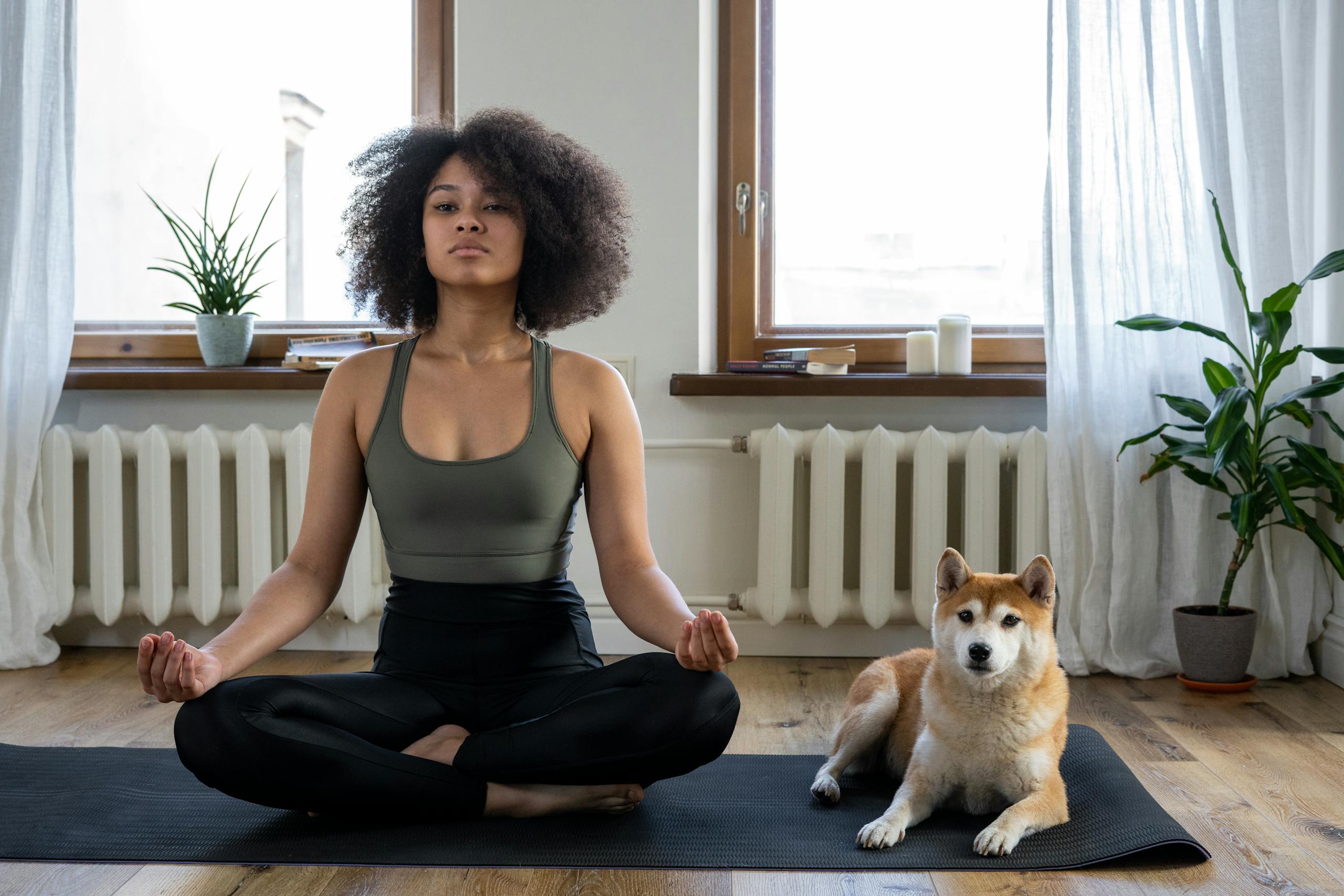
Picture someone who genuinely loves people, who lights up at the idea of a dinner with close friends, who processes their thoughts out loud and feels most alive in good conversation. Now picture that same person sitting quietly in a team meeting, contributing sparingly, watching the room before saying a word. Both pictures are accurate. Neither cancels the other out.
Reserved extroverts often develop their restraint for specific reasons. Some grew up in environments where speaking out of turn had consequences. Some work in professional contexts where measured communication is rewarded. Some have simply learned, through experience, that waiting produces better outcomes than rushing in. The reserve is often a learned overlay on top of an extroverted core.
One of the account directors I managed at my agency was a textbook reserved extrovert. In client presentations, she was careful, precise, and almost understated. You might have read her as shy. But she was the one organizing team dinners, the one who knew everyone’s spouse’s name, the one who stayed energized through a full day of back-to-back client calls while the rest of us were fading. Her reserve was a professional style. Her extroversion was her fuel.
The distinction matters because reserved extroverts often misread themselves. They notice their restraint and assume it means they’re introverted. They take a quiz and feel confused when the results don’t quite fit. That confusion is worth paying attention to, because it usually signals that two separate dimensions are being conflated into one.
How Does This Differ From Being an Introvert?
An introvert and a reserved extrovert can look nearly identical in certain situations. Both might stay quiet in large groups. Both might prefer one-on-one conversations over open-forum discussions. Both might come across as measured and deliberate. The difference shows up in what happens after.
An introvert who has spent a full day in social interaction, even enjoyable interaction, typically needs time alone to restore. That’s not a personality flaw or a social limitation. It’s simply how the introverted nervous system works. Solitude is genuinely restorative. As an INTJ who spent years leading teams, managing client relationships, and running agency pitches, I know this pattern intimately. A full day of people left me needing quiet the way a long run leaves you needing water.
A reserved extrovert experiences something different. After that same full day of interaction, they often feel energized rather than depleted. They might want to extend the conversation, suggest dinner, keep things going. The solitude that restores an introvert can feel flat or even draining to them over time.
That difference, where your energy comes from rather than how you behave socially, is the real dividing line. It’s also why surface behavior is such an unreliable guide to personality type. If you’re genuinely uncertain where you land, the introvert extrovert ambivert omnivert test on this site can help you sort through the layers more carefully than a quick gut-check usually allows.
Where Do Ambiverts and Omniverts Fit Into This Picture?
When people discover that introversion and reservedness don’t always travel together, the next question is usually whether they might be something else entirely. Ambivert. Omnivert. Terms that have grown in popularity as people search for language that fits their experience more precisely.
An ambivert sits somewhere in the middle of the introversion-extroversion spectrum, drawing energy from both social interaction and solitude depending on context, though not in extreme swings. An omnivert tends to shift more dramatically between the two states, sometimes needing deep social connection and other times needing complete withdrawal. These aren’t the same thing, and the distinction is worth understanding. The omnivert vs ambivert breakdown clarifies how these two experiences actually differ from each other.
A reserved extrovert is neither of these, at least not necessarily. They’re not in the middle of the spectrum. They’re solidly extroverted in terms of energy, but their behavioral expression of that extroversion is filtered through restraint. The distinction is subtle but real. An ambivert’s energy source shifts. A reserved extrovert’s energy source stays consistent. Their social behavior just doesn’t announce it loudly.
There’s also a third term worth knowing. The otrovert vs ambivert comparison adds another layer to this conversation, exploring how people who seem to fall outside the standard categories experience their own social energy. If you’ve ever felt like none of the standard labels quite fit, that resource is worth a read.

Can Reservedness Be a Professional Strength for Extroverts?
One thing I noticed across twenty years of agency work is that the most effective client-facing people weren’t always the loudest ones. Some of the best account managers and strategists I ever hired were extroverts who had learned, either through experience or intention, to lead with listening rather than talking.
Reserved extroverts often develop a particular skill set that pure extroverts sometimes miss. Because they hold back in group settings, they observe more. They pick up on what’s not being said. They read the room in ways that someone dominating the conversation simply cannot. Then, when they do speak, people tend to listen, partly because it’s less frequent, and partly because it tends to be more considered.
In negotiation contexts, this combination can be genuinely powerful. Harvard’s Program on Negotiation has explored how the quiet, observational approach often associated with introversion can be an asset at the table, and that same dynamic applies to reserved extroverts who bring social fluency alongside behavioral restraint. They can read people well, connect authentically, and still hold their cards close.
In advertising and marketing specifically, reserved communicators often excel because they tend to craft messages more carefully, listen to clients more thoroughly, and resist the urge to fill silence with noise. These aren’t introvert-exclusive traits. They’re traits that show up in anyone who has learned to lead with restraint, regardless of where they get their energy.
How Do Reserved Extroverts Experience Social Connection Differently?
Reserved extroverts often gravitate toward depth over breadth in their social lives, which can look a lot like introversion from the outside. They might have a small, tight social circle rather than a wide network of casual acquaintances. They might prefer meaningful one-on-one conversations over large group dynamics. They might take longer to open up with new people.
What distinguishes them is that these preferences don’t come from a need to protect their energy. They come from a preference for quality. Once they’re in their element, in a conversation that matters with people they trust, they can go for hours. The energy is there. The desire for connection is real. The reserve just shapes how they access it.
There’s something worth noting here about depth in conversation generally. Psychology Today has written about why deeper conversations tend to produce more genuine satisfaction than surface-level small talk, and this rings true for reserved extroverts in a particular way. They often find shallow socializing unsatisfying, not because it drains them, but because it doesn’t give them what they’re actually looking for. They want real connection, they just approach it carefully.
I watched this play out with a creative director I worked with for several years. Fiercely extroverted in terms of energy, he was the one who suggested every team outing and stayed until the restaurant closed. But in new client meetings, he was almost formal. Reserved, careful, observational. It took people a while to see the full picture. Once they did, he was one of the most magnetic people in any room, because his reserve made his warmth feel earned rather than performed.
What Happens When Reserved Extroverts Try to Fit Into Introvert or Extrovert Boxes?
Misidentification has real costs. When reserved extroverts assume they’re introverts, they sometimes make choices that don’t serve them. They might avoid social situations that would actually energize them, believing they need more solitude than they do. They might turn down roles that involve heavy client contact or team leadership, thinking they’re not built for it, when in fact they might thrive.
The opposite problem also happens. When reserved extroverts identify as full extroverts without acknowledging their reservedness, they sometimes push themselves into social styles that feel forced. They perform the loud, expressive extroversion they think they’re supposed to have, and end up feeling inauthentic in a way that’s hard to name.
Getting the picture right matters. If you’re genuinely uncertain whether you lean introverted or extroverted at the energy level, the introverted extrovert quiz is a useful starting point for separating behavioral style from energy source. It’s not about finding a label to wear. It’s about understanding yourself accurately enough to make choices that actually fit.
There’s also a meaningful difference between being fairly introverted and being deeply introverted, and that spectrum matters for anyone trying to understand where they genuinely land. The fairly introverted vs extremely introverted comparison is worth reading if you’re somewhere in that territory, because the experiences are distinct in ways that affect everything from career choices to relationship dynamics.

How Should Reserved Extroverts Think About Self-Presentation?
One of the quieter struggles for reserved extroverts is the gap between how they experience themselves internally and how others read them externally. They feel warm, engaged, and genuinely interested in people. But they come across as contained, hard to read, or even aloof. That gap can create friction in relationships and professional settings alike.
The answer isn’t to perform a version of extroversion that doesn’t fit. Forced expressiveness tends to read as exactly that. Forced. What tends to work better is finding contexts and formats where the reserved extrovert’s natural warmth can surface without requiring them to override their instincts.
One-on-one conversations are often where reserved extroverts shine most clearly. Smaller group settings where depth is possible. Environments with some structure, where they don’t have to compete for airtime. When the context matches their style, the extroversion becomes visible in a way that feels authentic rather than effortful.
Conflict is another place where this combination can get complicated. When tension arises in a group, reserved extroverts sometimes hold back longer than the situation warrants, because restraint is their default. Psychology Today’s framework for introvert-extrovert conflict resolution offers some useful structure here, particularly around how to engage authentically without either withdrawing completely or overcorrecting into aggressive expressiveness.
Does Personality Science Support the Reserved Extrovert Profile?
Personality psychology has moved well beyond the simple introvert-extrovert binary. The five-factor model, sometimes called the Big Five, treats extroversion as one dimension among several, and it sits alongside agreeableness, conscientiousness, neuroticism, and openness. Importantly, none of these dimensions automatically determine the others. A person can score high on extroversion and also high on conscientiousness, which often produces exactly the reserved, careful, measured social style we’ve been describing.
Research published in PubMed Central has examined how personality traits interact across these dimensions, and the findings consistently support the idea that behavioral tendencies and energy orientation are separable. Someone’s score on extroversion doesn’t predict their score on any other dimension. The combinations are genuinely varied.
Additional work published in PubMed Central has looked at how social behavior patterns emerge from multiple trait combinations rather than from a single underlying dimension. That’s the scientific grounding for what many reserved extroverts experience intuitively: their social behavior doesn’t match the extrovert stereotype, but their energy orientation genuinely does.
Research published in Frontiers in Psychology has further explored how personality expression varies across contexts and cultures, adding another layer to why any single behavioral observation is a poor proxy for underlying personality structure. Context shapes expression. Personality shapes energy. They’re related but not the same.

What Does This Mean for How You Understand Yourself?
If you’ve ever felt like the standard personality categories didn’t quite capture you, this might be why. You might be someone who genuinely loves people and draws energy from connection, yet finds yourself quiet in groups, careful in conversation, and slow to reveal yourself to new people. That combination is real. It’s coherent. And it doesn’t need to be resolved by picking one label over another.
What it does require is some honest self-observation. Pay attention to how you feel after social interaction, not during it. After a long dinner with people you care about, are you energized or depleted? After a weekend alone, do you feel restored or restless? Those after-effects are more revealing than any behavior you display in the moment.
As an INTJ, I’ve spent a lot of time observing people across the personality spectrum, both in professional settings and in my own reflection on what drives different people. The reserved extroverts I’ve worked with and managed over the years have often been some of the most effective communicators in the room, precisely because their restraint was intentional rather than anxious. They chose their moments. When they spoke, it landed.
Understanding yourself accurately, not just finding a flattering label, is what allows you to make choices that fit. Career choices. Relationship choices. How you structure your social life and your work environment. Getting the picture right is worth the effort of sitting with some complexity rather than reaching for the nearest simple answer.
There’s much more to explore on how introversion, extroversion, and the traits that surround them interact in real life. Our full Introversion vs Other Traits hub covers the complete range of these questions, from energy orientation to behavioral style to the nuanced territory in between.
About the Author
Keith Lacy is an introvert who’s learned to embrace his true self later in life. After 20 years in advertising and marketing leadership, including running agencies and managing Fortune 500 accounts, Keith now channels his experience into helping fellow introverts understand their strengths and build fulfilling careers. As an INTJ, he brings analytical depth and authentic perspective to every article, drawing from both professional expertise and personal growth.
Frequently Asked Questions
Can someone be both reserved and extroverted at the same time?
Yes. Reservedness describes a behavioral style, specifically a preference for measured self-disclosure, careful observation, and deliberate communication. Extroversion describes energy orientation, where a person feels most alive and recharged. These two dimensions are independent of each other. A person can draw genuine energy from social interaction while still expressing that drive through restraint rather than expressiveness. Reserved extroverts are real, and they’re more common than most people expect.
How is a reserved extrovert different from an introvert?
The core difference lies in what happens after social interaction. An introvert typically needs solitude to restore after spending time with people, even people they enjoy. A reserved extrovert tends to feel energized by that same interaction, even if their behavior during it looked restrained or quiet. Both might appear similarly contained in group settings, but their internal experience and energy patterns differ significantly.
Is a reserved extrovert the same as an ambivert?
Not necessarily. An ambivert draws energy from both social interaction and solitude, sitting somewhere in the middle of the introversion-extroversion spectrum. A reserved extrovert is typically solidly extroverted in terms of energy, but their behavioral expression of that extroversion is filtered through restraint. The energy source stays consistent. What shifts is how they express it socially. An ambivert’s energy source itself shifts depending on context.
Why do reserved extroverts sometimes misidentify as introverts?
Because most personality assessments and popular frameworks conflate behavioral style with energy orientation. Reserved extroverts notice their quietness in groups, their preference for depth over breadth, and their careful self-disclosure, and they match those behaviors to the introvert description. Without a framework that separates behavior from energy, the misread is easy to make. Paying attention to how you feel after social interaction, rather than during it, tends to produce a more accurate picture.
Can reservedness be a strength for extroverts in professional settings?
Often, yes. Reserved extroverts frequently develop strong observational skills, careful communication habits, and the ability to read a room in ways that more expressive extroverts sometimes miss. In client-facing roles, negotiation contexts, and leadership positions, the combination of genuine social energy with behavioral restraint can be particularly effective. They bring the warmth and connection drive of extroversion alongside the listening and observation skills that come from holding back.