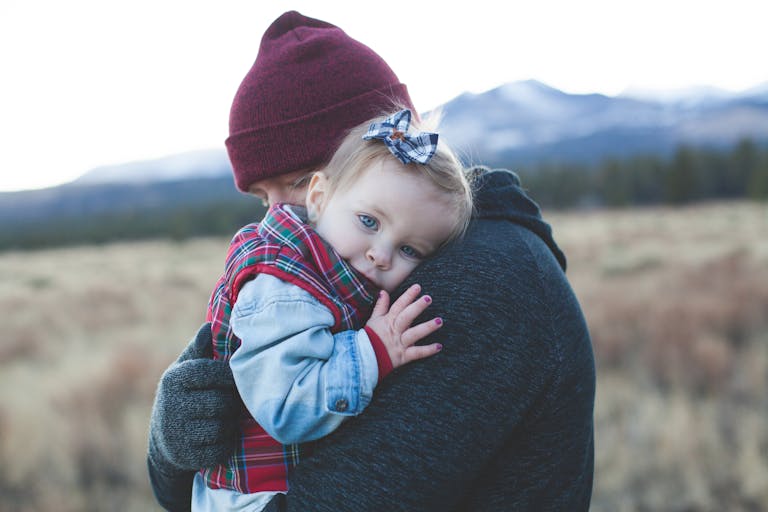

Yes, two introverted parents can absolutely have an extroverted child. Personality traits like introversion and extroversion are influenced by a combination of genetics, temperament, and environment, and none of those factors work in a simple, predictable equation. A child born to two introverts can come into the world wired for social energy, noise, and constant stimulation, and that wiring is entirely valid, entirely real, and entirely theirs.
What makes this topic so fascinating, and sometimes so quietly disorienting for introverted parents, is that it challenges everything we assume about how personality gets passed down. We expect our children to reflect us. Sometimes they don’t. And that gap, between who we are and who our child is becoming, is where some of the most meaningful parenting work happens.
If you’re exploring the broader landscape of how personality shapes family life, our Introvert Family Dynamics & Parenting hub covers everything from temperament differences to communication styles across personality types. This article adds a specific layer to that conversation: what actually happens when two quiet adults raise a child who is anything but.

Where Does Personality Actually Come From?
Most of us grow up with a vague sense that we inherited our personalities the way we inherited our eye color. One parent gave us something, the other gave us something else, and we became the result. The reality is considerably more layered than that.
What’s your personality type?
Take our free 40-question assessment and get a detailed personality profile with dimension breakdowns, context analysis, and personalised insights.
Discover Your Type8-12 minutes · 40 questions · Free
Personality, including where someone falls on the introversion-extroversion spectrum, is shaped by a mix of genetic predisposition and lived experience. Temperament, which is the raw biological material a child is born with, plays a significant role. The National Institutes of Health has noted that infant temperament can predict introversion in adulthood, suggesting these tendencies show up early and have real biological roots. But genes don’t operate in isolation. Two parents can carry genetic material associated with introversion and still produce a child whose particular combination of traits expresses itself as extroversion.
Think of it less like a copy machine and more like a shuffle. Each parent contributes a range of genetic possibilities, not a fixed outcome. A child might inherit a father’s social boldness (even if that father’s boldness was never fully expressed because introversion dominated) and a mother’s emotional openness, and the combination produces someone who genuinely lights up in a crowd.
Environment adds another layer entirely. A child raised in a household where quiet is the norm might push against that norm, especially if their temperament craves stimulation. Or they might spend their early years in daycare or school settings that reward social behavior and gradually lean into those rewards. Personality isn’t destiny handed down from parent to child. It’s something that emerges through the interaction of biology, environment, and experience over time.
If you want to understand where your own personality traits fall on the spectrum, taking a Big Five Personality Traits test can offer a useful framework. The Big Five measures extroversion as one of its core dimensions, and understanding your own score can help you think more clearly about how different you might be from a child who scores much higher on that same scale.
What Does the Research Actually Tell Us About Introverted Parents and Extroverted Children?
The science of personality inheritance is genuinely complex, and anyone who tells you there’s a clean formula is oversimplifying. What we do know is that personality traits have a heritable component, meaning genetics plays a meaningful role, but that heritability is not the same as inevitability.
A study published in PubMed Central examining personality trait heritability found that traits like extroversion show moderate heritability, meaning genes matter, but so does the environment in which a person develops. Two parents who are both introverted can carry genetic variants associated with extroversion that simply never expressed strongly in them but surface vividly in their child.
There’s also the question of what introversion and extroversion actually measure. These aren’t binary categories. They’re points on a continuum. A parent might score as an introvert on a personality assessment but still carry enough extroverted tendencies to pass along a genetic nudge toward social energy. When both parents contribute even a moderate amount of that tendency, the child can end up further along the extroversion spectrum than either parent.
Beyond genetics, there’s something worth acknowledging: children are not smaller versions of their parents. They come into the world as their own people. Psychology Today’s overview of family dynamics captures this well, noting that families are systems of interacting individuals, not uniform units. A child’s personality emerges within that system but is not determined by it.
I’ve thought about this a lot through the lens of my own experience. As an INTJ, I spent years in advertising agency environments surrounded by people whose personalities were nothing like mine. Some of the most effective team members I ever worked with were high-energy extroverts who seemed to run on social interaction the way I run on solitude. I used to wonder how we could be so different and still be working toward the same goals. The answer, I eventually understood, is that personality variation isn’t a problem to solve. It’s a feature of how human beings actually work.

How Does an Extroverted Child Experience a Quiet Household?
An extroverted child in an introverted household isn’t living in the wrong place. But they are living in a place that runs on a different frequency than their own nervous system prefers. That contrast matters, and how parents handle it shapes a lot.
Extroverted children typically recharge through social interaction. They process their experiences out loud. They want to fill quiet spaces with conversation, movement, and connection. In a household where the adults find that kind of energy draining, there’s a real risk of the child receiving subtle messages that their natural way of being is too much, too loud, or somehow wrong.
That’s not a small thing. A child who learns early that their authentic self makes the people they love uncomfortable will often start editing themselves. They might become quieter at home while still craving stimulation they can’t get there. They might seek out social environments outside the home with unusual intensity, or develop a sense of loneliness that’s hard to name because they’re not physically alone, they’re just energetically mismatched with their environment.
On the other side of this, introverted parents can genuinely struggle to meet an extroverted child’s social needs without depleting themselves. This isn’t a character flaw. It’s a real mismatch in energy systems. An introverted parent who forces themselves to be constantly available for social engagement will eventually hit a wall, and the child will feel that withdrawal even if they don’t understand why it’s happening.
For parents who are also highly sensitive, this dynamic gets even more complex. The article on HSP parenting and raising children as a highly sensitive parent addresses how parents who process stimulation deeply can find the demands of an energetically active child particularly intense. Recognizing that intersection, where your introversion meets your sensitivity and your child’s extroversion, is an important starting point for figuring out how to structure your home life in a way that works for everyone.
Can Two Introverts Raise an Extroverted Child Well?
Without question. And I’d argue that introverted parents have some specific strengths that serve an extroverted child in ways that aren’t always obvious.
Introverts tend to be careful observers. We notice things. We pick up on shifts in mood, subtle changes in behavior, the quiet signals a child sends before they’ve found words for what they’re feeling. An extroverted child who processes everything out loud might seem like an open book, but they still have interior experiences that need to be seen and reflected back to them. An introverted parent who has developed their observational capacity can do that beautifully.
Introverts also tend to be good listeners, genuinely good ones, not just waiting for their turn to talk. An extroverted child who comes home from school bursting with stories, opinions, and half-formed ideas needs someone who will actually receive all of that. A parent who can hold space for that kind of verbal processing without rushing it or shutting it down is giving their child something genuinely valuable.
What introverted parents need to be intentional about is creating enough social opportunity for their extroverted child without waiting for the child to ask for it. Extroverted children often don’t know they need more social input until they’re already depleted from the lack of it. Building in regular playdates, group activities, and social structures means the child’s needs get met proactively rather than reactively.
I managed a team of about fifteen people at one of my agencies, and the most effective thing I did as a leader wasn’t running high-energy team meetings. It was learning to create conditions where each person’s natural style could function well. My extroverted account executives needed client-facing opportunities and collaborative work sessions. My introverted strategists needed thinking time and clear communication channels. I didn’t try to make everyone the same. I tried to build a structure that accommodated difference. Parenting an extroverted child as an introvert requires something similar: not becoming someone you’re not, but building structures that let your child’s nature flourish.

What Are the Real Challenges, and How Do You Work Through Them?
Honesty matters here. There are genuine challenges in this dynamic, and pretending otherwise doesn’t help anyone.
One of the most common friction points is overstimulation. An extroverted child generates a lot of social and sensory input, and for introverted parents, that input accumulates. By the end of a weekend filled with your child’s friends, parties, activities, and constant conversation, you may feel like you’ve run a marathon. That exhaustion is real, and if you don’t protect some recovery time, you’ll start showing up for your child in ways that are less patient, less present, and less connected than you want to be.
Another challenge is the risk of misreading your child’s extroversion as a behavioral problem. An extroverted child who needs to talk, move, socialize, and fill silence isn’t being difficult. They’re being themselves. But in a quiet household, that natural expression can feel disruptive, and parents who aren’t aware of this dynamic can inadvertently communicate that the child’s personality is the problem rather than the mismatch in energy needs.
There’s also the question of social modeling. Extroverted children learn a great deal about how to engage with the world by watching the adults around them. If their primary models are introverted, they may not see as much of the social behavior they’re naturally drawn to. That doesn’t mean they won’t develop strong social skills, but it does mean introverted parents might need to be more intentional about exposing their child to a range of social environments and adult role models.
One practical approach that I’ve seen work well, and that I applied in my own professional life, is building what I’d call structured recovery. At my agencies, I learned that I could handle significant social demands as long as I built in predictable quiet time afterward. The same principle applies at home. If Saturday is full of your child’s social world, Sunday morning might be protected quiet time for you. That kind of structure, communicated honestly and maintained consistently, lets you show up fully when you are present rather than running on empty all the time.
It’s also worth examining your own assumptions about social behavior. If you find yourself feeling vaguely worried about your extroverted child, wondering if they’re too loud, too social, or too needy of connection, it may be worth sitting with where that concern comes from. Sometimes introverted parents unconsciously project their own preferences onto their child and mistake extroversion for something that needs correcting. A likeable person test can offer an interesting perspective here, highlighting how social warmth and outward engagement are genuine strengths, not character flaws dressed up as charm.
Does Personality Type Predict How a Child Will Turn Out as an Adult?
Not in any deterministic way. Personality is relatively stable over time, but it’s not fixed. An extroverted child will likely remain someone who draws energy from social interaction throughout their life, but how that extroversion expresses itself will evolve as they mature, encounter different environments, and develop self-awareness.
What does seem to matter significantly is whether a child’s core temperament is accepted and supported during their formative years. A child whose extroversion is welcomed, even by parents who don’t share it, tends to develop a healthy relationship with their own personality. They learn that who they are is okay. They don’t have to manage or minimize themselves to be loved.
A child whose extroversion is consistently treated as a problem, even subtly, may develop a complicated relationship with their own social nature. They might learn to suppress it in some contexts, feel ashamed of it in others, or compensate by becoming even more extreme in their social behavior as a way of asserting the self that wasn’t given permission to exist at home.
There’s a body of work on how early family dynamics shape adult personality, and the research published in PubMed Central on personality development across the lifespan suggests that while traits have biological roots, their expression is shaped significantly by relational experience. How a parent responds to a child’s temperament is itself a developmental input.
This is worth sitting with. Your child’s extroversion isn’t a phase they’ll grow out of. It’s a core part of who they are. Your job isn’t to change it. It’s to create conditions where they can develop it into something that serves them well throughout their life.
For some parents, understanding the full range of personality dimensions their child might be expressing can be genuinely useful. Tools like the Big Five Personality Traits assessment aren’t just for adults. Understanding where a child falls on dimensions like openness, conscientiousness, and extroversion can help parents respond to the child they actually have rather than the child they expected.

What About the Introvert-Introvert Parenting Relationship Itself?
When both parents are introverted, there’s often a natural alignment in how they prefer to spend time at home. Quiet evenings, low-stimulation weekends, minimal social obligations. That alignment can be genuinely peaceful and deeply sustaining for the couple. It can also, in the context of raising an extroverted child, create a unified but potentially insufficient response to that child’s needs.
Two introverted parents who are both depleted by their child’s social demands might unconsciously reinforce each other’s tendency to limit social exposure. Neither one pushes for the playdate because neither one wants to host it. Neither one suggests the birthday party because both find the idea exhausting. Over time, the extroverted child ends up in a social environment that’s calibrated for their parents’ comfort rather than their own developmental needs.
The 16Personalities piece on introvert-introvert relationships touches on this dynamic, noting that while two introverts can build a deeply compatible partnership, they sometimes need to be intentional about not letting their shared preferences create an insular bubble. That’s true in romantic relationships, and it’s equally true in the context of parenting.
The practical solution isn’t for both parents to become people they’re not. It’s to divide responsibilities in ways that play to each person’s capacity. One parent might be better at managing the high-energy social events while the other holds down the quiet home base. Or parents might take turns, so neither one is constantly depleted. The goal is to ensure the child’s extroversion gets met without either parent burning out trying to meet it alone.
There’s also something worth naming about how an extroverted child can actually enrich an introvert-introvert household. Left entirely to our own devices, my wife and I would probably spend most weekends in comfortable quiet. Having someone in the house who pulls us outward, who wants to see people and do things and fill the calendar, creates a kind of productive friction. It stretches us in ways we wouldn’t choose on our own, and some of those stretches have led to genuinely good experiences we’d have otherwise missed.
How Do You Support an Extroverted Child Without Losing Yourself?
This is the question that matters most practically, and it’s the one introverted parents most often avoid asking directly because it feels selfish. It isn’t. Meeting your own needs isn’t a luxury. It’s what makes it possible to meet your child’s needs consistently over the long term.
A few things that work:
Build social infrastructure outside the home. An extroverted child who has rich friendships, engaging activities, and strong social connections at school doesn’t need their parents to be their primary source of social stimulation. Investing in those external relationships means your child gets what they need, and you get some relief from being the only source of it.
Be honest about your own limits in age-appropriate ways. An extroverted child can understand “I need some quiet time to recharge, and then I’ll be ready to play” if it’s framed calmly and consistently. What they can’t understand, or shouldn’t have to understand, is a parent who’s irritable and withdrawn without explanation. Naming your introversion as a real thing, not a rejection, helps the child develop empathy for difference rather than anxiety about their own impact.
Find ways to connect that work for your energy style. Not every connection with an extroverted child has to happen at their preferred energy level. Reading together, cooking together, taking walks, watching a movie side by side, these are all forms of connection that an extroverted child can value even if they also crave louder forms of engagement. You don’t have to match their frequency to bond with them.
And when you’re genuinely struggling with the emotional complexity of parenting a child who’s wired differently than you, it’s worth being honest with yourself about what you’re experiencing. Some parents find that the mismatch triggers old wounds around belonging, acceptance, or feeling misunderstood. The American Psychological Association’s resources on trauma are a useful reminder that parenting can surface things from our own histories that have nothing to do with our child and everything to do with our own unresolved experiences.
For parents who work in caregiving or people-focused roles alongside parenting, the demands can compound quickly. Resources like the personal care assistant test online and the certified personal trainer test speak to how people in service-oriented careers think about supporting others’ wellbeing. That same orientation, attending carefully to what someone else needs, is exactly what introverted parents of extroverted children are doing every day. Recognizing the skill in that, rather than just the exhaustion, matters.

What If You’re Not Sure Whether Your Child Is Truly Extroverted?
Children’s personalities are still developing, and it’s worth being careful about labeling a child too definitively too early. A child who seems extroverted at age five might settle into a more ambiverted pattern by adolescence. A child who seems shy at three might blossom into a social butterfly by eight. Temperament is real and observable from early on, but personality continues to develop through childhood and into adulthood.
What you can observe reliably is your child’s energy pattern. Does social interaction seem to fill them up or wear them down? Do they seek out other children eagerly or need time to warm up? Do they process their experiences out loud or tend to retreat inward to think things through? These patterns, observed over time and across different contexts, give you a more reliable picture than any single moment or assessment.
It’s also worth being aware that some behaviors that look like extroversion might be responses to anxiety or other underlying factors. A child who seeks constant social reassurance, for instance, might not be extroverted so much as anxious. A child who seems to need constant stimulation might be dealing with attention regulation challenges rather than a preference for extroversion. If you’re uncertain, a conversation with a pediatrician or child psychologist can help you understand what you’re seeing more clearly.
And if you find yourself genuinely struggling to understand your child’s behavior or your own reactions to it, it’s worth examining whether anything else might be contributing to the difficulty. The Borderline Personality Disorder test is one resource that can help adults gain clarity about their own emotional patterns, which is relevant here because how we respond to our children is often filtered through our own psychological makeup in ways we don’t always recognize.
At the end of the day, success doesn’t mean categorize your child correctly. It’s to see them clearly and respond to who they actually are. That’s the work, and it’s ongoing.
Raising Someone Who Isn’t Like You
There’s something quietly profound about raising a child whose nature is genuinely different from your own. It asks you to hold your preferences loosely. It asks you to remain curious about a way of being in the world that doesn’t come naturally to you. It asks you to love someone fully without needing them to reflect you back.
I spent a long time in my career trying to lead like people who were nothing like me. Extroverted, performative, always “on.” It didn’t work, and it cost me a lot. What I eventually found was that leading from my actual nature, the quiet observation, the careful thinking, the depth of focus, was not only more sustainable but more effective. The same principle applies to parenting. You don’t have to become an extrovert to raise one well. You have to become more fully yourself, and then build a family life that has room for both.
An extroverted child raised by introverted parents who genuinely honor their child’s nature learns something important: that different people have different needs, and that difference doesn’t mean incompatibility. That’s a lesson that will serve them in every relationship they ever have.
There’s more to explore on this topic and others like it. Our complete Introvert Family Dynamics & Parenting hub brings together resources on personality differences within families, parenting as an introvert, and building household structures that work across temperament types.
About the Author
Keith Lacy is an introvert who’s learned to embrace his true self later in life. After 20 years in advertising and marketing leadership, including running agencies and managing Fortune 500 accounts, Keith now channels his experience into helping fellow introverts understand their strengths and build fulfilling careers. As an INTJ, he brings analytical depth and authentic perspective to every article, drawing from both professional expertise and personal growth.
Frequently Asked Questions
Can two introverted parents really have an extroverted child?
Yes, absolutely. Personality traits like extroversion are influenced by genetics, temperament, and environment, and none of these factors guarantee a child will mirror their parents. Two introverted parents can carry genetic material associated with extroversion that expresses strongly in their child, even if it was never dominant in either parent. Personality inheritance isn’t a simple copy of parental traits. It’s a complex combination of biological possibilities and environmental influences.
How can introverted parents meet the social needs of an extroverted child without burning out?
Building social infrastructure outside the home is one of the most effective approaches. When an extroverted child has rich friendships, group activities, and school social connections, parents don’t have to be the sole source of social stimulation. Within the home, introverted parents benefit from building in predictable recovery time, dividing social responsibilities between partners, and connecting with their child in lower-energy ways like reading together, cooking, or walking, which still provide meaningful bonding without requiring high-stimulation engagement.
Is it harmful for an extroverted child to grow up in a quiet household?
Not inherently. What matters most is whether the child’s temperament is accepted and supported. An extroverted child in a quiet household whose social needs are acknowledged and met, even if the household itself remains calm, can thrive. Problems tend to arise when the child’s extroversion is treated as a behavioral issue or when their need for social connection is consistently unmet. Introverted parents who are aware of the dynamic and intentional about addressing it can raise extroverted children who feel genuinely seen and supported.
How early can you tell if a child is extroverted?
Temperament, which is the biological foundation of personality, is observable from infancy. Some children show strong social orientation and high stimulation-seeking from very early on. That said, personality continues to develop throughout childhood and adolescence, and early patterns don’t always predict adult personality with precision. A more reliable approach than early labeling is observing your child’s energy patterns over time: whether social interaction fills them up or drains them, whether they seek out other children eagerly, and whether they process experiences out loud or internally.
What are the strengths introverted parents bring to raising an extroverted child?
Introverted parents often bring careful observation, genuine listening, and emotional depth to their parenting. These are qualities that serve an extroverted child well. Extroverted children who process everything out loud need someone who will truly receive what they’re saying, not just wait for a turn to speak. Introverted parents who have developed their observational capacity can also notice subtle shifts in their child’s emotional state before the child has words for them. The mismatch in energy style doesn’t cancel out these strengths. With awareness and intention, it can become a genuinely complementary dynamic.