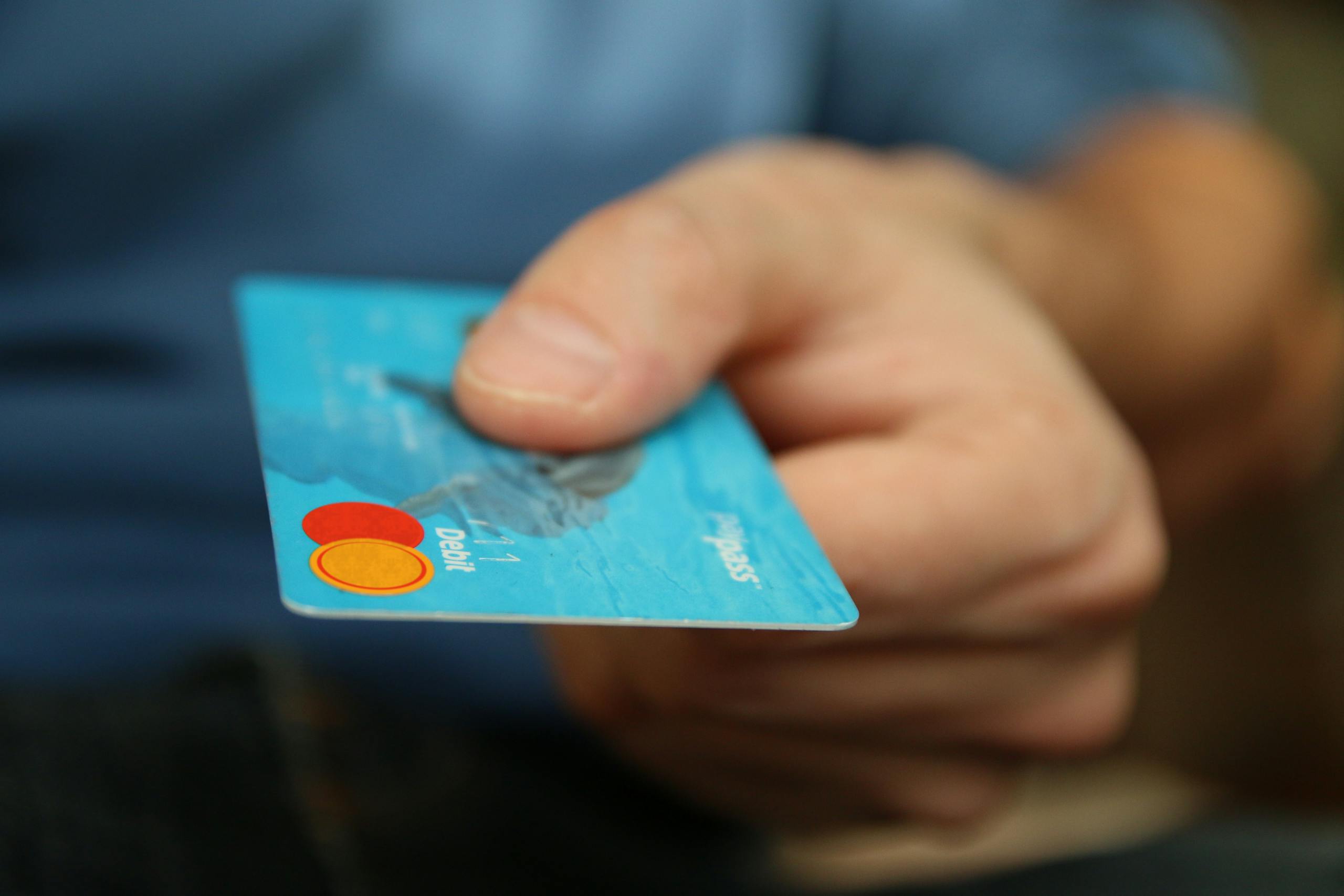
Cash App says refunded but no money has appeared in your account. This is one of the most frustrating situations you can encounter with mobile payments, and it happens more often than the platform acknowledges. A refund status in Cash App does not always mean the money has completed its transfer back to your original payment source, and understanding why that gap exists can save you hours of unnecessary stress.
Refunds on Cash App typically take one to five business days to process back to a linked debit card, and up to ten business days in some cases. If Cash App shows a refunded status but your balance reflects nothing, you are almost certainly in a processing window, dealing with a bank-side delay, or looking at a technical glitch that requires direct action to resolve.
Managing money digitally requires the same kind of patience and methodical thinking that serves introverts well in most areas of life. Quiet, careful attention to detail matters here. I cover a wide range of tools and resources that support introvert daily life over at the Introvert Tools and Products Hub, and financial apps fall squarely into that category since so many of us prefer handling transactions without picking up a phone and talking to a stranger.

Why Does Cash App Show a Refund But No Money Appears?
The disconnect between a refund status and an actual balance change comes down to how digital payment rails work. Cash App processes transactions through a network that involves multiple parties: their own servers, card networks like Visa or Mastercard, and your bank’s processing system. When a merchant or individual initiates a refund, Cash App updates the status on their end almost immediately. Your bank, however, has not yet received or posted the funds.
What drains your social battery?
Not all social exhaustion is the same. Our free quiz identifies your specific drain pattern and gives you personalised recharging strategies.
Find Your Drain PatternUnder 2 minutes · 8 questions · Free
There are several distinct reasons this happens, and knowing which one applies to your situation tells you what to do next.
The refund is still in transit. This is the most common explanation. Cash App marks the refund as processed on their side, but the funds are moving through an intermediary layer before reaching your debit card or bank account. Banks post incoming credits on their own schedule, and weekends or federal holidays extend that timeline significantly.
The refund went to the wrong destination. If you have changed your linked debit card since the original transaction, the refund may have been routed to the old card. Cash App refunds typically return funds to the original payment source, not your current default card. This is a detail that catches a lot of people off guard.
The refund was sent to your Cash App balance rather than your bank. Some refunds credit your Cash App wallet directly instead of pushing funds back to your card. This is easy to miss because the Cash App balance and your linked bank balance are separate. Check both places before assuming something went wrong.
A technical error occurred. Less frequently, a glitch in Cash App’s system can create a status that says refunded without the transaction actually completing. This requires contacting support to resolve.
How Long Should You Actually Wait Before Worrying?
Patience is genuinely the right response in most cases, even though that can feel deeply unsatisfying when you are watching a balance that should be higher.
For refunds back to a linked debit card, the realistic window is two to seven business days. Cash App’s own documentation suggests up to ten business days for some transactions. Business days exclude weekends and federal holidays, so a refund initiated on a Friday afternoon may not post until the following Wednesday at the earliest.
I spent two decades running advertising agencies, and one of the things I noticed about myself as an INTJ is that I default to problem-solving mode almost instantly when something does not add up. When a client payment would show as sent on our end but not received on theirs, my instinct was to escalate immediately. What I learned over time is that the payment rails between financial institutions have their own rhythm, and acting too quickly often created more confusion than it resolved. Waiting the full processing window, while uncomfortable, was almost always the right call.
If you are outside the ten business day window and the funds have not appeared, that is the signal to take action. Not before.

What Are the Exact Steps to Check Your Refund Status?
Before contacting support, run through this checklist yourself. Cash App’s interface surfaces the information you need, but it requires knowing where to look.
Open Cash App and tap the clock icon in the lower right corner. This is your Activity feed, which shows every transaction. Find the specific transaction in question and tap it. The detail screen will show the current status: pending, refunded, or failed. If it says refunded, note the exact date that status was applied.
Check your Cash App balance, which appears on the home screen. Some refunds credit the wallet rather than the linked card, and this is the first place to confirm whether the money arrived somewhere you did not expect.
Log into your bank account separately and look at your transaction history. Search for the specific amount. Banks sometimes post credits with generic descriptions that are easy to scroll past. Also check your pending transactions, since some banks show incoming credits as pending before they post officially.
Check the card that was linked to Cash App at the time of the original transaction. If you have updated your linked card since then, the refund may have gone to the previous card. Contact your old bank if necessary to check for an incoming credit.
Many introverts I hear from prefer managing all of this digitally rather than making calls, which is completely workable. The introvert-friendly apps guide on this site covers tools that match how we actually think through problems, and a lot of those same principles apply when you are methodically working through a financial discrepancy.
How Do You Contact Cash App Support Without Losing Your Mind?
Cash App support is notoriously difficult to reach, and the experience of trying to get a real resolution can be genuinely draining. Knowing the right channels and what information to have ready makes the process significantly less painful.
The in-app support route is the most reliable starting point. From your profile, tap the question mark icon, then select “Something Else,” handle to the relevant issue category, and follow the prompts to submit a request. Cash App’s support team responds via email, which suits introverts well since it creates a written record and removes the need for a real-time conversation.
When submitting your request, include the transaction date, the exact amount, the status shown in your Activity feed, and the date that refunded status appeared. The more specific you are, the faster the support team can identify what happened. Vague requests generate vague responses and extend the timeline.
Cash App also has a support presence on X (formerly Twitter) at @CashSupport. Public social media channels sometimes generate faster responses than internal ticketing systems because companies are more motivated to resolve visible complaints. This is a legitimate escalation path if the in-app route stalls.
Be aware that Cash App does not have a customer service phone number that connects to a live agent for standard account issues. Any phone number you find through a web search claiming to be Cash App support is almost certainly a scam. This is a real risk, and the Psychology Today piece on how introverts process information differently is relevant here: we tend to research thoroughly before acting, which is exactly the right instinct when dealing with financial platforms where fraud is common.

What If the Refund Was From a Merchant, Not a Person?
Merchant refunds through Cash App work differently from peer-to-peer refunds, and the distinction matters for understanding your timeline.
When you pay a business using your Cash App card (the Visa debit card linked to your Cash App account) and that merchant processes a return, the refund follows the standard card network timeline. The merchant submits the refund to Visa, Visa routes it back through the network, and Cash App posts it to your account. This entire process can take up to ten business days, and Cash App has limited visibility into where the funds are once they leave the merchant’s processor.
Peer-to-peer refunds, where someone you sent money to returns it, are faster. The funds typically appear in your Cash App balance within one to three business days because they move within Cash App’s own system rather than through external card networks.
One thing worth knowing: if a merchant issued a refund to a Cash App card that is no longer active or has been replaced, the funds may be rejected and returned to the merchant. In that scenario, you would need to contact the merchant directly to arrange an alternative refund method. Cash App cannot intercept or redirect funds that were rejected at the card level.
Working through that kind of multi-party problem requires the same methodical, written-record approach that serves introverts well in conflict situations. A Psychology Today breakdown of conflict resolution for introverts offers a useful framework for communicating clearly with merchants and support teams without the interaction becoming overwhelming.
Could This Be Fraud or a Scam You Need to Report?
Sometimes what looks like a missing refund is actually the result of fraud, and recognizing the difference matters.
A common Cash App scam involves someone sending you money, claiming it was a mistake, and asking you to refund it. You return the funds, then the original payment reverses, leaving you out of pocket. If you see a refund status on a transaction you do not recognize, do not assume it is a legitimate return. Check your outgoing transactions carefully.
Cash App also warns users about “cash flipping” scams where someone promises to multiply your money and then disappears. These transactions are not refundable through Cash App since they are treated as voluntary payments to another person.
If you genuinely believe unauthorized activity occurred on your account, report it through the in-app support system and also file a complaint with the Consumer Financial Protection Bureau. The CFPB has jurisdiction over payment apps and can apply pressure that individual support tickets cannot. You can also contact your bank directly to dispute charges if the transaction originated from your linked bank account rather than your Cash App balance.
The mental load of managing a financial dispute is real, especially for those of us who process stress internally. I have noticed that when I am dealing with something unresolved like a missing payment, it occupies background processing in my mind constantly. The HSP mental health toolkit has genuinely useful frameworks for managing that kind of ambient stress, even if you do not identify as highly sensitive. The tools for containing worry and maintaining focus are broadly applicable.

How Does the Introvert Experience of Financial Stress Connect Here?
This might seem like an odd angle for a site about introversion, but bear with me because I think it is genuinely relevant.
Introverts, and particularly those with HSP traits, tend to experience financial uncertainty with a heightened intensity. A missing refund is not just an inconvenience. It can become a source of genuine rumination, especially when the resolution timeline is vague and the support process is opaque. The combination of uncertainty, lack of control, and the need to interact with a support system that was not designed for our communication preferences creates a specific kind of stress.
At my agencies, I watched this pattern in myself and in introverted team members. When a client payment was delayed or a vendor dispute was unresolved, the extroverts on the team would call someone, get a half-answer, and feel temporarily satisfied. The introverts, myself included, would sit with the unresolved state and let it compound. Neither approach was ideal, but understanding the pattern helped me develop better habits around financial follow-up.
What worked for me was creating a written record from the start. Every transaction dispute got documented: date, amount, what happened, what I did, and what the next step was. Writing it down externalized the problem from my head and gave me something concrete to act on rather than something abstract to worry about. The introvert journaling guide covers why this kind of written processing works so well for our cognitive style, and the same principle applies to practical problems as much as emotional ones.
Sound sensitivity is another factor worth mentioning. Many introverts find that handling stressful situations while in noisy environments makes everything worse. If you are trying to work through a Cash App dispute at a loud coffee shop or in an open office, the cognitive load compounds. The HSP noise sensitivity resource has practical tools for creating the quiet space that actually allows clear thinking.
Managing financial admin is also a productivity question. The apps and systems you use to track your money should match how you think, not fight against it. Most generic financial advice assumes an extroverted approach to money management, constant checking, social accountability, gamification. The productivity apps guide for introverts addresses why so many standard tools drain rather than support our cognitive style, and that insight extends to how we manage financial platforms too.
What Should You Do If Cash App Cannot Resolve the Issue?
When Cash App’s internal support process fails to produce a resolution, you have escalation options that many people do not know about.
File a complaint with the Consumer Financial Protection Bureau at consumerfinance.gov. The CFPB maintains a public complaint database, and payment companies are required to respond to complaints filed through this system. This is often more effective than continuing to submit support tickets that go nowhere.
Contact your bank and dispute the original transaction if the payment came from a linked bank account. Under Regulation E, which governs electronic fund transfers, your bank has obligations to investigate unauthorized or erroneous transactions. The dispute process with your bank is separate from anything Cash App does and can result in a provisional credit while the investigation is underway.
If the amount involved is significant, small claims court is a legitimate option. Cash App’s parent company, Block Inc., is a real company with a registered address and can be named in a small claims filing. This is rarely necessary, but it is worth knowing the option exists.
Document everything throughout this process. Screenshots of the transaction status, dates of all communications with support, email confirmations, and any reference numbers you receive. That written record is your strongest asset if the dispute escalates.
One thing I have found useful when dealing with any kind of unresolved financial situation is treating it like a project with defined next steps rather than an open-ended worry. Set a specific date to check status, a specific date to escalate if nothing changes, and a specific outcome you are working toward. This is the same structured approach that helped me manage complex client relationships at the agency, and it works equally well for personal financial disputes. The journaling apps that help introverts process can be useful here too, not just for emotional reflection but for tracking practical steps in a dispute like this.
Are There Ways to Prevent This Problem in the Future?
Prevention is more satisfying than resolution, and a few habits make Cash App disputes significantly less likely.
Keep your linked payment methods current. When you get a new debit card, update it in Cash App immediately. Old card numbers create refund routing problems that are genuinely difficult to untangle after the fact.
Screenshot transaction confirmations at the time of payment. A screenshot with the transaction ID, amount, and date takes three seconds and gives you documentation that is far easier to work with than trying to reconstruct details weeks later.
Understand the difference between your Cash App balance and your linked bank balance. Many people treat them as the same thing, but they are separate. Money in your Cash App wallet does not automatically transfer to your bank. Keeping clarity on where your money actually is prevents confusion when refunds arrive in one place rather than the other.
For larger transactions, consider whether Cash App is the right tool. Cash App is designed for smaller peer-to-peer payments and everyday purchases. For significant amounts, bank transfers or payment platforms with stronger consumer protections may be more appropriate. Knowing the limitations of the tools you use is part of using them well.
There is something in the Frontiers in Psychology research on decision-making and stress that resonates here: when we are under pressure, we default to familiar patterns even when those patterns are not optimal. Building good financial documentation habits during calm moments means they are available to you when something goes wrong and stress is already elevated.

What Do Cash App’s Own Policies Actually Say About Refunds?
Cash App’s terms of service and help documentation are worth reading directly, even though they are written in dense language that most people skip.
Cash App explicitly states that payments sent to other Cash App users are instant and generally not reversible. If you send money to the wrong person, Cash App can request the recipient return it, but they cannot force a refund. This is why verifying the recipient’s $Cashtag, phone number, or email before sending is essential.
For merchant transactions using the Cash App card, the standard card network refund policies apply. Cash App acts as the card issuer in this context, and merchant refunds follow Visa’s processing timeline.
Cash App’s Dispute Resolution process for unauthorized transactions is governed by Regulation E for transactions from a linked bank account, and by their own internal policies for transactions from a Cash App balance. The distinction matters because Regulation E provides stronger consumer protections and clearer timelines for investigation and provisional credits.
One thing Cash App does not advertise prominently: if you have a Cash App for Business account, different terms apply to refunds and disputes. Business accounts have fewer consumer protections than personal accounts, which is worth knowing if you use Cash App for any freelance or side income.
Understanding these policies connects to a broader point about how introverts relate to financial tools. We tend to read the fine print, which is genuinely an advantage. The PubMed Central research on cognitive processing styles suggests that more deliberate, careful information processing leads to better decision outcomes in complex domains, and financial services is certainly a complex domain. The introvert tendency to research before acting is an asset here, not a liability.
The broader question of how digital tools fit into introvert life comes up consistently across everything I write. If you want to explore more resources that address this intersection, the full Introvert Tools and Products Hub covers everything from financial apps to productivity systems to mental health tools, all filtered through a lens that actually makes sense for how we think and work.
Running on empty?
Five drain profiles, each with specific triggers, warning signs, and a recharging playbook.
Take the Free QuizUnder 2 minutes · 8 questions · Free
About the Author
Keith Lacy is an introvert who’s learned to embrace his true self later in life. After 20 years in advertising and marketing leadership, including running agencies and managing Fortune 500 accounts, Keith now channels his experience into helping fellow introverts understand their strengths and build fulfilling careers. As an INTJ, he brings analytical depth and authentic perspective to every article, drawing from both professional expertise and personal growth.
Frequently Asked Questions
How long does a Cash App refund take to show in my bank account?
Cash App refunds to a linked debit card typically take two to seven business days to post to your bank account. In some cases, particularly with merchant refunds, the timeline can extend to ten business days. Business days exclude weekends and federal holidays, so factor those into your timeline before contacting support.
Why does Cash App say refunded but the money is not in my account?
Cash App updates the transaction status on their end as soon as the refund is initiated, but your bank has not yet received or posted the funds. The refund is moving through payment processing networks between Cash App and your bank, which takes additional time. Check both your Cash App wallet balance and your bank account, since some refunds credit the Cash App balance rather than returning to your card.
What should I do if my Cash App refund has not arrived after ten business days?
After ten business days with no refund, contact Cash App support through the in-app help system with the transaction date, amount, and the date the refunded status appeared. Also contact your bank to check for any pending incoming credits. If Cash App cannot resolve the issue, file a complaint with the Consumer Financial Protection Bureau at consumerfinance.gov and consider disputing the original transaction with your bank under Regulation E.
Can a Cash App refund go to the wrong card?
Yes. Cash App refunds are typically routed back to the original payment source. If you have updated your linked debit card since the original transaction, the refund may have been sent to your old card. Contact your previous bank to check for an incoming credit. Keeping your payment methods current in Cash App prevents this from happening.
Is it safe to contact Cash App support about a missing refund?
Use only the official in-app support system or the verified @CashSupport account on X. Cash App does not have a customer service phone number for standard account issues, and any phone number found through a web search claiming to be Cash App support is almost certainly a scam. Never share your PIN, full Social Security number, or bank account credentials with anyone claiming to be Cash App support outside of the official app.