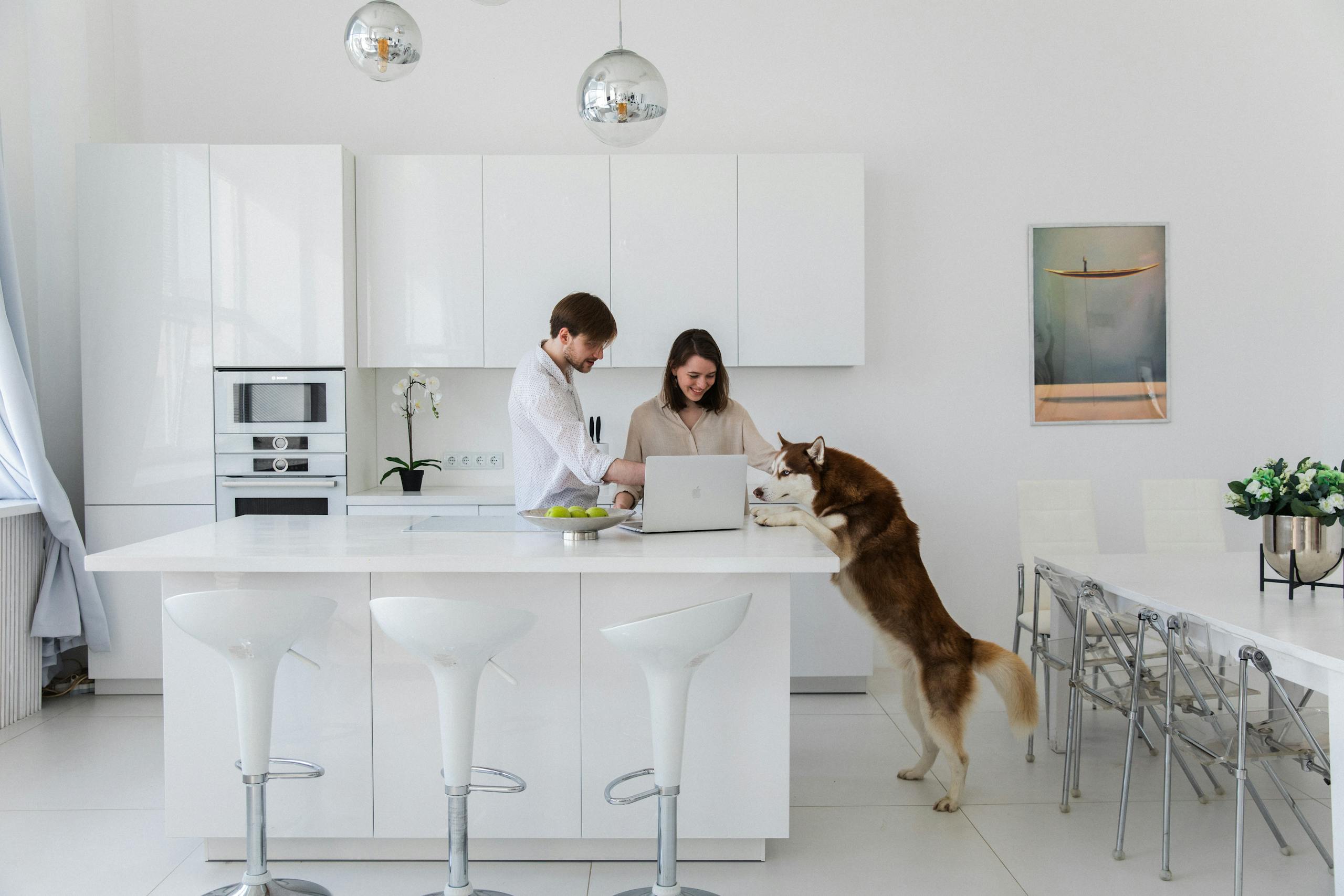

Extroverts, introverts, and ambiverts each bring distinct characteristics to classroom environments, and those differences shape not just how students participate, but how deeply they absorb and retain what they learn. Extroverts tend to process ideas aloud and gain energy from group discussion. Introverts often think before speaking and do their strongest work in quieter, lower-stimulation settings. Ambiverts sit somewhere between, adapting to different classroom demands with relative ease.
What strikes me most about this topic is how much of traditional classroom design was built with one personality type in mind. And it wasn’t mine.
As an INTJ who spent two decades leading advertising agencies, I watched this dynamic play out not just in schools but in boardrooms, brainstorm sessions, and client presentations. The loudest voice in the room rarely had the sharpest insight. But the system rewarded volume, not depth. That pattern starts early, and it starts in classrooms.

If you’re an introvert trying to make sense of how you learn, or a parent trying to support a quiet child in a noisy school, or even an adult reflecting on why certain environments always felt draining, this breakdown of personality types in the classroom might reframe everything. And if you want a broader look at how personality shapes where and how we feel most at home, the Introvert Home Environment Hub explores that full picture, including how the spaces we inhabit either support or work against our natural wiring.
What Does Extroversion Actually Look Like in a Classroom?
Extroverts in classroom settings are often the ones teachers remember most easily. They raise their hands quickly, speak up in group discussions, and tend to energize the room around them. This isn’t performance for its own sake. Extroverts genuinely process information more effectively when they can talk through it. Verbalizing ideas helps them clarify thinking, not just share conclusions.
What’s your personality type?
Take our free 40-question assessment and get a detailed personality profile with dimension breakdowns, context analysis, and personalised insights.
Discover Your Type8-12 minutes · 40 questions · Free
I managed several extroverted account directors over the years at the agency, and watching them in client meetings was illuminating. They’d think out loud, sometimes arriving at a brilliant insight mid-sentence, sometimes talking past it entirely. What they needed was an audience, not because they were attention-seeking, but because social engagement was literally how their minds worked best.
In a classroom, this translates to a few recognizable patterns. Extroverts typically thrive in group projects, enjoy classroom debates, and respond well to collaborative learning formats. They often prefer sitting near the center of the room where the social energy is highest. Waiting quietly for their turn can feel genuinely difficult, not because they lack discipline, but because stillness works against their natural cognitive rhythm.
That said, extroversion isn’t synonymous with academic success. Extroverted students can struggle with sustained solo reading, independent research tasks, and exam conditions that require long stretches of silent focus. The classroom formats that energize them most are the same ones that can occasionally pull focus away from deeper individual processing.
One thing worth noting: extroversion exists on a spectrum. A highly extroverted student experiences these patterns intensely. Someone with mild extroversion might enjoy group work without needing it as a constant cognitive tool. Understanding where a student falls on that spectrum matters more than applying a broad label.
What Are the Real Characteristics of Introverts in Learning Environments?
Introverted students are frequently misread in classroom settings. Teachers sometimes interpret quietness as disengagement, hesitation as confusion, and preference for solo work as antisocial behavior. None of those interpretations are accurate, and the misreading has real consequences for how introverted students see themselves.
What introversion actually looks like in a classroom is this: a student who observes carefully before contributing, who prefers writing over speaking when given the choice, who does their clearest thinking in low-stimulation environments, and who often has more to say than they ever get credit for because the format never gave them space to say it.
I was that student. In high school, I rarely raised my hand unless I was certain. Not because I didn’t have thoughts, but because I needed to fully form an idea before I was willing to put it in front of other people. That’s still true of me today. My best work as an agency leader came from giving myself time to think privately before entering a room. The insights I brought to client strategy sessions were sharper because I’d processed them internally first, not because I’d talked them into shape.
Introverted students typically do well with independent assignments, written reflections, and structured research. They often excel in one-on-one conversations with teachers, where the social pressure of group dynamics is removed. They tend to read carefully, notice nuance in texts, and bring considered perspectives to written work that can surprise teachers who assumed they weren’t paying attention.
Where introverts struggle is in environments built entirely around participation points, cold-calling, and constant group interaction. A classroom that treats verbal contribution as the primary measure of engagement will consistently underestimate introverted learners. Psychology Today has written about the introvert preference for depth over breadth in conversation, and that same preference shows up in how introverts approach learning. They’d rather go deep on one idea than skim across five.
There’s also a sensory dimension worth acknowledging. Many introverts, particularly those who identify as highly sensitive, find noisy, visually cluttered classrooms genuinely depleting rather than merely inconvenient. The concept of HSP minimalism speaks directly to this, how reducing environmental stimulation isn’t a preference but a practical need for people wired with high sensitivity. That same logic applies in educational settings.
Introverts also tend to recharge through solitude, which means that a full day of classroom interaction can leave them genuinely depleted by the time they get home. This isn’t weakness. It’s biology. The after-school slump that many introverted kids experience is real, and it’s worth understanding as a feature of their wiring rather than a sign of something wrong.
Where Do Ambiverts Fit in the Classroom Picture?
Ambiverts occupy the middle ground on the introversion-extroversion spectrum, and they’re more common than most personality frameworks suggest. An ambivert might genuinely enjoy group discussions but need quiet time afterward to consolidate what they learned. They can speak up confidently in class and still prefer writing as their primary mode of deep thinking.
In classroom terms, ambiverts are often the most adaptable learners. They can shift between collaborative and independent work without the same energy cost that introverts experience in social settings, or that extroverts experience during long solo tasks. This flexibility can make them appear to “fit” any classroom format, which is both an advantage and a blind spot.
The blind spot is this: because ambiverts adapt well, their specific needs often go unnoticed. Teachers may not realize that an ambivert who seems comfortable in group work is actually doing their best thinking alone. Or that an ambivert who prefers quiet reading can still benefit enormously from a well-structured discussion.
I’ve managed people I’d describe as ambiverts throughout my agency career. They were often the most effective communicators on the team because they could genuinely read the room and adjust. They knew when to push into a conversation and when to pull back and listen. That skill is valuable in any setting, and it often develops early in students who land in the middle of the personality spectrum.
One important note: ambiversion isn’t a fixed state. People can shift along the spectrum depending on context, stress levels, life stage, and environment. A student who presents as extroverted in elementary school might lean more introverted by high school as social complexity increases. These shifts are normal and worth tracking rather than treating personality as a permanent assignment.

How Does Classroom Design Either Support or Undermine Each Type?
Most traditional classroom design, with rows of desks facing a whiteboard, a teacher who calls on raised hands, and grades partly tied to verbal participation, was built around an extroverted model of learning. That design made sense when the dominant theory of education prioritized active verbal engagement as the primary sign of comprehension.
The problem is that comprehension doesn’t always look the same across personality types. An introverted student who says nothing during a group discussion might be processing the conversation more deeply than the extroverted student who spoke five times. Written evidence of that processing, an essay, a reflection, a project, often tells a more complete story.
Physical space matters too. Open-plan classrooms with high noise levels, collaborative seating arrangements, and constant movement can be genuinely difficult for introverted and highly sensitive students. Research published in PubMed Central on personality and environmental sensitivity points to meaningful individual differences in how people respond to stimulation levels, differences that show up clearly in educational settings.
What actually supports all three types is variety. A classroom that rotates between independent work, small group discussion, and whole-class conversation gives every student moments where their natural wiring is an asset rather than a liability. Written response options alongside verbal ones. Thinking time built into discussions before anyone is expected to speak. These aren’t accommodations for struggling students. They’re good pedagogy for all students.
I think about this in terms of what I wish had existed for me as a student. A quiet corner of the classroom where I could process without the pressure of being called on. A teacher who understood that my best contributions came in writing, not out loud. Those things would have changed my experience significantly. And honestly, the introvert-friendly home I’ve built for myself as an adult, with quiet spaces designed for deep thinking, reflects exactly what I was missing in those early environments. If you’re building or curating a home that supports your natural wiring, the homebody couch concept captures something real about why introverts need spaces designed for restoration, not just function.
Technology has also shifted what’s possible. Online learning environments, discussion boards, and asynchronous formats can be enormously beneficial for introverted students who think better in writing and need more processing time. Chat-based communication spaces can give introverted students a format where they genuinely shine, contributing thoughtfully without the social pressure of real-time verbal response.
What Happens When Introverted Students Are Pushed to Perform Extroversion?
There’s a real cost when introverted students are consistently rewarded for extroverted behavior and penalized for their natural tendencies. It doesn’t just affect grades. It shapes how those students understand themselves.
I spent the first decade of my career doing exactly that, performing extroversion because I believed that’s what leadership required. I forced myself into the center of conversations I’d have processed better from the edge. I performed enthusiasm in client meetings when my actual strength was in the strategic thinking I’d done beforehand. It worked, sort of, but it was exhausting, and it kept me from being as effective as I could have been.
Students who are consistently told that participation means speaking, that leadership means being the loudest voice, and that quietness signals disengagement learn to distrust their own instincts. They either exhaust themselves performing extroversion or they withdraw entirely, concluding that the system isn’t built for them.
Neither outcome is good. And neither is inevitable with the right framing.
Findings from PubMed Central on introversion and cognitive processing suggest that introverts often show different but not inferior patterns of information processing, including stronger performance on tasks requiring sustained attention and careful deliberation. That’s not a consolation prize. That’s a genuine cognitive advantage in many academic contexts.
What introverted students need isn’t encouragement to become more extroverted. They need environments that make space for the kind of learning they do best, and teachers who recognize that quiet engagement is still engagement.
How Do These Patterns Follow Students Into Adult Life and Work?
The classroom isn’t just a place where students learn math and history. It’s where they learn what kind of learner they are, what kind of contributor they are, and what kind of environment they need to do their best work. Those lessons follow people for decades.
Extroverts who thrived in classroom discussions often seek out collaborative work environments as adults. They do well in roles that require constant communication, relationship-building, and real-time problem solving. They may struggle in remote or isolated work settings where the social fuel that drives them simply isn’t available.
Introverts who learned to work around classroom structures, rather than being broken by them, often develop remarkable self-direction. They become strong writers, careful analysts, and deep specialists. A 2024 paper in Frontiers in Psychology examining personality and work performance found meaningful links between introversion and performance in roles requiring sustained concentration and independent judgment, exactly the kind of roles that reward what introverts learned to do in spite of, not because of, traditional classroom formats.
Ambiverts often find the widest range of professional environments manageable, but they benefit from understanding their own patterns well enough to recognize when they’re leaning too far in either direction. An ambivert who has spent months in a highly social role might need a deliberate quieter period to recharge. One who’s been working in isolation might need to seek out more collaborative projects.
What I’ve noticed across all three types is that self-awareness is the variable that matters most. People who understand their own wiring, who know what drains them and what restores them, make better decisions about how they work, where they work, and what kind of support they need. That self-awareness often begins with how someone was treated in a classroom.
For introverts who’ve built adult lives around their natural preferences, there’s something deeply satisfying about creating environments that reflect who you actually are. A thoughtfully chosen homebody book on your shelf, a quiet reading nook, a home that prioritizes calm over stimulation. These aren’t signs of avoidance. They’re signs of self-knowledge. And that self-knowledge often traces back to finally understanding what was happening in those early classroom experiences.
What Can Parents and Educators Do With This Understanding?
Knowing the characteristics of extroverts, introverts, and ambiverts in classroom settings is only useful if it changes something. So what should actually change?
For educators, the most meaningful shift is expanding what “participation” means. A student who writes a careful reflection, asks a thoughtful question after class, or contributes a detailed analysis to a group project is participating. Tying grades exclusively to verbal contribution in real-time discussions systematically disadvantages introverted learners without measuring anything more meaningful than willingness to speak publicly.
Building in structured thinking time before discussion also helps. When a teacher poses a question and immediately calls on students, extroverts who process quickly have a consistent advantage. Giving students two minutes to write down their thoughts before opening the floor levels that playing field considerably, and often produces richer discussion because everyone has had time to actually think.
For parents of introverted children, the most important thing is probably vocabulary. Giving a child language to understand their own experience, explaining that they recharge through quiet time, that they think best before speaking, that their preference for deep focus is a strength rather than a flaw, changes how that child relates to classroom challenges. Instead of concluding “I’m bad at school,” they can conclude “this format doesn’t suit how I learn best.” That distinction matters enormously for long-term confidence.
Supporting an introverted child’s home environment also matters more than many parents realize. Creating genuinely quiet spaces, reducing sensory overload after school, and respecting the need for downtime before expecting homework engagement can make a significant difference in how effectively introverted kids process and consolidate what they learned during the day. If you’re looking for thoughtful ways to support a homebody child or teenager, a well-curated homebody gift guide can point toward items that genuinely support quiet, restorative home time rather than adding more stimulation.
And for introverted adults reflecting on their own educational experiences, there’s value in revisiting those old stories with new understanding. The student who was told they were too quiet, too reserved, too slow to participate might have simply been an introvert in an extroverted system. That’s not a character flaw. It’s a mismatch between wiring and environment. And recognizing that distinction is often the first step toward building a life that actually fits.

For anyone exploring how personality type shapes not just learning but the full texture of daily life, including how we design our homes, restore our energy, and connect with others on our own terms, the Introvert Home Environment Hub brings together a range of perspectives worth spending time with.
There’s also something to be said for the gifts we give ourselves as introverts once we understand our own needs. Curating a home that supports deep thinking, stocking it with the right books, tools, and quiet comforts, is a form of self-respect. Whether you’re shopping for yourself or someone you love, exploring gifts for homebodies can be a genuinely affirming exercise in understanding what actually restores introverted energy rather than depleting it.
About the Author
Keith Lacy is an introvert who’s learned to embrace his true self later in life. After 20 years in advertising and marketing leadership, including running agencies and managing Fortune 500 accounts, Keith now channels his experience into helping fellow introverts understand their strengths and build fulfilling careers. As an INTJ, he brings analytical depth and authentic perspective to every article, drawing from both professional expertise and personal growth.
Frequently Asked Questions
Are introverted students less likely to succeed academically than extroverts?
No. Introverted students often excel academically, particularly in tasks that reward sustained focus, careful reading, and written analysis. Where they may underperform is in grading systems that weight verbal participation heavily, which measures communication style rather than comprehension. When assessment formats include written work, independent research, and reflection, introverted students frequently demonstrate deep mastery that verbal-only formats wouldn’t capture.
What is an ambivert, and how do ambiverts behave in classrooms?
An ambivert is someone who sits in the middle of the introversion-extroversion spectrum, drawing on qualities of both. In classrooms, ambiverts tend to be adaptable learners who can engage comfortably in group work and also perform well in independent tasks. They may not have the intense social energy of strong extroverts or the deep preference for solitude of strong introverts, but they benefit from understanding their own patterns well enough to recognize when they need more social engagement or more quiet time to recharge.
How can teachers better support introverted students in the classroom?
Teachers can support introverted students by broadening what counts as participation to include written contributions, one-on-one check-ins, and project-based work. Building thinking time into discussions before calling on students gives introverts space to form ideas before sharing them. Offering written alternatives to verbal responses, and avoiding cold-calling as a default practice, also reduces the performance anxiety that can prevent introverted students from demonstrating what they actually know.
Do extroverted students always have an advantage in traditional classroom settings?
In many traditional classroom formats, yes. Systems that reward quick verbal responses, group participation, and visible enthusiasm tend to align naturally with extroverted processing styles. That said, extroverts can struggle with sustained independent work, long reading assignments, and exam formats that require extended silent focus. No single personality type has a universal advantage. The real advantage goes to students whose natural style happens to match the dominant format of their specific classroom.
Can introversion and extroversion change over time in students?
Personality traits like introversion and extroversion are relatively stable over time, but where someone falls on the spectrum can shift with context, life stage, and environment. A child who seems extroverted in the low-stakes social environment of elementary school might lean more introverted as social complexity increases in adolescence. Stress, major life changes, and even physical health can influence how introverted or extroverted someone feels in a given period. Treating personality as a fixed label rather than a tendency that exists on a spectrum can lead to misunderstanding students who don’t fit neatly into one category.