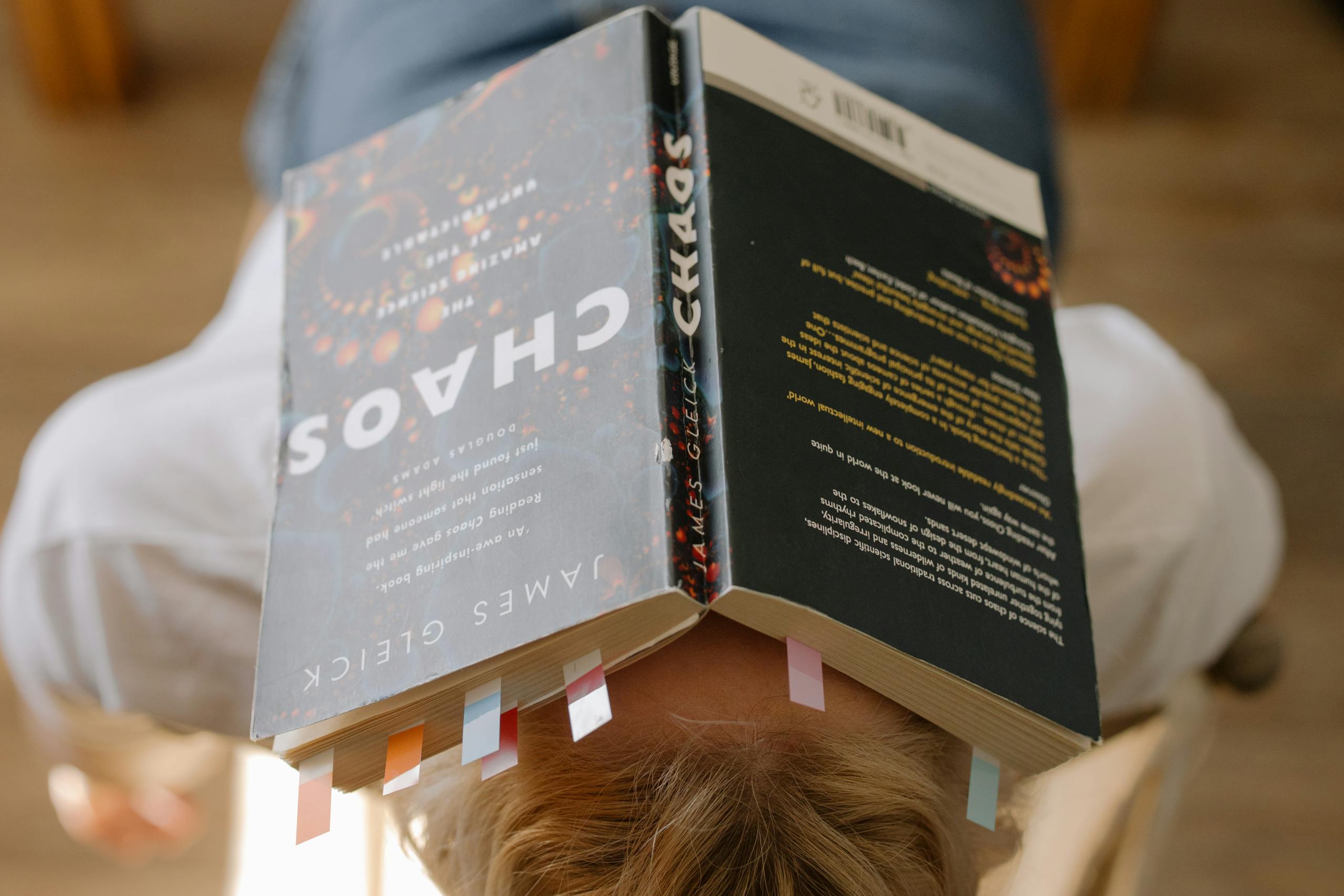

“Alone time” sounds like something you need when you’re tired. A nap. A break. A temporary retreat before you rejoin the world. For introverts, what we actually require goes much deeper than that, and the phrase barely scratches the surface of what’s really happening when we withdraw.
Solitude, for those of us wired toward internal processing, isn’t a pause button. It’s where we actually live. It’s where thinking gets finished, emotion gets sorted, and the noise of other people’s needs finally quiets enough for us to hear ourselves. Calling it “alone time” is a complicated way of saying something that deserves a far more honest name.
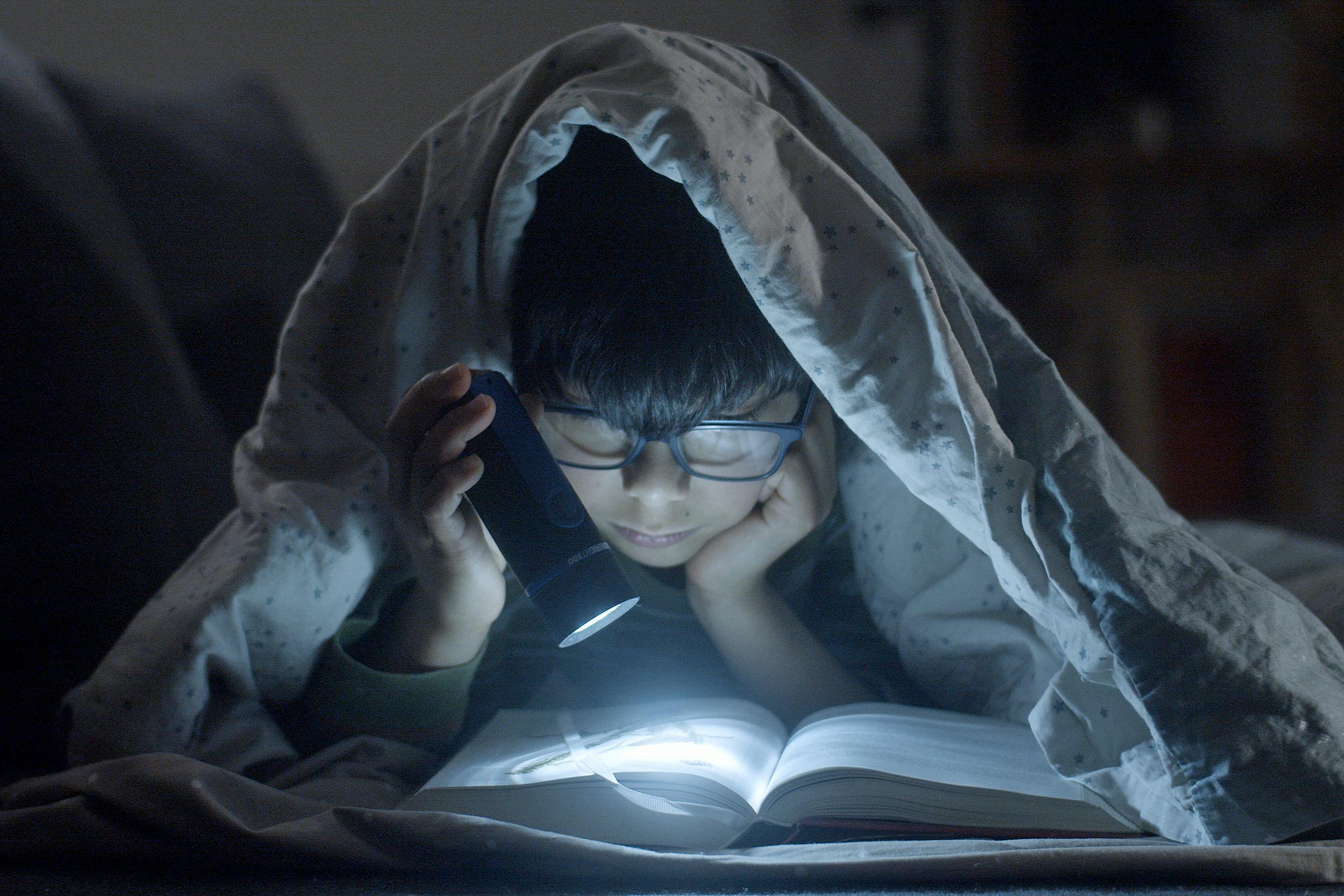
My Solitude, Self-Care & Recharging hub exists because this topic is too layered to cover in a single post. The need for solitude touches sleep, creativity, emotional regulation, nature, and the specific exhaustion that comes from spending a day performing extroversion for people who don’t know you’re performing. This article is about that deeper truth: what we’re actually doing in our solitude, and why the simple phrase we use to describe it doesn’t come close to capturing it.
Why Do We Reach for Such a Small Phrase for Something So Large?
Language shapes how we understand ourselves. When we tell someone we need “alone time,” we’re translating a complex internal requirement into something socially acceptable and easy to dismiss. It sounds like a preference, not a need. A quirk, not a fundamental part of how we’re wired.
What’s your personality type?
Take our free 40-question assessment and get a detailed personality profile with dimension breakdowns, context analysis, and personalised insights.
Discover Your Type8-12 minutes · 40 questions · Free
During my years running advertising agencies, I got very good at that translation. Clients expected availability. Staff expected visibility. The culture of creative agencies in the late nineties and early two-thousands was built on open-plan offices, brainstorm sessions that ran until nine at night, and the unspoken belief that the best ideas came from the loudest rooms. I learned to say “I need to think on this” instead of “I need everyone to stop talking so my brain can work.” I said “I’m going to step out for a bit” instead of “I’m approaching the edge of what I can process in a group setting and I need to leave before I say something I’ll regret.”
The phrase was a cover story. A polite fiction. And I used it for years before I started asking what I actually meant by it.
What I meant was: I need to stop receiving input and start processing what I’ve already received. I need the internal conversation that only happens in silence. I need to return to myself after spending several hours being someone else’s version of me.
That’s not alone time. That’s something much more specific, and much more necessary.
What Is Actually Happening When an Introvert Withdraws?
There’s a model in psychology that describes introverts as people who draw energy from within rather than from external stimulation. Most of us who identify as introverts have heard this framing. It’s useful as a starting point, but it doesn’t explain the texture of what withdrawal actually feels like from the inside.
When I step away from people after a full day of meetings, pitches, or client events, what happens first is a kind of decompression. The constant low-level monitoring I do in social situations, reading the room, tracking who’s comfortable, noticing the subtext under what people say out loud, all of that slowly powers down. It doesn’t happen immediately. There’s usually a transition period of twenty or thirty minutes where I’m still processing the last conversation, replaying moments, filing things away.
Then something shifts. The internal noise settles. And what emerges in that quiet is the part of my thinking that couldn’t happen while I was managing external input. Connections form. Problems that seemed stuck suddenly have obvious solutions. Emotions I didn’t have time to feel in the moment surface and get processed.
This is why the consequences of skipping it are so significant. When I went too long without that processing time, particularly during agency growth periods when the demands were relentless, I didn’t just feel tired. I felt fragmented. Like I was operating on incomplete information about my own internal state. The effects of introverts not getting enough alone time go well beyond fatigue. There’s an emotional and cognitive cost that compounds over days and weeks.
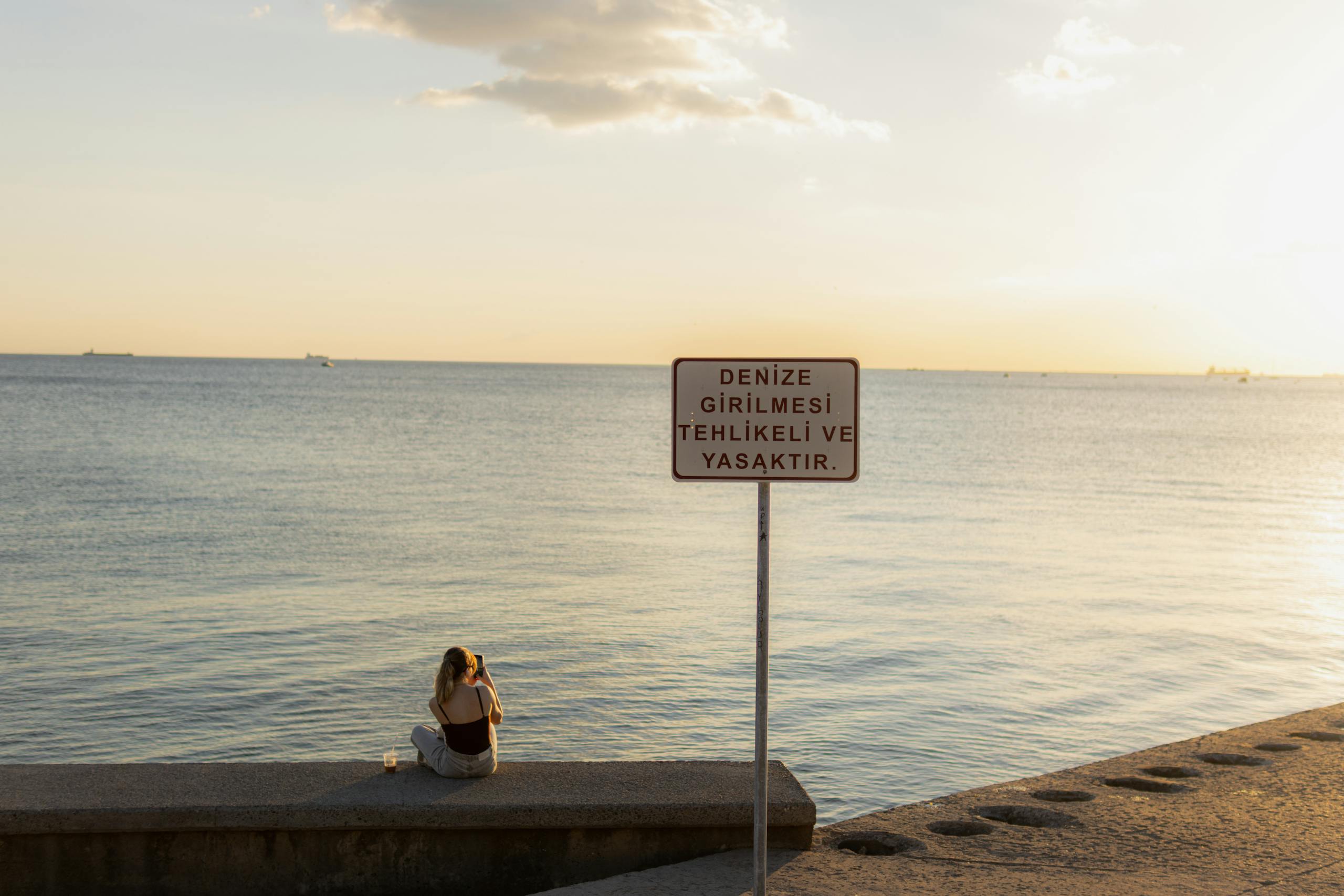
What’s more, the withdrawal itself is generative, not just restorative. Research from the Greater Good Science Center at Berkeley points to solitude as a meaningful contributor to creative thinking. The quiet isn’t empty. It’s where the mind does work that crowds can’t support.
Is the Need for Solitude the Same Across All Introverts?
Not exactly. Introversion exists on a spectrum, and the specific texture of the need varies. But there’s a subset of people, many of whom identify as highly sensitive persons, for whom solitude isn’t just preferred. It’s physiologically necessary in a way that goes even deeper than typical introversion.
HSPs process sensory and emotional information more deeply than most people. The accumulation of input over a day, sounds, interactions, emotional undercurrents in conversations, lighting, crowds, all of it registers more intensely. By the end of a full day, the need for quiet isn’t a preference. It’s urgent.
The practices that support this kind of deep need are worth understanding specifically. Daily self-care practices for highly sensitive people look different from generic wellness advice because the nervous system involved is genuinely different. The same applies to sleep. Rest and recovery strategies for HSPs often require more deliberate wind-down routines, more careful management of stimulation in the hours before bed, because the processing doesn’t automatically stop when the environment quiets.
I managed several people over the years who I now recognize were likely HSPs. One creative director in particular had an almost uncanny ability to read client mood in a room, but she would visibly deflate after long review sessions. At the time, I interpreted it as sensitivity or fragility. Looking back, I understand it as a system that had simply reached capacity. She needed what she needed, and the office culture we’d built didn’t make space for it.
That’s something I’d do differently now. Not because it’s the kind thing to do, though it is. Because people doing their best work need environments that match how they actually function.
What Does Solitude Actually Provide That Social Time Cannot?
There’s a version of this question that sounds like it’s asking introverts to justify themselves. It’s not. It’s worth asking because the answer reveals something important about how different minds do their best work.
Social time, even good social time with people you love, requires a certain kind of performance. You’re managing the interaction. You’re being responsive. You’re tracking someone else’s experience alongside your own. That’s not a criticism of social connection. It’s just a description of what it requires neurologically.
Solitude removes that requirement. What becomes possible in that space is a different quality of self-contact. You can follow a thought to its actual conclusion instead of redirecting it to be socially useful. You can feel something fully instead of managing how it appears to someone else. You can be boring, unproductive, unimpressive, and entirely yourself.
For introverts specifically, this isn’t a luxury. The essential need for solitude in people wired this way is a genuine psychological requirement, not a personality quirk that could be trained away with enough social exposure. Published findings in peer-reviewed psychology literature have explored how voluntary solitude relates to wellbeing, consistently finding that when people choose to be alone rather than feeling forced into it, the outcomes are positive rather than harmful.
The distinction between chosen solitude and imposed isolation matters enormously. Harvard Health’s analysis of loneliness versus isolation makes this clear: the experience of being alone is shaped almost entirely by whether it’s wanted. An introvert retreating to their home office after a full day of client meetings is doing something categorically different from someone who feels trapped and disconnected. Same physical circumstance. Completely different psychological reality.
How Does Where You Are Alone Change What Solitude Gives You?
Not all solitude is equal. The quality of what you get from time alone shifts depending on the environment you’re in, and this is something I didn’t fully appreciate until I started paying closer attention to my own patterns.
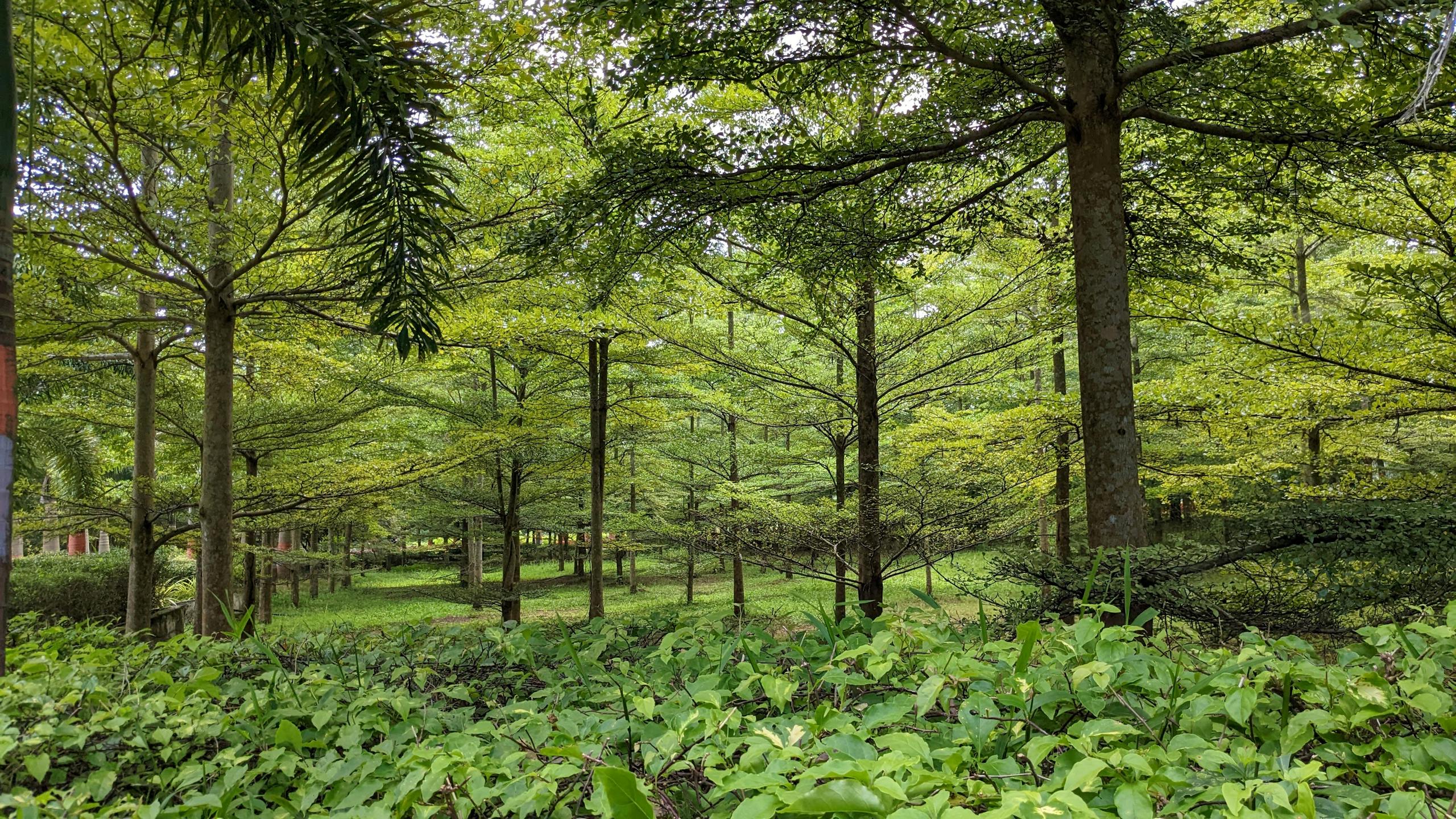
Indoor solitude, the kind most of us default to, is useful. It’s controllable. You can manage the light, the sound, the temperature. But there’s a different quality of restoration that comes from being outside and alone, particularly in natural settings. Something about the scale of it, the fact that the environment isn’t designed around human needs, changes what the mind does in that space.
I started taking solo walks in the mornings during a particularly demanding stretch of an agency merger we were working through. It wasn’t a wellness strategy. It was desperation. But what I found was that forty minutes outside, alone, before the day started, changed the texture of my thinking in ways that sitting quietly at my desk didn’t. Problems looked different. Priorities rearranged themselves. The emotional weight of the previous day seemed to dissipate faster.
The healing dimension of nature connection is particularly pronounced for people who process deeply. There’s something about natural environments that seems to meet the need for stimulation without overwhelming it. The input is rich but not demanding. You can observe without being observed. You can be present without performing presence.
Some introverts take this further, finding that solo travel offers a version of solitude that’s impossible to replicate at home. Psychology Today’s exploration of solo travel frames it as both a growing behavior and, for many people, a deeply preferred approach to experiencing the world. Being alone in a new place removes the social obligations of familiar environments. Nobody expects anything from you. You can be entirely anonymous and entirely yourself.
My dog Mac has been part of my own solitude practice in a way I didn’t anticipate when we got him. There’s something about being with an animal that occupies a strange middle ground between alone and not alone. He’s present, but he doesn’t require performance. He doesn’t need me to be articulate or impressive or emotionally available in the way humans do. That particular kind of companionship has become part of how I recharge in ways I find genuinely hard to explain to people who don’t have a similar relationship with an animal.
Why Do We Feel Guilty About Something We Actually Need?
This might be the most honest question in this whole article. Many introverts, myself included for a long time, feel a low-grade guilt about needing solitude. Not because we’ve thought it through and decided it’s wrong. But because the culture around us treats social availability as a virtue and withdrawal as a flaw.
In agency life, the person who stayed latest, who was always available, who never seemed to need a break, that person was celebrated. The culture rewarded visible presence. I internalized that deeply enough that even on weekends, even on vacation, I felt vaguely irresponsible when I wasn’t accessible. The idea that I might need to be genuinely unreachable for a few hours felt self-indulgent in a way that I now recognize as completely backwards.
The guilt is a social script, not a moral truth. Solitude has documented health benefits, including reduced stress, improved mood, and better self-awareness. These aren’t the outcomes of self-indulgence. They’re the outcomes of meeting a genuine human need.
There’s also a broader social cost to ignoring this need. The CDC’s work on social connectedness emphasizes that wellbeing depends on balance, not on constant engagement. The same logic applies in the other direction: constant social engagement without adequate recovery time degrades wellbeing just as surely as isolation does.
The guilt, when you examine it, is based on a false premise: that your needs are an imposition on others. They’re not. They’re the conditions under which you function well. Meeting them makes you more present, more generous, and more genuinely available when you are with people, not less.

Can You Get Better at Protecting Your Solitude Without Damaging Relationships?
Yes. And the path there is mostly about honesty rather than strategy.
For a long time, I protected my solitude through maneuvering. Scheduling meetings early so I could leave by a certain time. Positioning my office so people couldn’t easily drop by. Being vague about my plans so I had plausible cover for disappearing. It worked, in the sense that I got the time I needed. But it had a cost: it kept me performing the fiction that I didn’t really need what I needed.
The shift came when I started naming it more directly. Not as a demand or a complaint, but as information. “I work best when I have uninterrupted time in the mornings, so I block those hours.” “After a full day of client work, I need a couple of hours before I’m good company.” Simple, factual, not apologetic.
What I found, consistently, was that people responded better to honesty than to the elaborate management I’d been doing. The people who cared about me wanted to understand how I worked. The people who didn’t care weren’t going to be satisfied regardless of how I explained it.
There’s also something to be said for building solitude into your life structurally rather than fighting for it reactively. Morning routines that happen before the world makes demands. Commutes used as transition time rather than as productivity windows. Lunch breaks taken alone when you need them, without guilt. These aren’t grand gestures. They’re small, consistent acts of meeting your own needs.
Psychological research published in Frontiers in Psychology has examined how people who proactively seek solitude tend to experience it differently from those who fall into it reactively. The proactive approach is associated with better outcomes, which makes intuitive sense: when you’re choosing your solitude rather than collapsing into it out of desperation, you’re more likely to use it in ways that actually restore you.
What Happens When You Finally Stop Apologizing for It?
Something settles. That’s the most accurate way I can describe it.
There was a period in my late forties, after I’d left the last agency I ran and was figuring out what came next, when I gave myself permission to be genuinely alone in a way I hadn’t allowed since my twenties. Not because I had to be. Not because I was between commitments and waiting for the next thing. But because I wanted to see what my own life felt like when I stopped managing it for an audience.
What I found was that I was actually quite good company for myself. The internal conversation that I’d been interrupting for decades with social obligation and professional performance turned out to be interesting. I had opinions I hadn’t known I had. I had preferences that had been buried under the accumulated weight of what I thought I was supposed to want.
The psychological literature on self-awareness and solitude points to this: time alone, genuinely chosen and genuinely inhabited, is one of the more reliable paths to understanding yourself. Not because it’s mystical, but because it removes the noise that prevents you from hearing what’s already there.
When you stop apologizing for needing solitude, something else shifts too. You stop framing it as a deficit. You stop explaining yourself in terms of what you can’t handle, can’t tolerate, need to avoid. You start describing it in terms of what you’re doing: processing, creating, restoring, being yourself. That reframe changes how other people receive it, and more importantly, it changes how you experience it.
It stops being a complicated way of saying alone time. It becomes something you can name honestly: this is how I work. This is what I need. This is who I am.
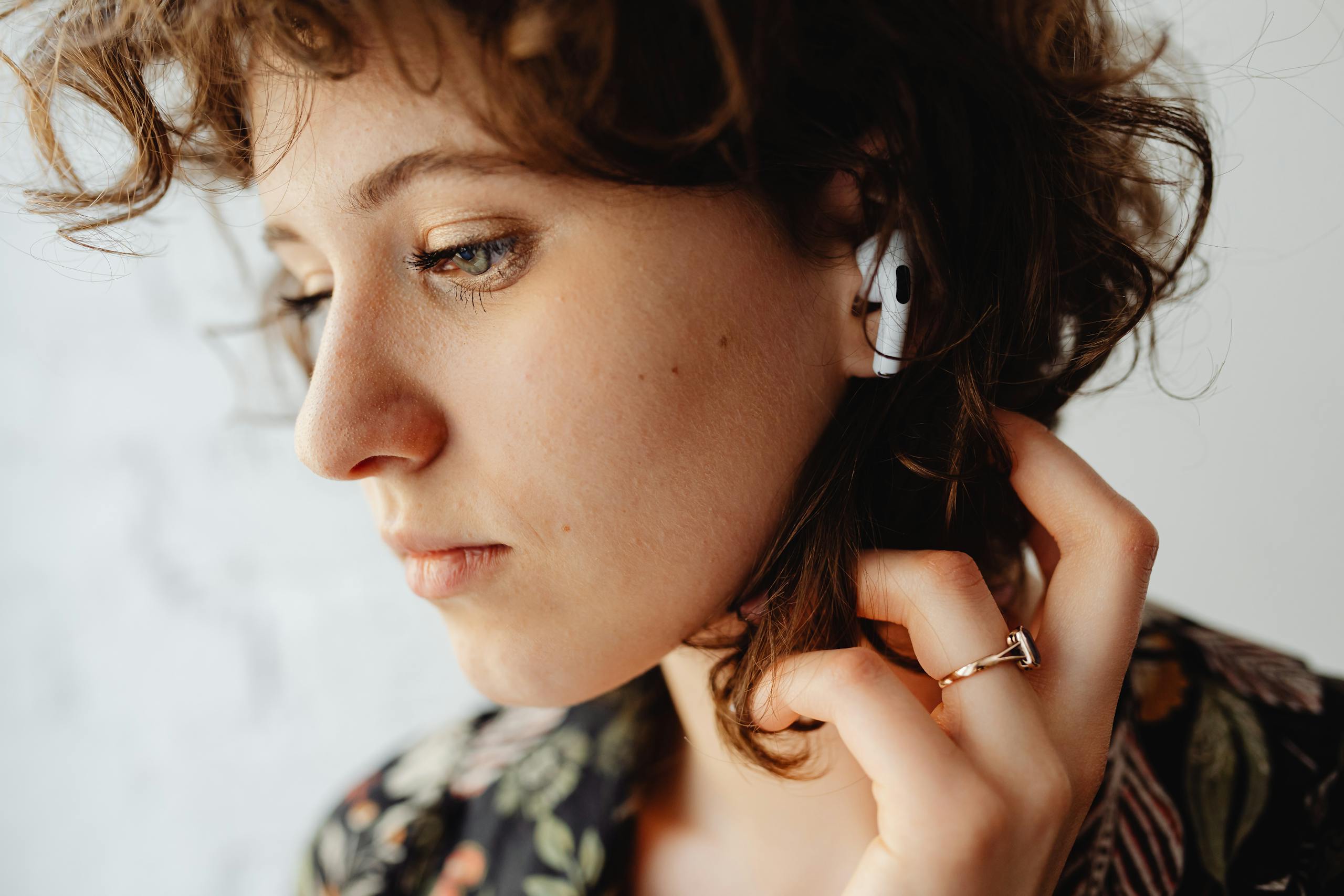
There’s much more to explore across all the dimensions of this topic, from sleep and daily practice to nature and the specific rhythms that help introverts feel genuinely restored. The full Solitude, Self-Care & Recharging hub covers the territory in depth if you want to keep reading.
About the Author
Keith Lacy is an introvert who’s learned to embrace his true self later in life. After 20 years in advertising and marketing leadership, including running agencies and managing Fortune 500 accounts, Keith now channels his experience into helping fellow introverts understand their strengths and build fulfilling careers. As an INTJ, he brings analytical depth and authentic perspective to every article, drawing from both professional expertise and personal growth.
Frequently Asked Questions
Is needing solitude the same as being antisocial?
No. Antisocial behavior involves hostility toward or avoidance of social connection as a pattern. Needing solitude is about managing your energy and processing capacity. Introverts who require significant alone time often have deep, meaningful relationships. They simply need recovery time between social engagements, the same way anyone needs rest between periods of physical exertion. The need for solitude says nothing about how much you value other people.
How much alone time do introverts actually need?
There’s no universal answer because the need varies based on personality, sensitivity level, the intensity of social demands in your life, and what you’re doing during your solitude. Many introverts find that daily solitude, even in shorter blocks, is more sustainable than longer but infrequent withdrawals. The quality of the alone time matters as much as the quantity. Solitude spent genuinely resting and processing tends to be more restorative than time alone spent consuming stimulating content or managing tasks.
Can introverts have too much solitude?
Yes. The distinction between chosen solitude and social withdrawal driven by anxiety, depression, or avoidance is important. Solitude that leaves you feeling restored and connected to yourself is healthy. Solitude that becomes a way of avoiding all human contact, or that deepens feelings of disconnection and loneliness, is worth examining. Most introverts find a natural equilibrium where they want some social connection, just on their own terms and in manageable amounts.
Why does it feel so hard to ask for alone time without feeling guilty?
The guilt usually comes from internalizing a cultural script that equates social availability with virtue and withdrawal with selfishness. Many introverts grew up in environments, families, schools, or workplaces, where being alone was treated as a problem to be solved rather than a legitimate need to be met. Unlearning that association takes time and often requires explicitly reframing solitude as a condition for functioning well rather than an escape from responsibility.
What is the difference between solitude and loneliness?
Solitude is chosen and experienced as restorative or neutral. Loneliness is the painful feeling of being disconnected from others, regardless of whether you’re physically alone. You can feel lonely in a crowd and at peace in genuine solitude. For introverts, solitude is typically a positive state. The risk of loneliness exists when social withdrawal becomes habitual enough to erode the connections that still matter, or when introversion is used as a reason to avoid relationships that would actually be fulfilling.