
Standing shoulder to shoulder with thousands of strangers while bass frequencies vibrate through your chest isn’t most introverts’ idea of relaxation. Yet there I was at 32, watching a band I’d loved for years, feeling completely drained fifteen minutes into the show.
The music was exactly what I wanted to hear. The performance was flawless. But my nervous system was treating the experience like a five-alarm fire.

Concerts create a perfect storm of introvert challenges. Massive crowds, unpredictable social interactions, intense sensory input, and zero control over the environment. Add in the cultural expectation that you should be ecstatic the entire time, and you’ve got a recipe for misery.
Most advice tells you to “just relax” or “get out of your head.” That’s about as helpful as telling someone with a migraine to “stop having a headache.” Our General Introvert Life hub addresses dozens of scenarios where standard extroverted advice falls short, and concerts represent one of the most physically demanding situations we face.
Understanding Concert Overstimulation
A 2019 study from the University of Michigan found that introverts process sensory information more deeply than extroverts, meaning concert environments trigger stronger physiological responses. Your exhaustion isn’t weakness. It’s your nervous system doing exactly what it’s designed to do.
What’s your personality type?
Take our free 40-question assessment and get a detailed personality profile with dimension breakdowns, context analysis, and personalised insights.
Discover Your Type8-12 minutes · 40 questions · Free
During my advertising career, I attended countless industry events and product launches. The corporate concert experience taught me something valuable: the problem wasn’t my enjoyment of music. The problem was trying to experience live music the same way extroverts do.
Concert venues average 95-110 decibels. Prolonged exposure at this level causes genuine stress responses. According to the World Health Organization, sounds above 85 decibels begin affecting cortisol levels. You’re not being dramatic when a three-hour show feels physically exhausting.
Think about what happens to your body: elevated heart rate, increased muscle tension, heightened alertness, difficulty focusing on conversations. These aren’t personality quirks. They’re measurable physiological responses to sustained overstimulation. For those dealing with both ADHD and introversion, sensory processing challenges compound significantly.
The Crowd Density Factor
General admission shows can pack 4-6 people per square meter. Research from the American Psychological Association indicates that crowd density at this level triggers stress responses in most people, but introverts experience these effects more intensely and recover more slowly.
Personal space violations activate your amygdala constantly. Someone’s elbow in your ribs every thirty seconds isn’t something you can “just ignore.” Each violation requires active cognitive processing, which depletes your mental resources.

Strategic Concert Planning
After attending dozens of concerts using trial and error, I’ve developed a system that actually works. This isn’t about avoiding live music. It’s about engineering experiences that don’t leave you wrecked for three days.
Venue Selection Matters More Than You Think
Seated venues change everything. The difference between general admission standing and reserved seating isn’t just comfort. It’s control. You know exactly where you’ll be, who’s next to you stays consistent, and you can leave your spot without losing it forever.
Smaller venues often provide better experiences than massive amphitheaters. A 500-person club feels intimate. A 15,000-person arena feels like sensory assault. The band might be the same, but your nervous system registers completely different threats.
Outdoor venues offer escape routes and fresh air. Indoor venues trap heat, sound, and humanity in ways that compound exhaustion. One client project required me to attend an outdoor music festival for Fortune 500 brand activation. The ability to step away from the stage made the difference between manageable and miserable.
Timing Strategy
Arrive late, leave early. Missing the opening act means arriving after initial crowd chaos. Leaving before the encore means exiting before mass exodus. You sacrifice ten minutes of music to gain an hour of recovery time.
Weeknight shows draw smaller crowds than weekend performances. Tuesday night attendance runs 30-40% below Saturday night for the same artist. Fewer people means less competition for space, shorter bathroom lines, and easier navigation.
Consider the whole day surrounding the concert. Scheduling a demanding work presentation the same afternoon as an evening show sets you up for complete depletion. Build buffer time before and after.
Physical Survival Tactics
Position yourself strategically within the venue. The back third of the floor provides adequate sound while maintaining personal space. Balcony seats offer even better control with the added benefit of a clear view.
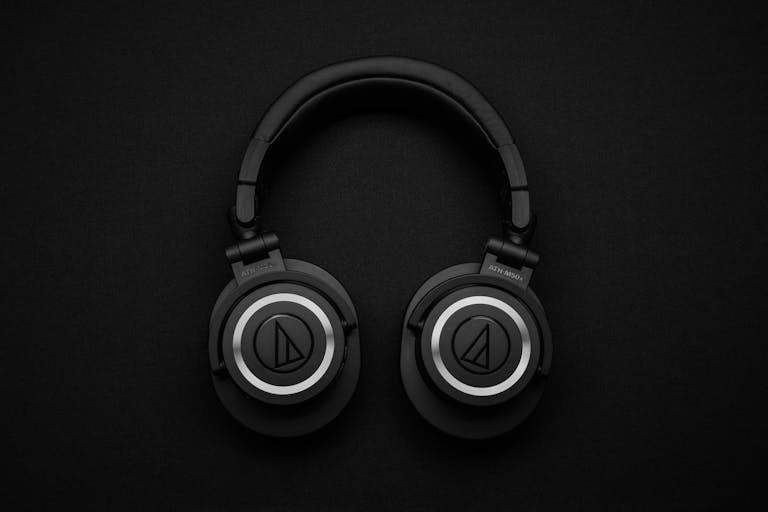
High-fidelity earplugs preserve music quality while reducing volume. According to the American Speech-Language-Hearing Association, musician’s earplugs reduce sound by 15-25 decibels without distorting frequency. The band sounds exactly the same, just safer.
Wear them from the start. Waiting until your ears ring means you’ve already caused damage. Your hearing doesn’t care about looking cool.
Managing Physical Needs
Hydration affects your stress response directly. Concert dehydration compounds exhaustion because your body allocates resources to managing fluid balance on top of everything else. Drink water before feeling thirsty.
Plan bathroom trips during slow songs or between sets. Waiting until desperation forces action means dealing with crowds while already stressed. Strategic timing reduces both physical discomfort and social demands.
Eat something substantial before arriving. Low blood sugar amplifies stress responses. Your nervous system can’t distinguish between concert overstimulation and actual danger when you’re running on empty.
Social Interaction Management
Going alone eliminates pressure to perform enthusiasm matching. Nobody’s monitoring your facial expressions or energy level. You can experience the music on your own terms without managing someone else’s expectations.
When attending with others, establish boundaries upfront. “I’m going to need space during the show” said beforehand prevents hurt feelings when you don’t want to dance or socialize mid-concert.
Meeting friends at the venue rather than arriving together gives you control over your pre-show experience. You can manage your energy without coordinating dinner plans or dealing with group dynamics before the main event.
Dealing With Chatty Neighbors
Someone will try to talk to you. They always do. Polite acknowledgment followed by body language that says “I’m here for the music” usually works. Headphone-style earplugs send a clear signal without requiring explanation.
You don’t owe strangers conversation. Nodding and returning attention to the stage isn’t rude. It’s appropriate concert behavior that extroverts have normalized away.

Energy Management Before and After
Clear your schedule the next day. A 2021 study in the Journal of Personality found that introverts require significantly longer recovery periods after high-stimulation events. Planning recovery time isn’t optional.
Leading teams through intense client presentations taught me that you can’t maintain peak performance without deliberate recovery. The same principle applies to concerts. Your enjoyment during the show comes at a cost that needs repayment.
Arrive at the venue with energy reserves intact. Scheduling back-to-back social activities before a concert means starting depleted. Space out demanding experiences across different days when possible.
Post-Concert Recovery
Skip the afterparty. Seriously. The concert was the experience. Everything afterward is just additional depletion for diminishing returns. Going home immediately preserves energy for actual recovery.
Plan next-day solitude. You’ll need it. Schedule no meetings, no obligations, no performance requirements. Give your nervous system permission to process and reset.
Research from the University of California shows that sensory recovery requires quiet environments with minimal demands. Your body needs to recalibrate after hours of hypervigilance.
Alternative Ways to Experience Live Music
Livestreamed concerts eliminate every major concert stressor while maintaining the communal experience. You get the performance without the crowd, the music without the volume damage, the energy without the exhaustion.
Smaller, intimate venue performances often provide better experiences than arena shows. A 200-person acoustic set creates connection without chaos. The artist is the same, but the environment respects your nervous system.
Outdoor amphitheaters with lawn seating offer compromise. You’re still present, still experiencing live music, but maintaining distance and control that general admission can’t provide.

When to Skip Concerts Entirely
Sometimes the cost exceeds the benefit. Missing a concert doesn’t make you less of a fan. Protecting your wellbeing demonstrates self-awareness, not weakness. Understanding ways introverts undermine themselves helps you recognize when you’re forcing experiences that aren’t serving you.
Festival environments multiply every concert challenge. Multiple stages, constant movement, extended duration, camping conditions. If regular concerts drain you, festivals will destroy you.
General admission standing-room-only shows require specific preparation that seated venues don’t. Know what you’re signing up for before purchasing tickets.
Making Peace With Your Concert Experience
Stop comparing your experience to the screaming superfan in the front row. Your nervous systems aren’t the same. Recovery time differs. Enjoyment thresholds vary. Those aren’t personal failings.
You can love music deeply while experiencing concerts differently. Those aren’t contradictions. They’re just reality for how your brain processes intense environments.
Understanding similar challenges helps. Our guide on why introverts hate phone calls explores how sensory processing affects communication preferences. The principles apply to concerts too.
Accepting your needs doesn’t mean missing out. It means experiencing things in ways that actually work for how you’re wired. That’s not settling. That’s intelligence.
Concert culture assumes everyone wants maximum intensity, maximum crowd energy, maximum duration. But maximum isn’t always optimal. Sometimes moderate intensity with full presence beats extreme intensity with constant stress management.
The best concert experience is one you actually enjoy, not one you survive. If that means arriving late, sitting in the back, wearing earplugs, and leaving before the encore, then do exactly that.
Managing expectations around social interaction helps too. Reading about common myths about introverts can help you recognize when you’re accepting false narratives about how you “should” behave at concerts.
Your experience is valid exactly as it is. Disclaimers aren’t needed. Apologies aren’t required. Explanations aren’t necessary.
Frequently Asked Questions
Why do concerts drain me more than other social events?
Concerts combine multiple stressors simultaneously: high-volume sound, crowd density, unpredictable social interactions, limited escape routes, and sustained duration. Each factor compounds the others. A 2020 study from the University of British Columbia found that introverts process sensory information more deeply, meaning concert environments trigger stronger physiological stress responses than typical social situations. The overstimulation isn’t just psychological; it creates measurable changes in cortisol levels and nervous system activation.
Is it normal to need days to recover after a concert?
Completely normal for introverts. Studies on personality and recovery time show that introverts require significantly longer periods to restore baseline energy after high-stimulation events. Your nervous system spent hours in heightened alert mode processing intense sensory input and managing crowd proximity. That level of activation doesn’t reset overnight. Needing 24-48 hours of low-stimulation recovery time aligns with how introverted nervous systems function.
Should I force myself to go to concerts to “get used to it”?
Exposure therapy doesn’t work this way. Repeatedly subjecting yourself to overwhelming situations doesn’t build tolerance; it often increases sensitivity and creates negative associations. What works isn’t forcing yourself to enjoy concerts the way extroverts do. Success comes from finding approaches that let you experience live music without destroying your wellbeing. That might mean seated venues, smaller crowds, or livestreamed performances.
How can I enjoy concerts with extroverted friends who don’t understand?
Set boundaries before arriving. Explain that you’ll need space during the performance and might leave early. Meet at the venue rather than traveling together. Position yourself where you’re comfortable, not where they want to be. Their experience doesn’t have to dictate yours. Many introverts find that going alone provides more actual enjoyment than compromising needs to accommodate friends who process concerts differently.
Are earplugs worth it or do they ruin the experience?
High-fidelity musician’s earplugs preserve sound quality while reducing volume to safer levels. The music sounds identical, just quieter. They don’t muffle or distort; they attenuate evenly across frequencies. Concert volumes regularly exceed 100 decibels, which the CDC warns causes permanent hearing damage with sustained exposure. Protecting your hearing doesn’t ruin the experience; it makes future experiences possible.
Explore more lifestyle strategies for managing social situations in our complete General Introvert Life Hub.
About the Author
Keith Lacy is an introvert who’s learned to embrace his true self later in life. With a background in marketing and a successful career in media and advertising, Keith has worked with some of the world’s biggest brands. As a senior leader in the industry, he has built a wealth of knowledge in marketing strategy. Now, he’s on a mission to educate both introverts and extroverts about the power of introversion and how understanding this personality trait can unlock new levels of productivity, self-awareness, and success.