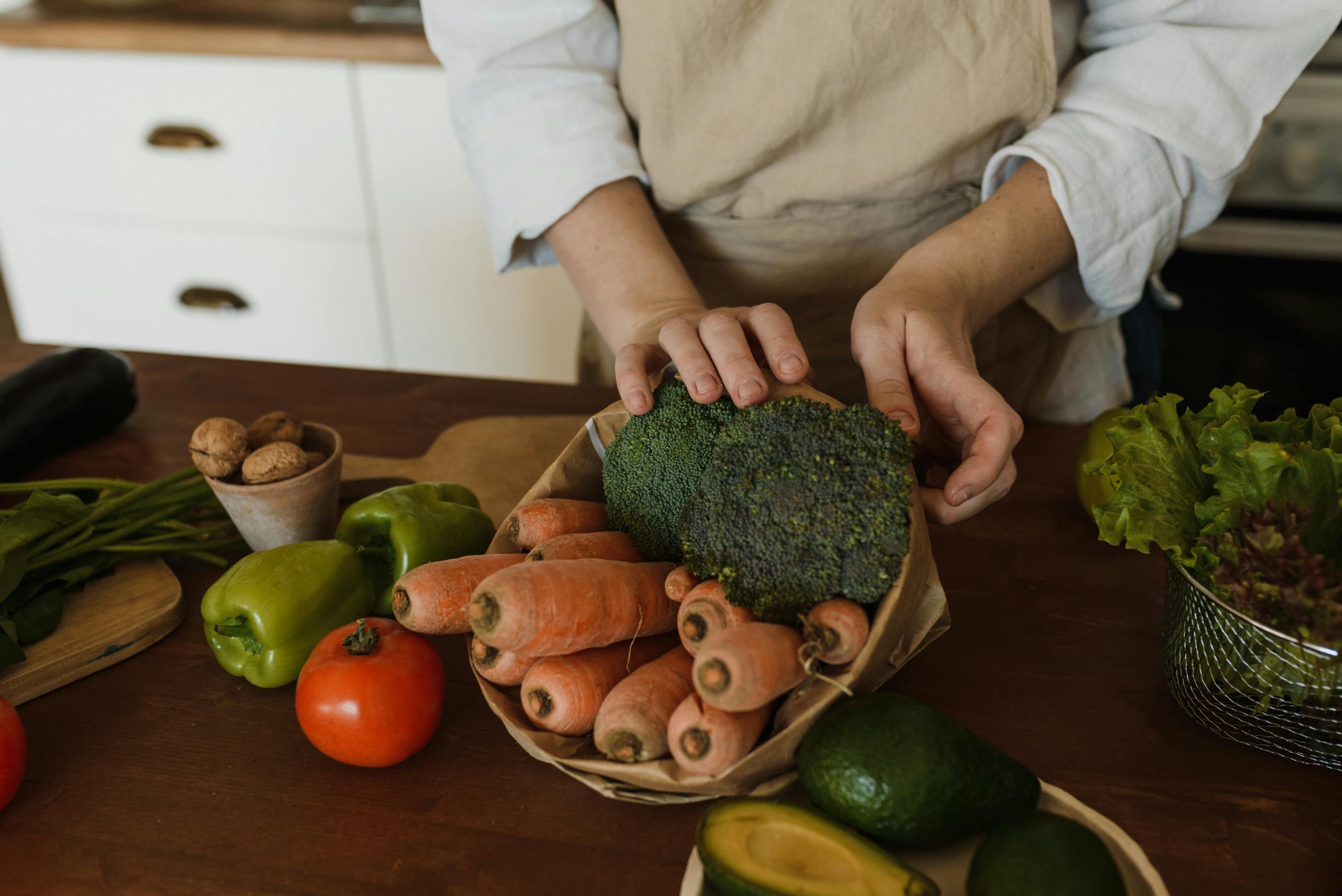

I was thirty-five years old before I made anything more complicated than scrambled eggs. Not because I lacked ambition or intelligence. I led teams at Fortune 500 companies, managed multimillion-dollar advertising campaigns, and navigated the chaos of agency life with what I thought was reasonable competence. But cooking? That felt like an entirely different universe, one I had somehow managed to avoid for three and a half decades.
What finally changed everything had nothing to do with Gordon Ramsay tutorials or meal prep influencers. It started during a particularly brutal stretch of burnout when ordering takeout required more social energy than I could muster. The idea of talking to a delivery person, even through an app, felt overwhelming. So I found myself standing in my kitchen, staring at a bag of pasta and a jar of sauce, wondering if this was something I could actually figure out.
That awkward evening with overcooked spaghetti became the beginning of something unexpected. Cooking transformed from an intimidating chore into one of my most reliable forms of self-care. For introverts like us, the kitchen can become a sanctuary, a place where we control our environment completely and answer to no one except our own taste buds.

Why Cooking Feels Different for Introverts
There is something about cooking that aligns naturally with how introverted minds work. The process rewards exactly the kind of careful attention and methodical thinking that comes naturally to those of us who live in our heads. Unlike social situations where we must constantly read and respond to unpredictable human dynamics, cooking follows logical progressions. Heat transforms food. Seasonings build flavor. Time creates texture. These are patterns we can learn, predict, and master.
What’s your personality type?
Take our free 40-question assessment and get a detailed personality profile with dimension breakdowns, context analysis, and personalised insights.
Discover Your Type8-12 minutes · 40 questions · Free
A systematic review published in the journal Health Education and Behavior found that cooking interventions positively influence psychosocial outcomes including self-esteem, social interaction, and reduced anxiety. For introverts who often struggle with conventional social activities, the kitchen offers a space to build confidence and experience accomplishment on our own terms.
I discovered that the same analytical thinking I used to dissect marketing strategies translated beautifully to understanding why certain flavors complement each other. During my years managing creative teams, I learned that self-care strategies need to align with our natural inclinations. Cooking fits that requirement perfectly for introverts who prefer solitary activities with tangible outcomes.
The Kitchen Equipment You Actually Need
One of the biggest obstacles for beginner cooks is the overwhelming amount of advice about equipment. Celebrity chefs promote elaborate kitchen setups. Home improvement shows feature granite countertops and professional-grade appliances. This noise creates an impression that cooking requires significant investment before you can even start.
The truth is far simpler. According to culinary educators at Auguste Escoffier School of Culinary Arts, beginner cooks need only three essential knives: a chef’s knife for general cutting, a paring knife for small tasks, and a serrated knife for bread and tomatoes. That is genuinely all you need to handle ninety percent of kitchen tasks.
Beyond knives, here is what I actually use regularly:
A medium-sized saucepan handles pasta, rice, soups, and sauces. A large skillet or frying pan covers everything from eggs to stir-fries to seared proteins. A rimmed baking sheet works for roasting vegetables, baking, and countless other tasks. A cutting board provides your workspace. A colander drains pasta and washes produce. Measuring cups and spoons bring precision when you need it.
That list might seem sparse, but it genuinely covers what you need to cook hundreds of different meals. I spent years believing I needed more equipment before I could cook properly. That belief kept me ordering takeout and eating frozen dinners. Start with basics. Add specialized tools later if specific recipes genuinely require them.

Starting Simple Without Feeling Patronized
Most beginner cooking advice makes intelligent adults feel ridiculous. Instructions to boil water and add pasta assume a level of incompetence that can feel insulting. But the gap between knowing how to boil pasta and actually understanding cooking fundamentals is real, and pretending it does not exist helps no one.
The key is starting simple without starting basic. There is a difference. Basic assumes you need remedial instruction in obvious tasks. Simple means choosing recipes with fewer variables to manage while you build foundational skills.
Eggs are the perfect starting point because they respond dramatically to technique changes. Scrambled eggs cooked low and slow taste completely different from eggs cooked fast over high heat. Neither approach is wrong, but experiencing both teaches you about heat control in a forgiving context. As Psychology Today notes, the therapeutic benefits of cooking emerge through focus and sensory engagement, not complexity.
After mastering eggs, move to one-pan meals where everything cooks together. A sheet pan with vegetables and a protein, all roasted simultaneously, teaches timing and temperature without requiring you to juggle multiple dishes. Learning to build self-care practices means meeting yourself where you are rather than where cooking shows suggest you should be.
Understanding Heat and Why It Matters
Heat is the single most important variable in cooking, yet it rarely receives adequate explanation in beginner resources. Most recipes casually mention “medium heat” or “high heat” without acknowledging that every stove behaves differently and that these terms mean almost nothing without context.
I learned this the hard way when I burned three batches of garlic in a single week. The recipe said to sauté garlic over medium heat until fragrant. My electric stove’s “medium” setting was apparently volcanic. Those failures taught me more about cooking than any YouTube tutorial.
Here is what took me years to understand: you control heat not just with the dial but with time and technique. Removing a pan from the burner briefly is a heat adjustment. Adding cold ingredients to a hot pan lowers its temperature. Opening the oven door releases heat. Understanding these dynamics gives you far more control than simply following temperature instructions.
Pay attention to what your food tells you. Sizzling sounds indicate moisture releasing, which means browning is happening. Steam rising means moisture is evaporating. Smoke means something is burning. These sensory cues become your real-time feedback system, far more reliable than arbitrary heat settings on appliances you have never calibrated.
The Psychology of Learning to Cook Later in Life
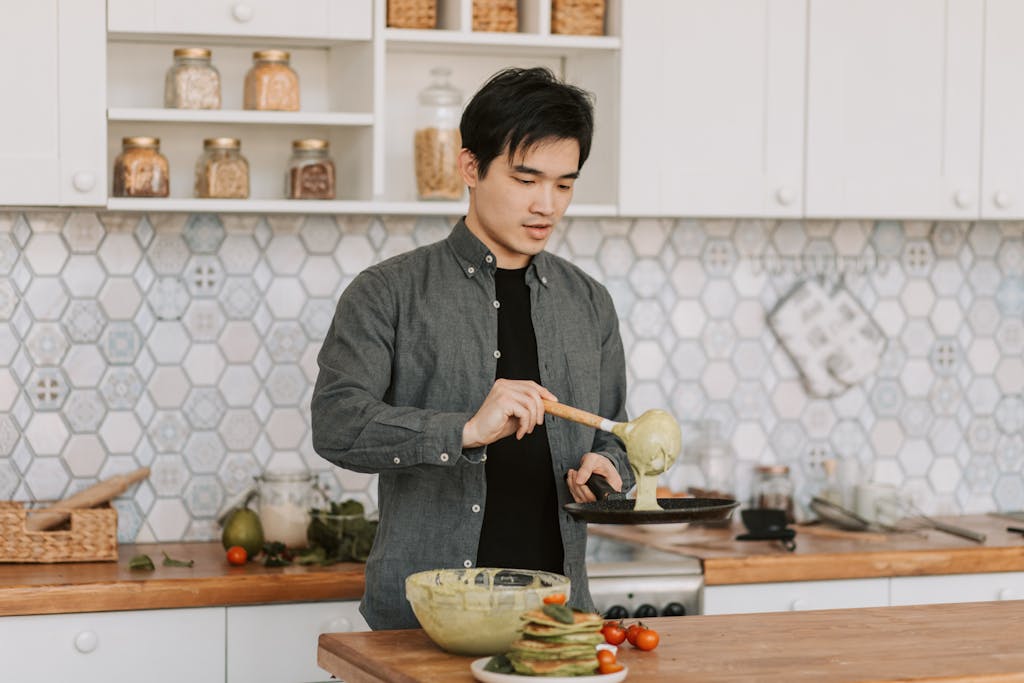
There is a particular vulnerability in learning something that others mastered decades earlier. When colleagues casually mention their favorite risotto techniques or debate the merits of different pie crust methods, those of us who cannot cook feel an awkward silence where contribution should be. This discomfort keeps many adults from ever starting.
Research from the Frontiers in Psychology journal explores cooking through the lens of positive psychology, finding that the activity supports well-being across multiple dimensions: positive emotion, engagement, relationships, meaning, and accomplishment. These benefits exist regardless of when you start or how skilled you become.
During my advertising agency days, I watched talented professionals freeze when asked to present ideas because they feared judgment. The same dynamic affects adults learning to cook. We imagine dinner party disasters, imagined mockery from more competent cooks, burned meals offered to disappointed guests. These scenarios feel so real that we avoid the kitchen entirely.
The solution is cooking alone at first. As introverts, we naturally prefer solitary learning anyway. This is not about hiding failures but about creating space to experiment without performance anxiety. Understanding how introverts approach wellness differently helps explain why private practice often works better for us than group classes or social cooking experiences.
Building Your Pantry Without Overwhelm
Stocking a kitchen feels overwhelming when every article lists fifty essential ingredients. The reality is that a handful of staples covers most cooking needs, and you can build from there as specific recipes require additional items.
Olive oil and a neutral cooking oil like vegetable or canola handle most cooking needs. Salt brings out flavors in nearly everything. Pepper adds mild heat and complexity. Garlic powder works when you do not have fresh garlic. Dried oregano, basil, and thyme cover most herb requirements. Red pepper flakes add heat when you want it. Soy sauce brings umami depth to Asian-inspired dishes and beyond.
For dry goods, rice and pasta provide starch foundations for countless meals. Canned beans offer protein and fiber with zero preparation. Canned tomatoes become the base for sauces, soups, and stews. Chicken or vegetable broth adds flavor to everything from grains to braised dishes.
This is not about restriction but about removing decision fatigue. When you know what is always available in your kitchen, meal planning becomes exponentially easier. You stop standing in grocery store aisles wondering what to buy and start thinking about what sounds good for dinner. The benefits of alone time extend to the kitchen, where quiet meal preparation becomes a form of restoration.
Five Foundational Techniques That Cover Most Cooking
Professional culinary education often presents cooking as an endless landscape of techniques to master. While advanced cooking certainly involves specialized skills, most home cooking relies on a surprisingly small set of fundamental approaches. Understanding these five techniques gives you the foundation to cook almost anything.
Sautéing involves cooking food quickly in a small amount of fat over relatively high heat. This technique works for vegetables, proteins, and aromatics like onions and garlic. The key is maintaining enough heat that food browns rather than steams, which means not overcrowding the pan and letting ingredients develop color before stirring.
Roasting uses dry heat in an oven to cook food, typically at temperatures between 375 and 450 degrees Fahrenheit. This method works beautifully for vegetables, meats, and even some fruits. The high heat creates caramelization on surfaces while cooking interiors through radiant heat.
Boiling and simmering differ only in intensity. Boiling involves vigorous bubbling suitable for pasta and blanching vegetables. Simmering is gentler, with small bubbles occasionally breaking the surface, perfect for soups, stews, and braised dishes that need time to develop flavor.
Braising combines searing with slow, moist cooking. You brown meat or vegetables first, then add liquid and cook covered at low heat for an extended period. This technique transforms tough cuts into tender, flavorful dishes and creates rich sauces from simple ingredients.
Stir-frying uses very high heat and constant motion to cook small pieces of food quickly. While associated with Asian cuisines, the technique works for any combination of vegetables and proteins you want to cook rapidly while maintaining crispness.

Making Peace with Mistakes
Failures in cooking are not just inevitable but essential. Every overcooked steak teaches you about timing. Every bland soup reveals gaps in seasoning understanding. Every burned batch of cookies illuminates how your specific oven behaves differently from recipe assumptions.
The Journal of Positive Psychology published research finding that daily creative activities, including cooking, correlate with greater overall well-being and feelings of flourishing. This benefit comes not from perfect execution but from engagement in the creative process itself. Failed dishes still provide this psychological benefit.
I remember the first time I attempted homemade pizza dough. The result resembled a dense, chewy hockey puck more than anything you would find in a pizzeria. But that failure taught me about gluten development, hydration ratios, and the importance of proper resting times. My tenth attempt at pizza dough was genuinely good, and that success felt earned precisely because of the failures that preceded it.
Give yourself permission to make terrible meals. Order backup pizza when experiments fail spectacularly. Laugh at disasters rather than treating them as evidence of fundamental inadequacy. Understanding the role of solitude in processing experiences helps us recognize that private failures carry no shame, only learning.
Cooking as Meditation and Self-Care
The repetitive physical actions of cooking offer something that few other activities provide: a way to occupy hands and partial attention while allowing the mind to wander productively. Chopping vegetables creates rhythm. Stirring becomes hypnotic. Waiting for bread to rise enforces patience in a world that rarely demands it.
Mental health professionals increasingly recognize cooking as a legitimate therapeutic intervention. Psyche magazine describes kitchen therapy as a practice that transforms inner states and brings attention to personal needs. For introverts who process experiences internally, the solitary nature of cooking provides space for reflection that busier activities cannot offer.
After particularly draining days managing client relationships and navigating office politics, I found that an hour in the kitchen reset my nervous system more effectively than any other activity. The sensory engagement, the focus required, and the tangible outcome of a prepared meal created a complete cognitive shift away from workplace stress.
This is not about becoming a gourmet chef or impressing dinner guests. It is about finding another tool for managing the particular challenges that introverts face in overstimulating environments. The kitchen becomes a controlled space where we set the pace, choose the music, and answer to no one except ourselves.
Simple Meals That Build Confidence
Theory without practice accomplishes nothing. Here are three approachable meals that teach fundamental skills while actually tasting good.
A basic stir-fry teaches heat management and timing. Cut vegetables and protein into similar-sized pieces for even cooking. Heat oil in a large pan or wok until it shimmers. Cook protein first, remove it, then cook vegetables in batches starting with those needing the most time. Combine everything with a simple sauce of soy sauce, garlic, and a touch of honey or brown sugar. Serve over rice.
Sheet pan dinners demonstrate roasting while requiring minimal hands-on time. Arrange vegetables and protein on a rimmed baking sheet. Toss everything with oil, salt, and any seasonings you enjoy. Roast at 425 degrees Fahrenheit until vegetables caramelize and protein reaches proper temperature. The technique works with nearly any combination of ingredients.
A simple pasta with garlic and olive oil, known as aglio e olio, teaches the foundation of pan sauces. Cook pasta until just barely done. Meanwhile, gently sauté sliced garlic in abundant olive oil until golden but not brown. Add pasta directly to the oil with some pasta cooking water, tossing until a silky sauce forms. Finish with pepper and parmesan. This dish costs almost nothing and rivals restaurant versions when executed well.

Moving Forward at Your Own Pace
Learning to cook later in life carries advantages that earlier learners rarely appreciate. You have developed palates that know what you actually enjoy eating. You have enough life experience to understand that skills develop through practice rather than natural talent. You have the resources to buy quality ingredients and proper equipment when needed.
The researchers behind cooking and well-being studies consistently note that benefits come from the activity itself, not from achieving expertise. A simple meal cooked with attention provides the same psychological benefits as an elaborate dinner party. The point is engagement, not performance.
For introverts especially, cooking offers something rare: a practical skill that improves through solitary practice, creates tangible value in our lives, and never requires networking, small talk, or performing for audiences. The kitchen asks only that we show up, pay attention, and try.
Start tonight. Make scrambled eggs or pasta with jarred sauce. It genuinely does not matter. What matters is beginning, and then beginning again tomorrow, and discovering slowly that this skill you never learned is actually one you have been capable of all along.
Frequently Asked Questions
What is the absolute minimum equipment needed to start cooking?
A chef’s knife, cutting board, medium saucepan, and large skillet cover most basic cooking tasks. Add measuring cups and spoons if you want precision. Everything else can wait until specific recipes require additional tools.
How can introverts learn to cook without taking group classes?
Written recipes, video tutorials, and cookbook experimentation allow completely solitary learning. Many introverts prefer this approach because it removes performance anxiety and allows mistakes to happen privately without social consequences.
Why does cooking help with mental health and stress?
Cooking engages multiple senses and requires present-moment attention that interrupts anxious thought patterns. The tangible outcome of a prepared meal provides accomplishment feelings, and the creative aspects support overall well-being according to psychological research.
What should introverts cook when they have no energy for complicated meals?
Sheet pan dinners require minimal active cooking time. Pasta with simple sauces takes under twenty minutes. Eggs in any form cook quickly with little cleanup. Having these low-effort options available prevents the slide back into takeout dependency during low-energy periods.
How long does it take to become a competent home cook?
Basic competence develops within a few weeks of regular practice. Genuine comfort and intuition take longer, usually several months to a year of consistent cooking. The timeline matters less than maintaining regular engagement with the learning process.
Explore more self-care resources in our complete Solitude, Self-Care and Recharging Hub.
About the Author
Keith Lacy is an introvert who’s learned to embrace his true self later in life. With a background in marketing and a successful career in media and advertising, Keith has worked with some of the world’s biggest brands. As a senior leader in the industry, he has built a wealth of knowledge in marketing strategy. Now, he’s on a mission to educate both introverts and extroverts about the power of introversion and how understanding this personality trait can unlock new levels of productivity, self-awareness, and success.