
Practicing self-care as an introvert means something more specific than bubble baths and early bedtimes. It means protecting your energy, honoring your need for solitude, and building habits that work with your wiring instead of against it. When you understand what actually depletes you and what genuinely restores you, self-care stops feeling like a luxury and starts functioning like maintenance.
Most mainstream self-care advice is written for people who recharge socially. For those of us who recharge alone, that advice often creates more pressure than relief. What follows are the practices I’ve found most useful, drawn from my own experience as an INTJ who spent two decades leading advertising agencies before finally learning to stop apologizing for how I’m built.

If you’re exploring this topic more broadly, our Solitude, Self-Care and Recharging hub covers the full range of how introverts restore themselves, from daily rituals to deeper questions about what rest actually means for people wired like us.
Why Does Standard Self-Care Advice Miss the Mark for Introverts?
Somewhere in my mid-forties, I attended a corporate wellness workshop where the facilitator enthusiastically recommended that everyone “recharge by getting together with friends after a hard week.” Half the room nodded. I wrote it down in my notebook and immediately felt exhausted by the idea.
What’s your personality type?
Take our free 40-question assessment and get a detailed personality profile with dimension breakdowns, context analysis, and personalised insights.
Discover Your Type8-12 minutes · 40 questions · Free
That moment crystallized something I’d been circling for years. The self-care conversation in most professional and wellness spaces assumes a particular kind of nervous system, one that finds social contact restorative rather than draining. For introverts, and especially for highly sensitive introverts, that assumption creates a persistent gap between the advice and the actual experience.
Introversion isn’t shyness, and it isn’t antisocial behavior. It’s a neurological orientation toward internal processing. My mind works through problems by turning inward, not outward. After a full day of client presentations, account reviews, and team check-ins at the agency, I didn’t need more human contact to recover. I needed quiet. I needed space to process what had happened. I needed, in the most literal sense, to be alone.
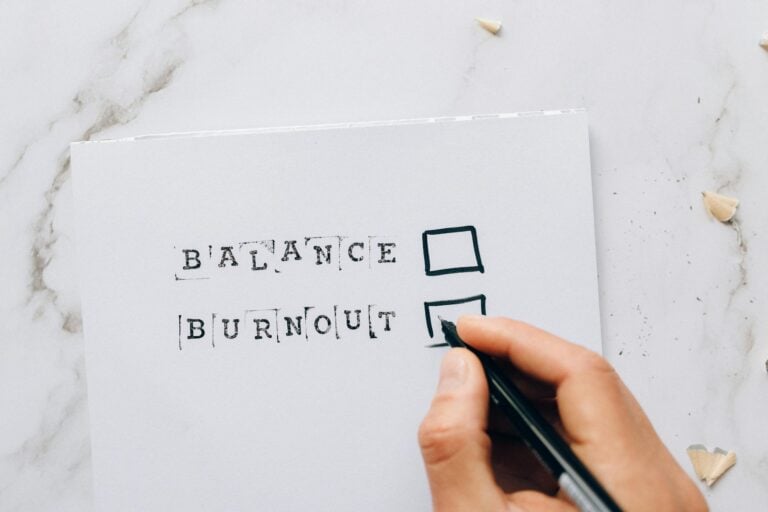
What happens when that need goes unmet is worth understanding clearly. The consequences of not getting enough alone time go well beyond feeling irritable. Over time, the absence of genuine solitude accumulates into something that looks a lot like burnout, even when the work itself is going fine.
The mismatch between generic self-care advice and introvert needs also shows up in how we talk about social connection. The CDC identifies social disconnection as a significant health risk, and that’s true. But connection for introverts often looks different. Depth over frequency. One meaningful conversation over five surface-level ones. Understanding that distinction matters when you’re building a self-care practice that actually holds.
What Does Solitude Actually Do for an Introvert’s Nervous System?
There was a period during my agency years when I was running two simultaneous pitches for competing Fortune 500 accounts, managing a team of eighteen people, and flying every other week. My calendar had no white space. My phone was always on. And I kept telling myself that once the pitches were done, I’d rest.
What I didn’t understand then was that rest, for me, required something more specific than time off. It required solitude. Not just being physically alone, but being in a state where no one needed anything from me, where my mind could settle into its own rhythms without external demands shaping every moment.
Solitude does something particular for introverts. It’s not avoidance. It’s not withdrawal. It’s an active state of restoration. When the noise of a full workday quiets, my mind begins to process what it couldn’t during the day, sorting impressions, connecting ideas, releasing tension that had nowhere to go while I was performing for an audience.
For highly sensitive introverts, this need is even more pronounced. The essential need for alone time among HSPs reflects a nervous system that processes stimulation more deeply, which means it also needs more time to metabolize it. Whether or not you identify as highly sensitive, many introverts share this pattern of needing genuine quiet to feel genuinely restored.
A piece published in Psychology Today on solitude and health notes that chosen solitude, the kind you seek rather than have imposed on you, carries meaningful benefits for mental clarity and emotional regulation. That distinction between chosen and unchosen aloneness is one introverts understand intuitively. Solitude on your own terms feels entirely different from isolation you didn’t ask for.
How Do You Build Daily Habits That Actually Restore You?
After years of trying to retrofit generic wellness routines onto my life, I eventually stopped looking for the “right” self-care system and started paying attention to what actually worked. The answer wasn’t complicated, but it required honesty about my real patterns rather than the patterns I thought I should have.
A few things became clear fairly quickly.
Mornings matter more than evenings. By the end of a full day at the agency, I was depleted in a way that made even enjoyable activities feel effortful. But mornings, before the demands of the day began, were different. Forty-five minutes of quiet before anyone else in my household was up, before my phone filled with messages, before the day had any shape at all, those forty-five minutes were worth more than two hours of “relaxation” at night. Protecting that window became non-negotiable.
Transitions need buffering. One of the things I noticed about my energy at the agency was that moving directly from one high-contact activity to the next was disproportionately draining. Walking between meetings without a pause, going straight from a client call to a team lunch, these sequences left me more depleted than the individual activities would have on their own. Building even five or ten minutes of transition time between demanding interactions changed the shape of my day significantly.
Consistency beats intensity. I used to compensate for weeks of overextension with a single long weekend of recovery. It helped, but it was inefficient. What works better is smaller, more consistent doses of genuine restoration woven into ordinary days. A walk without headphones. Lunch eaten alone. An hour of reading before bed instead of scrolling. None of these are dramatic, but they add up.
For introverts who also identify as highly sensitive, the framework of essential daily HSP self-care practices offers a useful structure. Even if you don’t identify as an HSP specifically, the emphasis on sensory awareness, intentional pacing, and proactive boundary-setting translates well to introvert self-care more broadly.
One thing I’d add from my own experience: don’t wait until you’re depleted to practice self-care. By the time exhaustion is obvious, you’ve already been running on empty for a while. The goal is maintenance, not recovery.
What Role Does Nature Play in Introvert Recovery?
My office during the agency’s peak years was on the fourteenth floor of a building in a dense urban neighborhood. Glass everywhere, traffic noise below, fluorescent lighting overhead. It was a perfectly functional workspace, and I spent more time in it than I’d like to admit.
What I noticed, slowly, was that the days I managed to get outside, even briefly, even just a walk around the block during lunch, felt qualitatively different from the days I didn’t. Something in me settled that didn’t settle any other way. I attributed it to exercise at first, but it wasn’t that. It was something about the quality of the environment itself.
There’s something about natural environments that seems to match the introvert’s internal frequency. The lack of social demands. The sensory input that’s varied but not overwhelming. The absence of screens, notifications, and the ambient pressure of being observed. For introverts who spend significant portions of their day in high-stimulation professional environments, time in nature functions as a genuine reset.
The healing power of nature for highly sensitive people speaks to this directly. Natural environments offer a kind of sensory input that’s restorative rather than depleting, complex enough to engage the mind without overwhelming it. Whether it’s a park, a trail, a garden, or simply sitting near a window with a view of trees, access to natural settings is worth treating as a legitimate part of your self-care practice rather than a nice-to-have.
A piece from Berkeley’s Greater Good Science Center on solitude and creativity makes an interesting point about the relationship between solitude, nature, and creative thinking. Time alone in natural settings appears to support the kind of diffuse, associative thinking that introverts often do best. It’s not surprising, when you think about it. The conditions that allow the introvert mind to wander freely are the same conditions that tend to produce its best work.

Why Is Sleep a Self-Care Priority That Introverts Often Underestimate?
There was a stretch in my early agency years when I wore sleep deprivation like a badge. Late nights were part of the culture. If you weren’t working past ten, you weren’t serious. I bought into it completely, and I paid for it in ways that took years to fully understand.
What I eventually realized was that sleep isn’t just physical recovery for introverts. It’s cognitive recovery. My mind processes a remarkable amount during the day, filtering sensory input, tracking interpersonal dynamics, managing the emotional undercurrents of a room full of people with competing priorities. That processing doesn’t stop when I leave the office. It continues, and it needs adequate sleep to complete itself properly.
When I started protecting my sleep with the same seriousness I applied to client deadlines, the difference was noticeable within a week. My thinking was cleaner. My patience was longer. My capacity for the social demands of leadership, which had always cost me more than I admitted, felt more sustainable.
For introverts who also experience high sensitivity, the connection between sleep quality and overall functioning is even more direct. The rest and recovery strategies for HSPs offer a detailed look at why sleep matters so much for people who process deeply, and what actually helps. Even if you’re not an HSP, the principles around winding down, reducing stimulation before bed, and treating sleep as a genuine priority rather than a variable to be optimized around your schedule apply broadly.
One finding worth noting: a study published in PubMed Central on sleep and emotional regulation found meaningful connections between sleep quality and the capacity to process and respond to emotional information effectively. For introverts, who often carry a significant emotional processing load, this isn’t abstract. It’s the difference between a day that feels manageable and one that doesn’t.
How Do You Protect Your Energy Without Isolating Yourself?
One of the harder things I’ve had to work through is the difference between protecting my energy and withdrawing from life. They can look similar from the outside, and sometimes from the inside too. But they feel different, and the distinction matters.
Protecting your energy means making intentional choices about where you spend it. It means saying no to the optional networking event that would leave you depleted for two days, and yes to the one meaningful dinner with a colleague you actually want to know better. It means building recovery time into your schedule before you need it, not after. It means recognizing that your capacity for genuine engagement is a resource, not a moral failing, and treating it accordingly.
Isolation is different. Isolation is avoidance. It’s shrinking your world to the point where nothing demands anything from you, which feels like relief in the short term but creates its own kind of suffering over time. Harvard Health has written thoughtfully about the distinction between loneliness and isolation, and the difference is worth understanding clearly. Introverts can be deeply connected to others while also needing significant time alone. Those two things aren’t in conflict.
At the agency, I had a creative director named Marcus who was an INFJ. He was one of the most perceptive people I’ve ever worked with, and also one of the most prone to disappearing. Not physically, but emotionally. When the demands of the team got too heavy, he’d go quiet in a way that looked like disengagement but was actually something closer to self-preservation. What he needed wasn’t less connection. He needed more intentional connection, on terms that didn’t drain him before he could contribute.
Watching him figure that out taught me something about my own patterns. success doesn’t mean need less from the world. It’s to be honest about what kind of engagement actually sustains you, and to build a life that includes enough of it.
There’s also something worth saying about the role of playful, low-stakes solitude in a healthy introvert life. Not every moment of alone time needs to be productive or restorative in some measurable way. Sometimes it’s just about being with yourself without an agenda. The idea behind Mac alone time captures this well: solitude that’s light, enjoyable, and entirely yours.

What Are the Self-Care Practices That Matter Most Long-Term?
After twenty years in a high-contact profession and several more years of paying close attention to my own patterns, a few practices have proven durable. Not trendy, not complicated, just consistently useful.
Scheduled solitude. Not hoped-for solitude, not “I’ll find time when things slow down” solitude. Actual scheduled time that appears on your calendar and gets protected with the same seriousness you’d give a client meeting. For me, this is mornings. For others, it might be a lunch hour, an evening walk, or a Sunday morning ritual. The specific time matters less than the consistency.
Honest energy accounting. This one took me years to develop. It means paying attention to which activities drain you and which restore you, without judgment, and making decisions accordingly. Some things that look like self-care (a dinner party with people you like) can be draining. Some things that look like work (a focused afternoon on a project you care about) can be genuinely restorative. Your energy accounting will be different from anyone else’s, and that’s fine.
Depth over breadth in relationships. Maintaining a large social network is exhausting for most introverts. A smaller number of genuinely close relationships, ones where you can be fully yourself without performing, tends to be both more satisfying and less depleting. Investing in those relationships, even when it requires effort, is a form of self-care.
Creative or intellectual engagement. Introverts tend to recharge through activities that engage the mind in ways that feel chosen rather than demanded. Reading, writing, building something, learning a new skill, these aren’t just hobbies. For many introverts, they’re a primary mode of restoration. Treating them as legitimate priorities rather than things you do “if there’s time” changes their role in your life.
Physical movement in low-stimulation environments. Exercise matters, but the environment shapes the experience significantly. A run with headphones in a crowded gym is a different experience from a walk in a quiet neighborhood or a solo hike. Both have physical benefits, but only one also provides the sensory and social quiet that introverts need to feel genuinely restored.
A Frontiers in Psychology paper on introversion and well-being points to the importance of person-environment fit in psychological health. Put plainly: introverts tend to do better in environments and routines that match their actual needs rather than the needs they’re expected to have. Building a self-care practice around your real wiring, not an idealized version of it, is the most direct path to something sustainable.
One more thing I’d add, and this one is harder to operationalize but worth naming: self-compassion. Many introverts carry a low-grade sense that their need for solitude is a problem to be managed rather than a legitimate feature of who they are. That belief is exhausting in its own right. Letting it go, genuinely letting it go, frees up energy that was being spent on self-criticism and redirects it toward actually taking care of yourself.
A recent PubMed Central study on self-compassion and psychological well-being found that self-compassion practices are meaningfully associated with reduced anxiety and improved emotional resilience. For introverts who’ve spent years feeling like they need to be different than they are, this isn’t a minor point.

There’s much more to explore on this topic. Our full Solitude, Self-Care and Recharging hub goes deeper into the practices, patterns, and perspectives that help introverts build lives that actually sustain them.
About the Author
Keith Lacy is an introvert who’s learned to embrace his true self later in life. After 20 years in advertising and marketing leadership, including running agencies and managing Fortune 500 accounts, Keith now channels his experience into helping fellow introverts understand their strengths and build fulfilling careers. As an INTJ, he brings analytical depth and authentic perspective to every article, drawing from both professional expertise and personal growth.
Frequently Asked Questions
What is the most important self-care practice for introverts?
Scheduled, protected solitude is the foundation of most effective introvert self-care. Introverts restore their energy through time alone, and without consistent access to genuine quiet, other self-care practices tend to be less effective. Building solitude into your daily or weekly routine as a non-negotiable rather than an afterthought makes a significant difference in overall energy and well-being.
How is introvert self-care different from self-care for extroverts?
The core difference lies in where energy comes from and where it goes. Extroverts typically recharge through social interaction, so their self-care often includes social activities. Introverts recharge through solitude and low-stimulation environments, so their most effective self-care tends to involve time alone, quiet activities, and reduced sensory and social demands. Generic self-care advice often assumes an extroverted baseline, which is why it frequently misses the mark for introverts.
Can introverts practice self-care without withdrawing from relationships?
Yes, and this distinction matters. Protecting your energy through intentional solitude is different from isolation or withdrawal. Introverts can maintain meaningful, close relationships while also needing significant time alone. The goal is to be honest about what kinds of social engagement feel sustaining versus draining, and to build a life that includes both genuine connection and adequate recovery time. Depth of connection tends to matter more than frequency for most introverts.
How does sleep factor into self-care for introverts?
Sleep is particularly important for introverts because so much of the introvert’s daily experience involves deep cognitive and emotional processing. Introverts tend to absorb and process a great deal from their interactions and environments, and that processing needs adequate sleep to complete itself properly. Poor sleep quality tends to amplify the depletion that comes from high-contact days and reduces the capacity for the kind of focused, internal work that introverts do best.
Is self-care in nature especially beneficial for introverts?
Many introverts find natural environments particularly restorative. Natural settings tend to offer sensory input that’s varied and engaging without being overwhelming, and they carry few of the social demands that make other environments draining. Time in nature, whether that’s a walk, a hike, or simply sitting outdoors, provides a quality of quiet that’s different from indoor solitude and seems to support the kind of diffuse, reflective thinking that introverts often find most restorative and creatively generative.