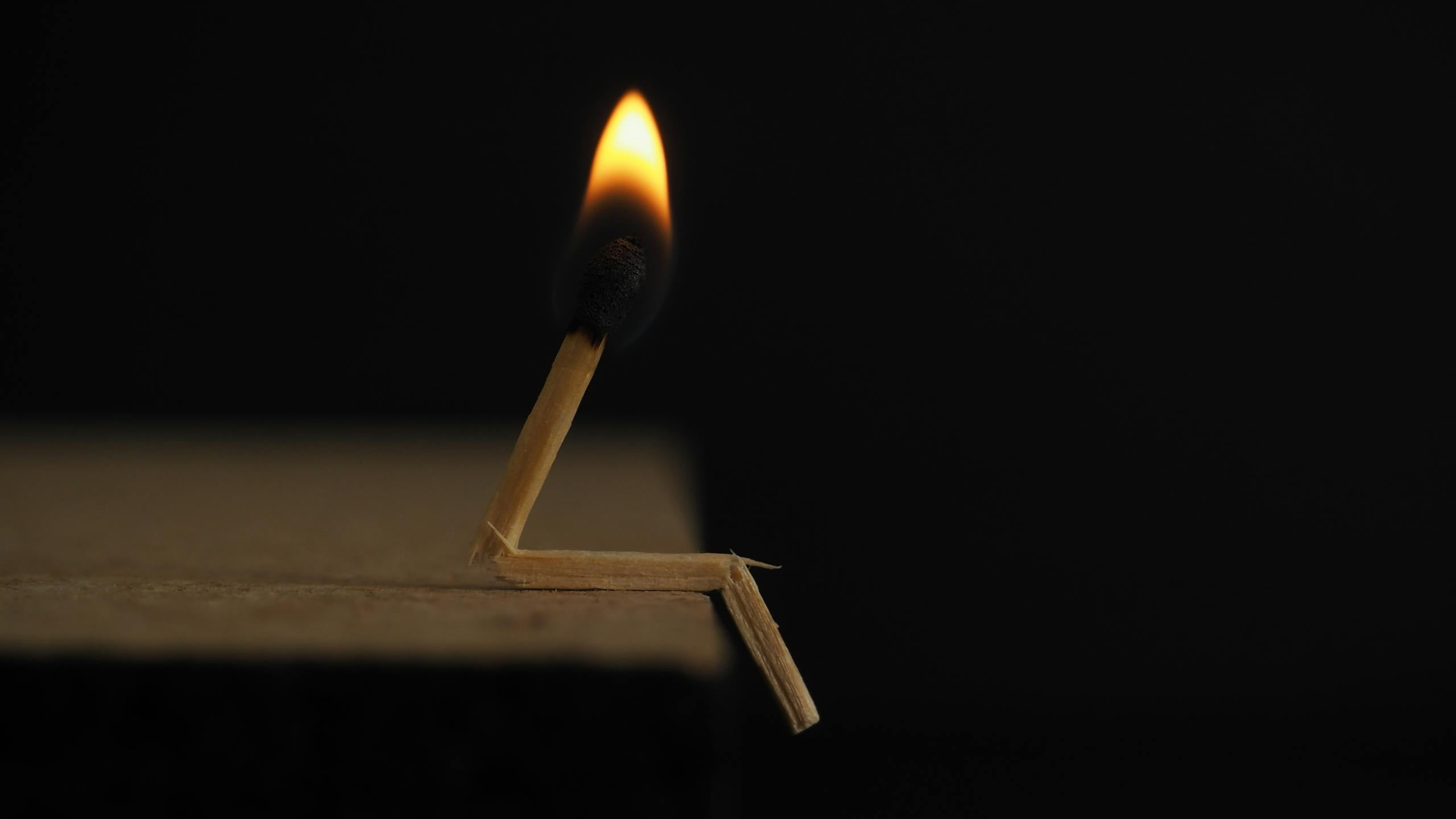

Dating burnout is what happens when the emotional cost of searching for connection consistently outpaces the reward. For introverts especially, that math tips into deficit faster than most people expect, and the exhaustion that follows isn’t laziness or pessimism. It’s a real, measurable depletion that shows up in your body, your mood, and your willingness to try again.
Scroll through any Reddit thread tagged with dating burnout and you’ll find thousands of people describing the same spiral: endless swiping, surface-level conversations, dates that feel like job interviews, and a growing sense that the whole process is working against them. What’s striking is how many of those voices sound unmistakably introverted, even when they don’t use that word.
There’s a lot of territory worth covering when it comes to how introverts experience romantic connection, and our Introvert Dating and Attraction hub pulls together the full picture. But dating burnout deserves its own focused conversation, because it’s not just a side effect of bad luck. For introverts, it’s often the predictable outcome of a dating culture built entirely around extroverted assumptions.
Why Do Introverts Hit Dating Burnout Faster Than Others?
Modern dating, particularly app-based dating, is an energy-extraction machine. Every swipe, every opening message, every first date requires you to perform social engagement before any real connection exists. For extroverts, that performance is energizing. For introverts, it’s costly from the very first interaction.
What’s your personality type?
Take our free 40-question assessment and get a detailed personality profile with dimension breakdowns, context analysis, and personalised insights.
Discover Your Type8-12 minutes · 40 questions · Free
I remember managing new business pitches at my agency, where we’d sometimes run three or four prospect meetings in a single week. By Thursday afternoon, I was hollow. My team thought I was tired from the workload. What I was actually tired from was the sustained performance of enthusiasm across hours of surface-level rapport-building with people I barely knew. Dating apps replicate that exact dynamic, except there’s no Friday afternoon off. The pipeline never closes.
Introverts process social interactions more deeply than extroverts do. That’s not a flaw, it’s a neurological reality. When an introvert goes on a first date, they’re not just making conversation. They’re reading tone, tracking inconsistencies, filing away details, and quietly evaluating whether this person is worth the emotional investment of a second conversation. That processing takes energy. Do it across dozens of first dates with people who never make it past the second, and burnout isn’t a possibility. It’s a certainty.
The Reddit threads about dating burnout are full of this exact description, people saying they used to care and now they don’t, that they’ve become numb to the process, that they swipe out of habit rather than hope. That numbness is a protection mechanism. When the emotional cost of engagement keeps exceeding the return, the brain eventually stops authorizing the investment.
What Does the Reddit Conversation Actually Reveal?
Reddit’s dating burnout communities are genuinely useful if you read them as qualitative data rather than advice columns. What emerges across thousands of posts is a consistent pattern of experiences that map almost perfectly onto introvert psychology, even when the posters themselves don’t frame it that way.
The most common themes: exhaustion from small talk that never goes anywhere, frustration with dates who seem more interested in performing than connecting, a sense that the volume required by app dating is fundamentally incompatible with how they prefer to meet people, and a creeping suspicion that something is wrong with them for finding this so hard.
That last one is the most damaging. Reddit can be a double-edged space. On one hand, reading hundreds of posts from people who feel exactly what you feel is genuinely validating. On the other hand, the comment sections often drift toward cynicism, and it’s easy to absorb a worldview that treats burnout as proof that dating is broken beyond repair. Some of those threads will leave you feeling worse than when you arrived.
What the Reddit conversation gets right is the diagnosis. What it often misses is the distinction between introvert-specific burnout and general dating frustration. Those require different responses. An extrovert who’s burned out from dating usually needs to take a break and then re-engage. An introvert who’s burned out from dating often needs to change the method entirely, not just rest and repeat.
Understanding how introverts experience romantic feelings in the first place helps clarify why the app model creates so much friction. The way introverts process and express love feelings is fundamentally different from the quick-spark dynamic that swipe culture rewards. Introverts tend to fall for people gradually, through accumulated shared experience, not through a single compelling first impression. A system designed to filter people in or out based on a 45-minute coffee date is working against the introvert’s natural timeline.
Is Dating App Culture Specifically Harmful for Introverts?
The honest answer is yes, in ways that are structural rather than incidental. Dating apps were designed around engagement metrics, not compatibility outcomes. The goal of the platform is to keep you swiping, not to help you find a partner and leave. That means the design actively works against depth, selectivity, and the kind of slow-burn connection that introverts tend to form best.
There’s also a social anxiety component that’s worth naming directly. Many introverts carry some degree of social anxiety, and the evaluation-heavy structure of app dating amplifies it. Cognitive behavioral approaches to social anxiety emphasize gradual exposure and reframing, which is almost the opposite of what app dating demands. Apps ask you to perform confidence before you’ve had a chance to establish any comfort.
A 2024 piece from Psychology Today on overcoming dating burnout makes the point that burnout often signals a mismatch between your values and your methods, not a fundamental problem with your ability to connect. That framing resonates with what I’ve observed in my own life and in the people I’ve talked to through Ordinary Introvert. The method is wrong. The person isn’t broken.
At my agency, we had a creative director who was deeply introverted and genuinely brilliant at her work. She struggled in new business pitches, not because she lacked the ideas, but because the format required her to be “on” before she’d had time to think. We eventually restructured her role in those pitches so she came in later in the conversation, after the surface-level rapport had already been established. Her conversion rate on prospects she engaged with went up significantly. The work was the same. The context had changed. Dating works the same way.
How Does Burnout Change the Way Introverts Show Up in Relationships?
Dating burnout doesn’t stay contained to the dating phase. It bleeds into how you show up once you’re actually in a relationship, and that’s where things get complicated in ways that Reddit threads rarely address.
When an introvert arrives at a new relationship already depleted from months of exhausting dates, they often don’t have the reserves to show their full self. They hold back. They’re slower to open up than they would be otherwise. A partner who doesn’t understand introversion might read that guardedness as disinterest or emotional unavailability, when it’s actually the residue of burnout.
This connects to something I’ve written about in the context of how introverts fall in love and the relationship patterns that follow. Introverts tend to invest deeply once they commit, but they need time and safety to get there. Burnout compresses that timeline in the wrong direction, making the introvert more cautious precisely when a new relationship calls for some degree of openness.
There’s also the question of what happens when two introverts find each other after both have been through extended periods of burnout. The dynamic can be beautiful, two people who genuinely understand the need for quiet and space. It can also stall, if both partners are so depleted that neither has the energy to initiate the vulnerability that connection requires. I’ve explored this in more depth when writing about what happens when two introverts fall in love, and the burnout variable adds a real layer of complexity to those early stages.

What Does Recovery from Dating Burnout Actually Look Like?
Recovery isn’t just a pause. Taking two weeks off from Hinge and then downloading it again isn’t recovery. It’s a rest stop on the same road. Real recovery requires some honest assessment of what specifically drained you, and whether the methods you’ve been using are actually compatible with how you’re wired.
Some things that genuinely help, based on both my own experience and the patterns I see in the Ordinary Introvert community:
Returning to environments where you naturally thrive. Introverts often connect best in contexts that have a built-in purpose beyond socializing: a class, a volunteer project, a recurring community event. These settings allow connection to develop organically over time, without the artificial pressure of a first date format. The introvert gets to be competent and engaged before they have to be charming.
Reconnecting with what you actually want, not what the apps have trained you to want. App dating gradually shifts your criteria toward what photographs well and what fits a profile. Burnout recovery is a good time to sit with the question of what you’re actually looking for in a partner, at the level of values and temperament rather than surface attributes.
Being honest about your communication style early. Introverts often communicate affection and interest differently than the dating culture expects. Understanding your own love language as an introvert and being willing to name it to a potential partner early can prevent a lot of the misreading that leads to burnout cycles. If you show care through thoughtful gestures rather than constant texting, saying that out loud saves everyone time.
Setting real limits on your dating activity. Not vague intentions, but actual structure. I spent years in client management learning that the only way to protect creative energy was to build explicit boundaries around it, not hope that people would intuitively respect it. The same applies to dating. Deciding in advance that you’ll go on one date per week, or that you won’t check apps after 8 PM, creates a container that makes the process sustainable rather than all-consuming.
A piece from Psychology Today on setting and respecting boundaries in relationships frames this well: limits aren’t walls, they’re agreements with yourself about what you can genuinely offer. That framing applies to dating just as much as it does to established partnerships.
Does Sensitivity Make Dating Burnout Worse for Some Introverts?
Not all introverts experience burnout at the same rate or intensity. Highly sensitive people, a trait that overlaps significantly with introversion but is distinct from it, tend to process rejection, disappointment, and social friction more deeply. For an HSP, a date that went nowhere isn’t just an evening that didn’t work out. It’s an experience that gets processed and reprocessed, sometimes for days.
If you identify as highly sensitive and you’re in a dating burnout cycle, the recovery process needs to account for that depth of processing. The complete HSP relationships and dating guide covers this in detail, but the short version is that HSPs need longer recovery windows between dates, more intentional screening before agreeing to meet someone, and partners who understand that emotional attunement isn’t optional for them, it’s fundamental.
There’s also the conflict dimension. Dating inevitably involves some degree of friction, mismatched expectations, conversations that go sideways, moments of rejection or misunderstanding. For highly sensitive people, those moments carry an outsized weight. Working through conflict as an HSP requires specific skills, and entering the dating process without those skills means every difficult interaction lands harder than it needs to.
One of the most useful things I’ve done in my own life is learn to distinguish between discomfort that signals genuine incompatibility and discomfort that’s just the normal friction of getting to know someone. As an INTJ, I’m wired to analyze patterns quickly and make judgments. Early in my dating experience, I’d sometimes exit promising situations because the initial friction triggered my pattern-recognition and I concluded it wasn’t going to work. What I was actually doing was conflating introvert discomfort with relationship incompatibility. They’re not the same thing.

What Does the Research Say About Social Exhaustion and Romantic Outcomes?
The relationship between social exhaustion and relationship quality is an area where the academic literature offers some genuinely useful perspective. A study published in PMC examining social behavior and personality found that the way individuals regulate social energy has downstream effects on their capacity for intimacy and emotional availability. When that regulatory system is overtaxed, the ability to form and sustain close bonds diminishes.
Separately, research published in Springer’s Current Psychology has examined how emotional exhaustion affects relationship-seeking behavior, finding that people in states of depletion tend to make more avoidant choices, not because they want less connection, but because the perceived cost of engagement feels too high. That’s a precise description of what dating burnout feels like from the inside.
Additional work in PMC’s social psychology literature points to the role of self-concept in relationship pursuit. When people’s self-perception becomes negatively distorted by repeated disappointing experiences, their willingness to pursue new connections drops sharply. This is part of why dating burnout can feel self-perpetuating: the burnout itself changes how you see yourself in the dating context, which then affects how you show up, which then affects outcomes.
A Springer study on social well-being and relationship formation also highlights that people who take intentional breaks from social pursuit and use that time for genuine self-reflection tend to re-enter social contexts with better outcomes than those who simply push through exhaustion. That’s not permission to withdraw indefinitely. It’s evidence that strategic recovery is more effective than grinding through burnout.
How Do You Know When You’re Ready to Date Again?
This is the question that Reddit threads rarely answer well, because the honest answer is more personal than any thread can accommodate. That said, there are some markers worth paying attention to.
Curiosity returning is one of them. Burnout tends to replace curiosity with dread. When you notice yourself genuinely wondering about a specific person, not performing interest but actually feeling it, that’s a signal worth taking seriously. It doesn’t mean you’re fully recovered. It means your system is coming back online.
Another marker is your relationship with solitude. Introverts need solitude to recharge, but burnout sometimes warps that need into avoidance. There’s a difference between choosing to be alone because it genuinely restores you and choosing to be alone because the alternative feels too threatening. If solitude has started to feel like a fortress rather than a refuge, that’s worth examining.
The third marker is whether you’ve done any of the underlying work. Burnout is often a symptom of patterns that predate the burnout itself: people-pleasing on dates, ignoring early red flags to avoid conflict, presenting a curated version of yourself rather than an authentic one. If those patterns haven’t shifted, going back to dating will likely produce the same results. The research on relationship patterns and self-awareness suggests that insight alone isn’t sufficient, but it is a necessary starting point.
At my agency, we had a saying about new business: don’t pitch until you’re ready to win. Going through the motions of pitching when you’re not genuinely prepared doesn’t just waste the prospect’s time. It wastes your own and leaves you with a loss on your record that affects the next pitch. Dating works the same way. Showing up half-present because you feel like you should be dating isn’t fair to the people you meet, and it’s not fair to yourself.
What Reddit Misses About Introvert Dating Burnout
Reddit is excellent at naming pain. It’s less reliable at contextualizing it. The dating burnout threads are full of accurate descriptions of exhaustion and frustration, but they tend to treat those feelings as evidence that dating is broken rather than as information about what specific methods aren’t working for specific people.
What gets lost is the introvert-specific frame. The exhaustion described in those threads isn’t universal. It’s disproportionately experienced by people who process deeply, who need time to warm up, who form connections through accumulated experience rather than immediate chemistry. That’s not a character flaw. It’s a personality orientation that’s genuinely incompatible with the volume-based, impression-management-heavy model that app dating requires.
The fix isn’t to become someone who finds app dating energizing. The fix is to find methods of meeting people that are actually compatible with how you’re wired. For some introverts, that means stepping back from apps entirely and investing in activities and communities where connection can develop naturally. For others, it means using apps more selectively, fewer matches pursued more thoughtfully, rather than treating the inbox as a to-do list.
What also gets missed in Reddit discussions is the importance of understanding your own attachment and communication patterns before re-entering the dating pool. The way introverts express love and care is often invisible to partners who are looking for more overt signals. That gap creates misunderstandings that compound over time, and those misunderstandings are a significant driver of the burnout cycle. Getting clear on how you naturally show up in relationships, and learning to communicate that clearly, changes the dynamic considerably.
Explore more perspectives on introvert connection, attraction, and relationship patterns in the Introvert Dating and Attraction hub, where we cover the full range of how introverts experience romantic life.
About the Author
Keith Lacy is an introvert who’s learned to embrace his true self later in life. After 20 years in advertising and marketing leadership, including running agencies and managing Fortune 500 accounts, Keith now channels his experience into helping fellow introverts understand their strengths and build fulfilling careers. As an INTJ, he brings analytical depth and authentic perspective to every article, drawing from both professional expertise and personal growth.
Frequently Asked Questions
Why do introverts experience dating burnout more intensely than extroverts?
Introverts process social interactions more deeply and expend more energy in unfamiliar social settings. App-based dating requires sustained performance across dozens of low-depth interactions before any real connection forms, which is a format that drains introverts faster than it does extroverts. The exhaustion is neurological, not motivational. Introverts aren’t trying less hard; they’re working against a system designed for a different energy profile.
How is dating burnout different from just being tired of bad dates?
Bad dates are a temporary frustration. Dating burnout is a cumulative depletion that changes how you feel about the entire process, including your own desirability and your belief that connection is possible. People in genuine burnout often describe numbness, cynicism, and a loss of curiosity about potential partners. Those are qualitatively different from the disappointment of a date that didn’t work out. Burnout typically requires a more deliberate recovery process, not just a short break.
Can dating apps work for introverts, or should they be avoided entirely?
Apps can work for introverts, but not in the volume-based way they’re typically used. Introverts tend to do better with apps when they’re highly selective about who they engage with, invest time in written conversation before agreeing to meet, and treat the app as one channel among several rather than the primary method. The goal is to use the written format, which often suits introverts well, as a genuine screening tool rather than a gateway to an endless series of first dates.
How long does recovery from dating burnout typically take?
There’s no fixed timeline, and anyone who gives you a specific number is guessing. Recovery depends on how depleted you became, whether you use the break to examine underlying patterns, and whether you make any changes to your approach before re-engaging. Some people feel genuinely ready after a few weeks of intentional rest. Others need several months. The more useful question isn’t “how long” but “what markers tell me I’m ready,” including the return of genuine curiosity and a shift away from avoidance-based solitude.
What’s the best way for an introvert to meet people without using dating apps?
Environments with a built-in purpose beyond socializing tend to work best for introverts. Classes, recurring community events, volunteer work, interest-based groups, and professional communities all create contexts where connection can develop over time without the pressure of a first-date format. These settings allow an introvert to demonstrate who they actually are through competence and engagement rather than having to perform attraction before any real familiarity exists. The connection develops as a byproduct of shared activity, which is often how introverts form their strongest bonds.