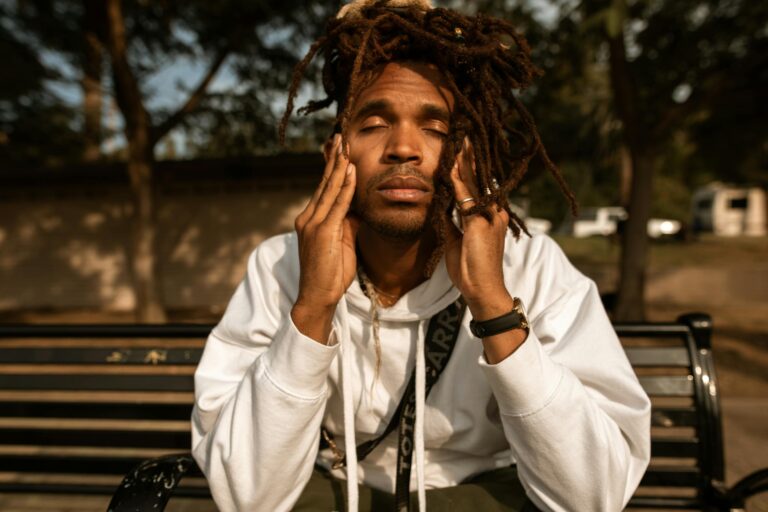

My wife needed three hours alone in a quiet room before she could even consider dinner plans. At first, I took it personally. After twenty years of managing high-energy creative teams and client pitches, I thought I understood introversion. I was wrong.
Dating someone more introverted than you creates unique relationship challenges most people never expect. While you might consider yourself introverted, your partner operates on an even quieter wavelength. The usual relationship playbook gets thrown out when energy levels don’t match, social needs conflict, and communication styles clash in ways personality tests never predict.
What Does It Really Mean When Your Partner Is More Introverted?
The neuroscience behind these differences runs deeper than mere preference. According to research from Mind Brain Education, introverts and extroverts process stimulation through different neurochemical pathways. While dopamine drives the reward system for more extroverted individuals, introverts find pleasure through acetylcholine, a neurotransmitter that promotes calm, reflection, and focused attention.
What’s your personality type?
Take our free 40-question assessment and get a detailed personality profile with dimension breakdowns, context analysis, and personalised insights.
Discover Your Type8-12 minutes · 40 questions · Free
This biological reality shapes everything from how your partner experiences a dinner party to why they need that quiet room before making plans. Your partner’s brain literally rewards them for quiet reflection in ways your brain might not register as pleasurable at all.
Before you can truly connect with someone more introverted than yourself, you need to recognize that introversion exists on a wide continuum. A 2024 study published on Mindbodygreen identifies four distinct types of introverts:
- Social introverts prefer small, intimate gatherings over large crowds but genuinely enjoy meaningful social connection
- Thinking introverts live richly in their own mental landscapes, processing ideas internally before sharing them
- Anxious introverts experience genuine discomfort in social situations that goes beyond simple preference
- Restrained introverts move methodically through life, taking time to warm up to new experiences and people

When I ran my advertising agency, I worked with creatives who fell across this entire spectrum. The brilliant copywriter who produced award winning campaigns needed complete silence during her morning writing sessions. The art director whose visual concepts stopped clients mid sentence preferred communicating through sketches rather than meetings. Learning to recognize these different expressions of introversion transformed how I led teams, and later, how I approached my own relationships.
Understanding what happens when two introverts date can illuminate patterns you might experience in your own relationship, even if only one of you sits firmly in the introverted camp.
Why Does Your Partner Need So Much More Quiet Time?
The acetylcholine pathway creates real physiological differences in how your partner experiences the world. Research from Henry Ford Health explains that this neurotransmitter makes people feel good when they engage in calm, introspective activities. The same research shows that introverts tend to have more acetylcholine receptors, making quiet activities feel deeply satisfying rather than boring or isolating.
This biological reality means your partner is not rejecting you when they ask for alone time. They are feeding a genuine neurological need that differs fundamentally from your own energy system.
I remember a particularly intense client campaign that had me working eighteen hour days for three weeks straight. When it ended, I wanted to celebrate with friends. My wife needed four days of near silence before she could even discuss what to have for dinner. At first, I felt hurt. Then I recognized something important: her recovery process served a function mine could not. While I processed stress externally, she processed it internally, and both approaches were valid.

Learning to balance alone time and relationship time becomes essential when dating someone with deeper introversion needs than your own.
How Do You Communicate When Your Styles Don’t Match?
More introverted partners often communicate differently than you might expect or prefer. Psychology Today research on romantic introverts reveals that many introverts express love through actions rather than words, prefer written communication for complex topics, and need processing time before responding to emotionally charged conversations.
These patterns frustrated me early in my marriage. I wanted immediate responses and verbal affirmations. My wife would pause, think, sometimes for hours, before sharing her perspective. Initially, I interpreted these silences as disinterest or withdrawal. Years later, I understand that her pauses meant she was taking my concerns seriously enough to consider them carefully.
The key insight here involves adjusting your expectations without abandoning your own needs. Effective communication with highly introverted partners requires:
- Timing awareness asking for important conversations when they have mental energy available
- Processing patience allowing response time without interpreting silence as rejection
- Multiple channels using text or email for complex topics that benefit from reflection
- Action recognition noticing how they express care through behavior rather than only words
- Check-in systems creating regular but low pressure opportunities for deeper sharing
Discovering how to build intimacy without constant communication opened my eyes to relationship depth I had never previously experienced.
What Makes Deep Listening So Powerful?
Perhaps the greatest advantage of dating someone more introverted involves their capacity for deep listening. Research on deep listening in personal relationships shows that people who listen to understand rather than listen to respond create significantly higher relationship satisfaction.
Your more introverted partner likely excels at this. They notice details others miss, remember things you mentioned months ago, and pick up on emotional undercurrents that louder conversations might drown out. This attentiveness, when you learn to recognize and appreciate it, becomes one of the most valuable gifts in any relationship.

In my agency days, the best creative presentations came from team members who had listened carefully during client meetings, catching subtle concerns that others missed. Similarly, my wife’s ability to remember the specific worry I expressed three weeks earlier, and check in about it without prompting, demonstrates a quality of attention that transforms ordinary relationships into extraordinary ones.
Understanding how introverts show love without words helps you recognize affection in forms you might otherwise overlook.
How Can You Handle Social Situations Without Conflict?
Social events present one of the most common friction points when dating someone more introverted. You might genuinely enjoy parties, networking events, or large family gatherings. Your partner might experience these same occasions as genuinely exhausting, regardless of how much they care about the people involved.
The Gottman Institute’s research on introvert and extrovert couples emphasizes that compromise forms the foundation of successful mixed energy relationships. Successful strategies include:
- Predetermined exit strategies attending events together with agreed upon departure times
- Transportation independence taking separate cars so your partner can leave when their social battery depletes
- Event alternation balancing quiet nights in with social outings based on both partners’ needs
- Recovery time planning scheduling downtime after social events before expecting normal interaction
- Role division using your social comfort to open doors while your partner deepens connections afterward
Running an agency taught me that different people contribute differently to shared goals. The same applies to relationships. Your extroverted energy might open doors at social events while your partner’s thoughtful follow up conversations deepen those connections afterward.

What’s the Risk of Becoming Too Isolated Together?
Research from 16Personalities highlights a genuine risk when dating someone more introverted: couples can accidentally reinforce each other’s tendency toward isolation until their social lives narrow unhealthily. This danger increases when one partner already leans introverted and the other partner’s preferences pull the relationship further in that direction.
Survey data reveals that only 12 percent of introverts feel that social events help them recover from exhausting weeks, compared to 72 percent of extroverted personalities. When both partners prefer staying home, the path of least resistance can lead to genuine social isolation that serves neither person’s long term wellbeing.
The solution involves intentionality:
- Schedule social activities that align with your partner’s preferences, like small dinner parties rather than large events
- Choose structured interactions over open ended mingling when possible
- Maintain independent friendships without guilt or resentment when needed
- Recognize mutual benefits that some social maintenance provides, even when it requires effort
My wife and I solved this challenge by hosting monthly dinner parties with close friends, no more than six people total. The structure gave her control over the environment, the time limit provided a clear endpoint, and the meaningful conversations satisfied needs we both shared. Finding quality time approaches that work for introverts can transform this potential conflict into genuine connection.
How Do You Build Emotional Intimacy on Their Terms?
Emotional intimacy develops differently with more introverted partners. Where you might process feelings through conversation, your partner might need to journal, take walks, or simply sit with emotions before being ready to share. This difference requires patience without becoming passive.
Create space for vulnerability without forcing it. Ask open ended questions, then genuinely accept whatever response comes, even if that response is silence or a request for more time. Demonstrate through your actions that their emotional sharing will be received with care rather than judgment or unsolicited advice.
My breakthrough came when I stopped asking my wife what she was feeling and started describing what I was feeling, then simply waiting. The pressure to respond immediately disappeared. Often, hours or even days later, she would return to the topic with insights that went far deeper than any immediate response could have provided.

This approach mirrors what I learned managing creative teams: the best ideas rarely emerge in the meeting room. They surface later, after minds have had time to wander and connect dots that pressured brainstorming sessions miss. The same principle applies to emotional processing.
How Do You Respect Different Energy Timelines?
Your partner’s energy timeline probably differs significantly from yours. After a busy day, you might feel ready for dinner and conversation within an hour of arriving home. Your more introverted partner might need double that time, or more, before they can fully engage.
This mismatch creates logistical challenges that deserve practical solutions rather than emotional battles:
- Build buffer time into your shared schedule for energy transitions
- Communicate clearly about energy levels without making your partner feel guilty
- Find parallel activities you can enjoy separately during transition periods
- Use physical proximity without interaction when needed
- Plan recovery periods after demanding days or social events
Physical proximity without interaction works surprisingly well for many couples with different energy needs. Your partner might decompress by reading in the same room where you handle emails or watch television. This parallel presence maintains connection without demanding the interaction that would drain their already depleted reserves.
Why Do Decision Making Styles Matter So Much?
Decision making styles often differ between partners with varying introversion levels. You might form opinions quickly, ready to act on gut instincts. Your more introverted partner might need to research, reflect, and process before feeling comfortable committing to even relatively minor choices.
Neither approach is inherently superior. Quick decisions sometimes capture opportunities that disappear with delay. Thoughtful decisions sometimes avoid mistakes that hasty choices would create. The challenge lies in finding processes that honor both styles without leaving either partner feeling steamrolled or paralyzed.
In business, I learned to present options to my more analytical team members well before decisions needed to be made. This gave them processing time without slowing down project timelines. The same strategy works beautifully in relationships. Share information early, invite input when your partner is ready rather than demanding it immediately, and trust that their eventual response will be more considered than anything produced under pressure.
Celebrating Different Strengths
The most successful relationships between partners with different introversion levels actively celebrate rather than merely tolerate their differences. Your partner’s reflective nature complements your more immediate energy. Your social comfort creates opportunities that their thoughtful follow through can nurture into meaningful connections.
This complementary dynamic mirrors the best creative partnerships I witnessed throughout my career. The copywriter who preferred working in isolation produced work that the gregarious account manager could present brilliantly. The quiet strategist developed insights that the charismatic creative director brought to life in client meetings. Neither could have succeeded as well alone.
Actively look for these complementary opportunities in your relationship:
- Identify strength combinations where your partner’s reflective insights enhance your social energy
- Recognize mutual benefits that emerge from different approaches to the same goals
- Appreciate different timelines for processing and responding to life events
- Value depth over speed when your partner’s thoughtful approach produces better outcomes
- Use complementary skills to tackle challenges neither could handle alone
Maintaining Your Own Identity
Dating someone more introverted than yourself carries a subtle risk: you might unconsciously adopt their preferences until you lose touch with your own needs. Your desire for social connection deserves expression, even when your partner cannot always join you. Your energy style is not wrong simply because it differs from theirs.
Maintain friendships and activities that your partner does not share. Pursue social outlets that feed your needs without expecting your partner to always participate. This independence strengthens rather than threatens your relationship by preventing the resentment that builds when core needs go chronically unmet.
My wife actually encouraged me to maintain my business networking relationships after I retired. She recognized that these connections fed something in me that quiet evenings at home, however lovely, could not fully satisfy. Her support for my independent social life, rather than creating distance between us, actually brought us closer by removing a potential source of ongoing tension.
Growing Together Across Differences
The goal is not to eliminate differences or convert your partner to your energy style. Instead, aim to build a relationship spacious enough to hold both of you as you are, while creating conditions that help each person grow.
Your partner might gradually become more comfortable with some social situations through gentle exposure and positive experiences. You might discover unexpected pleasures in the quieter moments they prefer. Both trajectories represent growth, not compromise.
The deepest relationships I have witnessed, personally and professionally, make room for both people to evolve without requiring either to abandon their fundamental nature. Your more introverted partner will likely remain more introverted than you, and that can be wonderful. What changes is your mutual understanding, your practical accommodations, and your appreciation for what each person brings.
Dating someone more introverted than yourself is not a problem to solve but a dynamic to master. The quieter rhythms they prefer can teach you things that louder environments never could. Their depth of attention can show you what being truly seen feels like. Their need for solitude can model healthy boundaries you might benefit from learning yourself.
And in the quiet moments together, when words are unnecessary and presence is enough, you might discover a quality of connection that transcends anything more stimulating activities could provide.
Explore more relationship resources in our complete Introvert Dating & Attraction Hub.
About the Author
Keith Lacy is an introvert who’s learned to embrace his true self later in life. With a background in marketing and a successful career in media and advertising, Keith has worked with some of the world’s biggest brands. As a senior leader in the industry, he has built a wealth of knowledge in marketing strategy. Now, he’s on a mission to educate both introverts and extroverts about the power of introversion and how understanding this personality trait can unlock new levels of productivity, self-awareness, and success.
Frequently Asked Questions
How do I know if my partner is more introverted than me?
Watch how they recharge after social events. If they consistently need more recovery time than you do, prefer smaller gatherings, or seem drained by activities that energize you, they likely fall further along the introversion spectrum.
Is it wrong to want more social time than my introverted partner?
Absolutely not. Your social needs are valid. The key lies in finding solutions that honor both partners’ needs rather than expecting either person to completely abandon their preferences.
How can I tell if my partner needs space versus feeling disconnected from me?
Ask directly but gently. A partner needing space will usually reassure you that their withdrawal is about energy management, not relationship problems. If they seem emotionally distant as well as physically distant, a deeper conversation may be needed.
Should I always adapt to my introverted partner’s preferences?
No. Healthy relationships involve mutual accommodation. Sometimes you adapt to their needs; sometimes they stretch toward yours. The balance should feel fair to both partners over time.
Can an introvert become more extroverted over time?
Introverts can become more comfortable with social situations through positive experiences, but their fundamental energy style rarely changes completely. Expect growth and adaptation rather than transformation.