
Excessive procrastination does far more damage than a missed deadline. At its worst, it erodes your mental health, fractures your sense of self-worth, and creates a cycle of anxiety and avoidance that becomes harder to break with each passing week. Three of the most significant effects of excessive procrastination are chronic anxiety, damaged self-esteem, and physical health deterioration, and for introverts wired for deep internal processing, all three can hit with particular force.
Most people treat procrastination as a time management problem. Pay attention to it long enough, though, and you start to see it for what it really is: an emotional regulation problem wearing a productivity mask.

I spent more than two decades running advertising agencies, and I watched this pattern play out constantly, in my team members, in my clients, and honestly, in myself. The creative director who kept “almost finishing” the campaign deck. The account manager who’d rework the same slide forty times rather than send it. And me, the INTJ who would spend three days mentally rehearsing a difficult client conversation instead of just picking up the phone. What looked like perfectionism or disorganization was almost always something deeper: a fear of judgment, a dread of failure, or an overwhelming sense of emotional exposure.
If any of that resonates, you might find the broader context helpful. Our Introvert Mental Health Hub covers the full range of emotional challenges that introverts face, and procrastination sits right at the intersection of anxiety, perfectionism, and self-worth, themes that run through nearly every article there.
What Does Excessive Procrastination Actually Mean?
There’s a difference between strategic delay and self-defeating avoidance. Choosing to sleep on a major decision before committing is sound judgment. Postponing a hard conversation for six weeks because you dread the emotional discomfort is something else entirely.
Career Coaching for Introverts
One-on-one career strategy sessions with Keith Lacy. 20 years of Fortune 500 leadership as an introvert, now helping others build careers that work with their wiring.
Learn More50-minute Zoom session · $175
Excessive procrastination is the chronic, repeated pattern of delaying tasks despite knowing the delay causes harm. It’s not occasional. It’s not laziness. Psychological research has consistently framed it as a failure of emotional regulation rather than a failure of time management. When a task triggers anxiety, shame, boredom, or self-doubt, the brain defaults to avoidance as a short-term relief mechanism. The relief is real, but temporary. What follows is a compounding loop of guilt, more anxiety, and deeper avoidance.
For introverts, and especially for highly sensitive people, that loop can accelerate quickly. We process deeply. We feel the weight of unfinished things in a way that’s hard to explain to someone who can simply “leave work at the office.” The undone task doesn’t stay at the desk. It comes home, sits at dinner, and wakes up at 3 AM.

Effect One: How Does Excessive Procrastination Fuel Chronic Anxiety?
Anxiety and procrastination feed each other in a way that’s almost elegant in its cruelty. You avoid a task because it makes you anxious. The avoidance creates more anxiety. That new anxiety makes the task feel even more threatening. And around it goes.
What makes this particularly insidious is that the anxiety doesn’t stay attached to the original task. It generalizes. After enough cycles, your nervous system starts treating the mere thought of starting something difficult as a threat signal. You don’t feel anxious about the presentation specifically anymore. You feel anxious about work in general, about your competence, about whether you belong in the room at all.
The National Institute of Mental Health describes generalized anxiety disorder as persistent, excessive worry that’s difficult to control and interferes with daily functioning. Chronic procrastinators often describe their experience in nearly identical terms, even when they don’t meet the clinical threshold for a diagnosis. The worry is constant, the dread is diffuse, and the sense of being perpetually behind becomes a background hum that never fully quiets.
I remember a specific stretch during my agency years when I had three major proposals sitting unfinished on my desk. Each one felt too big, too consequential, too loaded with potential rejection. So I kept doing smaller things instead. I answered emails. I sat in meetings I didn’t need to attend. I reorganized the agency’s filing system, which hadn’t needed reorganizing. The whole time, those three proposals sat there generating a low-grade dread that colored every single hour of my day. My team probably wondered why I seemed distracted and irritable. The honest answer was that I was carrying the weight of things I hadn’t done yet, and it was exhausting.
For highly sensitive people, this anxiety layer compounds further. If you’ve ever felt overwhelmed by the sheer volume of stimulation, emotional input, and internal processing you’re managing simultaneously, you’ll recognize how HSP overwhelm and sensory overload can make even ordinary tasks feel like scaling a wall. When your nervous system is already running hot, the activation energy required to start a difficult task can feel genuinely insurmountable.
There’s also the matter of what psychologists call “anticipatory anxiety,” the dread of a future negative experience that can be more distressing than the experience itself. A PubMed Central analysis of procrastination and health outcomes found meaningful associations between chronic procrastination and elevated stress levels, suggesting the delay itself, not just the eventual deadline pressure, carries real psychological cost. You’re not just avoiding the task. You’re marinating in the anxiety of having avoided it.
For introverts who are already prone to HSP anxiety, this cycle can become a significant mental health concern rather than a productivity quirk. Recognizing the anxiety-procrastination link is the first step toward breaking it.
Effect Two: What Does Excessive Procrastination Do to Your Self-Esteem?
Every time you tell yourself you’ll do something and then don’t, you’re making a small withdrawal from your self-trust account. Do it enough times, and the balance runs dry.
Self-esteem isn’t primarily built through achievements, though achievements contribute. It’s built through the accumulated evidence of your own reliability, your ability to follow through on commitments, especially the ones you make to yourself. Chronic procrastination systematically undermines that evidence base. You start to see yourself as someone who can’t be trusted to finish things. Someone who talks about goals but doesn’t act on them. Someone who is perpetually “almost ready.”

What makes this particularly painful for deeply reflective people is that we tend to process our failures thoroughly. We don’t just note that we missed a deadline. We construct an entire narrative around what it means about us as a person. The introspective mind that serves us so well in creative work and problem-solving becomes a liability when it turns inward with a critical lens.
There’s also a perfectionism dimension that deserves attention here. Many chronic procrastinators aren’t lazy. They’re actually holding themselves to such high standards that starting feels impossible, because starting means risking a result that falls short of the ideal. The HSP perfectionism trap is a real phenomenon, and it’s deeply intertwined with procrastination in ways that can be hard to see from the inside.
An Ohio State University study on perfectionism in parents found that the pressure to meet impossibly high standards created significant psychological distress and self-critical thinking patterns. While that research focused on parenting, the psychological mechanism is identical: when you believe that anything less than perfect is unacceptable, starting becomes a threat rather than an opportunity. You protect your self-image by not trying, because not trying means you can’t officially fail.
I saw this clearly in myself during a rebrand project for a Fortune 500 client early in my agency career. The stakes felt enormous. I had weeks to develop the strategic framework, but I kept waiting for the “right” insight to arrive fully formed before I’d put pen to paper. What I was really doing was protecting myself from the possibility that my thinking wasn’t good enough. My INTJ tendency toward perfectionism made the blank page feel like a verdict on my intelligence rather than just a starting point.
The self-esteem damage from procrastination also shows up in how you relate to other people. When you’re carrying a backlog of undone things, social interactions can feel tinged with shame. You’re half-present in conversations because part of your mind is cataloging everything you haven’t done. That emotional weight affects how you show up, how openly you connect, and how safe you feel being seen.
For sensitive people who already feel deeply when they perceive they’ve let someone down, the experience of HSP rejection can intensify this spiral. A missed deadline isn’t just a professional misstep. It becomes evidence of personal inadequacy, and processing that pain takes time and emotional energy that could be spent from here.
What’s worth understanding is that the self-esteem damage isn’t caused by the tasks themselves. It’s caused by the gap between who you say you are and how you’re actually behaving. Closing that gap, even incrementally, is one of the most powerful things you can do for your sense of self.
Effect Three: How Does Chronic Procrastination Affect Your Physical Health?
This is the effect that surprises people most. Procrastination isn’t just a mental and emotional problem. It has real, measurable consequences for your body.
The mechanism is stress. Chronic procrastination keeps your body in a low-grade stress state for extended periods. Your nervous system treats unfinished, threatening tasks as ongoing dangers, and it responds accordingly, elevating cortisol, disrupting sleep, and suppressing immune function. Over time, that sustained activation takes a physical toll.
Sleep is often the first casualty. The mind that won’t stop cataloging undone tasks at 11 PM is a mind that can’t settle into restorative rest. Poor sleep then degrades your cognitive function, your emotional regulation, and your motivation, making it even harder to tackle the tasks that were keeping you awake in the first place. It’s a physiological loop that mirrors the psychological one.
Research published through PubMed Central examining stress and behavioral health points to chronic stress as a significant contributor to cardiovascular risk, immune suppression, and metabolic disruption. Procrastination-driven stress isn’t as dramatic as acute crisis stress, but its chronic, low-level nature may make it more damaging over time, precisely because it never fully resolves.
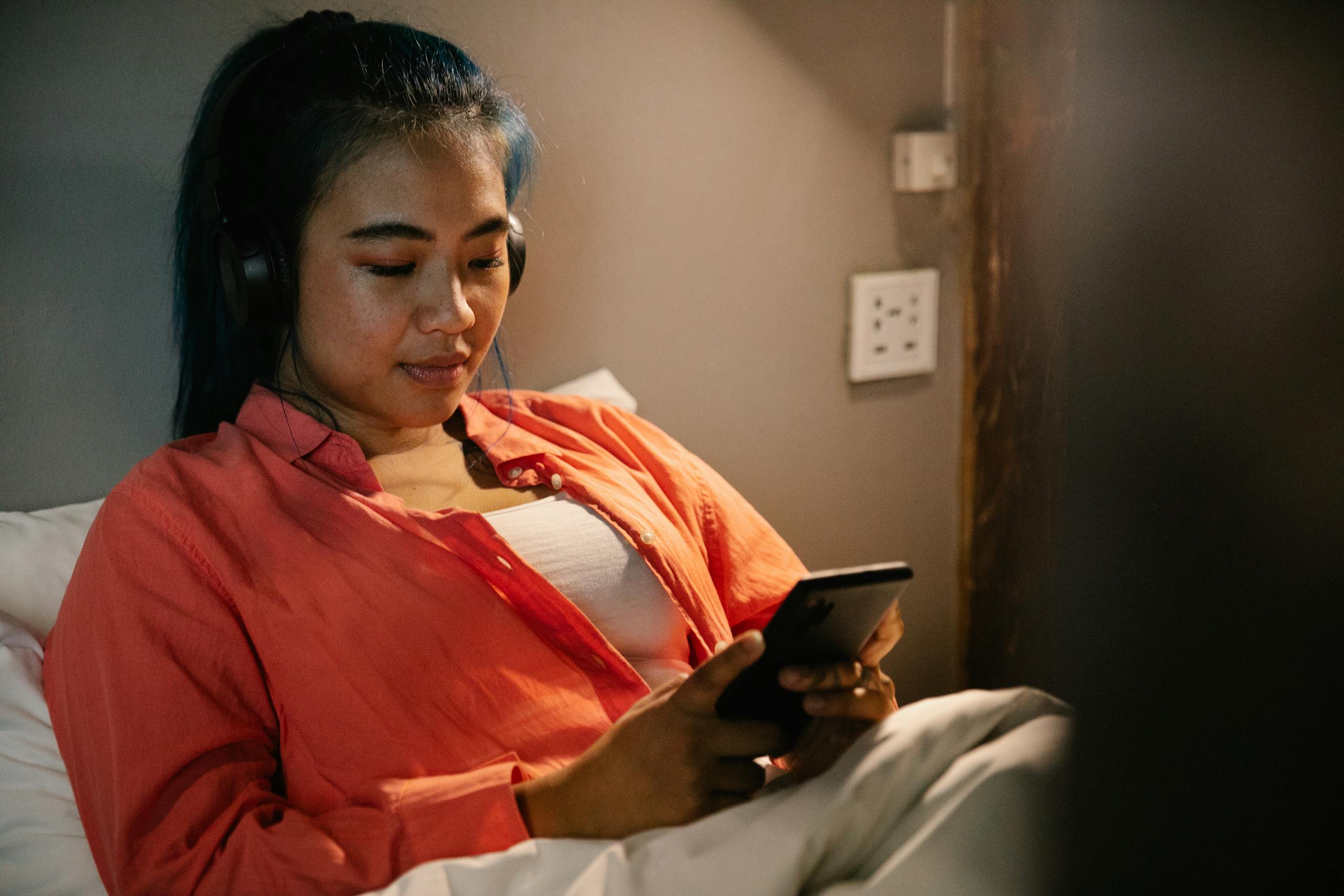
There’s also the matter of deferred self-care. Procrastination doesn’t just affect work tasks. Many people also delay health-related behaviors: scheduling medical appointments, exercising consistently, preparing nutritious meals, taking medication on time. A University of Northern Iowa study on procrastination and health behaviors identified meaningful connections between chronic procrastination and delayed preventive health actions. When avoidance becomes a default coping style, it tends to generalize across all domains of life, including the ones that matter most for long-term wellbeing.
For introverts who are already prone to absorbing emotional weight deeply, the physical consequences can be pronounced. The emotional processing that characterizes highly sensitive people means we’re often carrying more internal load than others realize. Add chronic procrastination stress to that baseline, and the body starts showing the strain in ways that are hard to ignore: tension headaches, digestive issues, persistent fatigue, a general sense of running on empty.
I went through a period about twelve years into running my agency where I was consistently delaying a major operational restructuring I knew needed to happen. Every week I’d tell myself I’d address it “next month.” The procrastination lasted nearly a year. During that time, I was sleeping poorly, getting sick more often than usual, and carrying a physical tension in my shoulders that I now recognize as my body’s response to sustained unresolved stress. When I finally made the changes, the physical relief was almost immediate. My body had been holding the weight of that undone thing the entire time.
The connection between emotional avoidance and physical symptoms is well-documented in the broader stress literature. According to clinical overviews of stress response available through the National Library of Medicine, the body’s stress response system isn’t designed for prolonged activation. When psychological stressors persist without resolution, the physiological consequences accumulate in ways that go well beyond feeling tired or tense.
Why Are Introverts and HSPs Especially Vulnerable to These Effects?
Not everyone experiences procrastination the same way. For people wired toward deep internal processing, the effects tend to amplify.
Introverts, and particularly highly sensitive people, process experiences more thoroughly than average. That depth is genuinely valuable. It produces insight, creativity, and a quality of attention that shallower processors can’t match. Yet it also means that negative experiences, including the guilt and shame of chronic avoidance, get processed more thoroughly too. The emotional residue of procrastination doesn’t dissipate quickly. It gets examined, contextualized, and felt at a level of intensity that can be genuinely exhausting.
There’s also the empathy dimension. Many introverts carry a heightened awareness of how their actions, or inactions, affect other people. The double-edged nature of HSP empathy means that procrastinating on something that affects a colleague or client doesn’t just create professional guilt. It creates a felt sense of having let someone down that can be almost physically uncomfortable. That discomfort can paradoxically make it harder to start, because starting means confronting both the task and the emotional weight you’ve attached to it.
The American Psychological Association notes that building resilience involves developing healthy coping strategies and maintaining strong self-awareness, both areas where introverts have natural capacity. The challenge is channeling that self-awareness toward constructive action rather than rumination. Knowing why you’re procrastinating doesn’t automatically make it easier to stop. Yet that self-knowledge is still the starting point for meaningful change.
One pattern I noticed in myself and in the introverted members of my agency teams was a tendency to over-prepare as a form of sophisticated procrastination. We’d research exhaustively, outline meticulously, and gather every possible piece of information before allowing ourselves to begin. On the surface, it looked like thoroughness. Underneath, it was avoidance dressed in productivity clothing. The preparation gave us the feeling of working without exposing us to the vulnerability of actually producing something that could be judged.

What Can Actually Help Break the Procrastination Cycle?
Because procrastination is fundamentally an emotional regulation problem, the most effective approaches address the emotional component directly rather than just adding more structure or accountability systems.
Self-compassion matters more than most people expect. A growing body of psychological work suggests that harsh self-criticism after procrastinating actually increases the likelihood of future procrastination, while self-forgiveness tends to reduce it. When you beat yourself up for avoiding a task, you create more negative emotion around that task, which makes avoidance feel even more necessary next time. Treating yourself with the same patience you’d offer a friend short-circuits that loop.
Breaking tasks into smaller, emotionally manageable pieces helps too. success doesn’t mean eliminate the discomfort of difficult work. It’s to reduce the activation energy required to begin. A task framed as “write the entire proposal” feels enormous and threatening. The same task framed as “write one paragraph about the client’s core problem” feels approachable. The first step is usually the hardest, and making it genuinely small removes the psychological barrier to starting.
For introverts specifically, designing your environment to minimize the sensory and social demands that drain your energy can make a meaningful difference. When you’re already depleted from overstimulation or social interaction, your capacity for self-regulation drops, and avoidance becomes more likely. Protecting your energy isn’t self-indulgence. It’s a practical strategy for maintaining the cognitive and emotional resources that difficult tasks require.
Therapy, particularly approaches that address the anxiety and self-worth dimensions of procrastination, can be genuinely valuable for people whose avoidance patterns have become entrenched. A Psychology Today piece on introvert communication patterns touches on how introverts often internalize their struggles rather than seeking support, which can allow problems like chronic procrastination to deepen unnecessarily.
What shifted things for me, eventually, was recognizing that my procrastination was almost always tied to a specific fear: the fear of producing something that didn’t match my internal standard of quality. Once I could name that fear clearly, I could start working with it rather than around it. I could ask myself, “What’s the worst realistic outcome if this isn’t perfect?” and usually the honest answer was “not very much.” That question didn’t eliminate the discomfort, but it made it smaller and more workable.
If you’re exploring the emotional roots of your own avoidance patterns, the resources in our Introvert Mental Health Hub cover anxiety, perfectionism, emotional processing, and related challenges in depth, and they’re worth spending time with.
About the Author
Keith Lacy is an introvert who’s learned to embrace his true self later in life. After 20 years in advertising and marketing leadership, including running agencies and managing Fortune 500 accounts, Keith now channels his experience into helping fellow introverts understand their strengths and build fulfilling careers. As an INTJ, he brings analytical depth and authentic perspective to every article, drawing from both professional expertise and personal growth.
Frequently Asked Questions
What are three of the effects of excessive procrastination on mental health?
Three significant effects of excessive procrastination on mental health are chronic anxiety, damaged self-esteem, and physical health deterioration. Chronic anxiety develops because avoiding tasks creates a sustained stress state that generalizes beyond the original trigger. Self-esteem suffers as repeated failures to follow through erode your sense of personal reliability and self-trust. Physical health deteriorates because the prolonged stress response disrupts sleep, suppresses immune function, and contributes to conditions like tension, fatigue, and cardiovascular strain over time.
Is procrastination a sign of anxiety or depression?
Procrastination can be associated with both anxiety and depression, though the mechanisms differ. Anxiety-driven procrastination typically involves avoidance of tasks that feel threatening or overwhelming. Depression-related procrastination often stems from low motivation, reduced energy, and difficulty experiencing a sense of reward or purpose in completing tasks. Many people experience both simultaneously, and chronic procrastination can also contribute to anxiety and depression rather than simply resulting from them, creating a reinforcing cycle. A mental health professional can help identify which dynamic is most relevant for any individual.
Why do introverts and highly sensitive people tend to procrastinate more intensely?
Introverts and highly sensitive people often experience procrastination more intensely because of how deeply they process emotional information. The guilt, shame, and anxiety associated with avoidance get examined thoroughly rather than passing quickly, which amplifies their emotional weight. Perfectionism is also more common in this group, making it harder to start tasks when the internal standard for acceptable output is very high. Additionally, sensory and social overstimulation depletes the energy reserves needed for self-regulation, making avoidance more likely when those reserves are low.
Can excessive procrastination cause physical health problems?
Yes, excessive procrastination can contribute to physical health problems through the mechanism of chronic stress. When unresolved tasks keep the nervous system in a sustained low-grade stress state, the body experiences elevated cortisol levels, disrupted sleep, reduced immune function, and increased cardiovascular strain over time. Procrastination also tends to generalize to health-related behaviors, meaning people who chronically avoid difficult tasks often also delay medical appointments, exercise, and other preventive health actions, compounding the physical impact.
What is the most effective way to break a chronic procrastination cycle?
The most effective approaches address procrastination as an emotional regulation problem rather than a time management problem. Practicing self-compassion after episodes of avoidance, rather than harsh self-criticism, reduces the negative emotion associated with tasks and makes future avoidance less likely. Breaking tasks into genuinely small, emotionally manageable steps lowers the activation energy required to begin. Identifying the specific fear or discomfort driving the avoidance, whether it’s fear of failure, judgment, or falling short of a personal standard, allows you to work with that emotion directly. For deeply entrenched patterns, working with a therapist who addresses anxiety and self-worth can produce meaningful, lasting change.