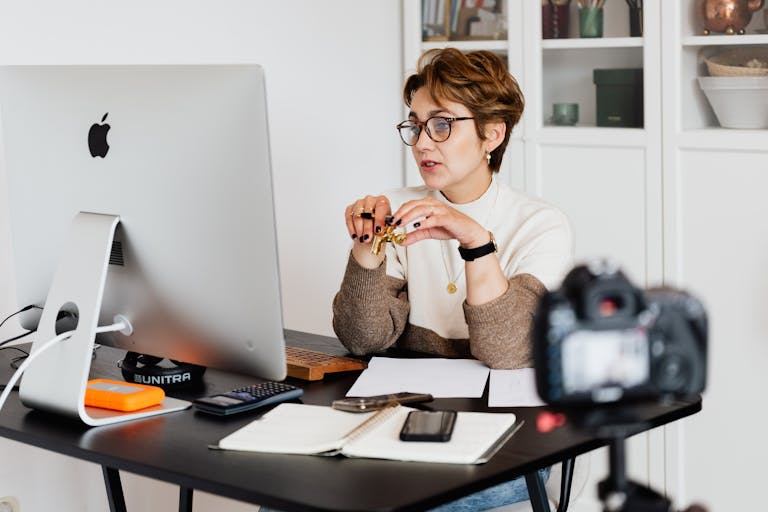

My home office used to feel like a sterile holding cell. Four walls, a monitor, and the relentless hum of productivity expectations. After twenty years in advertising agencies where open floor plans drained my energy daily, I thought working from home would solve everything. It helped, certainly, but something was still missing. That something turned out to be green, leafy, and quietly alive.
Adding plants to my desk changed how I experience work in ways I never anticipated. What started as a single pothos cutting from a friend became a curated collection of living companions that make my introvert workspace feel genuinely restorative. Plants offer something screens and productivity apps never can: a connection to something organic, growing, and utterly indifferent to deadlines.
Why Introverts Respond Differently to Indoor Plants
Introverts process environmental stimuli more deeply than extroverts, which means our surroundings affect us more intensely. A cluttered, lifeless workspace creates subtle but persistent stress that compounds throughout the day. Plants counteract this by introducing what environmental psychologists call “soft fascination,” a gentle engagement that lets our directed attention rest while we continue working.
What’s your personality type?
Take our free 40-question assessment and get a detailed personality profile with dimension breakdowns, context analysis, and personalised insights.
Discover Your Type8-12 minutes · 40 questions · Free
A 2023 study published in Scientific Reports found that indoor spaces with vegetation produced measurably higher cognitive performance and perceived restoration scores compared to baseline environments. For introverts who spend significant energy managing stimulation levels, these micro-restorative benefits accumulate meaningfully over an eight-hour workday.
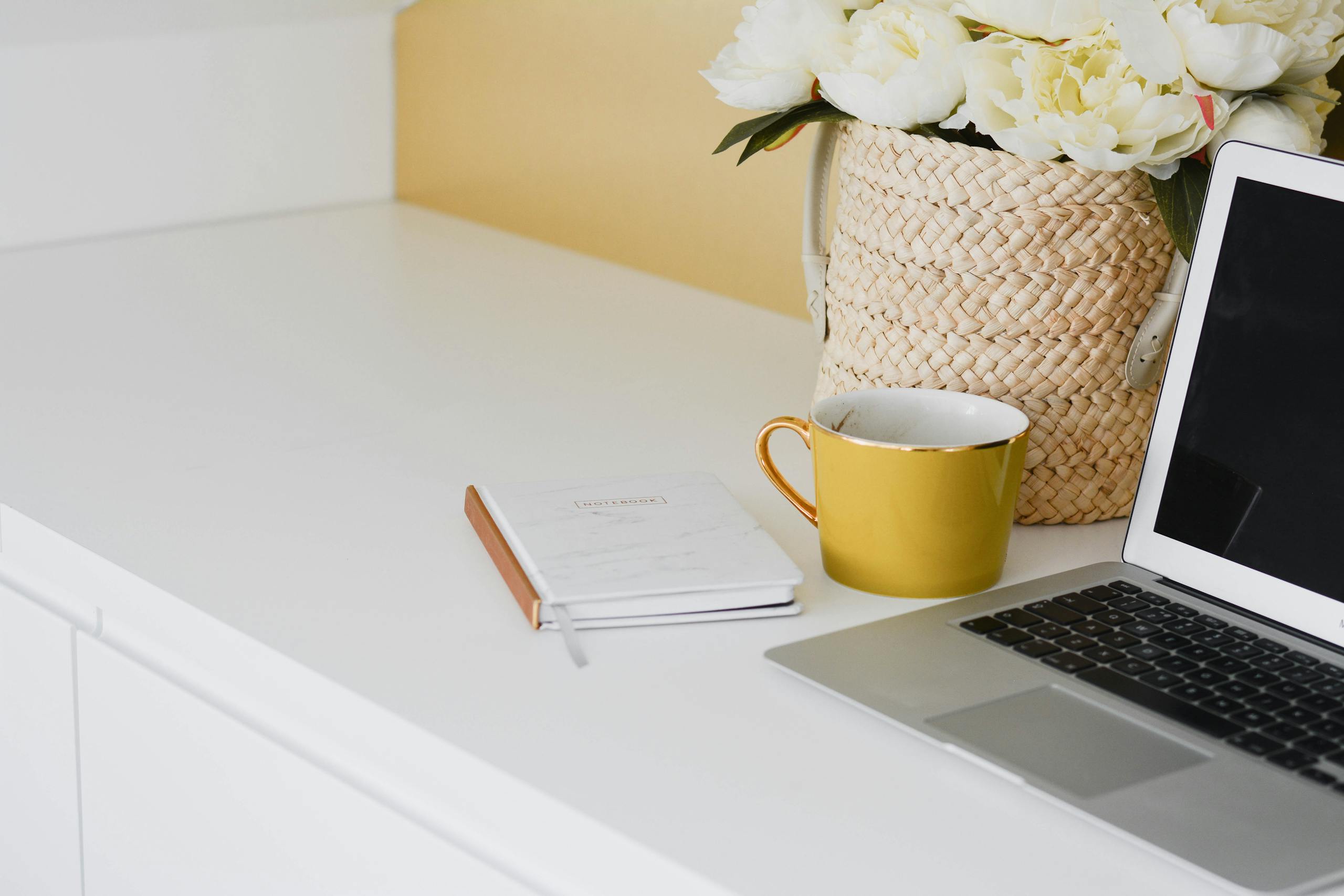
During my agency years, I noticed how differently I performed in various environments. Conference rooms stripped of personality left me depleted after meetings. Offices with windows overlooking trees felt easier. My current home office, now populated with snake plants, pothos, and a resilient ZZ plant, feels like an extension of my internal landscape rather than an external demand.
The Science Behind Plants and Productivity
Claims about plants boosting productivity can sound like wellness marketing, but the research is surprisingly robust. Researchers from the University of Exeter conducted the first long-term field study examining real offices over several months. Their findings showed that enriching previously sparse workspaces with plants increased productivity by 15 percent while improving perceived air quality and workplace satisfaction.
What makes this particularly relevant for introverts is the mechanism. Dr. Craig Knight, one of the researchers, described spartan offices devoid of natural elements as “the most toxic space you can put a human into.” Plants signal that we have some control over our environment, which matters enormously when you spend most of your waking hours in a single room.
Attention Restoration Theory offers another explanation. According to research covered in Scientific American, our capacity for directed attention is limited and depletes with sustained mental effort. Natural elements engage a different type of attention called “undirected attention” that allows the directed attention system to recover. Even glancing at a desk plant between tasks provides what psychologist Stephen Kaplan called “micro-restorative” experiences.
When I managed creative teams, I watched talented people burn out because they never gave their minds genuine rest during the workday. Taking breaks meant scrolling phones, which just shifted the type of demand on their attention. Plants offer something phones cannot: they require nothing from you while giving something back.
Choosing Low-Maintenance Plants for Busy Introverts
The wrong plant becomes another source of stress. Watching something wilt because you forgot to water it for two weeks does nothing for your wellbeing. The right plants forgive neglect while still providing the visual and psychological benefits that make them worthwhile.
Snake plants (Sansevieria) tolerate low light and irregular watering better than almost any other houseplant. Their architectural leaves add visual interest without demanding attention. I have one that has survived three office moves and at least two months of total neglect during an intense project period. It looked slightly disappointed when I remembered it existed, but it recovered within a week.
Pothos vines thrive in various light conditions and actually prefer their soil to dry out between waterings. Their trailing growth creates a sense of abundance without requiring elaborate care routines. Mine cascade down a bookshelf behind my monitor, providing green in my peripheral vision throughout the day.
ZZ plants (Zamioculcas zamiifolia) handle low light and drought with remarkable resilience. Their glossy leaves reflect whatever light exists in a room, adding brightness even in dim corners. For introverts who prefer spaces with softer, less intense lighting, ZZ plants are nearly perfect companions.
Spider plants produce offspring called “spiderettes” that dangle from the mother plant on long stems. Beyond their air-purifying reputation, they offer the subtle satisfaction of watching new growth develop. This kind of slow, observable change provides a counterpoint to the frantic pace of digital work.
Positioning Plants for Maximum Benefit
Where you place plants matters as much as which plants you choose. Research published in Psychology Today suggests that having plants visible from your primary work position produces the strongest effects. You do not need a jungle; even one or two plants within your line of sight make a measurable difference.
I position my largest plant just to the left of my monitor, where I naturally glance when thinking through problems. This placement creates an automatic micro-break every time my eyes shift from the screen. My pothos trails along the shelf directly in front of me at seated eye level, meaning green fills my peripheral vision constantly.
Avoid placing plants where they create practical problems. A trailing vine that obscures your webcam during video calls adds stress rather than reducing it. Plants too close to your keyboard risk getting knocked over during animated typing sessions. The goal is invisible integration that enhances your space without creating new obstacles.
Consider how your lighting setup affects plant placement. Most low-light tolerant plants survive with artificial light, but positioning them near windows or under grow lights helps them thrive rather than merely survive. A healthy plant provides more psychological benefit than a struggling one.
Biophilic Design: The Bigger Picture
Plants represent one element of biophilic design, an approach that integrates natural elements into built environments to support human health and wellbeing. A 2020 study published in Environment International found that participants in biophilic indoor environments showed consistently better recovery from stress and anxiety compared to those in non-biophilic spaces. Effects on physiological responses appeared immediately, with the largest impacts occurring within the first four minutes of exposure.
For introverts building home offices, biophilic design principles offer a framework for creating genuinely restorative workspaces. Plants combine with natural light, organic textures, and views of nature (even simulated ones) to create environments that support rather than deplete us.
My workspace now includes not just plants but also a wooden desk surface, linen curtains that filter natural light, and a small water feature that provides gentle background sound. Each element contributes to an environment that feels fundamentally different from the fluorescent-lit agency spaces where I spent too many years forcing myself to match an extroverted ideal.
Your chair and desk setup affects how comfortably you can maintain awareness of surrounding plants. An ergonomic arrangement that supports natural posture makes it easier to appreciate environmental elements rather than focusing exclusively on discomfort.
Managing Plant Care Without Adding Stress
The last thing introverts need is another demand on their attention. Fortunately, minimal-care plants genuinely require minimal care. Setting a phone reminder for weekly watering keeps most plants healthy without requiring constant mental tracking.
I water my plants every Sunday morning while coffee brews. This ritual takes perhaps five minutes and has become a pleasant transition between weekend and workweek modes. The consistency prevents both overwatering and neglect, the two primary ways people kill houseplants.
A 2023 field study of Dutch office workers examined how plants affected various aspects of workplace experience over extended periods. Among the findings: plants may help reduce noise annoyance and improve perceived air quality, benefits that matter particularly for sensory-sensitive introverts.
Self-watering pots reduce care requirements further. These containers have reservoirs that plants draw from as needed, extending the time between manual watering to two weeks or more. For introverts who become absorbed in work and forget peripheral tasks, self-watering systems remove one more thing from the mental load.
Dust accumulating on leaves reduces their visual appeal and can affect plant health. A quick wipe with a damp cloth every month or so keeps plants looking their best. Some people find this kind of gentle, repetitive care task genuinely calming, a form of active meditation that provides a break from cognitive work.
Creating Your Ideal Introvert Plant Setup
Start with one plant. Adding too many at once creates care complexity and visual clutter. A single, well-chosen plant positioned thoughtfully provides most of the benefits without overwhelming your space or attention.
Consider your desk surface area realistically. If you use a standing desk that you adjust throughout the day, plants on the desk itself may not work. Nearby shelves or floor plants might serve better. Wall-mounted planters keep greenery visible without consuming desk real estate.
Match plant needs to your actual environment. North-facing windows provide different light than south-facing ones. Rooms with humidifiers support moisture-loving plants better than dry environments. Honest assessment of your conditions leads to healthier plants and less frustration.
Your air quality setup can complement plant choices. While research shows that plants alone do not dramatically purify room air, combining them with mechanical air filtration creates a space that both looks and feels cleaner.

The Deeper Value of Living Things in Your Workspace
A systematic review with meta-analyses published in the International Journal of Environmental Research and Public Health confirmed that indoor plants significantly benefit diastolic blood pressure and academic achievement. The researchers noted that these effects support both Stress Recovery Theory and Attention Restoration Theory as explanations for why plants help us function better.
Beyond the measurable benefits, plants offer introverts something harder to quantify: companionship that requires nothing in return. They grow slowly, change subtly, and exist on a timeline completely separate from urgent emails and pressing deadlines. Watching new leaves unfurl provides a reminder that not everything operates at digital speed.
During the most intense period of my agency career, I worked in an office with a single, nearly dead ficus in the corner. No one watered it or paid it any attention. It became a symbol of how the environment treated the people who worked there. When I finally left that job, I promised myself I would never work in a space that lifeless again.
My current home office reflects that promise. Plants thrive on my desk and shelves, reminding me throughout each day that I have created an environment aligned with my needs rather than against them. For introverts building work-from-home setups, this kind of intentional environment design makes sustainable productivity possible.
You do not need expensive plants or elaborate setups. A grocery store pothos in a simple pot, positioned where you can see it while you work, provides real benefits. The key is adding life to a space dominated by screens and tasks, creating small moments of restoration throughout your day.
Whatever plants you choose, give them a few weeks before judging their impact. The effects build gradually as your nervous system learns to expect that green presence. Soon you may find, as I did, that your workspace feels incomplete without them.
Frequently Asked Questions
What are the best desk plants for an introvert home office?
Snake plants, pothos, ZZ plants, and spider plants all thrive in typical home office conditions with minimal care. These plants tolerate low light, irregular watering, and general neglect while providing the visual and psychological benefits that support introvert productivity. Start with one plant and expand based on your space and care capacity.
Do desk plants actually improve productivity?
Multiple studies confirm that indoor plants improve productivity, with one long-term field study showing a 15 percent increase when sparse offices were enriched with greenery. Plants support focused work by providing micro-restorative experiences that allow directed attention to recover, which benefits introverts who spend significant mental energy managing their work environments.
How many plants should I have on my desk?
Quality matters more than quantity. One or two well-positioned plants visible from your primary work position provide most of the benefits without creating care complexity or visual clutter. The key is ensuring plants remain within your line of sight throughout the workday for maximum restorative effect.
Can plants survive in a home office with low natural light?
Yes, several plant varieties thrive in low-light conditions. Snake plants, ZZ plants, and pothos adapt well to offices with limited natural light or primarily artificial illumination. These plants evolved in forest understories where they received filtered light, making them ideal for interior spaces with north-facing windows or minimal window access.
How often should I water desk plants?
Most low-maintenance desk plants prefer their soil to dry somewhat between waterings, typically requiring water once weekly. Overwatering causes more plant deaths than underwatering. Setting a consistent weekly reminder and checking soil moisture before watering prevents most problems while keeping care routines simple and sustainable.
Explore more Introvert Tools and Products resources in our complete Introvert Tools and Products Hub.
About the Author
Keith Lacy is an introvert who’s learned to embrace his true self later in life. With a background in marketing and a successful career in media and advertising, Keith has worked with some of the world’s biggest brands. As a senior leader in the industry, he has built a wealth of knowledge in marketing strategy. Now, he’s on a mission to educate both introverts and extroverts about the power of introversion and how understanding this personality trait can unlock new levels of productivity, self-awareness, and success.