
Yes, narcissists do get depressed, though the way depression shows up in someone with narcissistic personality disorder looks quite different from what most people expect. Beneath the grandiosity and apparent confidence, many people with narcissistic traits carry a fragile inner world that becomes vulnerable to significant emotional collapse when life fails to meet their expectations. Depression in narcissists tends to be tied to external triggers like loss of status, rejection, or failure rather than the quiet, inward suffering that many others experience.
Understanding this matters, especially if you’ve ever been in a relationship with someone who displayed narcissistic behavior and watched them cycle between inflated confidence and what seemed like genuine despair. It also matters if you’re trying to make sense of your own emotional patterns after years of close contact with someone like that.
Our Depression and Low Mood hub covers the full emotional landscape of how introverts and sensitive people experience low mood, but the intersection of narcissism and depression adds a layer that deserves its own examination. It’s a topic I’ve thought about a lot, partly because the advertising world I worked in for two decades had no shortage of people who fit this profile.

What Does Narcissistic Personality Disorder Actually Look Like?
Before getting into how depression connects to narcissism, it helps to be clear about what narcissistic personality disorder (NPD) actually is, because the word “narcissist” gets used loosely in everyday conversation. Clinically, NPD is a personality disorder characterized by a pervasive pattern of grandiosity, a deep need for admiration, and a lack of empathy. According to the National Library of Medicine’s clinical overview of NPD, the disorder affects a relatively small percentage of the general population, though subclinical narcissistic traits are far more common.
Career Coaching for Introverts
One-on-one career strategy sessions with Keith Lacy. 20 years of Fortune 500 leadership as an introvert, now helping others build careers that work with their wiring.
Learn More50-minute Zoom session · $175
What most people miss is that beneath the surface presentation of superiority and entitlement, there is often profound psychological fragility. The grandiose self-image that a narcissist projects isn’t actually stable. It requires constant reinforcement from the outside world, which psychologists call narcissistic supply. When that supply gets cut off, or when reality delivers a blow that the ego can’t absorb, the psychological floor can drop out.
I spent years working alongside executives who fit this pattern. One client I managed at my agency was a marketing VP who was brilliant at commanding a room. He had that magnetic confidence that made everyone want to impress him. But I watched him unravel completely when his company was acquired and his role was restructured. He didn’t just feel disappointed. He became genuinely despondent in a way that shocked his team. What looked like strength had always been contingent on a specific set of conditions being met.
Why Are Narcissists Vulnerable to Depression?
The vulnerability to depression in people with narcissistic traits comes from a structural problem in how their self-worth is organized. Most emotionally healthy people have an internal sense of value that doesn’t completely depend on external validation. Narcissists, by contrast, have built their entire psychological identity on a foundation of external feedback. Admiration, status, achievement, and control over others become the load-bearing walls of their sense of self.
When those walls get knocked down, whether through professional failure, relationship endings, aging, public humiliation, or simply being ignored, there’s nothing underneath to catch them. The resulting emotional crash can look a lot like depression, and in many cases, it meets the clinical criteria for a major depressive episode.
Researchers have identified what’s sometimes called “narcissistic injury” as a key trigger. This is any experience that threatens the grandiose self-image, even something that seems minor to an outside observer. A critical comment, being passed over for recognition, or losing an argument can land with devastating force on someone whose entire psychological architecture depends on feeling superior. The research published in PMC examining personality disorders and emotional regulation points to the difficulty people with narcissistic traits have in processing negative emotional experiences, which compounds the risk of depressive episodes.

As an INTJ, I process emotion differently than many people do. My feelings run deep, but I tend to examine them rather than broadcast them. What I noticed over my years in agency leadership was that the people most likely to perform emotional volatility in the office, the ones who seemed the most confident and the most dominant, were often the ones least equipped to handle genuine setbacks. The quieter people on my teams, including several highly sensitive individuals I managed, often had more genuine emotional resilience because they’d spent their lives building an internal relationship with their own feelings. You can read more about how highly sensitive people experience depression in this piece on HSP depression and the highly sensitive experience, which explores that inner world with real depth.
How Does Depression in Narcissists Differ From Other Types of Depression?
Depression is not a monolithic experience. It shows up differently depending on a person’s underlying psychology, and in someone with narcissistic traits, several distinguishing features tend to emerge.
First, the depression is often ego-syntonic in its cause but ego-dystonic in its experience. What that means in plain language: the narcissist doesn’t see their own behavior as the source of the problem. They experience the depression as something being done to them by an unfair world, not as a consequence of their own patterns. Blame is almost always externalized. The company didn’t recognize their genius. The partner left because they were selfish. The world failed to deliver what they deserved.
Second, the depression in narcissists often comes packaged with rage. When the emotional crash happens, it doesn’t always look like the withdrawn, tearful presentation many people associate with depression. It can look like fury, contempt, vindictiveness, and a frantic search for someone to blame. This is sometimes called “narcissistic rage,” and it can be genuinely frightening to people close to the person experiencing it.
Third, narcissists are often highly resistant to treatment. Seeking therapy requires a willingness to examine your own patterns honestly, to sit with vulnerability, and to accept that you might be contributing to your own suffering. All of those things run directly counter to how narcissistic defenses work. The grandiose self cannot easily say, “I need help.” Even when depression becomes severe, many people with NPD avoid professional support or drop out early when a therapist begins asking uncomfortable questions.
That said, some people with narcissistic traits do seek help, particularly when the depression becomes impossible to ignore or when their external circumstances have collapsed so completely that the usual defenses stop working. The question of whether antidepressants or other interventions help is genuinely complicated, and for anyone considering that path, understanding the full picture of treatment options matters. The article on antidepressants and social anxiety touches on some of the nuances around medication and mood disorders that are worth understanding.
The Role of Shame in Narcissistic Depression
Shame is at the center of this. Not guilt, which involves feeling bad about something you did, but shame, which involves feeling fundamentally defective as a person. Many psychologists who work with personality disorders believe that narcissism is, at its core, a defense against unbearable shame. The grandiose presentation is armor built to keep that shame from ever being felt consciously.
When depression breaks through, it often carries that shame with it. The narcissist who has always needed to be the most impressive person in the room suddenly finds themselves unable to perform that role, and what floods in is a sense of worthlessness so overwhelming that it feels annihilating. This is sometimes called “narcissistic collapse,” and it can be a genuine psychiatric emergency.
Understanding shame-based depression is important for anyone who has been in a close relationship with a narcissistic person, because you may have absorbed some of that shame yourself. Narcissists are often extraordinarily skilled at transferring their own self-contempt onto the people around them. If you’ve spent years being told you’re the problem, the inadequate one, the one who never measures up, disentangling your own emotional health from that narrative takes real work.

Can Living With a Narcissist Cause Depression in Others?
This is the question that many people arrive at after years of trying to understand a relationship that left them depleted and confused. The short answer is yes, and the mechanism is worth understanding clearly.
Being in a sustained relationship with someone who has significant narcissistic traits, whether a parent, partner, colleague, or boss, creates a specific kind of psychological damage. Your own perceptions get consistently invalidated. Your emotional needs get dismissed or weaponized against you. Your sense of reality gets distorted through a process that’s sometimes called gaslighting. Over time, this erodes the internal foundation that healthy self-esteem requires.
I’ve seen this play out in professional settings. One of the hardest things I dealt with running my agency was watching talented people shrink under narcissistic leadership. I had a creative director on one account who was genuinely exceptional at her work, but she’d spent three years reporting to a client-side marketing director who took credit for her ideas and publicly criticized her in meetings. By the time I inherited that account relationship, she barely spoke up in presentations. The depression wasn’t dramatic. It was a quiet dimming, a withdrawal of energy and confidence that happened so gradually nobody had named it.
Introverts may be particularly susceptible to this kind of erosion, not because we’re weaker, but because we tend to internalize and process rather than externalize and push back. We’re more likely to assume the problem is with us, to turn the criticism inward and examine it seriously rather than deflecting it. That reflective quality is genuinely one of our strengths in most contexts. In a relationship with someone who exploits it, it can become a vulnerability.
If you’ve experienced this kind of relationship and are working through the aftermath, finding activities that restore rather than deplete your energy is one concrete step worth considering. The piece on hobbies for introverts with anxiety and depression offers some genuinely useful starting points for rebuilding that internal reservoir.
Does Social Media Amplify Narcissistic Depression?
Social media deserves its own examination in this context because it has become one of the primary arenas where narcissistic supply gets sought and sometimes catastrophically withdrawn. Platforms built around likes, followers, and public performance are essentially designed to reward narcissistic behavior patterns. The dopamine loop of posting and receiving validation maps almost perfectly onto the narcissistic need for constant admiration.
What happens when that validation stops, or when a post fails to perform, or when someone’s carefully curated image gets publicly challenged, can trigger exactly the kind of narcissistic injury that leads to depressive episodes. The relationship between social media and mental health is genuinely complicated for everyone, and our exploration of whether social media causes depression and anxiety examines that broader picture in detail.
For people with narcissistic traits specifically, the comparison culture that social media accelerates can be destabilizing in a particular way. When someone else’s success gets broadcast into your feed and your identity is built entirely on being the most successful, the most admired, the most impressive person in any given room, that comparison becomes a direct attack on the self. The resulting depression can be intense and rapid in onset.
There’s also a specific dynamic worth naming: some people who display narcissistic behavior online are performing a version of themselves that is even more disconnected from their actual inner life than usual. The gap between the curated public persona and the private reality becomes so vast that maintaining it requires enormous psychological energy. When that performance collapses, whether through a public controversy, a loss of followers, or simply the exhaustion of keeping it up, the crash can be severe.
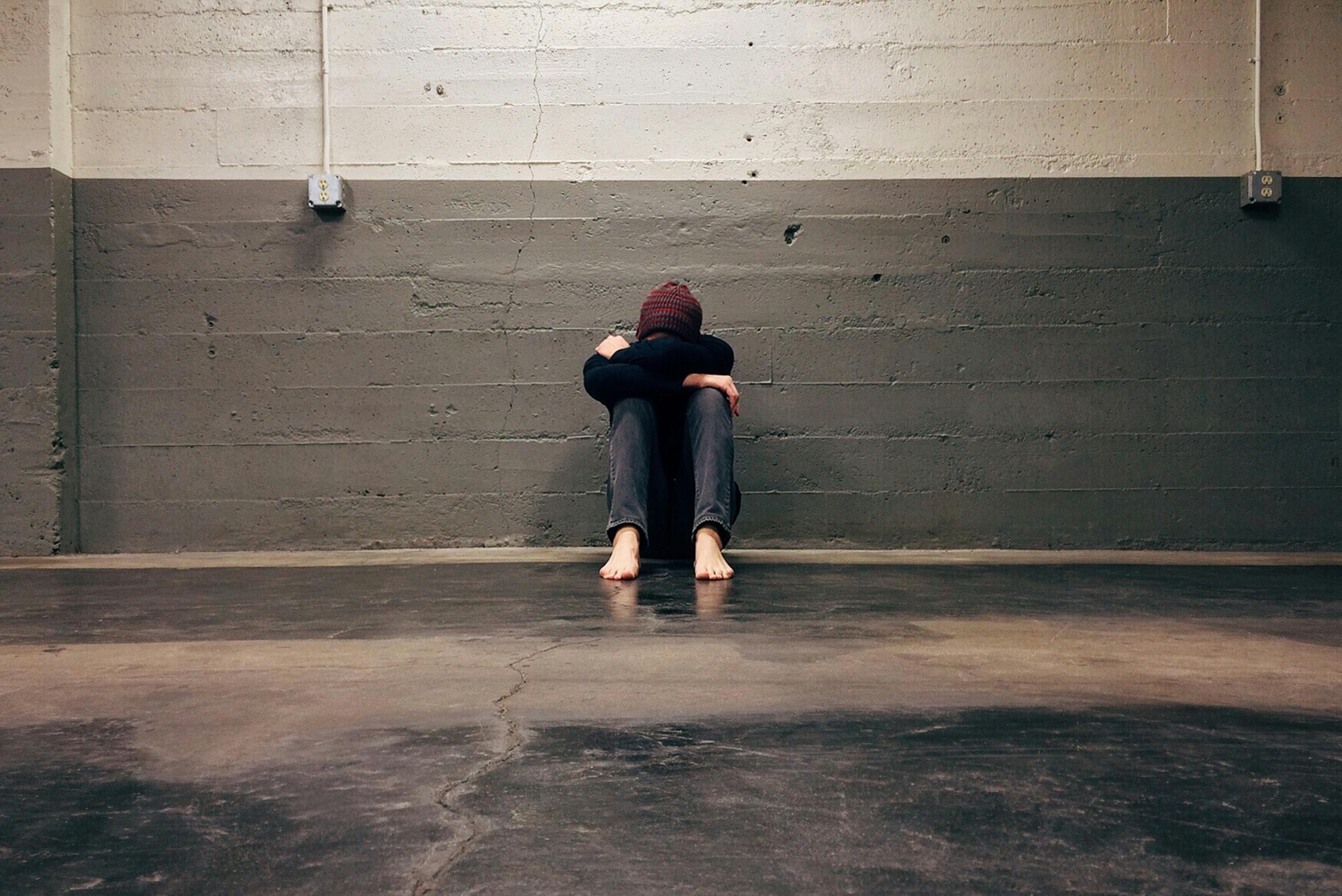
What Happens When Narcissists Don’t Get Help?
Depression that goes untreated in anyone carries serious risks, and in someone with narcissistic personality traits, the complications can be particularly significant. When the internal pain becomes unbearable and the usual defenses stop working, some people with NPD turn to substance use, compulsive behavior, or increasingly desperate attempts to restore their sense of superiority through controlling or harming others.
There is also a meaningful risk of suicidal ideation in narcissistic collapse. The experience of having the grandiose self completely dismantled can feel, to the person going through it, like a kind of psychological death. When someone’s entire identity has been organized around being exceptional, the prospect of being ordinary, or worse, being seen as a failure, can feel genuinely unbearable. This is a clinical reality that mental health professionals who work with personality disorders take seriously.
For those supporting someone in this kind of crisis, knowing when the situation exceeds what you can manage personally is important. In cases where depression becomes severe and disabling, understanding what formal support systems exist matters. The piece on Social Security disability for anxiety and depression covers some of the practical support infrastructure that exists for people whose mental health has become significantly disabling.
The PMC research on personality disorders and treatment outcomes suggests that while NPD is genuinely difficult to treat, outcomes improve considerably when someone receives consistent, specialized therapeutic support. The challenge is getting someone with narcissistic traits to accept that they need it.
Is There Any Treatment That Actually Works?
Treating depression in someone with narcissistic personality disorder requires a clinician who understands both conditions and how they interact. Standard approaches to depression, including cognitive behavioral therapy and medication, can be helpful, but they often need to be adapted significantly.
Schema therapy, which works with the deep-seated belief patterns that underlie personality disorders, has shown some promise. Transference-focused psychotherapy, which specifically addresses the relational patterns that characterize personality disorders, is another approach that clinicians have found useful. The National Institute of Mental Health provides a solid foundation for understanding how mood and anxiety disorders are assessed and treated, which is relevant background for anyone trying to understand treatment options in this space.
What seems to matter most is finding a therapist who can hold firm boundaries, maintain a consistent and non-reactive presence, and avoid being drawn into the narcissist’s need to either idealize or devalue the therapeutic relationship. That’s a specific skill set, and not every therapist has it.
For people who have been on the receiving end of narcissistic behavior and are dealing with their own resulting depression and anxiety, different approaches apply. One angle that sometimes gets overlooked is the value of structured, low-stakes social engagement as a way of rebuilding confidence in human connection. The SAD RPG approach to social anxiety offers an interesting framework for people who find that direct social interaction feels overwhelming after experiencing relational trauma.
The American Psychological Association’s work on resilience is also worth engaging with here, because rebuilding after a narcissistic relationship is fundamentally a resilience process. It’s about reconstructing a sense of self that doesn’t depend on the validation or approval of someone who withheld it strategically.
What Can Introverts Learn From Understanding This Pattern?
Spending years in advertising meant spending years in rooms with people who had learned to perform confidence as a survival strategy. Some of those people were genuinely confident. Others had constructed an elaborate performance that I came to recognize, over time, as something more fragile than it looked. As an INTJ, I was always more interested in what was actually true than in what was being performed, and that orientation eventually helped me see through a lot of the theater.
What introverts can take from understanding narcissism and depression is something genuinely useful: the recognition that external performance of confidence is not the same as internal stability. The people in my professional life who had the most genuine resilience were rarely the loudest ones in the room. They were the ones who had developed a relationship with their own inner life, who could sit with discomfort without needing to immediately externalize it or project it onto someone else.
That capacity, which many introverts develop naturally through years of internal processing, is actually protective against the kind of psychological fragility that makes narcissistic depression so severe. When your sense of self doesn’t depend entirely on how the room responds to you, you have something to fall back on when the room stops responding the way you hoped.
That’s not to say introverts are immune to depression. We’re not. Our particular relationship with our inner world can sometimes work against us, particularly when rumination takes hold or when we’ve absorbed too much of someone else’s pain. The research on introversion and emotional processing points to the double-edged quality of our tendency toward deep internal reflection. It can be a profound strength. It can also become a trap if we’re not careful about what we’re directing that attention toward.
What I’ve found, both personally and in observing others, is that the antidote to that trap isn’t becoming more extroverted. It’s becoming more intentional about where the internal focus goes. Directing that reflective capacity toward genuine self-understanding, rather than toward self-criticism or toward trying to make sense of someone else’s harmful behavior, is where it becomes genuinely protective.

If you’re working through depression connected to any of the patterns discussed here, whether your own or as someone affected by another person’s behavior, the full range of resources in our Depression and Low Mood hub covers many of the angles that matter most for introverts and sensitive people specifically.
About the Author
Keith Lacy is an introvert who’s learned to embrace his true self later in life. After 20 years in advertising and marketing leadership, including running agencies and managing Fortune 500 accounts, Keith now channels his experience into helping fellow introverts understand their strengths and build fulfilling careers. As an INTJ, he brings analytical depth and authentic perspective to every article, drawing from both professional expertise and personal growth.
Frequently Asked Questions
Do narcissists actually experience depression or just fake it for attention?
Narcissists can and do experience genuine depression, though it often looks different from depression in people without narcissistic traits. The depression is typically triggered by external events that threaten their self-image, such as loss of status, public failure, or rejection. While some people with narcissistic traits do use emotional displays manipulatively, a true depressive episode in someone with narcissistic personality disorder involves real psychological suffering, particularly when their usual defenses stop working and the shame beneath the grandiose exterior breaks through.
What triggers depression in someone with narcissistic personality disorder?
The most common triggers are experiences that psychologists call narcissistic injury, meaning anything that significantly threatens the grandiose self-image. This can include professional failure or demotion, the end of a relationship, aging and physical decline, public criticism or humiliation, being ignored or overlooked, and losing control in a situation where they expected to dominate. Even seemingly minor slights can trigger significant depressive episodes because the narcissistic self-image is built on external validation rather than internal stability.
Can being in a relationship with a narcissist cause depression?
Yes, and this is well-supported clinically. Sustained exposure to narcissistic behavior, including chronic invalidation, gaslighting, emotional manipulation, and the erosion of your sense of reality, creates conditions that are strongly associated with depression and anxiety. People who have spent years in close relationships with narcissistic partners, parents, or managers often emerge with significantly diminished self-esteem, difficulty trusting their own perceptions, and a persistent low mood that can meet the criteria for clinical depression. Recovery typically involves rebuilding an internal sense of self that doesn’t depend on the narcissist’s approval.
Will a narcissist seek treatment for depression?
Many people with narcissistic traits resist seeking professional help for depression because doing so requires acknowledging vulnerability and accepting that their own patterns may be contributing to their suffering, both of which run counter to narcissistic defenses. When they do seek treatment, they may drop out early if a therapist begins challenging their self-narrative. That said, some people with narcissistic traits do engage with therapy, particularly during severe depressive episodes when their usual coping strategies have failed completely. Specialized approaches like schema therapy or transference-focused psychotherapy tend to be more effective than standard talk therapy in these cases.
How is depression in narcissists different from depression in other people?
Several features distinguish narcissistic depression from other presentations. The cause is almost always external rather than internal, meaning the narcissist blames circumstances or other people rather than examining their own contribution. The depression often presents alongside rage, contempt, and vindictiveness rather than the withdrawn sadness many people associate with the condition. Shame plays a central role, often surfacing in ways that feel annihilating because the grandiose self has no tolerance for feeling defective. Additionally, narcissists are less likely to seek help and more likely to externalize their pain onto people close to them, which can make the depressive episode destructive to their relationships even as they are suffering internally.