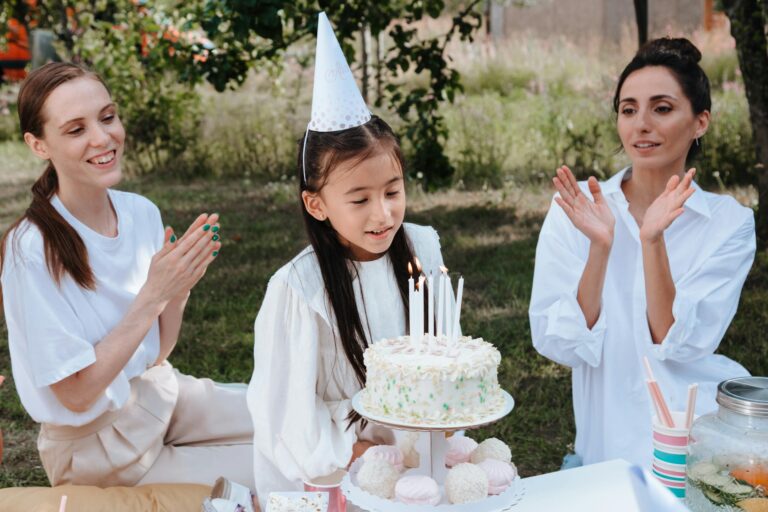
Does homeschooling affect social skills? Yes, but not in the way most people assume. Homeschooled children develop social abilities through a wider range of real-world interactions than the traditional classroom provides, and many introverted homeschoolers actually thrive socially because they’re not forced to perform extroversion in an environment that rewards it.
That second sentence matters more than it might seem at first glance. We spend so much time asking whether homeschooling produces socially capable adults that we rarely stop to question what “socially capable” actually means, or who gets to define it.
As an INTJ who ran advertising agencies for over two decades, I watched this play out in hiring rooms more times than I can count. Some of the most socially intelligent people I ever worked with had unconventional educational backgrounds. And some of the most socially awkward were products of perfectly conventional schooling. The correlation between institutional education and social competence is far weaker than conventional wisdom suggests.

Much of what I’ve learned about introversion and social development connects to a broader conversation about how introverts build and maintain meaningful relationships across every stage of life. Our Introvert Social Skills and Human Behavior hub explores that full range, and homeschooling adds a particularly interesting layer to that discussion.
What Does the Concern About Homeschooling and Social Skills Actually Rest On?
The worry is understandable on the surface. School is where most of us learned to exist alongside people we didn’t choose, to manage conflict without running home, and to figure out our place in a group. Remove that environment, the thinking goes, and you remove the training ground for social life.
Career Coaching for Introverts
One-on-one career strategy sessions with Keith Lacy. 20 years of Fortune 500 leadership as an introvert, now helping others build careers that work with their wiring.
Learn More50-minute Zoom session · $175
There’s a grain of truth buried in there. Peer interaction does matter. Learning to function in groups does matter. But the assumption that traditional school is the only, or even the best, setting for that development deserves some scrutiny.
Consider what school actually provides socially. You’re grouped by age, often by neighborhood, and placed in a room with the same cohort for most of the day. You interact primarily with people your own age, in a setting designed for instruction rather than connection. The social dynamics that emerge, cliques, hierarchies, peer pressure, and performance anxiety, are specific to that artificial environment. They don’t map cleanly onto adult social life.
Homeschooled children, by contrast, often interact across age groups, with adults in community settings, through co-ops, sports, religious organizations, and extracurricular activities. That’s a different kind of social education. Not necessarily worse. Often, for introverted children especially, considerably better.
The American Psychological Association notes that introversion reflects a preference for less stimulating environments, not a deficit in social capacity. That distinction becomes critical when evaluating how homeschooled introverts develop socially. A quieter, more intentional social environment may not be a limitation. It may be exactly what an introverted child needs to develop genuine social confidence.
How Does Introversion Shape the Homeschool Social Experience?
My agency years gave me a front-row seat to how differently introverts and extroverts process social environments. I had a creative director, a genuinely brilliant woman, who had been homeschooled through middle school. She was one of the best communicators on my team, precise, thoughtful, and deeply perceptive in client meetings. She also needed significant recovery time after those meetings. She was introverted in every meaningful sense of the word, and her homeschool background hadn’t prevented that, nor had it prevented her from being socially effective.
What she told me once has stayed with me. She said that homeschooling gave her permission to be herself before the world had a chance to tell her she was doing it wrong. She never had to survive the social gauntlet of middle school hallways. She developed her sense of self in a quieter space, and by the time she entered more demanding social environments, she had enough of a foundation to handle them without losing herself in the process.
That’s not a universal experience, of course. But it points to something real. Introverted children in traditional school settings often spend enormous energy managing social performance rather than building genuine social skills. They learn to mask, to perform extroversion, to survive rather than develop. Homeschooling can remove that particular pressure, creating space for more authentic social growth.
If you’re curious about your own personality wiring and how it shapes your social patterns, take our free MBTI personality test. Understanding your type can reframe a lot of what you’ve assumed about your social strengths and limitations.
What Does the Research Actually Suggest About Homeschooled Social Development?
Without overstating what we know, the picture that emerges from available evidence is more nuanced than the popular narrative allows. The concern that homeschooled children become socially stunted isn’t well-supported when you examine the actual outcomes rather than the theoretical risks.
A review available through PubMed Central examining child development outcomes across educational settings points toward the importance of the quality of social interaction rather than the quantity or the institutional setting in which it occurs. Children who have meaningful relationships, exposure to diverse social contexts, and adults who model healthy communication tend to develop strong social skills regardless of where they receive their academic instruction.
What matters more than the school setting is whether the child has consistent opportunities for social engagement, whether those opportunities include some degree of challenge and friction, and whether the adults in their lives are helping them build genuine emotional intelligence rather than just surface-level social performance.
Homeschooling families who isolate their children socially do produce children with underdeveloped social skills. That’s real. But the same is true of traditionally schooled children who are socially isolated outside of school hours. The schooling method isn’t the primary variable. The social environment constructed around the child is.
One thing worth noting: introverted homeschooled children may appear less socially developed by certain metrics because they prefer smaller groups and deeper conversations over broad social performance. That preference isn’t a deficit. Healthline’s coverage of introversion versus social anxiety makes an important distinction here, one that parents and evaluators often miss. Preferring solitude or small groups is a personality trait. Avoiding social interaction out of fear is a clinical concern. Conflating the two leads to misreading introverted homeschoolers as socially impaired when they’re simply socially selective.
Can Homeschooling Actually Strengthen Certain Social Skills?
There’s a case to be made, and I find it compelling, that homeschooling can produce certain social strengths that traditional schooling often doesn’t cultivate as effectively.
Cross-generational communication is one. Homeschooled children spend significant time interacting with adults and with children of different ages. By the time they’re teenagers, many of them can hold a real conversation with an adult without the awkwardness that marks so many of their traditionally schooled peers. In my agency world, that skill was genuinely rare and genuinely valuable. Being able to read a room of mixed ages and experience levels, adjusting your communication accordingly, is a sophisticated social competency. Some people never develop it.
Self-directed communication is another. Because homeschooled children often have to advocate for their own learning, ask questions without the social buffer of a classroom, and engage with instructors one-on-one, they frequently develop stronger direct communication habits. They learn to say what they mean rather than performing what they think is expected.
For introverts especially, this matters. One of the consistent challenges introverts face in social settings is learning to express themselves clearly and confidently rather than retreating into internal processing. Working on being a better conversationalist as an introvert is something many of us have to do deliberately as adults, often because our school years rewarded quiet compliance rather than authentic expression. Homeschooling environments that encourage genuine dialogue can build that skill earlier.
Emotional self-awareness is a third area. Without the constant social noise of a traditional school day, introverted homeschooled children often have more space to notice and process their own emotional states. That internal awareness, when developed thoughtfully, becomes the foundation of genuine empathy and social intelligence. Research published in PubMed Central on social-emotional development consistently points to self-awareness as a prerequisite for effective social functioning. Homeschooling, done well, can provide the reflective space that self-awareness requires.

Where Does Homeschooling Genuinely Fall Short Socially?
Honesty matters here. There are real gaps that homeschooling can create, and pretending otherwise doesn’t serve anyone.
Conflict navigation is one of the trickier areas. Traditional school throws children into daily contact with people they wouldn’t choose, creating friction that, while uncomfortable, builds important social muscle. Learning to manage a difficult peer, to hold your ground without escalating, to repair a relationship after a rupture, these are skills that require practice in genuinely challenging social environments. Homeschooling families need to be intentional about creating those opportunities, because they don’t arise naturally in a home-based learning environment.
Group dynamics is another. Understanding how to function within a group, how to contribute without dominating, how to follow when you disagree, how to read collective mood and adjust, requires sustained experience in group settings. Co-ops, team sports, and community activities can provide this, but they require deliberate effort from homeschooling parents to seek out and sustain.
There’s also the question of social anxiety. Some introverted children are homeschooled precisely because traditional school felt overwhelming. That’s a legitimate reason. But if the homeschool environment becomes a permanent retreat from social challenge rather than a gentler on-ramp toward it, the anxiety doesn’t resolve. It calcifies. Parents and children in this situation benefit from understanding the difference between introversion and social anxiety, and from working with that distinction rather than against it. Overthinking therapy and similar approaches can help introverted young people develop the internal tools to engage socially without being consumed by anxiety or rumination.
I’ve seen this pattern in adults too. Some of the most anxious people I managed had never developed a comfortable relationship with social discomfort. The solution isn’t more exposure for its own sake. It’s building the internal foundation that makes exposure manageable. That’s as true for homeschooled teenagers as it is for introverted adults in corporate environments.
How Can Homeschooling Families Build Strong Social Development Intentionally?
The families I’ve seen produce socially confident, emotionally intelligent homeschooled children share a few consistent patterns. None of them are complicated. All of them require intentionality.
First, they treat social development as a curriculum subject, not an afterthought. They schedule regular engagement with peers, with mixed-age groups, and with community settings. They don’t assume social skills will develop organically from academic learning. They plan for them.
Second, they model emotional intelligence actively. Children learn social skills primarily by watching the adults in their lives. Parents who practice meditation and self-awareness as part of their own lives tend to raise children who have a more developed relationship with their own internal states, which translates directly into social perceptiveness. It’s not about the meditation practice specifically. It’s about the habit of turning inward, noticing, and reflecting, rather than reacting.
Third, they allow their children to experience social failure without rescuing them from it. A child who navigates a conflict in a co-op group, makes a mistake, and works through the repair process is building more social resilience than a child who is perpetually protected from friction. That’s uncomfortable for parents to allow. It’s essential for development.
Fourth, they help their children build a vocabulary for their own personality and social needs. An introverted child who understands that they need recovery time after social engagement, that they prefer depth over breadth in relationships, and that their quietness is a trait rather than a flaw, is far better equipped to advocate for themselves in social settings. That self-understanding is the foundation of everything else.
The Harvard Health guide to social engagement for introverts touches on this point in the context of adult introverts, but the principles apply across the lifespan. Knowing yourself is the prerequisite for connecting with others authentically.

What Happens When Homeschooled Introverts Enter Adult Social and Professional Life?
This is where the rubber meets the road, and where I have the most direct experience to draw on.
Across my years running agencies, I hired people from every conceivable background. Homeschooled adults showed up in my hiring pool more than most people might expect, particularly in creative and strategic roles. What I noticed was not a uniform profile. Some were exceptionally socially capable. Some struggled with group dynamics. The homeschool background itself was never the predictor. The quality of their social development within that background was.
The ones who thrived had typically been raised by parents who took social education seriously, who had given them genuine exposure to diverse social contexts, and who had helped them understand their own personality well enough to work with it rather than against it. They came into professional environments knowing how to improve their social skills as introverts deliberately, because they’d been doing that work their whole lives. They weren’t performing social competence. They had developed it.
The ones who struggled had typically been sheltered from social challenge in ways that left them underprepared for the friction of professional environments. They weren’t necessarily more introverted. They were less practiced at handling the specific challenges that adult social life presents: disagreement, hierarchy, ambiguity, and the need to build trust with people you didn’t choose.
One thing I observed consistently: homeschooled introverts who had developed genuine self-awareness were often better at managing their own emotional responses in professional settings than their traditionally schooled counterparts. They were less reactive, more reflective, and more willing to sit with discomfort rather than escalating it. That’s not a small thing in a high-pressure agency environment. Psychology Today’s coverage of the introvert advantage in leadership points to exactly these qualities as differentiators in professional contexts.
There’s also the question of emotional regulation under social stress. Some of the most difficult social situations adults face, betrayal, conflict, loss of trust, require a particular kind of inner steadiness. Working through something like how to stop overthinking after being cheated on as an adult draws on the same internal resources that introverted homeschooled children develop when they learn to process experience reflectively rather than reactively. The skill set transfers across contexts.
Is the Social Skills Concern About Homeschooling Actually About Introversion?
I want to sit with this question for a moment, because I think it’s the most important one in this entire conversation.
Much of the social skills concern about homeschooling is implicitly a concern about introversion. The behaviors that trigger worry in observers, preferring solitude, speaking less in groups, needing time to warm up to new people, being more comfortable in one-on-one settings than large social gatherings, are all classic introvert traits. They’re also traits that show up more visibly in homeschooled children because those children haven’t been conditioned to mask them.
When a traditionally schooled introvert walks into a room and performs social ease, we call that social competence. When a homeschooled introvert walks into the same room and is visibly reserved, we call it a social skills gap. But the homeschooled child may actually have more genuine social intelligence. They’ve just never learned to pretend otherwise.
The developmental research available through PubMed Central on social-emotional learning consistently distinguishes between social performance and genuine social competence. The distinction matters enormously for how we evaluate homeschooled children, and for how homeschooled introverts evaluate themselves.
An emotional intelligence speaker working with homeschooling communities would likely make this point early. Understanding what an emotional intelligence speaker actually addresses can help parents see that social development isn’t about teaching children to perform extroversion. It’s about helping them build authentic connection, manage their own emotional states, and engage with others from a place of genuine presence rather than anxious performance.
I spent the better part of my career trying to perform extroversion in a professional world that rewarded it. The energy that cost me was enormous, and it didn’t actually make me better at my job. What made me better was learning to work from my genuine strengths as an INTJ: strategic thinking, deep focus, careful observation, and the ability to read a situation without needing to dominate it. Homeschooled introverts who are raised to know and work with their actual strengths have a genuine advantage. They just have to resist the pressure to measure themselves against an extroverted standard.
There’s a lot more to explore on how introverts build meaningful social lives on their own terms. The full Introvert Social Skills and Human Behavior hub covers everything from conversation skills to emotional intelligence, with a consistent focus on authentic development rather than social performance.
About the Author
Keith Lacy is an introvert who’s learned to embrace his true self later in life. After 20 years in advertising and marketing leadership, including running agencies and managing Fortune 500 accounts, Keith now channels his experience into helping fellow introverts understand their strengths and build fulfilling careers. As an INTJ, he brings analytical depth and authentic perspective to every article, drawing from both professional expertise and personal growth.
Frequently Asked Questions
Does homeschooling cause poor social skills in children?
Homeschooling does not inherently cause poor social skills. The quality of social development depends far more on the social opportunities parents create, the emotional intelligence modeled in the home, and the degree to which children are exposed to diverse social contexts than on the educational setting itself. Homeschooled children who engage regularly in co-ops, community activities, and mixed-age social environments often develop strong, genuine social competence.
Are introverted children better suited to homeschooling socially?
Many introverted children do find homeschooling environments more comfortable socially, because those environments allow for the smaller groups, deeper interactions, and lower social stimulation that introverts tend to prefer. This doesn’t mean introverted children should avoid social challenge. It means they can develop social confidence from a foundation of self-knowledge rather than social performance anxiety. The result is often more authentic social skill development over time.
What social skills are hardest for homeschooled children to develop?
Conflict navigation and group dynamics are the areas where homeschooled children most commonly show gaps, particularly when parents have been protective about limiting social friction. Learning to function within a group, manage disagreement, and repair relationships after conflict requires sustained practice in genuinely challenging social environments. Homeschooling families who are intentional about creating those opportunities through sports, co-ops, and community involvement can address these gaps effectively.
How does homeschooling affect social skills in adulthood?
Homeschooled adults show a wide range of social outcomes, reflecting the diversity of homeschooling approaches rather than any single effect of the method itself. Those raised with rich social environments and strong emotional intelligence modeling tend to enter adult life with genuine social competence, often including strong cross-generational communication skills and high self-awareness. Those raised in more isolated environments may face challenges in professional and social settings that require group navigation and conflict management.
Can you improve social skills as an adult if you were homeschooled?
Absolutely. Social skills are not fixed by childhood experience. Adults who feel their social development was limited, whether by homeschooling, traditional schooling, or any other factor, can build genuine social competence through deliberate practice, self-awareness work, and consistent social engagement. Understanding your personality type, including whether you’re introverted, is a useful starting point because it helps you build social skills that work with your nature rather than against it.