
Does sativa help with social anxiety? The short answer is complicated: some people report that certain sativa-dominant cannabis strains temporarily reduce social tension, while others find the same strains intensify anxiety and hyperawareness. The effect depends heavily on individual neurochemistry, THC tolerance, the specific strain’s cannabinoid profile, and the context in which it’s used.
That nuance matters, especially if you’re someone whose nervous system already processes the world more intensely than most. And if you’re an introvert or a highly sensitive person reading this, you probably know exactly what I mean.

My own relationship with social anxiety has never been simple. Twenty years running advertising agencies meant I spent a significant portion of my career in rooms I found genuinely exhausting: pitch meetings with Fortune 500 CMOs, agency award ceremonies, industry networking events where everyone seemed to be performing effortless extroversion. I wasn’t looking for a way to become someone else in those rooms. I was looking for a way to stay present without burning through every reserve I had. That search led me to examine a lot of things, including what cannabis actually does to an anxious, high-processing brain, and whether the popular narrative around sativa as a “social” strain holds up to scrutiny.
If you’re working through questions about anxiety, sensitivity, and mental wellness as an introvert, our Introvert Mental Health Hub covers the full landscape, from emotional processing to sensory overwhelm to the particular ways anxiety shows up in people wired for depth and quiet.
What Does “Sativa” Actually Mean in the Cannabis World?
Before we can talk about whether sativa helps with social anxiety, we need to clear up a widespread misconception. The sativa/indica distinction you see on dispensary menus is largely a marketing framework, not a reliable pharmacological one. Cannabis researchers have pointed out for years that the physical plant classification (sativa versus indica) doesn’t reliably predict the psychological effect a particular strain will produce. What actually drives the experience is the cannabinoid profile, primarily the ratio of THC to CBD, and the terpene composition of the specific cultivar.
What’s your personality type?
Take our free 40-question assessment and get a detailed personality profile with dimension breakdowns, context analysis, and personalised insights.
Discover Your Type8-12 minutes · 40 questions · Free
That said, the cultural shorthand persists: sativa strains are marketed as energizing, uplifting, and socially stimulating, while indica strains are marketed as sedating and body-focused. Many dispensaries and consumers still use this framework, so it’s worth engaging with it honestly rather than dismissing it entirely. When people ask whether sativa helps with social anxiety, they’re usually asking whether the energizing, cerebral cannabis experience, whatever its botanical origin, can reduce the friction of social situations.
The answer requires understanding what social anxiety actually is and how THC interacts with the systems that produce it.
Why High-THC Cannabis Can Cut Both Ways for Anxious People
THC, the primary psychoactive compound in most cannabis products, interacts with the endocannabinoid system, which plays a role in regulating mood, stress response, and emotional processing. At lower doses, THC can produce a mild anxiolytic effect for some people, reducing the sense of threat that underlies social anxiety. At higher doses, particularly in people who are already sensitive to stimulation, THC frequently does the opposite: it amplifies hypervigilance, accelerates thought patterns, and can trigger or worsen anxiety symptoms.
This dose-dependent paradox is especially relevant for introverts and highly sensitive people. If you’re already someone who processes sensory and social information at a higher resolution than most, adding a compound that intensifies perception is genuinely risky. I’ve talked with people who described using a sativa-dominant strain before a social event and spending the entire evening acutely aware of every micro-expression in the room, every conversational subtext, every ambient sound. That’s not relief from social anxiety. That’s a magnification of exactly what makes social situations exhausting.
For those who experience HSP overwhelm and sensory overload, this amplification effect is worth taking seriously. A nervous system that already struggles to filter stimulation doesn’t necessarily benefit from a compound that opens the sensory gates wider.

CBD, on the other hand, has a different profile. It doesn’t produce psychoactive effects and has shown more consistent promise in early research for anxiety-related applications. The evidence published in PubMed Central suggests CBD may influence anxiety pathways without the stimulatory risks associated with high-THC products. High-CBD, low-THC formulations are meaningfully different from the high-THC sativa strains most people picture when they imagine using cannabis socially.
The Social Anxiety Experience That Cannabis Is Trying to Address
Social anxiety isn’t just shyness or introversion, though the three are frequently conflated. The American Psychological Association describes anxiety disorders as involving persistent, excessive fear or worry that interferes with daily functioning. Social anxiety disorder specifically involves an intense fear of social situations where one might be judged, embarrassed, or humiliated, and that fear is disproportionate to the actual threat present.
Introversion, by contrast, is a preference for less stimulating environments and a tendency to restore energy through solitude. The two can coexist, and often do, but they’re not the same thing. As a Psychology Today piece on introversion and social anxiety notes, introverts may avoid social situations because they find them draining, while people with social anxiety avoid them because they find them threatening. The internal experience is quite different.
When I was running my first agency, I didn’t understand that distinction. I assumed my discomfort in client-facing situations was anxiety that needed to be managed or medicated away. It took years to recognize that some of what I was experiencing was simply the cost of operating in environments that weren’t designed for how I process the world. The introvert tax, as I’ve come to think of it. Cannabis, or any other substance, can’t restructure that fundamental mismatch. What it can do, at best, is temporarily alter the emotional valence of the experience.
People with genuine social anxiety disorder, as distinct from introversion, are dealing with a more specific threat-response pattern. The fear of negative evaluation, the anticipatory dread before social events, the physical symptoms like racing heart and dry mouth: these have established, evidence-based treatments. Harvard Health notes that cognitive behavioral therapy and certain medications have strong track records for social anxiety disorder, while cannabis use is not among the recommended treatments.
What Highly Sensitive People Report About Cannabis and Social Situations
Highly sensitive people occupy an interesting position in this conversation. HSPs, as Elaine Aron’s research framework describes them, process sensory and emotional information more deeply than the general population. That depth of processing is a genuine strength in many contexts. It’s also the thing that makes crowded, loud, socially complex environments particularly taxing.
The HSP anxiety experience often involves a kind of hyperprocessing: reading too much into a comment someone made, replaying a conversation afterward, anticipating worst-case social outcomes. For some HSPs, low-dose cannabis temporarily quiets that processing loop. The internal narrator slows down. The social situation feels less freighted with meaning.
For others, cannabis accelerates exactly that processing. I’ve heard from readers who described using cannabis before a social event and spending the next two hours in an intensified version of their own internal monologue, analyzing every interaction in real time with no ability to step back from it. That’s a particular kind of misery, and it’s not uncommon among people with sensitive, high-processing nervous systems.
Part of what determines which way it goes is the depth of emotional processing the person brings to the experience. If you’re someone who feels emotions intensely and at length, a substance that amplifies present-moment awareness may intensify emotional experience rather than soften it. That’s not a failure of willpower. It’s a predictable consequence of how your nervous system is wired.
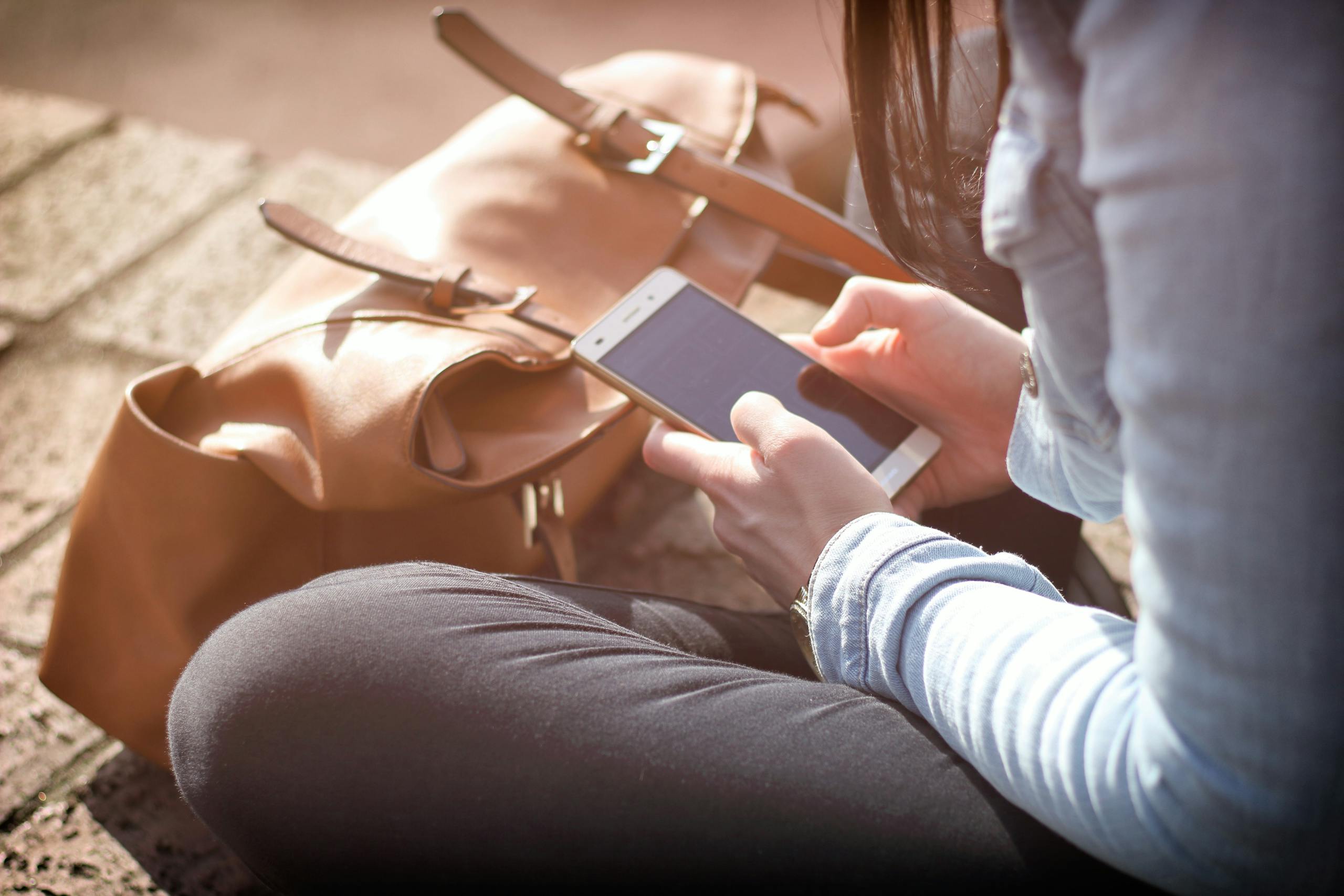
The Empathy Factor: When Social Sensitivity Meets Cannabis
There’s another layer to this that rarely gets discussed in the mainstream conversation about cannabis and social anxiety. For people who are highly attuned to others’ emotional states, social situations already involve a kind of continuous emotional absorption. You walk into a room and you’re not just managing your own anxiety. You’re processing the tension between two colleagues across the table, the sadness behind someone’s forced smile, the competitive undercurrent in what seems like casual conversation.
This kind of HSP empathy is a double-edged quality. It makes you perceptive and attuned in ways that can be genuinely valuable. It also means social situations carry more emotional weight than they do for people who aren’t tracking the room at that resolution. Cannabis, particularly high-THC sativa strains, can heighten that sensitivity further. Some people describe feeling more connected and empathic after using cannabis. Others describe feeling overwhelmed by emotional input they can’t filter or manage.
During my agency years, I managed a team that included several highly empathic creative professionals. I watched them absorb the emotional atmosphere of every client meeting, every internal review, every difficult conversation. The ones who were already carrying a lot would sometimes arrive at a pitch visibly depleted before it even started. What they needed wasn’t a substance to temporarily alter their state. They needed structural support: smaller teams, clearer boundaries, environments designed to reduce unnecessary emotional noise. Cannabis doesn’t provide those things. At best, it provides a temporary buffer. At worst, it adds another variable to an already complex internal equation.
The Perfectionism and Performance Anxiety Connection
One specific form of social anxiety that comes up frequently among introverts and HSPs is performance-related anxiety: the fear of being evaluated, found wanting, or exposed as less competent than others believe you to be. This is sometimes called impostor syndrome, though it overlaps significantly with social anxiety and perfectionism.
People who struggle with HSP perfectionism often hold themselves to standards that make ordinary social interaction feel high-stakes. Every conversation becomes a performance. Every interaction is an opportunity to be judged. The internal critic is running a continuous commentary on everything you say and how it lands.
Some people report that cannabis quiets that critic, at least temporarily. And I understand the appeal. In my early years as an agency owner, I was acutely aware of how I was perceived in every client interaction. I rehearsed conversations before they happened and dissected them afterward. The idea of something that could simply turn down the volume on that self-monitoring was genuinely attractive.
The problem is that cannabis doesn’t actually address the underlying belief structure that drives perfectionism. It may temporarily reduce the emotional intensity of self-criticism without changing the cognitive patterns that generate it. When the effect wears off, the critic returns, often with additional material from whatever happened during the social event. For people whose anxiety is rooted in perfectionism and fear of evaluation, the risk of developing a dependency on cannabis to manage social situations is real and worth taking seriously.
The research available through PubMed Central on cannabis use and anxiety outcomes suggests that regular use to manage anxiety can, over time, increase baseline anxiety levels rather than reduce them. The temporary relief becomes harder to achieve, and the anxiety in the absence of cannabis can become more pronounced.

Rejection Sensitivity and the Risk of Substance-Assisted Social Coping
Social anxiety and rejection sensitivity often travel together. The fear of being excluded, criticized, or dismissed by others is a powerful driver of avoidance behavior. For some people, it’s the anticipatory dread of possible rejection that makes social situations feel threatening, even when the actual risk of rejection is low.
Working through HSP rejection sensitivity is a meaningful process that takes time and intentional effort. It involves building a more stable internal foundation, one that doesn’t depend on positive social feedback to feel secure. Cannabis, used regularly as a social lubricant, can actually interfere with that process. If you’re consistently altering your state before social situations, you’re not building the experience of showing up as yourself and surviving the outcome. You’re building a dependency on an altered state to feel safe.
That distinction matters enormously. Genuine confidence in social situations, the kind that doesn’t require chemical assistance, comes from accumulated evidence that you can handle the discomfort of social interaction and come out the other side intact. Every time you use something to bypass that discomfort, you’re also bypassing the opportunity to build that evidence base.
I’m not making a moral argument here. I’m making a practical one. The goal for most people with social anxiety isn’t to feel comfortable only when they’re using cannabis. It’s to develop a more settled relationship with social situations in general. Substance use that becomes habitual can delay that development significantly.
What the Evidence Actually Supports for Social Anxiety
Setting aside the marketing around sativa strains, what does the broader picture look like for cannabis and anxiety? The honest answer is that the evidence is mixed, context-dependent, and still evolving. There are people for whom carefully managed, low-dose CBD use appears to reduce anxiety without significant downsides. There are others for whom any cannabis use, regardless of strain or dose, reliably worsens anxiety.
What the evidence does support clearly is that established psychological treatments for social anxiety disorder work. The American Psychological Association’s resources on shyness and social anxiety point toward cognitive behavioral therapy as a well-supported approach. CBT helps people identify and challenge the thought patterns that fuel social anxiety, and it builds genuine skills for handling social situations rather than temporarily masking the discomfort.
There’s also meaningful value in understanding your own personality more deeply. Carl Jung’s work on psychological types, which laid the groundwork for frameworks like MBTI, offers insight into why introverts experience social situations differently from extroverts. A Psychology Today exploration of Jung’s typology touches on how understanding your own psychological wiring can reframe experiences that might otherwise seem like deficits. Knowing that you’re wired for depth and internal processing doesn’t eliminate social discomfort, but it does change the meaning you assign to it.
That reframing was significant in my own experience. Once I stopped interpreting my discomfort in high-stimulation social environments as evidence that something was wrong with me, I could approach those environments more strategically. I could prepare differently, manage my energy more deliberately, and give myself permission to leave when I’d reached my limit. None of that required altering my neurochemistry. It required understanding it.
Practical Considerations If You’re Thinking About Trying Cannabis for Social Anxiety
If you’re in a location where cannabis is legal and you’re genuinely curious about whether it might help with your social anxiety, there are some practical things worth thinking through before you experiment.
Start with the lowest possible dose. The dose-response relationship with THC is not linear, and what produces a mild relaxing effect at one dose can produce significant anxiety at a slightly higher one. This is especially true for people who are sensitive to stimulation generally.
Consider CBD-dominant products over high-THC sativa strains. If the goal is reducing anxiety rather than producing a stimulating high, the evidence is more supportive of CBD’s potential role. High-THC sativa strains are genuinely more likely to increase anxiety in sensitive individuals than to reduce it.
Pay attention to your internal state before using it. Cannabis tends to amplify whatever emotional state you’re already in. Using it when you’re already anxious or depleted is a different experience than using it when you’re in a relatively settled baseline state.
Be honest with yourself about whether it’s becoming a crutch. If you find that you’re unable to attend social events without using cannabis first, that’s worth examining carefully. It may indicate that the underlying anxiety needs more direct attention than a substance can provide.
And if your social anxiety is significantly impacting your quality of life, please talk to a mental health professional. Cannabis is not a substitute for actual treatment, and the conditions that make social anxiety genuinely disabling respond well to professional support.

Finding Your Own Honest Answer
What I’ve come to believe, after years of watching myself and others look for ways to make social situations less costly, is that the most durable relief from social anxiety comes from understanding yourself more clearly, not from finding the right substance to change how you feel temporarily.
That understanding includes recognizing whether your social discomfort is rooted in genuine anxiety disorder, in introversion and sensory sensitivity, in perfectionism and fear of evaluation, or in some combination of all three. Each of those has a different set of useful responses. Sativa cannabis might take the edge off for some people in some contexts. It’s not a solution to any of them.
What I’ve found more reliable, both personally and in conversations with readers, is building a clearer picture of what your nervous system actually needs. Sometimes that’s less social exposure, not more. Sometimes it’s better preparation and more deliberate recovery time. Sometimes it’s professional support to work through specific anxiety patterns. And sometimes it’s simply the permission to be exactly as you are in social situations, without needing to perform a version of ease that doesn’t reflect your actual experience.
That last one took me the longest to find. I spent years in advertising trying to project social fluency I didn’t genuinely feel. The relief I eventually found wasn’t chemical. It came from understanding that my way of moving through social situations, quieter, more observational, more selective, was a legitimate way to be, not a problem to be solved.
If you’re exploring the broader terrain of mental wellness as an introvert or highly sensitive person, our Introvert Mental Health Hub is a good place to continue that exploration, with resources on anxiety, emotional processing, sensory sensitivity, and the particular challenges that come with being wired for depth in a world that often rewards volume.
About the Author
Keith Lacy is an introvert who’s learned to embrace his true self later in life. After 20 years in advertising and marketing leadership, including running agencies and managing Fortune 500 accounts, Keith now channels his experience into helping fellow introverts understand their strengths and build fulfilling careers. As an INTJ, he brings analytical depth and authentic perspective to every article, drawing from both professional expertise and personal growth.
Frequently Asked Questions
Does sativa cannabis actually reduce social anxiety?
It depends heavily on the individual, the dose, and the specific product. Some people report that low-dose cannabis temporarily reduces social tension, while others, particularly those who are sensitive to stimulation, find that high-THC sativa strains intensify anxiety and hyperawareness. The “sativa equals social and uplifting” framing is largely a marketing convention rather than a reliable pharmacological prediction. If you’re already prone to anxiety or sensory overload, high-THC products carry a meaningful risk of worsening rather than easing your symptoms.
Is social anxiety the same thing as introversion?
No. Introversion is a personality trait involving a preference for less stimulating environments and a tendency to restore energy through solitude. Social anxiety is a fear-based response to social situations involving concern about judgment, embarrassment, or humiliation. The two can coexist, and many introverts do experience social anxiety, but they have different roots and respond to different approaches. Introversion isn’t a disorder and doesn’t require treatment. Social anxiety disorder, when it significantly impairs daily functioning, does benefit from professional support.
Are highly sensitive people more at risk of negative reactions to cannabis?
Highly sensitive people process sensory and emotional information more deeply than average, which means substances that amplify perception, like high-THC cannabis, may produce more intense effects in both directions. Some HSPs find low doses of cannabis temporarily calming. Others find that any level of THC intensifies the emotional and sensory input they’re already managing, producing overwhelm rather than relief. If you identify as highly sensitive, starting with very low doses and CBD-dominant products is a more conservative and generally safer approach than high-THC sativa strains.
What are the evidence-supported treatments for social anxiety disorder?
Cognitive behavioral therapy has the strongest evidence base for social anxiety disorder. It helps people identify and restructure the thought patterns that fuel fear of social evaluation, and it builds practical skills for handling social situations over time. Certain medications, particularly SSRIs, are also used for social anxiety disorder and have established track records. Cannabis is not among the evidence-supported treatments for social anxiety disorder, and habitual use to manage anxiety can, over time, increase baseline anxiety rather than reduce it.
How can introverts manage social anxiety without relying on substances?
The most durable strategies involve understanding your own nervous system clearly and building social situations that work with it rather than against it. That might mean choosing smaller, lower-stimulation social settings over large gatherings, preparing deliberately for high-stakes social events, scheduling recovery time after intensive social periods, and working with a therapist if anxiety is significantly affecting your quality of life. Building a clearer understanding of whether your social discomfort is rooted in introversion, sensory sensitivity, perfectionism, or genuine anxiety disorder helps you choose the right response for what you’re actually experiencing.