

Yes, society does favor extroverts, and the evidence shows up in boardrooms, classrooms, and hiring decisions every single day. The systems we’ve built to measure talent, reward leadership, and signal success were largely designed with extroverted traits in mind, and that shapes outcomes for quieter people in ways that are easy to overlook until you’ve lived them.
That said, favoring extroverts doesn’t mean extroverts always win, or that introverts are doomed to operate at a disadvantage forever. What it means is that many introverts spend years working against a current that was never designed with them in mind, often without realizing the current exists at all.
I spent over two decades running advertising agencies before I fully understood this. And once I did, everything I thought I knew about my own limitations had to be reconsidered.

Before we go further, it helps to understand where you sit on this spectrum. Our Introversion vs Extroversion hub covers the full landscape of personality orientation, from the deeply introverted to the strongly extroverted and everyone in between. The question of societal bias only makes sense once you understand what these traits actually mean and how differently they play out in the real world.
What Does It Actually Mean for Society to Favor Extroverts?
Societal bias toward extroversion isn’t a conspiracy. Nobody sat down and decided that quiet people should be passed over. What happened was more subtle and, in some ways, more damaging because of that subtlety. Over generations, cultures built institutions around visible participation, vocal confidence, and social fluency as proxies for intelligence and competence.
What’s your personality type?
Take our free 40-question assessment and get a detailed personality profile with dimension breakdowns, context analysis, and personalised insights.
Discover Your Type8-12 minutes · 40 questions · Free
Think about what gets rewarded in a typical school setting. Raising your hand. Speaking up in class. Group projects that require constant collaboration. Presentations. The student who processes information internally and contributes thoughtfully but quietly often gets labeled as disengaged, even when their written work is exceptional. That pattern doesn’t stop at graduation.
In the workplace, the bias continues. Open-plan offices, which became standard in corporate America over the past few decades, are built for spontaneous conversation and visible activity. Performance reviews often reward those who “speak up in meetings” or “demonstrate leadership presence,” phrases that tend to describe extroverted behavior. Promotions frequently go to people who are visible, vocal, and socially active, regardless of the actual quality of their thinking.
To understand what extroverted actually means at its core, it’s worth separating the trait from the cultural mythology around it. Extroversion is fundamentally about where a person draws energy, from external stimulation and social interaction rather than from solitude and internal reflection. It’s not about being louder or smarter or more ambitious. But culture has conflated those things, and that conflation has consequences.
How Did I Experience This Bias Running an Agency?
My experience with extrovert bias wasn’t dramatic. It was slow and cumulative, like water wearing down stone.
Early in my career, I noticed that the people who got noticed fastest were the ones who dominated conversations in meetings. They weren’t always the sharpest thinkers in the room. Sometimes they were, but just as often, the most insightful ideas came from people who barely spoke. As an INTJ, I process internally. I form conclusions carefully, test them against what I know, and then speak when I have something worth saying. In a culture that equates speaking with thinking, that approach reads as passive.
When I ran my own agency, I watched this play out with clients too. We’d present strategy to Fortune 500 marketing teams, and the person who spoke most confidently in the room often carried the most influence over the decision, even when a quieter colleague had contributed the most substantive thinking. I learned to structure our presentations to give those quieter voices a formal platform because otherwise their ideas simply didn’t register in the room’s social dynamics.
One situation stands out. We were pitching a major retail brand on a repositioning strategy. My quietest account director had developed the core insight that drove the entire campaign. She barely spoke during the presentation. The client’s feedback afterward praised “the energy and enthusiasm” of our team, specifically naming the two most vocal people in the room. Her name wasn’t mentioned once. The work was hers. The credit went elsewhere.
That moment crystallized something for me about how bias operates. It’s not malicious. The client wasn’t trying to slight her. They were simply responding to the signals culture had trained them to read as competence: volume, confidence, social presence.

Where Does the Bias Show Up Most Clearly?
The bias isn’t evenly distributed. Some environments amplify it significantly, while others are more neutral or even tilted toward introverted strengths. Knowing where the pressure points are helps you prepare for them rather than being blindsided.
Hiring and Interviews
Job interviews are almost perfectly designed to surface extroverted traits. They’re social performances under pressure, requiring rapid verbal responses, confident body language, and the ability to think out loud in real time. Introverts often do their best thinking after reflection, not during a high-stakes conversation with a stranger. Many excellent candidates interview poorly not because they lack ability but because the format privileges a specific cognitive and social style.
Leadership Identification
Organizations consistently promote people who display visible leadership behaviors, which tend to be extroverted: speaking up, taking charge in group settings, projecting confidence. Quieter employees who lead through influence, deep expertise, and relationship quality often get overlooked for advancement even when their actual impact is greater. Harvard’s Program on Negotiation has explored how introverts and extroverts approach high-stakes interactions differently, and the findings complicate the assumption that louder automatically means more effective.
Networking and Career Growth
Career advancement often depends heavily on relationships built through informal social interaction: industry events, happy hours, conference hallway conversations. Introverts can build deep professional relationships, but the volume and speed of casual networking that careers often require can be genuinely exhausting rather than energizing. The people who show up everywhere and talk to everyone accumulate social capital faster, and that capital converts to opportunities.
Education and Academic Recognition
From kindergarten through graduate school, participation grades, oral presentations, and collaborative projects reward students who engage visibly and verbally. Introverted students who absorb deeply, write thoughtfully, and contribute carefully often receive less recognition than their extroverted peers, even when their intellectual engagement is more thorough.
Is the Bias the Same for Everyone on the Introvert Spectrum?
Not everyone experiences this bias in the same way, partly because introversion itself isn’t a single fixed point. There’s a meaningful difference between someone who is fairly introverted versus extremely introverted, and that difference shapes how much friction a person encounters in extrovert-favoring environments.
Someone who leans mildly introverted might find that they can perform extroverted behaviors for stretches of time without significant cost. They might even enjoy certain social situations while still needing quiet time to recover. The bias exists for them, but it doesn’t grind them down the same way.
For someone who is deeply introverted, the same environments that mildly drain a moderate introvert can be genuinely depleting over time. The performance of extroversion, putting on the social mask required to succeed in bias-laden environments, takes a real toll. Many deeply introverted people spend years wondering why they feel so exhausted by work that others seem to find energizing, before they understand that they’ve been performing a personality style that isn’t theirs.
There’s also the question of where someone falls on the broader spectrum between introversion and extroversion. People often assume the personality landscape is binary, but it includes ambiverts, omniverts, and other orientations that complicate the picture. If you’re curious about where you actually land, the introvert extrovert ambivert omnivert test can help you map your position more accurately. Understanding your actual orientation matters because the bias affects different positions on the spectrum in meaningfully different ways.
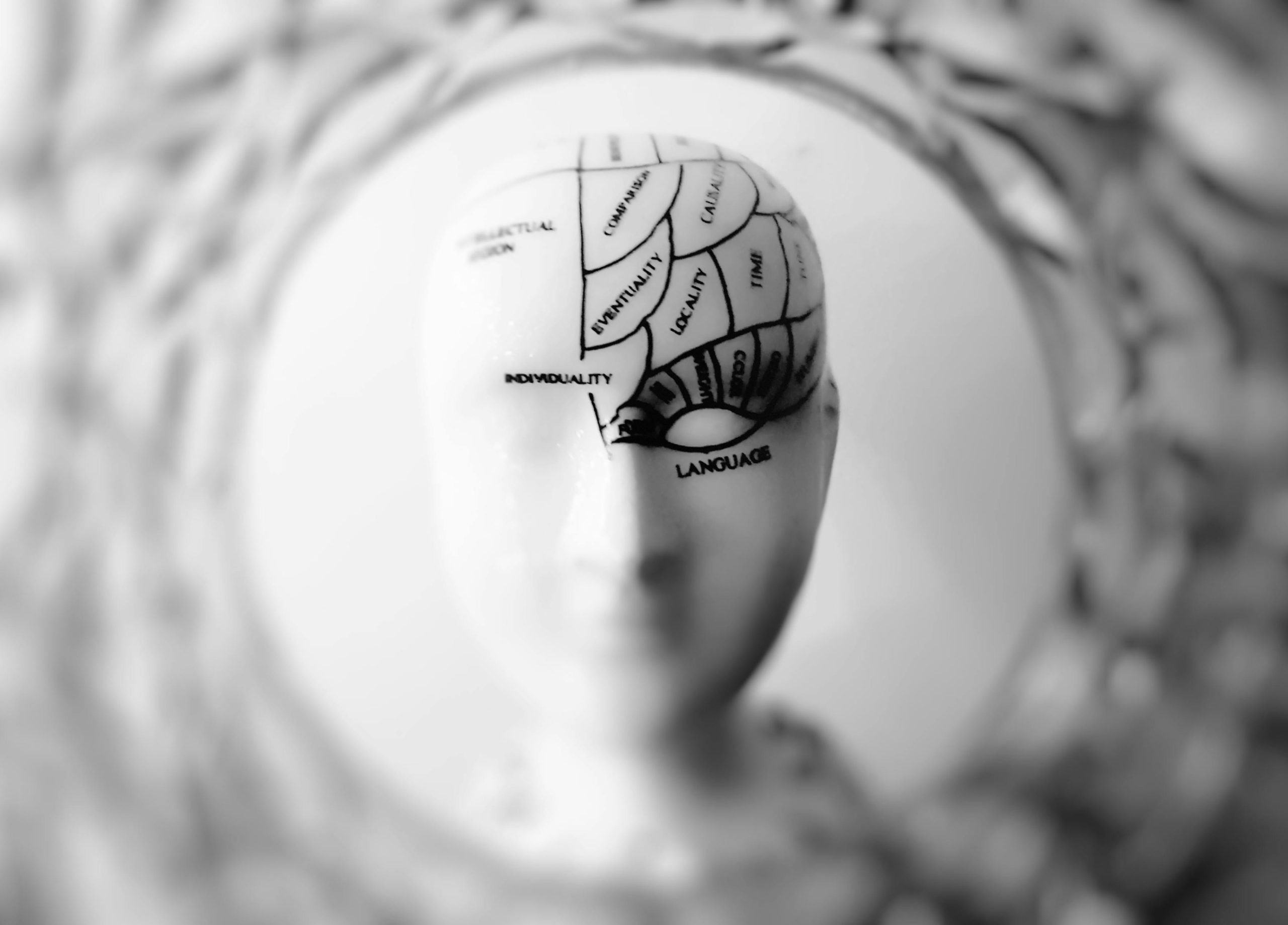
What About Ambiverts and Omniverts? Do They Escape the Bias?
People who sit closer to the middle of the personality spectrum do tend to experience less friction in extrovert-favoring environments, at least on the surface. Ambiverts can often code-switch between introverted and extroverted behavior with relative ease, which gives them more flexibility in contexts that reward social visibility.
Omniverts, who swing more dramatically between introverted and extroverted states depending on context, have a different experience. The distinction between omniverts and ambiverts matters here because omniverts may find themselves thriving in social environments one day and genuinely unable to perform the same way the next. That inconsistency can actually create its own form of bias, where colleagues and managers perceive them as unreliable or moody rather than understanding the legitimate variation in their social energy.
The difference between an otrovert and an ambivert adds another layer of nuance. These distinctions matter because lumping everyone who isn’t clearly introverted or extroverted into a single category misses how differently people actually experience their social energy and how that shapes their relationship with extrovert-favoring systems.
None of these middle-ground orientations fully escape the bias. What they often escape is the most acute version of it, the constant friction of being deeply introverted in environments built for extroverts. But the underlying assumption that social confidence equals competence affects everyone who doesn’t naturally embody it.
Does the Bias Actually Harm Introverts, or Is It Just Uncomfortable?
There’s a real difference between discomfort and harm, and I think it’s worth being honest about both.
Discomfort is real. Spending eight hours in an open-plan office when you need quiet to think is genuinely unpleasant. Performing extroversion in meetings when your natural mode is internal processing is tiring. Networking events that extroverts find invigorating can feel like endurance tests. That discomfort is legitimate and worth acknowledging.
Harm goes further. When bias consistently routes opportunities, promotions, and recognition toward extroverted employees, it creates measurable career gaps. Introverts who are passed over for leadership roles they’re qualified for, who receive lower performance ratings because they don’t “speak up enough,” or who leave organizations because the culture is genuinely incompatible with how they function best, those are concrete outcomes, not just feelings.
There’s also a psychological cost to chronic self-suppression. When you spend years performing a personality style that isn’t yours, it affects your sense of self and your relationship with work. I watched this happen to talented people on my teams. One copywriter I managed was exceptional, genuinely one of the most creative thinkers I’d worked with in twenty years. But she consistently undervalued herself because every performance conversation reinforced that she needed to be “more visible” and “more proactive in meetings.” She wasn’t failing at her job. She was failing at performing extroversion, and the organization treated those as the same thing.
The psychological literature on workplace belonging and identity suggests that sustained misalignment between who you are and what your environment rewards takes a real toll on wellbeing and performance over time. Research published in PubMed Central has examined how personality traits interact with environmental demands, and the findings point to the importance of fit between individual orientation and contextual expectations.
Are There Environments Where Introverts Have the Advantage?
Yes, and being honest about this matters too. The bias toward extroversion isn’t universal across all contexts. Some environments actively favor introverted traits, and many introverts find their way to those environments once they stop trying to fit into ones that don’t suit them.
Deep technical work, research, writing, analysis, strategy development, and fields that reward sustained concentration and careful thinking tend to favor introverted strengths. The ability to work independently for long stretches, to think through complex problems without needing external stimulation, and to produce work that speaks for itself rather than requiring constant performance, these are genuine advantages in the right settings.
Even in client-facing roles, introverted strengths can be powerful. Psychology Today has noted that introverts often excel at the kind of deep, meaningful conversation that builds lasting trust, as opposed to the surface-level social fluency that extroverts may default to. In industries where relationships are built on trust and depth rather than volume and visibility, that’s a significant asset.
In my agency work, I found that my introverted approach gave me an edge in certain client relationships. I listened more carefully than most people in the room. I noticed what wasn’t being said as much as what was. I asked questions that went deeper than the surface of what clients thought they wanted, and I often came back with strategy that addressed what they actually needed. That’s not a skill I developed despite my introversion. It grew directly from it.

What Can Introverts Actually Do About Systemic Bias?
Naming the bias is the first step, but it’s not the last one. There are practical ways to work within biased systems without simply accepting them as fixed, and there are ways to advocate for change in environments where you have influence.
One thing I did consistently in my agencies was redesign how we ran meetings. Instead of defaulting to open-floor discussion where the most vocal people dominated, I started sending agendas in advance and asking people to submit thoughts before we gathered. That simple change produced dramatically better ideas because it gave introverts time to process before performing. The quality of our strategic thinking improved. So did team morale, because quieter people finally felt heard.
On a personal level, understanding what extroversion actually requires, and what it costs you, helps you make more intentional choices. If you know that back-to-back meetings drain you, you can structure your schedule to protect recovery time. If you know that networking events are exhausting, you can choose quality over quantity in how you show up to them. Rasmussen University has explored how introverts can build professional visibility and career momentum in ways that align with their actual strengths, rather than forcing extroverted approaches that don’t fit.
Conflict is another area where understanding personality orientation matters. Psychology Today has outlined how introverts and extroverts approach conflict resolution differently, and those differences can create real friction if neither party understands what’s happening. Introverts often need time to process before responding, which extroverts can misread as avoidance. Naming that difference explicitly in professional relationships can change the dynamic significantly.
For those wondering whether their personality orientation is actually holding them back or whether the issue is something else entirely, taking a closer look at where you fall on the spectrum can be clarifying. The introverted extrovert quiz is a useful starting point for people who feel like they don’t fit neatly into either category. Sometimes the confusion itself is informative.
Is Society’s Bias Toward Extroverts Changing?
There are genuine signs of shift, though I’d be cautious about overstating them.
Remote and hybrid work, which expanded dramatically in recent years, has created more space for introverted work styles. When people aren’t required to perform extroversion in a physical office for eight hours a day, many introverts find they can do their best work and have it recognized more fairly. The playing field isn’t level, but it’s less tilted than it was in purely in-person environments.
There’s also growing awareness in organizational psychology and management literature that quiet leadership styles can be highly effective, sometimes more effective than charismatic extroverted leadership in certain contexts. Research indexed on PubMed Central has examined personality traits in leadership contexts, contributing to a more nuanced understanding of what effective leadership actually looks like across different personality orientations.
A broader cultural conversation about introversion, partly sparked by books like Susan Cain’s “Quiet” and the communities that have grown around introvert identity, has helped many introverts name their experience and feel less alone in it. That cultural visibility matters. It changes how organizations think about talent and how introverts think about themselves.
Even so, the structural bias hasn’t disappeared. Many organizations still run on models that reward extroverted behavior, still hire and promote based on social performance, and still design physical and cultural environments that drain introverts. The awareness is growing, but the systems are changing more slowly than the conversation suggests.
What I’ve found, both personally and watching others, is that the most powerful shift happens at the individual level first. When you stop trying to be an extrovert and start understanding how your actual strengths create value, something changes in how you carry yourself. You stop apologizing for how you work. You start designing your professional life around what you actually do well. And that confidence, earned through self-knowledge rather than performance, tends to be more durable than anything built on imitation.
Frontiers in Psychology has published work examining how personality traits interact with workplace satisfaction and performance, and the findings suggest that alignment between personal orientation and environmental demands matters significantly for long-term outcomes. That’s not a surprise to anyone who’s spent years working against their own grain. But it’s useful validation that the friction is real and that addressing it produces measurable results.

If you want to go deeper on how introversion and extroversion compare across different dimensions of life and work, the Introversion vs Extroversion hub brings together the full range of perspectives we’ve developed at Ordinary Introvert, from trait definitions to real-world applications.
About the Author
Keith Lacy is an introvert who’s learned to embrace his true self later in life. After 20 years in advertising and marketing leadership, including running agencies and managing Fortune 500 accounts, Keith now channels his experience into helping fellow introverts understand their strengths and build fulfilling careers. As an INTJ, he brings analytical depth and authentic perspective to every article, drawing from both professional expertise and personal growth.
Frequently Asked Questions
Does society really favor extroverts, or is that an exaggeration?
The bias is real and well-documented in how institutions are structured. Schools reward verbal participation, workplaces reward social visibility, and hiring processes favor confident social performance. That said, the bias isn’t absolute. Some environments actively favor introverted strengths, and many introverts build highly successful careers once they find contexts that align with how they actually work. The bias exists, but it’s not a ceiling, it’s a current you can learn to work with once you see it clearly.
Can introverts succeed in leadership roles despite the extrovert bias?
Absolutely. Introverted leaders often excel at listening, strategic thinking, building deep trust with teams, and making careful decisions under pressure. The bias in how leadership is identified and promoted is real, but once introverts are in leadership roles, their strengths often produce excellent outcomes. Many effective executives, founders, and organizational leaders are introverts who learned to lead in ways that align with their actual orientation rather than performing extroversion.
How does the extrovert bias affect introverts’ mental health over time?
Sustained pressure to perform extroversion in environments that don’t fit can contribute to exhaustion, reduced confidence, and a diminished sense of professional identity. When introverts spend years receiving feedback that their natural work style is a deficit rather than a strength, it shapes how they see themselves. Recognizing the bias for what it is, a structural issue rather than a personal failing, is often the first step toward reclaiming a healthier relationship with work and self.
Are ambiverts and omniverts also affected by the extrovert bias?
People in the middle of the personality spectrum experience the bias differently but aren’t entirely exempt from it. Ambiverts often have more flexibility to adapt to extrovert-favoring environments, which can reduce friction. Omniverts, who swing more dramatically between introverted and extroverted states, may face their own form of bias when their inconsistency is misread as unreliability. The bias affects anyone who doesn’t consistently display extroverted social confidence, regardless of where they sit on the spectrum.
What practical steps can introverts take to work around the extrovert bias?
Several approaches can make a meaningful difference. Choosing roles and industries that reward depth over performance reduces daily friction. Advocating for structural changes in how meetings and evaluations are run, such as pre-meeting written input and asynchronous feedback, creates more equitable conditions. Building relationships through depth rather than volume plays to introverted strengths. And understanding your own orientation clearly, knowing exactly where you fall on the introvert-extrovert spectrum, helps you make choices that align with your actual energy and strengths rather than working against them.