Do crowds drain you because of the noise and stimulation, or because you’re absorbing everyone’s emotions like a sponge? Many people wrestle with this question, uncertain whether their sensitivity stems from introversion, empathic abilities, or something that combines elements of each. The answer shapes everything from how you recharge to why certain environments leave you feeling depleted.
During my years leading agency teams, I watched colleagues who seemed to carry the emotional weight of every client meeting on their shoulders. Some recovered quickly with quiet time alone. Others remained affected for days, as if the stress and anxiety from those rooms had become their own. These weren’t signs of weakness. They were indicators of fundamentally different ways of processing the world.
Introversion and empathic sensitivity represent distinct traits that can exist independently or overlap in fascinating ways. Grasping these differences matters because the strategies that help an introvert recharge may not address an empath’s core challenges, and vice versa. Let’s explore what separates these traits, where they intersect, and how understanding your unique combination can transform your approach to self-care and relationships.

What Defines an Introvert
Introversion describes a personality orientation where energy flows inward. People with this trait prefer internal processing and find that social interaction, regardless of how enjoyable, depletes their resources. Recovery happens in solitude or quiet environments where external demands diminish.
Neuroscience reveals measurable differences in how introverted brains function. A 2012 Harvard study discovered that introverts possess larger, thicker gray matter in their prefrontal cortex, the brain region associated with abstract thinking and decision-making. This structural difference helps explain why introverts tend to process experiences more deeply before responding.
The dopamine reward system also operates differently in introverted brains. External stimulation triggers the same chemical release for everyone, but introverts require less dopamine to feel satisfied and can become overwhelmed when stimulation exceeds their optimal threshold. This explains why a networking event that energizes an extrovert might leave an introvert feeling exhausted and overstimulated.
Core Characteristics of Introversion
Several hallmarks distinguish introverted personality patterns. These individuals typically prefer one-on-one conversations over group discussions, think before speaking, enjoy solitary activities, and need downtime after social engagements. Research suggests introversion has genetic components, appearing early in childhood and remaining relatively stable across the lifespan.
Introverts also process information along a longer neural pathway that travels to brain regions responsible for planning, remembering, and problem-solving. This extended processing explains why introverts may take longer to respond in conversations but produce more considered answers when they do speak.
What Defines an Empath
Empaths experience a heightened capacity to sense and absorb the emotional states of others. The Greater Good Science Center at UC Berkeley describes empathy as the ability to sense other people’s emotions combined with the capacity to imagine what someone else might be thinking or feeling. Empaths take this further, absorbing emotions so completely that distinguishing between their own feelings and those of others becomes challenging.
The term “empath” originated in popular psychology, though the scientific community examines related concepts under different labels. Researchers study emotional empathy, affective empathy, and sensory processing sensitivity as measurable traits that capture elements of what people describe as being an empath.
The Neuroscience Behind Empathic Experiences
Mirror neurons provide one neurological explanation for empathic experiences. UCLA Health researchers explain that these specialized nerve cells fire when someone performs an action and when they observe the same action performed by another person. Mirror neurons extend to emotional states, allowing some individuals to literally feel what others are experiencing.
A study published in Philosophical Transactions of the Royal Society found that certain brain regions, particularly the anterior insula and anterior cingulate cortex, activate when witnessing someone else’s emotional state. Individuals with more reactive systems in these areas may experience emotional contagion more intensely, essentially catching feelings from their environment.
Core Characteristics of Empaths
Empaths share several common experiences that distinguish them from people with typical emotional processing. They feel physically affected by the emotions in a room, absorbing stress or joy from those around them. Crowded spaces create sensory and emotional overload. Boundaries between self and others blur, making it difficult to determine which feelings originated internally.
Lesley University researchers distinguish between cognitive empathy, understanding what someone feels, and affective empathy, sharing the emotional experience directly. Empaths excel at affective empathy, sometimes to their own detriment when they struggle to separate absorbed emotions from their authentic feelings.
Where Introversion and Empathic Traits Overlap
Significant overlap exists between introversion and empathic sensitivity, which explains why these traits frequently co-occur. Roughly 70 percent of highly sensitive persons, a category that encompasses many empathic traits, also identify as introverts according to research by Dr. Elaine Aron, who pioneered the study of sensory processing sensitivity.
This correlation makes sense when examining the underlying mechanisms. Both introverts and empaths process stimulation more deeply than average. Both experience overwhelm in environments with excessive input. Both require recovery time after intense social engagement. The difference lies in what triggers that overwhelm and what recovery looks like.

I encountered this distinction clearly during my advertising career. One team member would leave client presentations drained because of the sheer volume of people talking and decisions happening simultaneously. Another would leave equally exhausted but for completely different reasons: she had absorbed the client’s anxiety about their struggling product line. The first needed quiet to recover. The second needed time to process emotions that weren’t hers.
Shared Challenges
Introverts and empaths face several common difficulties in modern life. Open office environments create problems for both, reducing productivity and increasing stress. Social expectations around extroverted behavior affect each group similarly. Misunderstanding from others who don’t share these traits creates frustration and self-doubt.
Energy management becomes critical for anyone possessing either trait. Without intentional boundaries and recovery practices, both introverts and empaths risk chronic exhaustion and burnout. Understanding whether you’re dealing with high sensitivity, introversion, or a combination shapes which strategies will prove most effective.
Critical Differences Between Empaths and Introverts
Despite the overlap, fundamental differences separate these traits. An introvert can attend a party filled with happy, relaxed people and still feel drained by the social interaction itself. An empath might feel perfectly comfortable at a small gathering until someone arrives carrying heavy emotional baggage, at which point the empath absorbs that emotional weight.
The source of depletion differs between these groups. Introverts experience drain from any social engagement requiring external focus and response, regardless of the emotional tone. Empaths experience drain specifically from emotional intensity, positive or negative, in their environment. An empath at a wedding might feel overwhelmed by the joy and love in the room just as intensely as they would feel overwhelmed by grief at a funeral.
Recovery Needs
Recovery approaches also diverge. Introverts recharge by minimizing external stimulation and turning attention inward. Solitude, quiet activities, and reduced social demands restore their energy reserves. The specific activity matters less than the absence of social pressure.
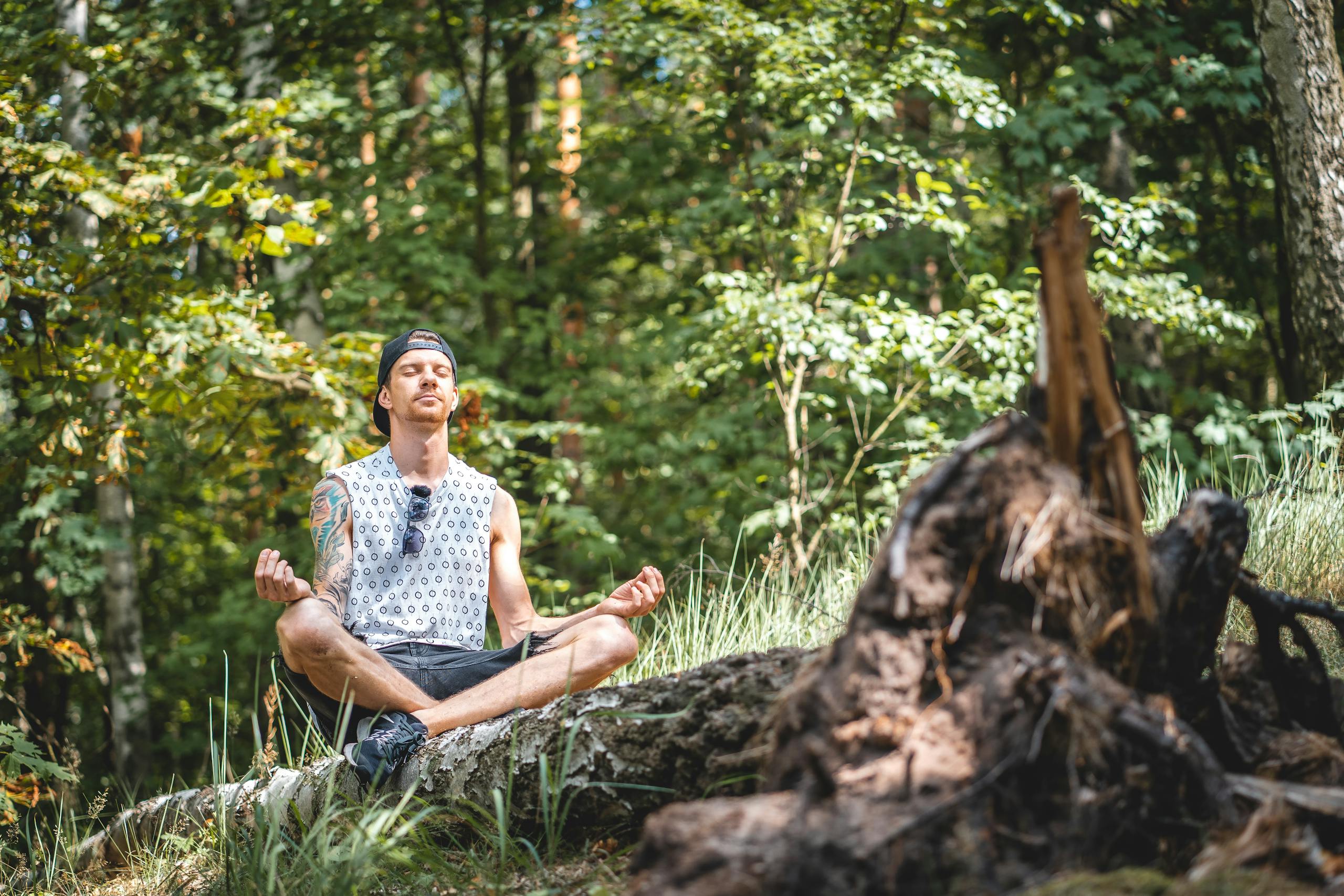
Empaths need additional recovery elements beyond solitude. They must process and release emotions that aren’t their own, which requires conscious awareness of what they’ve absorbed. Grounding practices, physical movement, time in nature, and intentional boundary-setting help empaths distinguish their authentic emotional state from absorbed feelings.

Social Motivation Differences
Introverts may genuinely prefer limited social contact based on their temperament and energy patterns. Many introverts feel complete with a small circle of close relationships and no particular desire for broader social connection. Their social limits reflect preference as much as necessity.
Empaths may desire more social connection than they can sustainably maintain. The emotional absorption that makes relationships intense and meaningful also makes them exhausting. An empath might want to attend every friend’s celebration and support everyone who needs help, finding that their capacity cannot match their desires. This dynamic differs from social anxiety, which involves fear and avoidance rather than simply reaching capacity.
Determining Your Unique Combination
Most people don’t fit neatly into one category. You might be an introverted empath, absorbing emotions while also needing solitude from stimulation. You could be an extroverted empath, drawn to social connection while struggling with emotional boundaries. Some introverts experience limited emotional contagion, while some empaths can process emotions quickly without extended recovery needs.
Self-assessment requires honest observation of your patterns. Notice what specifically drains you. Track whether emotional intensity or social duration matters more to your exhaustion levels. Pay attention to what recovery activities actually help versus those that feel like they should help based on what you’ve read.
Looking back at my own experience, I realized that agency life drained me primarily through social demands rather than emotional absorption. Client stress didn’t follow me home the way it did for some colleagues. But the constant meetings, presentations, and collaborative sessions left me depleted regardless of how the work was going. That insight changed how I structured my days and eventually my career.
Questions for Self-Discovery
Consider these questions when exploring your trait combination. After social events, do you primarily feel tired from the interaction itself or affected by the emotions present in the room? Can you enjoy a gathering of happy, relaxed people, or does any social interaction leave you depleted? When someone shares a problem, do you feel compelled to help because you’re literally feeling their distress, or do you respond from cognitive understanding of their situation?
Notice your physical responses as well. Empaths frequently experience physical symptoms when absorbing emotions, such as tension, nausea, or fatigue that arrives suddenly without clear cause. Introverts may feel mental fatigue and desire for solitude without the same physical emotional responses.
Practical Strategies for Each Trait
Understanding your specific trait combination allows targeted approaches to energy management and self-care. General advice about “sensitivity” may miss what actually helps your particular situation.
For Introverts
Schedule recovery time before and after demanding social commitments. Create physical spaces that support solitude and reduced stimulation. Communicate your needs clearly to friends and family who may not share your temperament. Build a career that includes adequate time for independent work and deep thinking. Accept that your social capacity differs from extroverted peers without viewing this as a limitation.
For Empaths
Develop practices that help you distinguish your emotions from absorbed feelings. Grounding techniques, such as physical exercise, time in nature, or tactile activities, can help process and release emotions that aren’t yours. Create boundaries around emotionally intense people and situations, recognizing that caring about others doesn’t require absorbing their pain. Consider working with a therapist who understands empathic traits to develop personalized coping strategies.

For Introverted Empaths
When both traits combine, you face a double challenge requiring integrated strategies. Prioritize alone time even more strictly, as you’re recovering from both stimulation and emotional processing. Choose social engagements based on the emotional environment as well as size. A small gathering of anxious people may prove more draining than a larger group of emotionally stable individuals. Build awareness of whether your current exhaustion stems from social fatigue, emotional absorption, or a combination, as the recovery approach differs.
Moving Forward with Self-Knowledge
Understanding the distinction between empathic traits and introversion transforms abstract sensitivity into actionable self-awareness. Neither trait represents a disorder or deficiency. Each reflects genuine differences in how individuals process and respond to their environment.
The most empowering step involves accurate self-identification. Treating yourself as purely introverted when you’re actually an empath means missing critical recovery strategies around emotional boundaries. Assuming you’re an empath when you’re simply introverted may lead to unnecessary concern about emotional absorption that isn’t actually occurring.
Whatever your unique combination, honoring your actual needs rather than fighting against your nature creates sustainable wellbeing. The goal isn’t to become less sensitive or more extroverted. The goal is understanding your particular design well enough to work with it effectively.
Explore more Introversion vs Other Traits resources in our complete hub.
About the Author
Keith Lacy is an introvert who’s learned to embrace his true self later in life. With a background in marketing and a successful career in media and advertising, Keith has worked with some of the world’s biggest brands. As a senior leader in the industry, he has built a wealth of knowledge in marketing strategy. Now, he’s on a mission to educate both introverts and extroverts about the power of introversion and how understanding this personality trait can unlock new levels of productivity, self-awareness, and success.
Frequently Asked Questions
Can you be both an introvert and an empath?
Yes, approximately 70 percent of highly sensitive persons identify as introverts, and many empaths fall into this overlap category. Being an introverted empath means experiencing both the need for solitude from social stimulation and the tendency to absorb emotions from others. This combination requires integrated recovery strategies that address stimulation overload and emotional processing simultaneously.
How do I know if I’m an empath or just sensitive?
Empaths specifically absorb emotions from others, taking on feelings that aren’t their own and struggling to distinguish between self and other emotional states. General sensitivity might involve strong reactions to your own emotions or environmental stimuli without the emotional absorption component. If you consistently feel emotional states shift based on who you’re around, particularly without clear cause from your own life, empathic traits are likely present.
Why do introverts and empaths often get confused?
Both traits involve deeper processing of input, need for recovery time, and overwhelm in stimulating environments. The high correlation between introversion and empathic sensitivity adds to the confusion. The critical distinction involves whether social interaction itself drains you (introversion) or whether emotional intensity specifically affects you regardless of social context (empathic traits).
Do empaths need more alone time than introverts?
Not necessarily, though introverted empaths may need more recovery time than either trait alone would require. The type of alone time needed differs between the traits. Introverts need solitude from social demands. Empaths need time to process and release absorbed emotions, which may involve active grounding practices rather than simple quiet time.
Can extroverts be empaths?
Yes, roughly 30 percent of highly sensitive persons are extroverts, and empathic traits can appear across the introversion-extroversion spectrum. Extroverted empaths face unique challenges: they’re drawn to social connection and energized by interaction, yet they also absorb emotions intensely. This combination can create confusion about why social engagement feels both appealing and overwhelming.