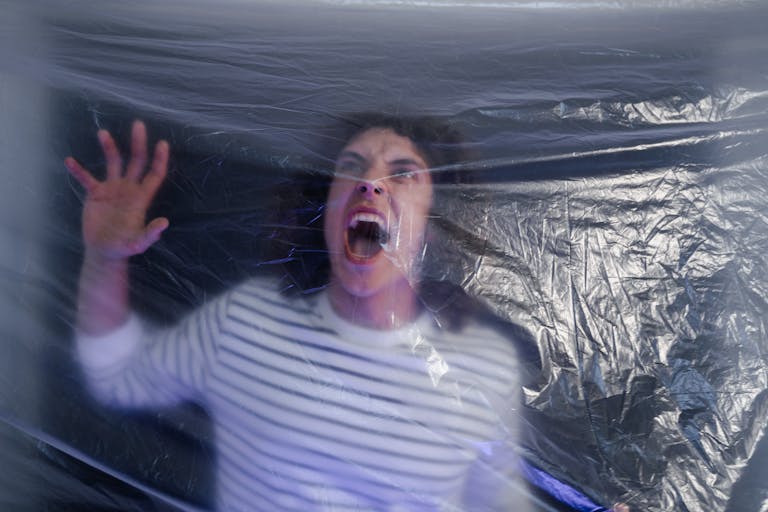
Empaths and bipolar disorder intersect in ways that are rarely discussed openly, yet deeply affect millions of people. Empaths, individuals who absorb and feel the emotional states of others with unusual intensity, can experience bipolar disorder differently than the general population, with emotional highs and lows amplified by their innate sensitivity. Recognizing how these two experiences overlap, and where they diverge, can be the difference between years of confusion and finally feeling understood.
My own experience as an INTJ with deep sensitivity taught me that not every emotional swing is a personality flaw or a sign of weakness. For a long time, I chalked up my intense internal reactions to being “too in my head.” Running advertising agencies, managing client crises, absorbing the stress of a room full of anxious account managers, I assumed the emotional weight I carried was just the cost of doing business. What I didn’t fully appreciate was how sensitivity shapes the way certain conditions manifest, and how understanding that connection changes everything about how you approach your mental and emotional health.
Our HSP and Highly Sensitive Person hub explores the full spectrum of what it means to feel deeply in a world calibrated for average emotional volume. The relationship between empathic sensitivity and bipolar disorder adds another layer to that conversation, one worth examining carefully and honestly.
What Does It Actually Mean to Be an Empath?
The word “empath” gets used loosely these days, sometimes as a spiritual identity, sometimes as a clinical descriptor, sometimes as a casual label people apply after a hard week. Getting clearer on what it actually means matters, especially when we’re discussing how it intersects with a diagnosed mental health condition.
What drains your social battery?
Not all social exhaustion is the same. Our free quiz identifies your specific drain pattern and gives you personalised recharging strategies.
Find Your Drain PatternUnder 2 minutes · 8 questions · Free
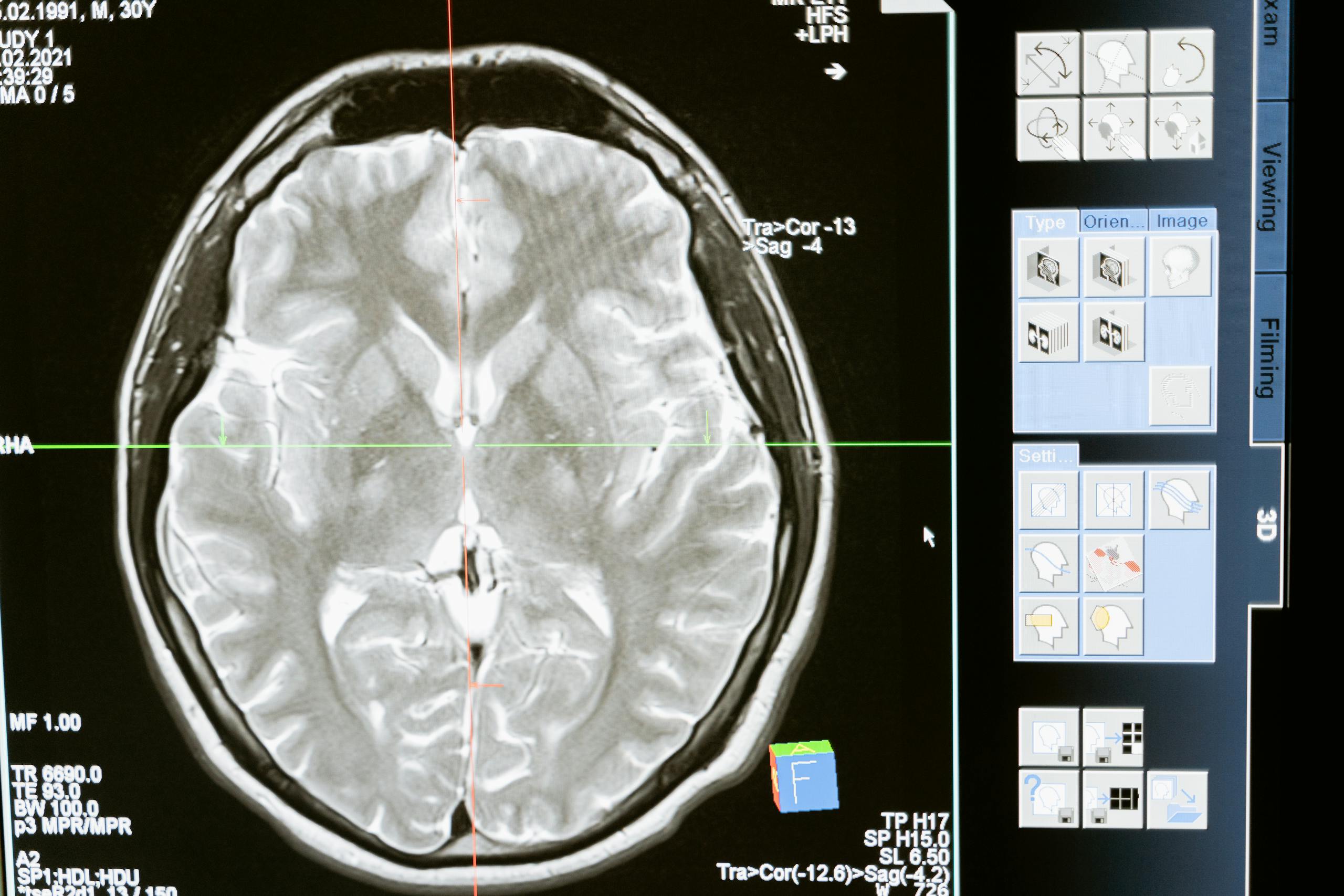
An empath, in the psychological sense, is someone whose capacity for emotional attunement extends well beyond typical empathy. Where most people can intellectually understand another person’s distress, an empath tends to absorb it, feeling it in their own body as if it were their own experience. A 2019 study published in PubMed examining sensory processing sensitivity found that individuals with high sensitivity show measurably different neural responses to emotional stimuli, including heightened activation in areas associated with awareness and emotional processing. This isn’t metaphorical. The sensitivity is neurological.
Empaths often overlap significantly with Highly Sensitive Persons, a trait identified by psychologist Elaine Aron. That said, they’re not identical categories. As I’ve written about in the comparison of introversion versus HSP traits, sensitivity and introversion are related but distinct, and the same careful distinction applies here. Not every empath is clinically an HSP, and not every HSP identifies as an empath, yet the emotional terrain they occupy often looks remarkably similar.
What makes empaths particularly vulnerable in the context of mental health is the constant influx of emotional data they process. In a busy advertising agency, I was surrounded by people whose stress, excitement, fear, and frustration moved through the office like weather systems. I absorbed all of it, often without realizing I was doing so. By the time I got home, I was emotionally depleted in ways I couldn’t always trace back to a single source. That kind of chronic emotional saturation creates conditions where distinguishing your own emotional state from the emotions you’ve absorbed from others becomes genuinely difficult.
A Psychology Today piece on the differences between HSPs and empaths by Dr. Judith Orloff describes empaths as people who go beyond sensing emotions to actually taking them on. That distinction becomes clinically significant when we start talking about mood disorders.
How Does Bipolar Disorder Show Up Differently in Empaths?
Bipolar disorder is a mood disorder characterized by episodes of mania or hypomania and episodes of depression. What makes it complex in empaths is that the emotional amplification inherent to empathic sensitivity can blur the diagnostic picture considerably.
Consider a standard bipolar hypomanic episode: elevated mood, increased energy, reduced need for sleep, heightened creativity, a sense of expansiveness. Now consider an empath in a social environment that’s charged with excitement, collective enthusiasm, or creative momentum. The external emotional field can trigger a response in an empath that mimics hypomania from the outside, even when the underlying neurobiology is different. Clinicians who aren’t attuned to this nuance can misread what they’re seeing.
Conversely, when an empath is exposed to sustained grief, collective anxiety, or relational conflict, their depressive response can be far more intense than would be expected based on their personal circumstances alone. The absorbed emotions stack on top of their own internal state, deepening the trough in ways that can look like a severe depressive episode even when the person’s own life circumstances don’t obviously account for it.

A 2024 study published in Frontiers in Psychology examined sensory processing sensitivity in relation to emotional regulation, finding that individuals with high sensitivity showed greater emotional reactivity and more difficulty returning to baseline after emotional activation. For someone who also carries a bipolar diagnosis, this creates a compounding effect: the mood episode itself is harder to recover from, and the environmental emotional triggers that can initiate an episode are far more numerous.
There’s also the question of mixed states, periods where manic and depressive features occur simultaneously. Empaths may be especially prone to experiencing these as overwhelming because they’re already managing multiple emotional streams at once. The internal confusion of a mixed episode, layered over the constant background noise of absorbed external emotion, can feel genuinely destabilizing.
It’s worth noting, as Psychology Today has pointed out, that high sensitivity is not inherently a trauma response or a disorder. Sensitivity is a trait, not a symptom. When it co-occurs with bipolar disorder, the clinical picture becomes more complex, but the sensitivity itself isn’t the problem. That distinction matters enormously for how empaths approach their own mental health.
Why Do Empaths Often Struggle to Get an Accurate Diagnosis?
Diagnosis is hard enough with bipolar disorder under any circumstances. The condition is frequently misdiagnosed as unipolar depression, anxiety disorders, ADHD, or borderline personality disorder. Add empathic sensitivity to the mix, and the diagnostic path becomes even more winding.
One of the core challenges is that empaths often present as highly functional during hypomanic periods. They’re engaging, creative, perceptive, and energized. In a professional environment, those qualities get rewarded. I’ve been in rooms where the most emotionally attuned person was also the one running on four hours of sleep and generating ideas faster than anyone could capture them. From the outside, that looked like peak performance. From the inside, it can be the beginning of a destabilizing cycle.
Empaths are also skilled at masking. Because they spend so much of their lives reading other people and adjusting their behavior accordingly, they can present a composed exterior even when their internal state is chaotic. In clinical settings, this can mean that a standard intake conversation doesn’t capture the full picture. The empath reports feeling “fine” because they’ve learned to calibrate their presentation to what the room seems to need, even in a therapist’s office.
There’s another layer here that I’ve seen play out in relationships and in my own experience: empaths often attribute their emotional states to external sources rather than internal ones. When you’re wired to absorb the feelings of everyone around you, it’s genuinely difficult to know which emotions are yours. An empath with undiagnosed bipolar disorder might spend years believing their depressive episodes are caused by the sadness they’ve absorbed from others, or that their elevated periods are simply a response to an exciting environment. The internal origin of a mood episode can be invisible to someone whose default mode is to look outward for emotional explanation.
What Does This Mean for Relationships and Intimacy?
Relationships are where the intersection of empathic sensitivity and bipolar disorder becomes most visible and most consequential. Empaths bring extraordinary depth to their close connections. They’re attuned, present, and capable of profound emotional intimacy. They’re also carrying a significant load, and when a mood disorder is part of the picture, the relational dynamics can become genuinely complex.
The topic of HSP and intimacy touches on something that applies directly here: highly sensitive people often experience both the rewards and the costs of deep connection more intensely than others. For an empath with bipolar disorder, a depressive episode doesn’t just affect them. It ripples outward to everyone they’re close to, and because they’re so attuned to the impact they’re having, that awareness can deepen the depression itself. The guilt of “being a burden” becomes its own emotional weight.
Partners and family members of empaths with bipolar disorder face their own set of challenges. Living with a highly sensitive person already requires a certain kind of attentiveness and a willingness to understand a different emotional bandwidth. When that sensitivity is paired with the mood cycling of bipolar disorder, the relational landscape shifts considerably. Partners need to learn to distinguish between empathic absorption (the empath picking up on the partner’s stress) and a mood episode (the empath’s own neurobiology shifting). Those look similar from the outside and require different responses.

In introvert-extrovert relationships involving HSPs, the emotional calibration required is already significant. Add bipolar disorder to an empathic partner’s profile, and the communication demands increase further. What tends to work best, based on what I’ve observed and experienced, is radical transparency combined with genuine curiosity. Not “what’s wrong with you” but “what are you experiencing right now, and how can I understand it better.”
During my agency years, I had a business partner who I now believe was an empath handling undiagnosed mood cycling. There were periods when his energy was electric, when he’d pull all-nighters and produce brilliant work and carry the creative momentum of an entire team. Then there were stretches where he’d go quiet, withdraw, and seem to disappear emotionally even when he was physically present. We didn’t have the language for it then. We just managed around it, which wasn’t fair to him or to the team. Looking back, what he needed wasn’t management. He needed understanding.
How Can Empaths With Bipolar Disorder Protect Their Energy?
Energy management for empaths is always a significant consideration. For those who also carry a bipolar diagnosis, it becomes a genuine clinical priority.
The first and most foundational practice is learning to distinguish between absorbed emotion and intrinsic mood states. This sounds simple and is genuinely difficult. One approach that many empaths find useful is a brief daily check-in practice: before engaging with the outside world, taking a few minutes to notice your emotional baseline in isolation. What are you feeling before you’ve checked your phone, before you’ve interacted with anyone, before you’ve absorbed the emotional weather of your environment? That baseline reading becomes a reference point for the rest of the day.
Environmental design matters more than most people appreciate. Spending time in natural settings has documented effects on emotional regulation. A feature published by Yale Environment 360 on ecopsychology details how immersion in nature reduces cortisol, lowers anxiety, and supports mood stabilization. For empaths, natural environments offer something additional: they’re typically lower in the kind of charged human emotional energy that empaths absorb. A forest doesn’t project grief or anxiety. It’s one of the few environments where an empath can simply exist without processing someone else’s emotional state.
Sleep is non-negotiable. For people with bipolar disorder, sleep disruption is both a symptom and a trigger. For empaths, the emotional processing that happens during sleep is part of how they metabolize the emotional input of the day. Protecting sleep isn’t a lifestyle preference. It’s a clinical necessity.
Social boundaries require active maintenance. Empaths often struggle with boundaries because their natural impulse is toward connection and absorption. Yet without clear limits on how much emotional input they take on, the risk of destabilization increases significantly. This isn’t about becoming cold or withholding. It’s about recognizing that you can be present with someone without taking their emotional state into your body. That’s a learnable skill, and it’s worth working on with a therapist who understands both sensitivity and mood disorders.
What Career Paths Work Best for Empaths Managing Bipolar Disorder?
Career choice has a direct impact on mental health for anyone, and for empaths with bipolar disorder, the stakes are higher. High-stimulation environments, constant social demands, irregular schedules, and emotionally charged workplaces can all destabilize mood cycles and exhaust empathic reserves simultaneously.
Exploring career paths suited to highly sensitive people reveals a consistent pattern: roles that offer autonomy, meaningful work, manageable stimulation levels, and the ability to work deeply rather than constantly tend to be the best fit. For empaths with bipolar disorder, add schedule predictability and the ability to structure recovery time into the workday.
Writing, research, therapy (with appropriate support), counseling, and creative fields can all be excellent fits, provided the work environment is structured thoughtfully. I’ve seen empaths thrive in roles where their sensitivity is an asset rather than a liability, where the ability to read a room, anticipate needs, and understand emotional undercurrents is genuinely valued rather than treated as excess.

What tends to be harder are roles with high interpersonal conflict, unpredictable emotional demands, or environments that require constant availability to other people’s distress without recovery time built in. I ran large teams for years, and the emotional cost was real. What helped was building in quiet time after high-intensity client meetings, being deliberate about when I took on emotionally demanding conversations, and recognizing that my sensitivity wasn’t a bug in my leadership style. It was a feature, when I managed it well.
How Does Parenting Look for Empaths With Bipolar Disorder?
Parenting is one of the most emotionally demanding experiences any person can take on. For empaths, the intensity is amplified. Children’s emotions are raw, unfiltered, and constant. An empathic parent absorbs all of it, often while also managing their own internal emotional landscape.
The topic of HSP parenting and raising children as a sensitive person addresses the particular gifts and challenges that come with being a highly attuned parent. For empaths handling bipolar disorder, those challenges multiply. A depressive episode as a parent isn’t just a personal experience. It affects the emotional environment of the entire household, and an empathic parent is acutely aware of that, which can intensify feelings of guilt and inadequacy.
What helps is building explicit support structures: a co-parent or family member who understands the condition and can step in during difficult periods, a therapist who works with both the mood disorder and the sensitivity, and age-appropriate honesty with children about what’s happening. Children of empathic parents often have their own sensitivity. They already know something is different. Naming it with care is almost always better than pretending otherwise.
The gifts are real too. Empathic parents with bipolar disorder who are in stable periods can offer their children extraordinary attunement, deep emotional validation, and a model of what it looks like to take inner life seriously. Those are not small things to pass on.
What Should Empaths Look for in Mental Health Support?
Finding the right therapeutic support is genuinely important, and for empaths with bipolar disorder, a few specific qualities in a provider make a meaningful difference.
First, the provider should understand sensory processing sensitivity as a trait, not a symptom. A therapist who pathologizes sensitivity or treats emotional depth as something to be reduced rather than managed will create more problems than they solve. The sensitivity is part of who you are. Good support works with it, not against it.
Second, the provider should be comfortable with the complexity of disentangling absorbed emotion from intrinsic mood states. This requires a certain kind of clinical sophistication, and it’s worth asking about directly in an initial consultation. “How do you approach working with highly sensitive clients who also have a mood disorder?” is a reasonable question to bring to a first session.
Third, medication management for bipolar disorder in empaths may require more nuanced titration. Because empaths are more sensitive to environmental and emotional stimuli, they may also respond more sensitively to pharmacological interventions. A psychiatrist who understands this and is willing to move carefully and collaboratively is worth seeking out. A 2024 study in Nature examining environmental sensitivity and biological response supports the idea that individual variation in sensitivity has measurable physiological correlates, which has implications for how treatment responses may differ.
Peer support also matters. Finding community with others who share both the empathic experience and the bipolar diagnosis can reduce the profound isolation that often accompanies this combination. The feeling that no one else quite understands what you’re experiencing is one of the most painful aspects of living at this particular intersection, and it’s not accurate. There are others handling the same terrain.

What I’ve come to believe, after years of running organizations and years of working on my own inner life, is that the people who feel the most are often the ones who’ve been given the fewest tools for managing what they feel. Sensitivity isn’t a liability. It’s a form of intelligence. The work is learning to carry it without being crushed by it, and that work is entirely possible.
Find more articles on sensitivity, emotional depth, and what it means to feel everything deeply in our complete HSP and Highly Sensitive Person hub.
Running on empty?
Five drain profiles, each with specific triggers, warning signs, and a recharging playbook.
Take the Free QuizUnder 2 minutes · 8 questions · Free
About the Author
Keith Lacy is an introvert who’s learned to embrace his true self later in life. After 20 years in advertising and marketing leadership, including running agencies and managing Fortune 500 accounts, Keith now channels his experience into helping fellow introverts understand their strengths and build fulfilling careers. As an INTJ, he brings analytical depth and authentic perspective to every article, drawing from both professional expertise and personal growth.
Frequently Asked Questions
Can someone be both an empath and have bipolar disorder?
Yes, absolutely. Being an empath describes a trait related to emotional sensitivity and attunement, while bipolar disorder is a clinical mood disorder with neurobiological roots. The two can and do co-occur. When they do, the emotional landscape tends to be more complex, with the sensitivity amplifying the intensity of mood episodes and making it harder to distinguish absorbed external emotions from intrinsic mood states. Recognizing that both are present is the first step toward getting appropriate support.
How do you tell the difference between empath mood swings and bipolar disorder?
This is one of the most important and genuinely difficult questions in this space. Empath mood shifts often have a clear external trigger, typically a change in the emotional environment or an encounter with someone in distress. Bipolar mood episodes tend to arise from internal neurobiological shifts, sometimes with no obvious external cause. That said, for empaths, the line can blur considerably. Tracking your emotional state in isolation, before social contact each day, and working with a clinician who understands both sensitivity and mood disorders is the most reliable path to clarity.
Does being an empath make bipolar disorder harder to manage?
It adds complexity, yes. Empaths have more environmental triggers for emotional activation because they absorb the emotional states of people around them. This means the pool of potential mood destabilizers is larger. Sleep disruption, overstimulation, and prolonged exposure to emotionally charged environments can all affect mood cycling. With that said, the same sensitivity that creates challenges also gives empaths strong self-awareness when they learn to direct it inward. Many empaths become quite skilled at recognizing early warning signs of mood shifts precisely because they’re so attuned to internal states.
What kind of therapy works best for empaths with bipolar disorder?
Therapists who combine an understanding of sensory processing sensitivity with expertise in mood disorders tend to be the most effective. Approaches like Cognitive Behavioral Therapy for bipolar disorder, Dialectical Behavior Therapy for emotional regulation, and somatic practices for managing the physical dimension of emotional absorption can all be valuable. The most important factor is finding a provider who doesn’t pathologize the sensitivity itself and who is willing to work with the complexity of both dimensions simultaneously.
Are empaths more likely to develop bipolar disorder?
Current evidence does not indicate that empathic sensitivity or high sensitivity as a trait directly causes bipolar disorder. Bipolar disorder has strong genetic and neurobiological components that are distinct from the trait of sensitivity. What sensitivity may do is influence how bipolar disorder presents and how intensely it’s experienced. Some research suggests that individuals with high sensory processing sensitivity may be more reactive to environmental stressors, which can affect mood stability, but this is different from saying sensitivity causes the disorder. The two can exist independently, and many highly sensitive people never develop bipolar disorder.