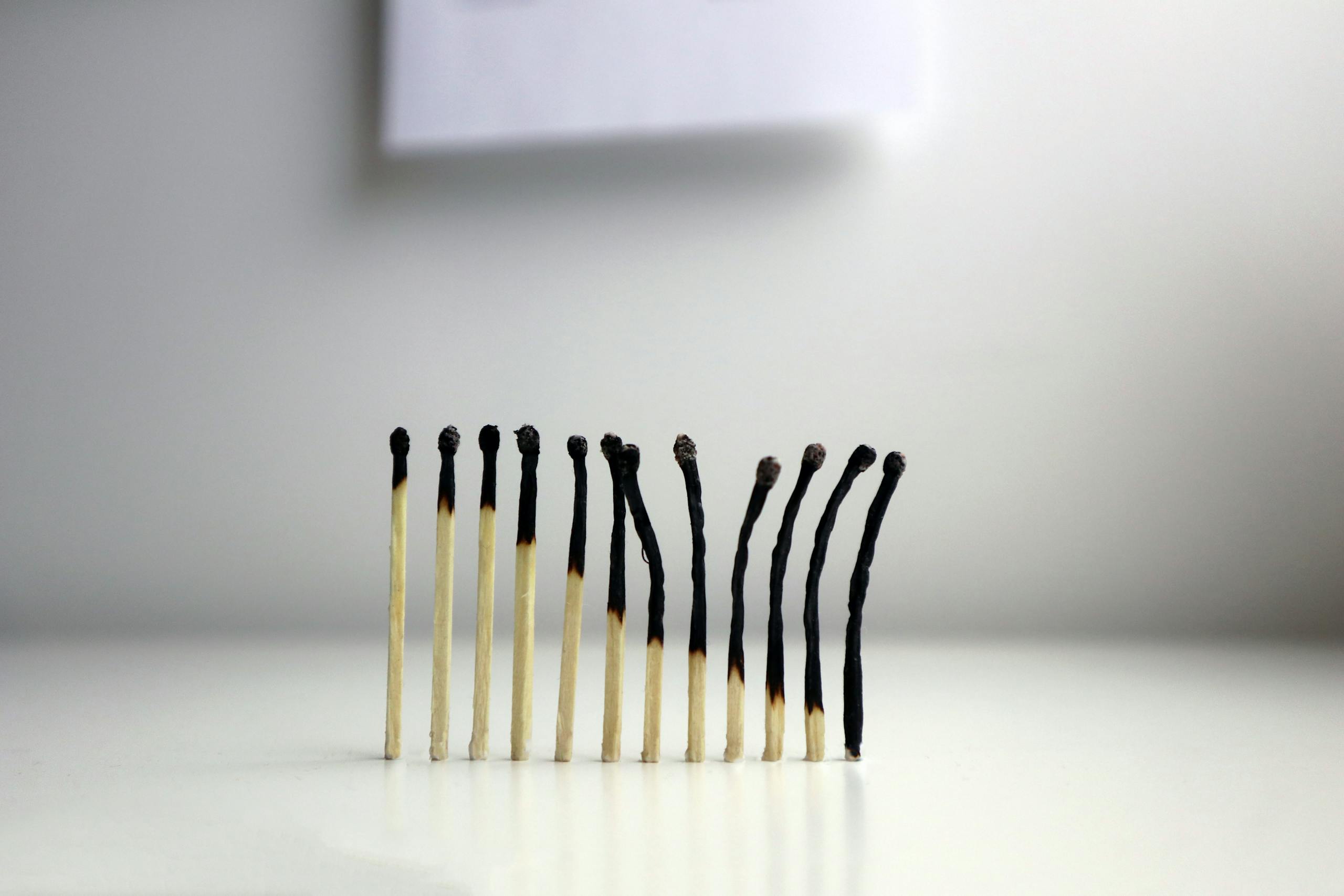
ENFJs don’t burn out by withdrawing. They burn out by giving until there’s nothing left, all while appearing perfectly fine to everyone around them. Research from certified MBTI practitioners shows that ENFJs spiral into burnout feeling painfully underappreciated after putting everyone else’s emotional needs above their own. Their dominant Extraverted Feeling function keeps them absorbing emotions from colleagues, friends, and even strangers, long past the point where their internal resources have emptied.
When I was thrown in at the deep end of my first agency leadership role, I worked alongside someone who seemed to thrive on the very things that drained me. She was an ENFJ who appeared energized by constant collaboration, always knew what everyone was feeling, and could effortlessly read the room in ways I found exhausting just to observe.
For at least the first five years of working in agencies, I watched this pattern repeat itself with ENFJs on my teams. They would light up during intense people-focused work, genuinely energized by interactions that left me depleted. Then one day, without warning, they would just hit a wall. The burnout looked nothing like what I experienced as an INTJ. Where my burnout showed up as needing to withdraw and recharge, theirs manifested as an inability to stop giving, even when they had nothing left to give.
As an INTJ who has learned to understand different personality types through decades of leadership experience, I’ve come to recognize that ENFJ burnout is one of the most misunderstood phenomena in the workplace. People assume extroverts can’t burn out from social interaction. They’re wrong. ENFJs burn out differently than introverts, and understanding these differences matters for both ENFJs themselves and the people who work with them. Our MBTI Extroverted Diplomats (ENFJ & ENFP) Hub explores these dynamics across both types in depth.
Why Does ENFJ Burnout Go Unrecognized?
Most people think burnout looks the same for everyone: exhaustion, cynicism, withdrawal. For ENFJs, burnout often looks like the opposite. They keep showing up, keep helping, keep giving, even as they’re falling apart internally.
According to Myers-Briggs personality research by certified practitioner Susan Storm, ENFJs are often seen as mentors and givers who put the emotional needs of others above their own. When their efforts go unnoticed or they give too much, ENFJs spiral into burnout feeling painfully underappreciated.
The problem is that ENFJs are so good at maintaining their external persona that no one realizes they’re struggling. They continue performing emotional labor for everyone around them while their internal resources are completely depleted. Burnout accelerates unchecked because the ENFJ appears fine to everyone else.
During my years managing diverse teams, I learned that the ENFJs who burned out hardest were often the ones who seemed most capable. They took on extra projects, mediated conflicts, checked in on struggling team members, and maintained team morale. Then suddenly they would crash, and everyone would be shocked because they had seemed so energized just weeks before. Understanding introvert burnout prevention and recovery helped me recognize similar but distinct patterns in my ENFJ colleagues.
What Makes Empathy Absorption So Dangerous for ENFJs?
ENFJs don’t just empathize with others; they absorb emotions like sponges. Psychological research on empathy burnout shows that these personality types unconsciously absorb others’ emotions in real time. When they’re in a crowded building, they can feel the emotions of complete strangers without trying.
As an INTJ, I process emotions analytically and can maintain clear boundaries between my feelings and others’. For ENFJs, this separation is nearly impossible. Their dominant Extraverted Feeling function means they’re constantly tuned into the emotional atmosphere around them, absorbing joy, stress, anger, and sadness indiscriminately.
I watched one ENFJ colleague become physically ill after spending a week mediating a departmental conflict. She hadn’t been directly involved in the dispute, but absorbing the anger and frustration from both sides for five straight days left her exhausted and emotionally depleted. She took it all on without realizing what was happening until she couldn’t get out of bed.
The science is clear: these personality types combine their intuitive and feeling sides to absorb the emotions of others. Where there is anger, sadness, stress, or irritation, these types will absorb it all like a sponge. They may not even know why they are suddenly feeling these strong emotions, only that they seem incapable of escaping them while they exist. The experience differs fundamentally from how introvert stress management operates, where the issue is typically overstimulation rather than emotional absorption.

How Does People-Pleasing Trap ENFJs Into Burnout?
A comprehensive 16Personalities study on people-pleasing behaviors found that 57% of ENFJ personalities say they tend to try to please others through active praise rather than passive agreement. They’re not just going through the motions; they’re genuinely invested in these interactions and find real joy in seeing others succeed.
That investment is admirable until it becomes pathological. ENFJs don’t just want to help; they need to help. Their sense of identity becomes wrapped up in being the person everyone can count on. When they can’t fix someone’s problem or make everyone happy, they internalize it as personal failure. For ENFJs ready to address this pattern directly, understanding ENFJ people-pleasing and how to break the habit provides targeted strategies.
I’ve learned to recognize the warning signs in ENFJs on my teams. They start taking on tasks that aren’t their responsibility. Next comes volunteering for extra projects even when their plate is full. Before long, they’ve become the emotional support system for the entire department. Each of these actions feeds their need to be helpful while draining their reserves further.
Clinical observations from personality psychology experts at Elevanation identify excessive people-pleasing as a primary burnout trigger. An unhealthy ENFJ might find themselves constantly seeking validation, approval, and appreciation from others, often at the cost of their own wellbeing. They may compromise their core values, beliefs, or needs to maintain a harmonious environment or avoid conflict, leading to resentment and emotional exhaustion.
What makes this particularly insidious is that ENFJs get positive reinforcement for their people-pleasing behavior. Colleagues appreciate their helpfulness. Managers praise their team spirit. Friends rely on their support. All of this validation encourages ENFJs to keep giving, even as they’re moving toward burnout.
When Does Harmony Become a Prison for ENFJs?
ENFJs have an almost compulsive need for harmony in their environment. Their need for harmony isn’t about avoiding conflict; it’s about genuinely feeling distressed when there’s disharmony around them. Their Extraverted Feeling function picks up on discord like a physical sensation, and they can’t rest until things are resolved.
During my time as CEO turning around a struggling agency, I worked with an ENFJ who would become visibly anxious when two team members had tension between them. Even if the conflict didn’t involve her and wasn’t affecting work quality, she couldn’t focus on her own tasks until she had mediated the situation. Constant emotional firefighting left her depleted. My own experience with introvert leadership and authentic communication showed me that sustainable leadership requires boundaries I didn’t see her maintaining.
The Crystal personality assessment platform documents how ENFJs become stressed if they feel like they’re burdening others. They may overthink things and tend to feel worried that their presence is draining to others. The result is a painful paradox where their efforts to create harmony for others leave them feeling like a burden themselves.
The need for harmony becomes a prison when ENFJs sacrifice their own needs, opinions, and boundaries to maintain peace. They agree to things they don’t want to do. True feelings get suppressed. Others’ preferences get accommodated at the expense of their own. Each compromise chips away at their energy reserves.
These patterns intensify in romantic partnerships. The dynamics of ENFJ-ISTP couples where warmth meets cool distance show how ENFJs often overextend themselves trying to bridge emotional gaps with more reserved partners, accelerating burnout in their most intimate relationships. Similar exhaustion occurs when ENFJ parents raising ISTP kids face constant tension between their need for emotional connection and their child’s fierce independence.

Why Do ENFJs Neglect Self-Care Until It’s Too Late?
The pattern is consistent across clinical observations: in the quest to help others, an unhealthy ENFJ may ignore their own physical, emotional, and mental wellbeing. The lack of self-care causes them to experience burnout, chronic fatigue, or develop other mental health issues such as anxiety or depression.
ENFJs are exceptional at recognizing when others need rest, support, or care. They’re terrible at applying the same standards to themselves. I’ve watched ENFJs work through illness, skip lunch to help colleagues, and sacrifice sleep to meet others’ needs. They would never expect anyone else to operate this way, but they hold themselves to impossible standards.
The irony is that ENFJs’ effectiveness depends on their wellbeing. When they’re depleted, they can’t provide the support and leadership that comes naturally to them. But by the time they recognize they need care, they’re often too exhausted to implement it. The principles of introvert self-care that emphasize preventive maintenance apply even more critically to ENFJs who give constantly.
During my early years in agency environments, I was addicted to the pace, maybe just a victim of it, afraid to revolt against the work demands. I learned the hard way that sustainable performance requires protecting your energy. For ENFJs, this lesson is even more critical because their natural inclination is to keep giving until they have nothing left.
How Does Criticism Sensitivity Amplify ENFJ Burnout?
Analysis from personality development experts at PersonalityMirror shows that ENFJs are often sensitive to criticism and may take negative feedback personally. They often strive for perfection and can be hard on themselves when they fall short. Their sensitivity to criticism can sometimes lead them to avoid situations where they might face negative feedback.
As an INTJ, I process criticism analytically. It’s data about performance that I can use to improve. For ENFJs, criticism feels personal because they invest so much of themselves in their relationships and work. When someone criticizes their work, ENFJs hear it as rejection of who they are.
Sensitivity to criticism becomes particularly problematic during burnout. When ENFJs are depleted, their resilience to criticism plummets. A piece of feedback that they could normally process constructively feels devastating. The result can be a downward spiral where burnout increases sensitivity, which leads to more emotional pain, which accelerates burnout.
I’ve learned to adjust my feedback delivery based on personality type. With ENFJs, I focus on framing feedback in terms of values and impact rather than pure performance metrics. Framing feedback in terms of values honors their people-focused orientation while still providing the guidance they need to grow.

What Does the ENFJ Overcommitment Cycle Look Like?
The overcommitment cycle works like this: An ENFJ says yes to a request because they want to help. Appreciation follows, and the requester comes back with more requests. The ENFJ says yes again because they don’t want to disappoint. Soon they’re managing multiple commitments while new requests keep arriving. They can’t say no because they’ve established themselves as the person who always helps.
The 16Personalities productivity research reveals that people with this personality type tend to be too enthusiastic and are susceptible to others taking advantage of them. When choosing between hesitant or uninterested people and an ENFJ to do a job, the choice is clear. That reputation earns ENFJs opportunities and positive recognition, but if overdone, it invites burnout as their plates become overloaded.
I’ve watched ENFJs on my teams struggle with this pattern repeatedly. They genuinely want to help everyone, but they lack the capacity to fulfill all their commitments without sacrificing their wellbeing. The solution requires learning to say no, but that feels like betraying their core identity. Developing the skills from introvert communication confidence can help ENFJs find their voice in setting boundaries.
How Does ENFJ Burnout Manifest Differently Than Other Types?
When ENFJs burn out, they don’t withdraw the way introverts do. Instead, they become a distorted version of themselves. The Truity personality assessment team documents that when in burnout, the normally very supportive ENFJ finds themselves being very critical of themselves and of others. They feel emotionally cold or numb, and become upset by tasks being done in an illogical manner.
The shift can be jarring for both the ENFJ and the people around them. The warm, supportive colleague becomes snippy and critical. Patience evaporates as the natural listener becomes easily annoyed. Cynicism replaces the optimism that once defined them. These changes signal that the ENFJ has moved past healthy stress into genuine burnout.
The PersonalityGrowth research team reveals that ENFJs suffering from burnout neglect their own needs to tend to the needs of others. If the ENFJ goes too long without help or appreciation from those around them, they become overwhelmed and completely exhausted. They try to handle far too many tasks all by themselves, and eventually this becomes hard to handle. The ENFJ becomes less capable of being around others and might lose their compassionate nature. They become much less considerate and might even snap at the people they love.
During my years leading teams through introvert team management strategies, I learned to watch for these behavioral shifts. When an ENFJ starts showing uncharacteristic irritability or emotional distance, it’s a red flag that they’re approaching burnout. The challenge is that by the time these signs appear, the burnout is already advanced.

What Is the Hidden Cost of Being Everyone’s Support System?
ENFJs naturally position themselves as emotional support systems for the people around them. They’re the ones colleagues confide in, friends call during crises, and family members rely on for guidance. The role feels meaningful and aligns with their values, but it comes with a hidden cost.
The research is unambiguous: ENFJs and INFJs don’t have to try to absorb feelings; it’s as natural to them as breathing. Hundreds of these types report feeling the emotions of complete strangers when they’re in a crowded building. Being able to let go of the emotions of others and compartmentalize is extremely difficult for ENFJs. Until the environment has returned to a state of harmony, these types feel lost inside whatever negative emotions are clouding the atmosphere.
Everyone brings their problems to ENFJs, but ENFJs rarely feel comfortable bringing their problems to others. They worry about burdening people. A belief persists that they should be strong enough to handle things themselves. Admitting they’re struggling feels impossible because it conflicts with their identity as the helper.
I’ve had to explicitly create space for ENFJs to be vulnerable with me. As an INTJ, I’m comfortable with directness, so I ask them explicitly: “You spend a lot of time supporting others. Who’s supporting you?” This question often catches them off guard because they haven’t considered it.
Why Doesn’t Traditional Burnout Recovery Work for ENFJs?
Most burnout recovery advice focuses on rest and withdrawal. For introverts like me, this works perfectly. Take time alone, minimize obligations, focus on self-care. For ENFJs, this approach can actually make things worse.
The evidence shows that ENFJs need specific recovery approaches that align with their personality. When their brain is exhausted, they need activities that give them a break from processing emotions while still allowing some social connection.
Clinical observations suggest that ENFJs help give their brain a break by finding a quiet space and working through simple logic puzzles until they start feeling more like themselves. Whether it’s math problems, sudoku, crossword puzzles, or single-person scrabble, these puzzles give the ENFJ a temporary break from emotions, theirs and other peoples. The approach works because it engages different cognitive functions than the ones causing exhaustion.
Additionally, ENFJs benefit from expressing their emotions externally through journaling or speaking with someone. Putting their feelings “out there” into the external environment effectively helps the ENFJ feed their emotions back to themselves through their Extraverted Feeling function.
When I finally came into my own as a leader during my time as CEO, I worked quietly, conscientiously, and earnestly to fix and improve things. For ENFJs, the approach needs to be different. They need to process their emotions externally, maintain some level of connection with others, and find activities that engage their logical side without demanding emotional processing.
How Can You Recognize ENFJ Burnout Before It’s Too Late?
Preventing ENFJ burnout depends on recognizing the early warning signs before they escalate. Multiple studies identify several indicators:
- Emotional dysregulation: Mood swings, unexpected tearfulness, or emotional numbness that differs from their usual warmth and engagement.
- Physical exhaustion: Persistent fatigue, insomnia, or stress symptoms that don’t resolve with normal rest.
- Growing resentment: Feeling bitter about the very helping activities that normally bring them energy and fulfillment.
- Uncharacteristic irritability: Snapping at colleagues, friends, or family members in ways that surprise everyone, including the ENFJ themselves.
- Inability to say no: Taking on every available project, becoming the unofficial therapist for the team, mediating every conflict whether asked or not.
- Guilt about rest: Expressing guilt about taking breaks or time off, feeling that resting means letting others down.
Through my leadership experience, the most reliable indicator has been when ENFJs start expressing resentment about the very activities that normally energize them. When helping others shifts from fulfilling to exhausting, when collaboration feels draining rather than energizing, when they start avoiding the people and projects they usually love, burnout has taken hold. Understanding introvert workplace anxiety helped me recognize similar warning signs across personality types.
ENFJs tend to feel stressed by judgment from other people, especially those they care about. They care a lot about how others see them and are likely to take criticism to heart. When ENFJs start becoming overly sensitive to feedback or expressing unusual anxiety about others’ opinions, it signals that their emotional reserves are depleting.

What Does Sustainable Support Look Like for ENFJs?
Supporting ENFJs requires understanding that their needs differ fundamentally from introverts. They can’t simply withdraw and recharge; they need strategic approaches that honor their extroverted nature while protecting their emotional resources.
The Calm wellness platform emphasizes the importance of alone time for reflection. ENFJs need time to access their Introverted Intuition function, which provides depth and balance to their externally-focused nature. Quiet walks outside, light problem solving, a hot bath, or simply a cup of tea. Having a section of each day to unplug from other people’s emotions and feelings makes a measurable difference.
Organizations can support ENFJs by recognizing their contributions explicitly. ENFJs suffer from burnout when they neglect their own needs to tend to others, and if they go too long without help or appreciation, they become overwhelmed. Regular acknowledgment of their emotional labor can help prevent this depletion.
During my time turning around that struggling agency, I implemented regular check-ins with team members, particularly the ENFJs who were holding the team together emotionally. I asked explicitly about their capacity, acknowledged their contributions, and created permission for them to say no to additional requests.
How Can ENFJs Learn to Set Boundaries Without Guilt?
The most important skill for preventing ENFJ burnout is boundary setting, but it’s also the hardest for them to learn. Their entire identity revolves around being available and helpful, so setting boundaries feels like betraying who they are.
The clinical consensus is clear: learning to say no is an act of self-preservation for ENFJs. Setting boundaries ensures they don’t become overwhelmed by others’ demands and can focus on their own needs.
I’ve found that ENFJs respond well to reframing boundaries as a way to help others more effectively. When they understand that setting limits allows them to provide better quality support rather than depleted support, they’re more willing to implement boundaries. It’s not about helping less; it’s about helping sustainably.
Practical boundary-setting strategies for ENFJs include:
- Schedule self-care as non-negotiable: Block time for recharging with the same priority as helping others. Treat it as an appointment that cannot be cancelled.
- Practice the 24-hour rule: Before saying yes to new commitments, wait 24 hours. Waiting creates space between the impulse to help and the actual commitment.
- Designate emotional off-hours: Establish times when you’re not available for emotional support. Others will adapt, and you’ll have protected recovery time.
- Reframe “no” as capacity management: Saying no to one request means saying yes to quality support for existing commitments. Frame it as responsible resource allocation.
- Build a support reciprocity system: Identify two or three people you trust to support you, and practice receiving help as deliberately as you give it.
Sustainable Giving Without Breaking
ENFJ burnout looks different because ENFJs are different. They don’t burn out from too much social interaction; they burn out from absorbing too many emotions, giving too much of themselves, and neglecting their own needs in service of others.
Understanding these differences matters for both ENFJs and the people who work with them. ENFJs need permission to prioritize their own wellbeing without feeling guilty. They need explicit acknowledgment of their emotional labor. They need space to set boundaries without fear of disappointing others.
Sustainable ENFJ performance requires planning time off, taking frequent breaks during the day, getting enough sleep, and finding time to be bored. Boredom and creativity have been linked, and ENFJs benefit from unstructured time that doesn’t demand emotional processing.
As an INTJ who has spent decades learning to understand and support different personality types, I’ve come to deeply appreciate what ENFJs bring to teams and organizations. Their ability to create connection, foster collaboration, and maintain morale is invaluable. But this value only sustains when we recognize the unique forms their burnout takes and create systems that support their wellbeing.
ENFJs don’t need to stop caring. They need to care sustainably, set boundaries without guilt, and recognize that they deserve the same quality of support they provide to everyone else. When ENFJs learn to balance their natural giving with adequate self-care, they become even more effective at the work they find most meaningful. For ENFJs exploring related challenges, why ENFJs need to save themselves first addresses the deeper identity shift required.
Explore more ENFJ insights and resources in our complete MBTI Extroverted Diplomats (ENFJ & ENFP) Hub.
About the Author
Keith Lacy is an introvert who’s learned to embrace his true self later in life. With a background in marketing and a successful career in media and advertising, Keith has worked with some of the world’s biggest brands. As a senior leader in the industry, he has built a wealth of knowledge in marketing strategy. Now, he’s on a mission to educate both introverts and extroverts about the power of introversion and how understanding this personality trait can improve new levels of productivity, self-awareness, and success.