

Supporting a spouse with mental illness while maintaining your own well-being as an ENFJ requires a delicate balance between your natural caregiving instincts and necessary boundaries. ENFJs often find themselves overwhelmed when their partner struggles with depression, anxiety, or other mental health challenges, pouring endless energy into helping while neglecting their own needs.
Your empathetic nature makes you incredibly attuned to your partner’s emotional state, but it can also lead to emotional burnout if you don’t establish healthy support strategies. Understanding how to be present for your spouse without losing yourself in the process becomes essential for both your relationship and your individual mental health.
ENFJs face unique challenges when supporting partners with mental illness because their dominant Extraverted Feeling (Fe) function drives them to prioritize others’ emotional needs above their own. Our MBTI Extroverted Diplomats hub explores how ENFJs and ENFPs navigate relationships, and supporting a partner through mental illness adds layers of complexity that require specific strategies and boundaries.

Why Do ENFJs Struggle With Spousal Mental Health Support?
ENFJs naturally absorb the emotions of those around them, making their partner’s mental health struggles feel like their own responsibility to fix. When your spouse experiences depression, anxiety, or other mental health challenges, your Fe function interprets their distress as something you should be able to resolve through care and attention.
What’s your personality type?
Take our free 40-question assessment and get a detailed personality profile with dimension breakdowns, context analysis, and personalised insights.
Discover Your Type8-12 minutes · 40 questions · Free
This creates an exhausting cycle where you constantly monitor your partner’s mood, adjust your behavior to accommodate their symptoms, and feel personally responsible for their emotional well-being. According to the Mayo Clinic, depression affects not just the individual but their entire support system, and ENFJs often bear the heaviest emotional load.
Your intuitive understanding of emotions becomes both a strength and a vulnerability. While you can sense when your partner needs support before they ask, you may also catastrophize their symptoms or interpret normal fluctuations in their mental health as signs you’re failing as a partner. This hypervigilance drains your energy and can lead to resentment, even though your intentions are loving.
Many ENFJs also struggle with the unpredictability of mental illness. Your preference for harmony and structure conflicts with the chaotic nature of conditions like bipolar disorder or anxiety, leaving you feeling helpless when traditional relationship approaches don’t work. The ENFJ tendency toward people-pleasing compounds this challenge, as you may sacrifice your own needs to maintain peace or avoid triggering your partner’s symptoms.
How Can ENFJs Set Healthy Boundaries While Remaining Supportive?
Setting boundaries with a mentally ill spouse feels counterintuitive to ENFJs, who equate love with unlimited availability and emotional support. However, boundaries actually strengthen your ability to provide consistent, sustainable care while protecting your own mental health.
Start by distinguishing between supporting and enabling. Supporting means encouraging your partner to engage with professional treatment, maintain healthy routines, and communicate their needs clearly. Enabling means taking responsibility for managing their symptoms, making excuses for behaviors caused by their illness, or avoiding necessary conversations to prevent emotional episodes.

Create specific time boundaries around mental health discussions. While you want to be available for your partner, constant processing of their symptoms can overwhelm both of you. Establish designated times for check-ins about their mental health, allowing both of you to prepare emotionally for these conversations and ensuring they don’t dominate every interaction.
Physical boundaries matter too. If your partner’s anxiety or depression affects their sleep patterns, consider separate bedrooms during difficult periods. This isn’t rejection, it’s preservation of your own rest, which enables you to show up more effectively during the day. According to research published in the Journal of Clinical Sleep Medicine, sleep disruption significantly impacts relationship satisfaction and individual mental health.
Emotional boundaries require the most practice for ENFJs. You don’t have to absorb every feeling your partner experiences. Their depression isn’t your depression, their anxiety isn’t your anxiety. Learning to offer comfort without taking on their emotional state allows you to remain present without becoming overwhelmed. This distinction takes time to develop, especially when your natural instinct is to merge emotionally with loved ones.
What Professional Resources Should ENFJs Encourage Their Partners to Use?
ENFJs often try to serve as their partner’s primary mental health support, but professional intervention provides tools and perspectives that even the most caring spouse cannot offer. Encouraging professional help isn’t admitting failure, it’s recognizing the limits of what love alone can accomplish.
Therapy provides your partner with an objective space to process their experiences without worrying about the emotional impact on you. A skilled therapist can teach coping strategies, identify triggers, and help your partner develop independence in managing their symptoms. The American Psychological Association emphasizes that therapy effectiveness increases when family members support treatment without trying to direct it.
Psychiatric evaluation may be necessary if your partner’s symptoms significantly impair their daily functioning. Many mental health conditions respond well to medication, and a psychiatrist can assess whether pharmaceutical intervention would be beneficial. Your role is to support their decision-making process, not to advocate for or against medication based on your personal preferences.
Support groups offer peer connection that you cannot provide. Whether online or in-person, connecting with others who share similar struggles reduces isolation and provides practical strategies from people who understand firsthand. The National Alliance on Mental Illness offers both support groups for individuals with mental illness and separate groups for family members, allowing both partners to receive appropriate support.
Crisis intervention resources become essential during severe episodes. Know the numbers for local crisis hotlines, understand when to call emergency services, and have a plan for psychiatric emergencies. Your ENFJ instincts may tell you to handle everything yourself, but professional crisis intervention saves lives and prevents trauma for both partners.

How Do ENFJs Avoid Caregiver Burnout When Supporting a Mentally Ill Spouse?
Caregiver burnout sneaks up on ENFJs because your natural tendency is to give until you’re empty, then find more to give. Unlike typical ENFJ burnout, which often stems from overcommitting to multiple people and causes, spousal caregiving burnout develops gradually through the constant emotional labor of supporting one person’s chronic condition.
Recognize the early warning signs: feeling resentful when your partner has bad days, avoiding friends because you’re tired of explaining your situation, or finding yourself unable to enjoy activities you used to love. Physical symptoms include chronic fatigue, frequent headaches, changes in appetite, and increased susceptibility to illness. Cleveland Clinic research shows that caregiver stress significantly impacts immune function and cardiovascular health.
Schedule regular respite periods where you engage in activities completely separate from your partner’s mental health. This isn’t selfish, it’s necessary maintenance of your ability to provide support. Whether it’s weekly coffee with friends, a monthly weekend away, or daily exercise routines, these breaks allow your nervous system to reset and prevent compassion fatigue.
Develop interests and relationships that exist independently of your role as a caregiver. ENFJs often merge their identity with their relationships, but maintaining your individual sense of self becomes crucial when supporting a partner with chronic mental illness. Pursue hobbies, maintain friendships, and engage in activities that remind you of who you are beyond your caregiving role.
Consider your own therapy to process the complex emotions that arise when supporting a mentally ill spouse. Guilt, resentment, fear, and grief are normal responses that need professional attention. A therapist can help you develop coping strategies specific to your personality type and relationship dynamics while providing a safe space to express feelings you might not feel comfortable sharing with friends or family.
What Communication Strategies Work Best for ENFJs Supporting Mentally Ill Partners?
ENFJs naturally excel at reading emotional subtext, but mental illness can distort communication patterns in ways that challenge even your intuitive abilities. Depression may cause your partner to withdraw or interpret neutral comments negatively, while anxiety might lead to catastrophic thinking about relationship issues.
Practice direct, clear communication rather than relying on your usual intuitive approach. Mental illness often impairs the ability to pick up on subtle emotional cues, so explicit statements work better than hints or implications. Instead of “I think we should spend more time together” try “I’d like to schedule a weekly date night to maintain our connection.”

Separate the person from the illness in your language and thinking. When your partner snaps at you during a depressive episode, respond to the behavior without attacking their character or making their mental illness the villain. “I understand you’re struggling right now, but I need you to speak to me respectfully” acknowledges both their condition and your boundaries.
Learn to validate without trying to fix. Your Fe function wants to solve emotional problems, but sometimes your partner needs acknowledgment more than solutions. “That sounds really difficult” often helps more than “Have you tried…” or “Maybe you should…” Psychology Today research shows that validation reduces defensive responses and increases emotional connection.
Ask directly about their needs rather than assuming you know what helps. Mental illness symptoms change over time, and what provided comfort last month might feel overwhelming today. “What do you need from me right now?” gives your partner agency in their care while preventing you from exhausting yourself with ineffective support attempts.
Establish code words or signals for when mental health symptoms are affecting your interactions. This allows both of you to acknowledge what’s happening without lengthy explanations or blame. “I think we need to pause this conversation” can become a neutral way to step back when anxiety or depression is escalating conflict.
How Can ENFJs Maintain Their Own Mental Health While Supporting Their Partner?
Your mental health matters as much as your partner’s, even though your ENFJ instincts suggest otherwise. Supporting someone with chronic mental illness requires emotional reserves that can only be maintained through intentional self-care and professional support.
Develop a personal mental health toolkit that works independently of your partner’s condition. This might include meditation, journaling, exercise, creative pursuits, or spiritual practices that center you regardless of what’s happening in your relationship. The National Institute of Mental Health emphasizes that family member mental health directly impacts their ability to provide effective support.
Build a support network that understands your specific challenges as an ENFJ supporting a mentally ill spouse. This might include other partners of people with mental illness, friends who can listen without offering unwanted advice, or family members who respect your boundaries. Avoid people who minimize your struggles or suggest simple solutions to complex problems.
Monitor your own mental health symptoms with the same attention you give your partner’s. ENFJs often ignore their own depression, anxiety, or stress because they seem less severe than their partner’s symptoms. However, untreated mental health issues in caregivers lead to poorer outcomes for both partners and increased relationship strain.
Consider couples therapy in addition to individual treatment for both partners. A skilled therapist can help you develop communication patterns that work with mental illness, establish healthy boundaries, and address relationship dynamics that may inadvertently worsen symptoms. This isn’t admitting relationship failure, it’s investing in tools that strengthen your partnership.
Remember that taking care of yourself isn’t selfish when you’re in a caregiving role. Just as ENFJs often attract people who drain their energy, the intensity of supporting a mentally ill spouse can deplete your resources if you don’t actively replenish them. Your well-being directly impacts your ability to provide stable, consistent support.
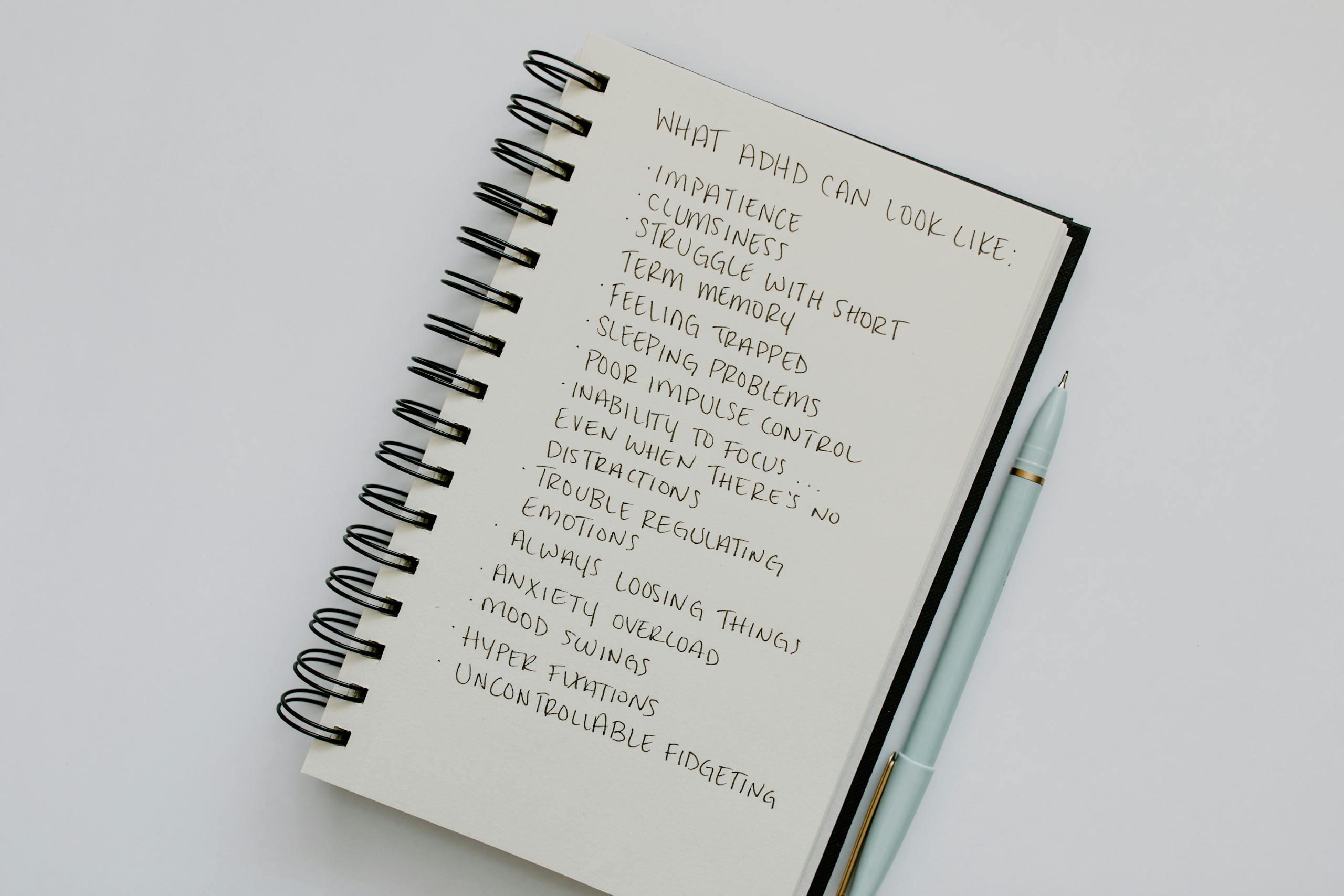
What Should ENFJs Do During Mental Health Crises?
Mental health crises test every boundary and coping strategy you’ve developed. Your ENFJ instincts during these moments will push you toward heroic caretaking, but crisis situations require clear thinking and professional intervention rather than emotional intensity.
Recognize the difference between a difficult day and a genuine crisis. Crisis indicators include threats of self-harm, inability to care for basic needs, psychotic symptoms, or behavior that puts your partner or others in danger. SAMHSA’s National Helpline (1-800-662-4357) provides 24/7 crisis support and can help you determine appropriate intervention levels.
Have a crisis plan prepared before you need it. This includes contact information for your partner’s treatment team, local emergency services, trusted family members or friends who can help, and a list of your partner’s medications and medical history. Keep this information easily accessible and share it with at least one other trusted person.
During acute episodes, focus on safety rather than trying to provide therapy or solve underlying issues. Remove access to potential means of self-harm, stay calm and speak in simple, clear sentences, and don’t leave your partner alone if you’re concerned about their safety. Your role is to maintain stability until professional help arrives, not to cure their crisis through emotional support.
Don’t hesitate to call emergency services if you’re genuinely concerned about immediate safety. Many ENFJs worry about overreacting or betraying their partner’s trust, but psychiatric emergencies require professional intervention. Your partner’s life matters more than their temporary anger about involuntary treatment.
Process your own trauma after crisis situations. Witnessing a loved one in severe mental health crisis creates secondary trauma that needs attention. Seek immediate support from friends, family, or professionals rather than trying to “be strong” and handle everything alone. The intensity of crisis caregiving can trigger your own mental health symptoms if left unaddressed.
How Do ENFJs Navigate Relationship Changes When Mental Illness Affects Their Partner?
Mental illness changes relationships in ways that challenge ENFJ expectations about partnership dynamics. Your vision of mutual emotional support and harmony may need adjustment when your partner’s condition affects their ability to reciprocate care or maintain consistent emotional availability.
Grieve the relationship you expected while accepting the relationship you have. This doesn’t mean settling for less love or connection, but rather adapting your expectations to accommodate the reality of chronic mental illness. Some days your partner may be fully present and engaged, while others they may be emotionally unavailable due to symptoms beyond their control.
Redefine what support looks like in your relationship. Traditional relationship advice often assumes both partners can provide equal emotional labor, but mental illness creates periods of imbalance. During your partner’s difficult phases, support might mean handling more practical responsibilities. During their stable periods, they may be able to provide more emotional support than usual.
Maintain realistic hope while avoiding the trap of believing love can cure mental illness. Your dedication and support absolutely matter for your partner’s recovery and stability, but you cannot love them into mental wellness. Research published in the Journal of Clinical Psychology shows that family support improves treatment outcomes, but professional intervention remains essential for managing mental illness.
Consider how mental illness affects intimacy and adjust your expectations accordingly. Depression can reduce libido and emotional availability, anxiety can interfere with physical closeness, and some medications have side effects that impact intimate connection. Open communication about these changes prevents misunderstandings and reduces pressure on both partners.
Celebrate small improvements rather than waiting for complete recovery. Mental illness recovery often involves gradual progress with setbacks rather than linear improvement. Acknowledging when your partner has a good day, completes treatment goals, or shows increased stability helps maintain hope and motivation for both of you.
Remember that you’re building a life together that includes mental illness rather than waiting for it to end so your “real” relationship can begin. This perspective shift allows you to find meaning and joy within your current circumstances rather than perpetually postponing happiness until your partner feels better. Just as ENFPs learn to work with their natural patterns rather than against them, you can learn to build a fulfilling relationship that accommodates mental illness rather than fighting it.
For more insights on ENFJ relationships and personality development, explore our MBTI Extroverted Diplomats hub.
About the Author
Keith Lacy is an introvert who’s learned to embrace his true self later in life. After spending over 20 years running advertising agencies and working with Fortune 500 brands, he now helps introverts understand their unique strengths and build careers that energize rather than drain them. As an INTJ, Keith understands the challenges of navigating relationships and professional environments that often favor extroverted approaches. Through Ordinary Introvert, he shares insights on personality psychology, career development, and the journey toward authentic self-acceptance.
Frequently Asked Questions
How can ENFJs tell if they’re enabling their partner’s mental illness rather than supporting it?
Enabling involves taking responsibility for managing your partner’s symptoms, making excuses for illness-related behaviors, or avoiding necessary conversations to prevent emotional episodes. Supporting means encouraging professional treatment, maintaining healthy boundaries, and helping your partner develop independence in managing their condition. If you find yourself constantly adjusting your behavior to manage your partner’s mood or taking over responsibilities they’re capable of handling, you may be enabling rather than supporting.
What should ENFJs do when their partner refuses professional mental health treatment?
You cannot force someone into treatment, but you can set boundaries about what support you’re willing to provide without professional intervention. Express your concerns clearly, offer to help research treatment options or attend appointments, but avoid ultimatums unless safety is at risk. Focus on taking care of your own mental health through therapy or support groups, which may eventually encourage your partner to seek help as well.
How do ENFJs maintain friendships when supporting a spouse with mental illness?
Schedule regular friend time that doesn’t revolve around discussing your partner’s mental health. While close friends should understand your situation, constantly focusing conversations on caregiving struggles can strain relationships. Engage in activities you enjoyed before your partner’s diagnosis, and don’t feel obligated to explain or justify your partner’s absence from social events. True friends will respect your boundaries and offer support without judgment.
Is it normal for ENFJs to feel resentful toward their mentally ill spouse?
Resentment is a common and normal response to the chronic stress of caregiving, especially for ENFJs who naturally prioritize others’ needs. These feelings don’t make you a bad person or partner. Acknowledge the resentment without acting on it destructively, and seek professional support to process these complex emotions. Resentment often signals that your boundaries need adjustment or that you need more support in your caregiving role.
How can ENFJs prepare for the long-term reality of supporting a partner with chronic mental illness?
Accept that mental illness is often a chronic condition requiring ongoing management rather than a temporary problem to solve. Build sustainable support systems, develop personal interests independent of your caregiving role, and create financial and practical plans that account for your partner’s condition. Focus on building resilience for the long term rather than trying to maintain crisis-level intensity indefinitely. Consider couples therapy to develop healthy patterns that can withstand the challenges of chronic mental illness.