
ENFJs and ENFPs share the Extraverted Feeling function that drives much of this dynamic, though it manifests differently across the types. Our ENFJ Personality Type hub explores how this genuine care for others intersects with the necessity of self-preservation, and this tension sits at the heart of the ENFJ experience with self-care.
- Recognize that ENFJ guilt about self-care stems from wiring to process others’ emotions constantly.
- Accept that solitude is essential recovery for ENFJs, not selfish neglect of relationships.
- Reframe self-care as maintaining your capacity to support others effectively long-term.
- Identify burnout in yourself early since ENFJs mistake exhaustion for personal failure.
- Give yourself the same generosity and permission you freely grant to others.
The Guilt Response That Never Stops
During my years leading teams in advertising agencies, I watched this pattern play out repeatedly in myself and other ENFJ colleagues. We would work ourselves into exhaustion ensuring everyone else felt supported, then feel guilty about needing recovery time. The cycle seemed inescapable because the guilt arrived before we could even enjoy the rest.
What’s your personality type?
Take our free 40-question assessment and get a detailed personality profile with dimension breakdowns, context analysis, and personalised insights.
Discover Your Type8-12 minutes · 40 questions · Free
Psychology Junkie’s research on ENFJ personality patterns identifies this tendency directly: ENFJs habitually put others’ needs before their own, which often leads to exhaustion or physical illness. The pattern isn’t random. Extraverted Feeling processes the emotional landscape of every room we enter, constantly calculating who needs what and how we can help. That processing never really stops.
The guilt mechanism serves an evolutionary purpose. It motivated our ancestors to maintain social bonds crucial for survival. But in modern life, with unlimited access to others’ needs through social media, constant connectivity, and expanding social circles, the guilt response fires continuously. Every unresponded message, every declined invitation, every moment spent alone registers as potential harm to relationships we value.
What makes ENFJ guilt particularly stubborn is its connection to identity. Many of us built our sense of self around being helpful, reliable, and emotionally available. Self-care challenges that identity at its foundation. If I’m not the person everyone can count on, who exactly am I?

Understanding Where the Pattern Originates
Simply Psychology’s analysis of ENFJ cognition reveals something counterintuitive: despite being highly sociable and energized by connection, ENFJs actually need significant time alone to recuperate. The extraverted function requires social engagement, but the processing of all that emotional data demands solitary reflection. We’re wired for both connection and withdrawal, yet we typically only honor the first half of that equation.
The ENFJ burnout pattern differs from other types precisely because we often don’t recognize it approaching. We feel energized by helping others, so we interpret our exhaustion as a personal failing rather than a natural consequence of sustained output without input. By the time we acknowledge the burnout, it has already progressed significantly.
Personality Growth’s research on ENFJ self-awareness highlights this blind spot: ENFJs struggle to spend time on their own needs without feeling guilty. The internal permission structure is broken. We give freely to others but cannot grant ourselves the same generosity. Such imbalance eventually catches up with us.
One client project crystallized this for me. I had spent months ensuring every team member felt heard, every client concern was addressed, every deadline was met with quality work. When the project ended successfully, my first instinct was to immediately jump into the next one. The idea of taking a few days to recover felt lazy. Selfish. I pushed through for two more weeks before my body simply stopped cooperating.
The Sustainability Problem
PsychCentral’s clinical guidance on ENFJ personality emphasizes a practical reality: ENFJs who neglect their own needs eventually experience burnout that compromises their ability to help anyone. The very identity we’re trying to protect through constant availability gets undermined by our refusal to protect ourselves.
Consider the mathematical problem. Helping others depletes energy. Recovery replenishes energy. Without recovery, the energy available for helping decreases over time. Eventually, the ENFJ who refused to take breaks becomes less effective than one who built rest into their routine. The “selfish” choice turns out to be the sustainable one.

Boundary challenges ENFJs face compound this problem. Without clear limits on our availability, demand expands to fill all available space. People naturally ask more of those who always say yes. Our reputation for reliability increases expectations, which increases requests, which increases pressure, which depletes energy faster.
PersonalityPage’s analysis of ENFJ personal relationships notes that guilt can drive ENFJs to ignore their own needs entirely. A self-reinforcing pattern emerges. We give more, which makes us feel more guilty about stopping. Feeling guilty pushes us to give even more. Breaking the cycle requires deliberate intervention because it won’t correct itself naturally.
Reframing Self-Care as Service
A cognitive shift finally helped me, arriving from an unexpected direction. A mentor pointed out that by refusing to care for myself, I was actually being selfish in a deeper sense. I was prioritizing my comfort (avoiding the discomfort of guilt) over my long-term capacity to contribute. Burning out serves no one.
Such reframing works because it speaks the ENFJ’s native language. Self-care isn’t about putting yourself first. It’s about maintaining the resource that allows you to serve others effectively. An ENFJ who rests today can help more people tomorrow. An ENFJ who refuses rest will eventually help no one.
The people-pleasing patterns that drive much of ENFJ behavior respond better to service-oriented framing than self-oriented framing. Telling an ENFJ to “put yourself first” triggers resistance. Telling an ENFJ that self-care improves their ability to support others aligns with existing values.
Elevanation’s research on unhealthy ENFJ patterns confirms what happens without this reframe: ENFJs in unhealthy states neglect self-care in their quest to help others, eventually compromising both their wellbeing and their effectiveness. The helpers who cannot help themselves become liabilities rather than assets to the communities they serve.
Practical Permission Structures
Knowing self-care matters intellectually differs from granting yourself permission emotionally. ENFJs need permission structures that work with our psychology rather than against it.

PsychCentral’s practical guidance suggests ENFJs “pencil in self-care time” the same way they would schedule commitments to others. The act of scheduling transforms optional self-care into an appointment that carries weight. Breaking appointments feels wrong to ENFJs, so make appointments with yourself.
The ENFJ paradox of struggling to accept help extends to self-help as well. We resist our own healing with the same energy we resist assistance from others. Understanding this pattern helps identify when we’re sabotaging our own recovery under the guise of other priorities.
Michael Caloz’s coaching work with ENFJs documents remarkable shifts when permission structures finally click. One ENFJ client reported that “perpetual guilt around work has disappeared” once they established firm boundaries around self-care. The guilt doesn’t vanish instantly, but it does diminish with practice and evidence that the world doesn’t collapse when we rest.
Creating accountability helps. Tell someone you trust that you’re taking Saturday for yourself. Our natural tendency to honor commitments to others can be redirected toward honoring commitments to self when another person is involved in the promise.
The Loneliness Factor
Research from the Indian Institute of Technology Bombay’s MBTI analysis identifies another complication: ENFJs may feel lonely even when surrounded by people. Our giving nature means we often know others’ inner worlds far better than they know ours. We create connection that flows one direction, leaving us understood far less than we understand.
Such loneliness makes self-care feel even more selfish. If we’re already feeling disconnected, how can we justify withdrawing further? But the causation runs the other way. We feel lonely because we give without receiving, connect without being connected to. Self-care includes allowing others to know us, to give to us, to support us.
The urgency of ENFJ self-preservation becomes clearer when we recognize that our loneliness and our over-giving share the same root. Both stem from an imbalanced relationship with care. We must learn to receive what we so readily give.

Warning Signs Worth Noticing
MyPersonality’s analysis of unhealthy ENFJ presentations describes patterns worth recognizing early: codependency, self-destructive service to others, and the gradual erosion of identity outside of the helper role. These don’t appear overnight. They develop through repeated small choices to ignore our own needs in favor of others.
The ENFJ stress response often includes a counterintuitive increase in helping behavior. When we feel overwhelmed, we sometimes help others even more frantically, as if we could outrun our own depletion through sheer output. Recognizing this pattern as a warning sign rather than a virtue takes practice.
Physical symptoms often arrive before emotional acknowledgment. Persistent fatigue, difficulty sleeping, increased illness, and unexplained tension can all signal that the self-care deficit has grown too large. Our bodies know what our minds refuse to admit.
Resentment toward the people we help indicates another warning sign. ENFJs don’t naturally resent others’ needs. When that resentment appears, it signals that we’ve given past our capacity. The resentment isn’t a character flaw. It’s useful data about boundary violations we’ve allowed to accumulate.
Building a Different Relationship with Rest
Caring about others won’t stop, nor should it. That would violate everything that makes ENFJs who we are. The aim is to expand the circle of care to include ourselves without requiring guilt as the price of admission.
Start small. A single hour of protected time. One evening without obligations. A morning where you respond to your own needs before checking what others need. Each small act of self-care that doesn’t result in catastrophe weakens the guilt response slightly.
Track the evidence. Notice that relationships survive when you take breaks. Observe that your help is more effective after rest. Document the times when boundaries actually strengthened rather than damaged connections. The ENFJ mind responds to evidence, even when it contradicts deeply held beliefs.
Accept that guilt may accompany self-care indefinitely. Success looks like acting despite the guilt rather than eliminating it entirely. Guilt is information, not a command. It signals that you’re doing something that feels unfamiliar, not necessarily something wrong.
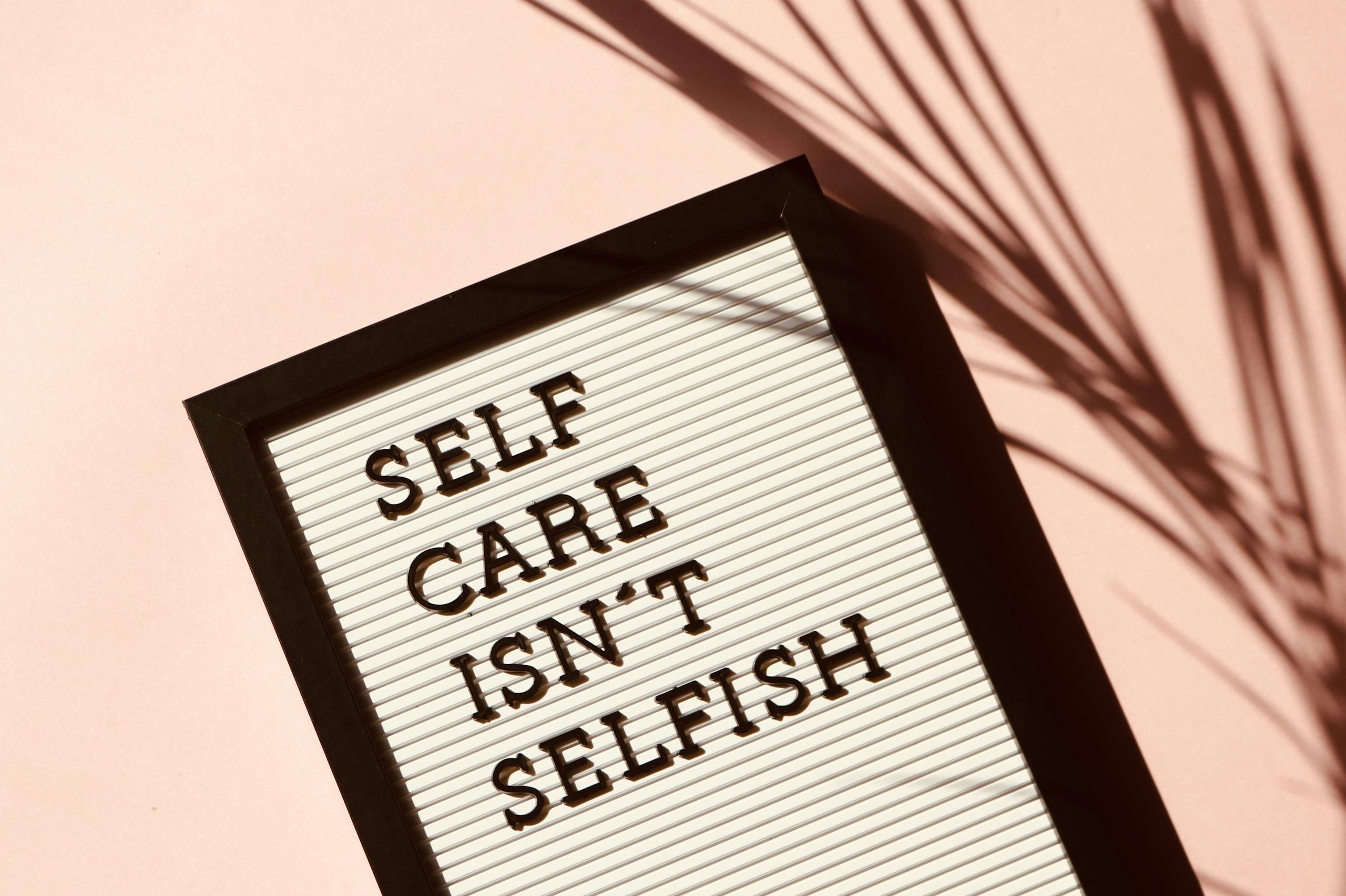
Self-care isn’t selfish. It’s the foundation that makes sustainable caring possible. An ENFJ who learns this lesson can serve others for decades. One who refuses it will burn out far sooner, helping fewer people less effectively along the way. Simple math, even when emotions insist otherwise.
Frequently Asked Questions
Why do ENFJs feel guilty about self-care when other types don’t seem to struggle as much?
The ENFJ’s dominant Extraverted Feeling function constantly processes the emotional needs of others and creates a sense of responsibility for meeting those needs. According to 16Personalities’ analysis, Diplomats report higher guilt around self-interest than other personality groups because putting themselves first conflicts with their core values of harmony and service. The pattern isn’t a personal failing but rather a cognitive function operating as designed.
How can ENFJs tell the difference between healthy helping and codependent over-giving?
Healthy helping leaves you tired but fulfilled. Codependent over-giving leaves you depleted and resentful. Watch for signs like persistent exhaustion, physical symptoms, difficulty saying no even when you need rest, and building your entire identity around being helpful. If your helping comes with the expectation of reciprocation or validation, or if you feel unable to stop even when burned out, those patterns warrant attention.
What’s the most effective way for an ENFJ to start practicing self-care without triggering overwhelming guilt?
Reframe self-care as service maintenance rather than selfishness. You’re not abandoning others by resting; you’re preserving your capacity to help them long-term. Start with scheduled self-care appointments that you treat as seriously as commitments to others. Small, consistent acts of self-care that don’t result in negative consequences gradually weaken the guilt response over time.
Can ENFJs ever fully overcome self-care guilt, or is it something we always manage?
Most ENFJs report that guilt diminishes with practice but never disappears entirely. The goal shifts from eliminating guilt to acting despite it. With evidence that self-care improves rather than damages your relationships and effectiveness, the guilt becomes easier to acknowledge without obeying. Think of it as background noise that no longer controls your decisions rather than something you’ll completely silence.
How do ENFJ self-care needs differ from introverted types who naturally seek more solitude?
ENFJs need both connection and recovery, which creates a tension introverts don’t face in the same way. We’re genuinely energized by social interaction, yet we also need significant alone time to process the emotional data we absorb from others. The challenge isn’t wanting solitude but permitting ourselves to take it when our extraverted function keeps pushing toward more connection.
Explore more ENFJ and ENFP insights in our complete MBTI Extroverted Diplomats Hub.
About the Author
Keith Lacy is an introvert who spent two decades in advertising and marketing leadership, including roles as agency CEO working with Fortune 500 brands. After years of trying to match extroverted leadership styles, he finally embraced his INTJ nature and discovered that quiet leadership could be just as powerful. He created Ordinary Introvert to help others find their authentic path without the identity crisis he experienced. When not writing, Keith enjoys deep conversations, strategic thinking, and the occasional perfectly-timed exit from social events.