
Your ENFP mind doesn’t scatter because something’s wrong with you. Your attention works differently than the linear, single-track focus traditional productivity advice assumes everyone has. When you chase five ideas simultaneously, make connections others miss, and feel your interest evaporate the moment routine sets in, you’re experiencing how your cognitive functions actually operate.
The overlap between ENFP cognitive patterns and ADHD characteristics creates a specific challenge: distinguishing between personality-driven attention patterns and neurodivergent processing. Both involve divergent thinking, pattern recognition across seemingly unrelated concepts, and energy that rises and falls based on novelty. Both struggle with tasks that lack inherent meaning or require sustained focus without variation.

ENFPs and ENFP-ADHD combinations aren’t failing at focus. They’re succeeding at a different kind of processing that our productivity culture hasn’t learned to accommodate. Understanding which strategies align with how your brain actually processes information matters more than forcing yourself into systems designed for entirely different cognitive wiring. Our MBTI Extroverted Diplomats hub explores the full range of ENFP and ENFJ experiences, and attention management stands out as one area where ENFPs need approaches built for their actual processing patterns.
Why Traditional Focus Advice Fails ENFPs
Standard productivity systems assume attention works like a spotlight. You point it at one task, maintain it there through discipline, and complete the work before moving to the next item. For those with this personality type, attention operates more like a network of connected lights that illuminate simultaneously when meaning creates the connection.
Your dominant Extraverted Intuition (Ne) doesn’t process information sequentially. It scans for patterns, possibilities, and connections across multiple domains at once. When someone tells you to “just focus on one thing,” they’re asking you to shut down your primary cognitive function. It’s like telling someone to stop breathing through their nose and only use their mouth. Technically possible, exhausting to maintain, and fundamentally counterproductive.
A 2020 study in the Journal of Attention Disorders found that individuals with divergent thinking patterns often perform worse on traditional sustained attention tasks but excel at creative problem-solving requiring multiple perspective shifts. The tasks measuring “poor focus” weren’t assessing focus at all. They were measuring conformity to a specific attentional style.
Traditional advice also assumes motivation comes from external structure and discipline. This personality type generates motivation through meaning, novelty, and authentic engagement with material that feels personally significant. Forcing yourself through tasks that lack these elements doesn’t build discipline. It depletes the enthusiasm that powers your actual strengths.
ENFP vs ADHD: The Overlap Nobody Explains
Distinguishing between this personality type’s cognitive patterns and ADHD requires understanding what each actually describes. ENFP refers to how you prefer to gather and process information. ADHD describes neurological differences in executive function, attention regulation, and impulse control that exist independent of personality type.
An ENFP without ADHD experiences attention shifts driven by their dominant Ne function seeking novel patterns and possibilities. They can redirect attention when necessary, especially if the alternative task offers genuine engagement. Their challenge isn’t regulating attention, it’s finding environments that accommodate their natural processing style.
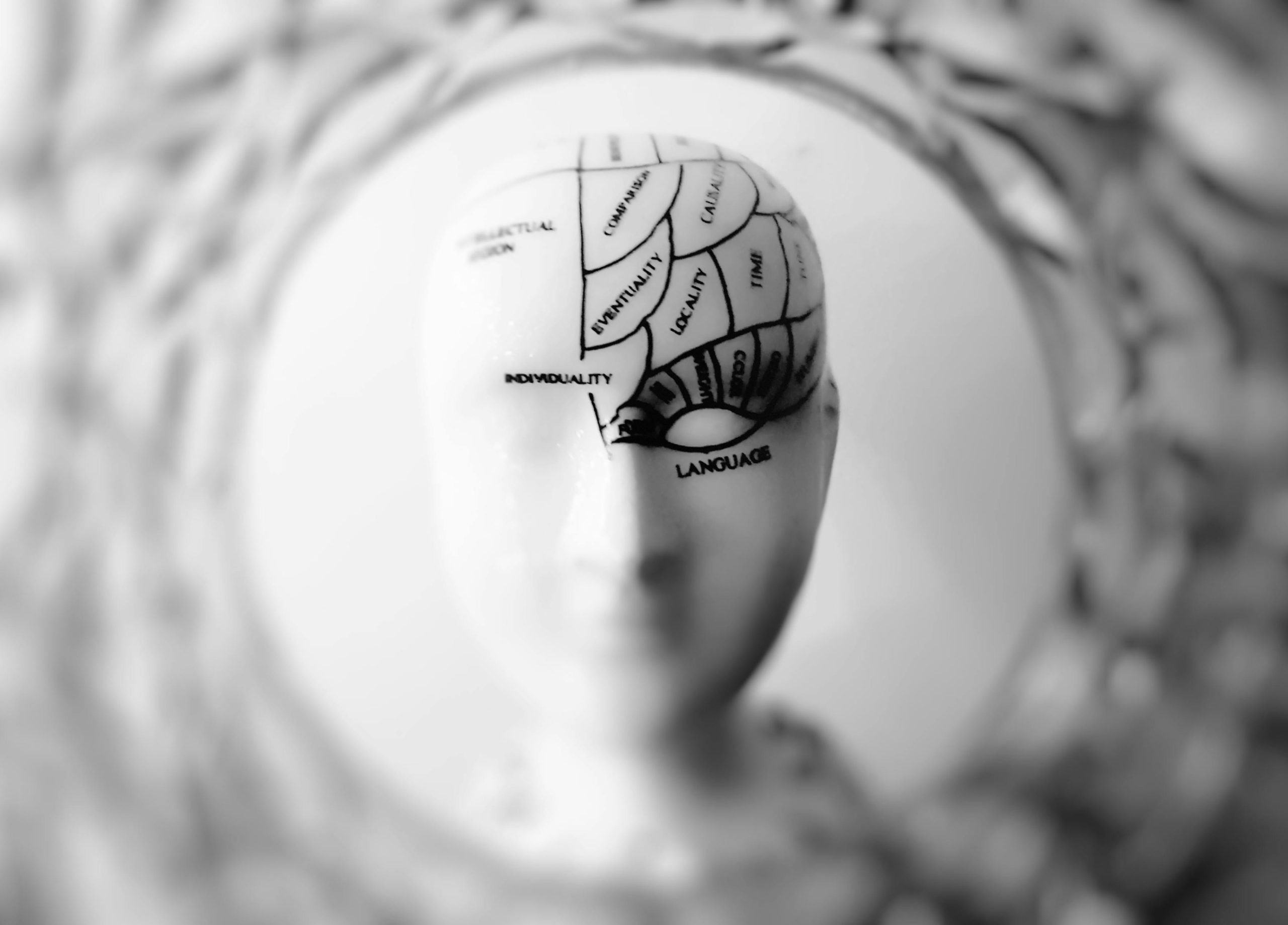
An ENFP with ADHD experiences those same Ne-driven attention shifts plus neurological difficulty with attention regulation regardless of task engagement. Even activities they find meaningful can become difficult to sustain. Their attention doesn’t just shift toward novelty, it actively resists staying with tasks that require sustained executive function, even when they want to maintain focus.
Consider how you respond when something genuinely captures your interest. An ENFP can usually maintain attention on engaging material for extended periods, though they might integrate information from multiple sources simultaneously. An ENFP with ADHD might struggle to sustain focus even on intrinsically motivating projects without external structure or medication support.
The distinction matters for strategy selection. If you’re ENFP without ADHD, you need environments and systems that work with Ne-driven processing. If you’re ENFP with ADHD, you need those accommodations plus specific executive function support that addresses the neurological components affecting attention regulation.
How Ne-Driven Attention Actually Works
Your Extraverted Intuition doesn’t wander randomly. It follows patterns of meaning and possibility that linear thinkers often can’t perceive. When you’re “distracted” during a meeting, you might be making connections between what’s being discussed and seven other relevant concepts that will inform better decision-making later.
Ne operates through rapid scanning and pattern matching. You notice similarities between seemingly unrelated domains. You spot possibilities others miss because they’re focused narrowly on the immediate task. Your attention appears scattered because you’re processing across a wider informational landscape than most productivity systems anticipate. Understanding cognitive function theory helps distinguish this natural information-gathering preference from attention deficits.
Your auxiliary Introverted Feeling (Fi) determines which of those Ne-generated possibilities matter enough to pursue. When something aligns with your values and feels authentically meaningful, you can achieve intense focus. When it doesn’t, maintaining attention feels like pushing water uphill. You’re not being lazy or undisciplined. You’re experiencing the natural operation of functions that prioritize authentic engagement over arbitrary persistence.
Understanding this helps explain why you can spend six hours researching something that fascinates you but can’t force yourself through twenty minutes of administrative work that feels meaningless. The capacity for sustained attention exists. The trigger for accessing it differs from what standard productivity advice assumes.
ADHD-Specific Patterns Beyond Personality
ADHD introduces executive function challenges that exist separately from ENFP information processing preferences. These include difficulty with working memory, task initiation independent of interest level, time perception inconsistencies, and emotional regulation tied to dopamine regulation rather than personality-based sensitivity.
Working memory differences mean you might forget instructions given thirty seconds ago, lose track of where you placed essential items minutes after setting them down, or struggle to hold multiple steps of a process in mind while executing them. An ENFP without ADHD might prefer not to focus on detailed sequential tasks, but can do so when necessary. ADHD creates neurological barriers to this regardless of preference or effort.

Task initiation with ADHD doesn’t just involve resistance to boring activities. It affects starting tasks you actively want to complete. You might sit at your desk, genuinely wanting to begin a project you find interesting, and still experience a neurological barrier to actually starting. For ENFPs, this compounds with the natural ENFP completion challenge where enthusiasm fades once novelty decreases. ADHD adds an executive function layer that persists even when interest remains high.
Time perception with ADHD operates inconsistently in ways that go beyond ENFP flexibility with schedules. You might lose three hours to a task you thought would take thirty minutes, or experience “time blindness” where you can’t accurately estimate how long activities will require. A 2019 study in Journal of Neural Transmission found individuals with ADHD show different patterns of neural activation in areas responsible for temporal processing and prospective timing.
Emotional dysregulation in ADHD relates to dopamine and norepinephrine function, not personality-based emotional depth. You might experience intense emotional responses that shift rapidly, difficulty managing frustration even over minor obstacles, or mood changes that don’t connect to external circumstances. An ENFP’s Fi-based emotional depth involves rich internal values processing. ADHD emotional dysregulation involves neurological differences in how emotions are regulated at a biochemical level. When ENFPs with ADHD experience stress-induced enthusiasm crashes, they’re often dealing with both Fi overwhelm and ADHD emotional regulation challenges simultaneously.
Systems That Work With This Processing Style
Building focus strategies for Campaigners means designing systems that leverage Ne’s pattern-seeking tendencies instead of fighting them. Your brain excels when it can make connections, spot possibilities, and integrate information from multiple sources. Productivity approaches that restrict this create unnecessary friction.
Multi-track project management works better than single-task focus for most individuals with this personality type. Keep three to five projects active simultaneously, each at different stages of development. When your attention shifts from one to another, you’re not getting distracted. You’re following Ne’s natural processing rhythm. Progress happens across the portfolio rather than through linear completion of individual items. This approach acknowledges the reality of brilliant but unfinished ENFP ideas and works with your cognitive patterns instead of fighting them.
Connection-based note-taking systems like mind mapping or networked thought tools align with how Ne processes information. Your notes don’t need to be linear or organized by traditional categories. They need to capture the web of relationships between ideas that your mind naturally perceives. This same pattern-seeking tendency shows up in ENFP communication patterns where you connect seemingly unrelated concepts mid-conversation.
Novelty rotation maintains engagement without forcing sustained attention on tasks that drain you. Structure your day with regular shifts between different types of work. Spend ninety minutes on creative development, switch to administrative tasks for thirty minutes, move to strategic planning for an hour. The variety feeds Ne’s need for fresh input while still accomplishing necessary work.
Meaning-first task framing helps overcome resistance to necessary but unstimulating work. Before starting administrative tasks, explicitly connect them to larger values or outcomes that matter to your Fi. Expense reports aren’t just tedious paperwork; they’re data that enables projects you care about. Email processing isn’t interruption management; it’s relationship maintenance with people whose work you respect.
ADHD-Specific Strategies for ENFPs
ENFPs with ADHD need the systems that work for ENFP processing plus additional executive function support. External structure compensates for working memory and task initiation challenges that won’t resolve through better alignment with personality preferences.
Visual task management makes essential information external to working memory. Digital tools like Trello or physical kanban boards create visible representations of what needs doing, reducing the cognitive load of remembering tasks. Color coding by project or priority adds another layer of quick-reference organization that doesn’t require memorization.

Time-boxing with external timers addresses time blindness. Set specific durations for activities and use visual or auditory timers to mark boundaries. Apps like Forest or physical time-cube timers provide constant external awareness of time passage that your internal perception might not reliably generate.
Body doubling leverages social presence to support task initiation and sustained attention. Working alongside someone else, even virtually through video co-working sessions, provides external accountability and reduces the neurological barrier to starting and maintaining focus on tasks.
Medication consideration becomes relevant when executive function challenges persist despite environmental accommodations and behavioral strategies. Many ENFPs with ADHD find that appropriate medication doesn’t suppress their ENFP enthusiasm or creativity. It reduces the neurological barriers that prevented them from actually executing the ideas their Ne generates.
Professional evaluation matters because self-diagnosis often misses the distinction between preference-based attention patterns and neurological executive function differences. A thorough ADHD assessment examines childhood history, multiple life domains, and specific neuropsychological functioning that personality frameworks don’t address. The American Psychiatric Association provides diagnostic criteria that clinicians use to distinguish ADHD from other attention-related patterns.
What Actually Drains Campaigner Focus
Understanding what depletes your capacity for sustained attention helps you design environments that maintain it. People with this personality type lose focus capacity through different mechanisms than other types, and misidentifying the drain leads to ineffective solutions.
Environments lacking novelty exhaust Ne faster than actual task difficulty. You can sustain attention through complex, challenging work if it offers new patterns to explore. Repetitive tasks that require identical actions drain your processing capacity even when they’re technically simple. The cognitive effort comes from maintaining focus despite Ne’s drive to seek fresh input.
Values misalignment creates Fi-based resistance that masquerades as attention difficulty. When work conflicts with your core values or feels inauthentic, sustaining focus requires constant override of your auxiliary function’s signals that this isn’t worth your energy. It’s not that you can’t focus. It’s that you’re fighting your own judgment system about what deserves attention.
Social processing demands exceed what many with this type anticipate. Despite being extraverted, reading group dynamics, maintaining enthusiasm that energizes others, and processing the emotional subtext of interactions requires significant cognitive resources. After intense social engagement, your capacity for other focused work decreases not because you’re drained of energy, but because you’ve depleted specific processing capacity.
Decision fatigue affects those with this cognitive style more intensely because Ne generates multiple viable options for nearly every choice. You’re not indecisive by nature. You’re genuinely perceiving numerous possibilities that all have merit. Each decision requires Fi evaluation of which option aligns best with your values, creating cumulative depletion across a day of choices.
Building Sustainable Focus Practices
Sustainable focus for Campaigners doesn’t come from forcing yourself into neurotypical productivity molds. It emerges from designing work patterns that leverage your actual cognitive strengths while building specific capacity where your processing naturally requires support.
Start with self-observation rather than external productivity metrics. Track when you achieve genuine focus, what you were working on, what conditions supported that state, and what preceded it. Your pattern of optimal focus conditions will differ from standard advice and from others who share your type. What matters is identifying your specific version of this processing style at its best.
Build capacity gradually through deliberate practice with tasks slightly beyond your current sustained attention threshold. Choose work you find genuinely engaging, set a timer for five minutes past your typical attention span for that activity, and practice maintaining focus through the discomfort. Capacity grows through progressive challenge, not through forcing yourself to sit through hours of work that depletes rather than develops your focus muscles.

Create transition rituals between focus modes that honor your need for mental reset while managing time effectively. Spend three minutes between tasks doing something completely different that gives Ne fresh input: walk outside, switch to a different room, engage with an unrelated article or video. These aren’t procrastination. They’re deliberate reset mechanisms that maintain processing capacity.
Regular evaluation of which work deserves your focused attention prevents wasting limited focus capacity on tasks that should be delegated, automated, or eliminated. People with this type often spend focus energy on activities they can perform but that don’t require their specific strengths. If something doesn’t benefit from your Ne-Fi combination, it’s probably not worth the attention cost.
When Professional Support Makes Sense
Distinguishing between personality-based attention patterns and clinical ADHD often requires professional evaluation. Self-assessment helps identify patterns, but formal diagnosis provides access to treatment options and accommodations that can significantly improve functioning.
Consider professional evaluation if attention difficulties persist despite environmental modifications, affect multiple life domains including ones you find intrinsically motivating, existed before age twelve and continue into adulthood, or create significant impairment in work, relationships, or personal goals.
ADHD coaching specifically for this personality type combines executive function support with strategies that work with your personality preferences. A coach familiar with both ADHD and MBTI can help design systems that address neurological challenges while leveraging your natural Campaigner strengths. Resources like those from CHADD (Children and Adults with ADHD) provide evidence-based approaches to executive function development that can be adapted to your specific ENFP processing patterns.
Medication evaluation becomes relevant when behavioral strategies and environmental accommodations don’t adequately address executive function challenges. Many people with this personality worry that ADHD medication will dampen their enthusiasm or creativity. A 2018 study published in the Journal of Clinical Psychiatry found no evidence that appropriate ADHD medication reduces creativity in individuals who exhibited creative strengths pre-medication.
Therapy addressing the emotional impact of chronic attention difficulties helps separate your identity from your focus challenges. Years of being told you’re not trying hard enough, not disciplined enough, or not serious enough creates internalized narratives that persist even after you understand the neurological or personality-based sources of your attention patterns.
Explore more ENFP strategies in our complete MBTI Extroverted Diplomats Hub.
About the Author
Keith Lacy is an introvert who’s learned to embrace his true self later in life. He spent two decades building marketing strategies for Fortune 500 clients while privately struggling with the gap between external expectations and internal reality. His work here helps others skip the years of pretending and move straight to building lives that actually fit who they are.
Frequently Asked Questions
Do all ENFPs have ADHD?
No. ENFP describes personality-based preferences for gathering and processing information through Extraverted Intuition and Introverted Feeling. ADHD describes neurological differences in executive function and attention regulation that exist independently of personality type. Some ENFPs have ADHD, creating an overlap of characteristics, but the majority of ENFPs do not meet clinical criteria for ADHD. The confusion arises because both involve pattern-seeking attention, difficulty with routine tasks, and energy fluctuations based on engagement level.
How can I tell if I’m ENFP with ADHD or just ENFP?
ENFPs without ADHD can redirect attention when tasks offer genuine engagement or meaningful connection to their values. ENFPs with ADHD struggle with attention regulation even on intrinsically motivating activities and experience executive function challenges across multiple life domains. ADHD symptoms must have been present before age twelve, persist into adulthood, and create significant impairment beyond what personality preferences explain. Professional evaluation through comprehensive neuropsychological testing provides the most reliable distinction.
Will ADHD medication change my ENFP personality?
Appropriate ADHD medication addresses neurological executive function without altering personality-based preferences. Research shows that stimulant medication for ADHD improves attention regulation and reduces impulsivity without dampening creativity or enthusiasm in individuals who exhibited these traits before medication. Your ENFP pattern-seeking, values-based decision-making, and enthusiasm for novel possibilities reflect how you prefer to process information, not dopamine dysregulation. Medication corrects the neurological barriers that prevented you from effectively using your ENFP strengths.
Why do I hyperfocus on some things but can’t focus on others?
Hyperfocus in ADHD occurs when activities provide sufficient dopamine stimulation to override typical attention regulation difficulties. For ENFPs, this combines with Fi-driven values alignment. Tasks that offer novelty, personal meaning, and immediate feedback can trigger hyperfocus states where you lose track of time and external needs. Tasks lacking these elements require constant executive function effort to maintain attention. The inconsistency isn’t lack of discipline. It’s how dopamine-mediated attention interacts with personality-based engagement triggers.
Can I be successful as an ENFP with ADHD without medication?
Success without medication depends on the severity of your executive function challenges and the accommodations available in your environment. Some ENFPs with mild ADHD manage effectively through behavioral strategies, environmental design, and career choices that align with their processing patterns. Others find that medication provides the executive function foundation necessary to implement behavioral strategies effectively. Medication isn’t required for success, but it’s one evidence-based tool that significantly helps many people achieve their goals while reducing daily struggle.