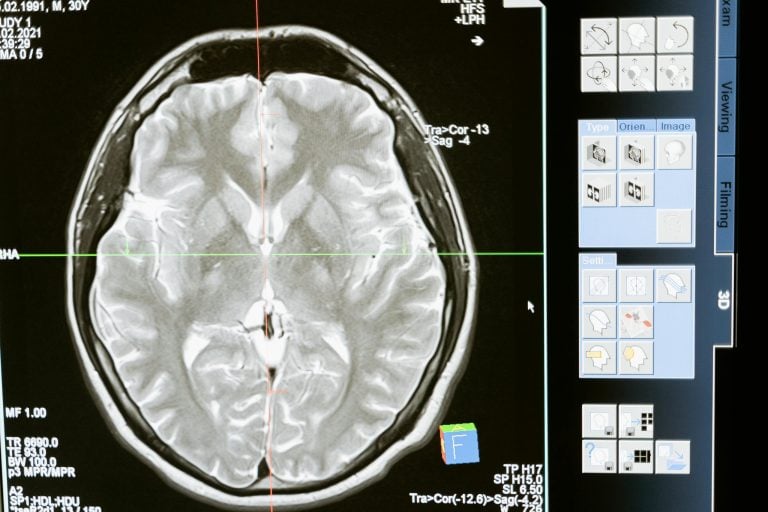

Receiving an autism diagnosis at 40 as an ENFP can feel like finally finding the missing piece of a puzzle you’ve been working on your entire life. Many ENFPs discover their autism later in life because their natural enthusiasm, social curiosity, and adaptability can mask traditional autism markers, leading to years of wondering why certain aspects of life feel more challenging than they appear for others.
The intersection of ENFP personality traits and autism creates a unique experience that’s often misunderstood. While ENFPs are known for their extroverted energy and people-focused nature, autistic ENFPs may find themselves in a constant dance between their genuine desire for connection and their need for predictability and sensory regulation.

Understanding how ENFP traits and autism intersect requires looking beyond surface behaviors to recognize the deeper patterns that shape daily experience. The MBTI Extroverted Diplomats hub explores the full spectrum of ENFP and ENFJ experiences, and autism adds another layer of complexity that deserves careful examination.
Why Do ENFPs Receive Late Autism Diagnoses?
The traditional autism diagnostic criteria were developed primarily based on observations of autistic boys and men, creating a framework that often misses how autism presents in different personality types, particularly those who appear socially engaged and emotionally expressive.
What’s your personality type?
Take our free 40-question assessment and get a detailed personality profile with dimension breakdowns, context analysis, and personalised insights.
Discover Your Type8-12 minutes · 40 questions · Free
ENFPs naturally possess several traits that can camouflage autism symptoms. Their genuine interest in people can mask social communication differences, while their adaptability helps them develop sophisticated masking strategies without realizing they’re doing so. The ENFP’s dominant function, Extraverted Intuition (Ne), creates an external focus on possibilities and connections that can appear neurotypical even when the internal experience is quite different.
During my years running advertising agencies, I worked with several team members who I now recognize were likely autistic ENFPs. They brought incredible creativity and genuine enthusiasm to projects, but I noticed they needed very specific types of support around transitions, feedback delivery, and sensory environments. At the time, I attributed these needs to individual preferences rather than recognizing them as potential autism-related accommodations.
Research from the University of Cambridge suggests that autism in women and individuals with certain personality profiles is significantly underdiagnosed, with many receiving their first diagnosis in adulthood. A comprehensive analysis of sex differences in autism diagnosis found that women are often diagnosed an average of 2-3 years later than men, and this delay is even more pronounced for individuals whose autism presents alongside high social motivation and emotional expressiveness.

How Does Autism Present Differently in ENFPs?
Autistic ENFPs often experience what researchers call “compensated autism,” where strong social motivation and cognitive abilities help mask underlying challenges. This doesn’t mean the challenges aren’t real or significant, but rather that they’re expressed in ways that don’t fit traditional diagnostic expectations.
The ENFP’s auxiliary function, Introverted Feeling (Fi), creates an internal value system that can actually support autism-related needs for authenticity and consistency. However, this same function can make social masking feel particularly exhausting because it requires acting against deeply held personal values about genuine self-expression.
Sensory processing differences in autistic ENFPs might manifest as seeming contradictions. They may seek out social stimulation and new experiences while simultaneously struggling with specific textures, sounds, or lighting conditions. This can create confusion for both the individual and those around them, as their sensory needs don’t follow predictable patterns.
Executive functioning challenges often appear as difficulty with routine tasks despite strong performance in creative or people-focused areas. An autistic ENFP might excel at brainstorming sessions and relationship building while struggling with email management, appointment scheduling, or maintaining consistent daily routines.
Research from the Autism Research Centre at Cambridge has identified several key areas where autism presents differently in individuals with strong social motivation, including more subtle social communication differences, internalized rather than externalized repetitive behaviors, and special interests that focus on people, relationships, or social concepts rather than traditional objects or systems.
What Are the Common Masking Strategies ENFPs Use?
ENFPs often develop sophisticated masking strategies without conscious awareness, driven by their natural desire to connect with others and their intuitive ability to read social situations. These strategies can be so effective that even close friends and family members may not recognize underlying autism-related challenges.
Social scripting becomes second nature for many autistic ENFPs. They develop extensive mental libraries of appropriate responses, conversation starters, and social behaviors that they can deploy automatically in various situations. Unlike more obvious scripting, ENFP masking often involves emotional amplification, where they consciously increase their expressiveness to meet social expectations.

One client I worked with described her masking as “being a professional enthusiast.” She had learned to channel her genuine ENFP energy into socially acceptable forms while suppressing stims, avoiding certain sensory triggers, and managing her need for routine in ways that appeared spontaneous to others. The exhaustion from maintaining this performance eventually led her to seek evaluation.
Hyperfocus masking is particularly common among autistic ENFPs. They may throw themselves intensely into social relationships or work projects, appearing highly engaged and successful while internally struggling with overwhelm, sensory overload, or the cognitive demands of constant social processing.
Many autistic ENFPs become expert at redirecting conversations away from topics they find challenging while steering toward their areas of interest or expertise. This can make them appear highly socially skilled while actually representing a sophisticated avoidance strategy.
Research from peer-reviewed studies on autism camouflaging indicates that masking strategies often develop as early as childhood but become more refined and automatic over time. The research found that individuals who mask extensively often report feeling like they’re “performing” rather than being authentic in social situations.
What Challenges Do Autistic ENFPs Face in Relationships?
Romantic and close friendships can be particularly complex for autistic ENFPs because their genuine desire for deep connection conflicts with autism-related challenges around communication, sensory needs, and routine disruption. Partners may struggle to understand why someone who seems so socially capable has specific needs around predictability and sensory accommodation.
The ENFP tendency toward idealization can intensify autism-related challenges with social communication. They may create detailed mental models of relationships that don’t account for the unpredictability of human behavior, leading to confusion and distress when interactions don’t match their expectations.
Emotional regulation becomes particularly challenging in intimate relationships where masking is reduced. Partners may see significant differences between the autistic ENFP’s public persona and their private struggles with sensory overwhelm, routine changes, or social processing fatigue.
Many autistic ENFPs report feeling misunderstood when they need space or routine after intense social periods. Their partners may interpret this as rejection or inconsistency rather than recognizing it as necessary self-regulation. The Autism Speaks resource on autism and relationships notes that relationship challenges often center around communication style differences and the need for explicit rather than implied expectations.
Friendship dynamics can be equally complex. Autistic ENFPs may struggle with the unspoken rules of social reciprocity while genuinely caring about their friends’ wellbeing. They might provide intense emotional support during crises but need explicit guidance about appropriate boundaries and social expectations during calmer periods.

How Can ENFPs Navigate Career Challenges After Diagnosis?
Understanding autism as an ENFP can revolutionize career satisfaction by providing clarity about which work environments and roles truly support your neurological needs rather than requiring constant adaptation. Many autistic ENFPs discover they’ve been forcing themselves into career paths that look good on paper but create daily stress and exhaustion.
The traditional ENFP career advice of seeking variety and people-focused roles needs modification when autism is part of the picture. While social connection remains important, autistic ENFPs often need more structure, predictable communication patterns, and sensory-friendly environments than typical career guides suggest.
Remote work or flexible scheduling can be particularly beneficial for autistic ENFPs who need to manage sensory input and social energy throughout the day. The ability to control lighting, sound, and interruption patterns while still engaging in meaningful work often leads to significantly improved performance and job satisfaction.
In my agency experience, the most successful team members who I now recognize as likely autistic ENFPs thrived when given clear project parameters, regular but predictable feedback, and the autonomy to manage their own work environment and schedule. They brought incredible creativity and dedication to projects when their neurological needs were accommodated.
Workplace accommodations for autistic ENFPs might include written communication for important information, advance notice of schedule changes, quiet spaces for breaks, and permission to use headphones or other sensory tools. The Job Accommodation Network provides extensive resources for autism-related workplace accommodations that can be adapted for different personality types.
Many autistic ENFPs find success in roles that combine their people skills with their need for structure, such as training and development, user experience research, counseling or therapy, or project management positions that involve coordinating between teams rather than constant networking.
What Self-Care Strategies Work Best for Autistic ENFPs?
Self-care for autistic ENFPs requires balancing their genuine need for social connection with their neurological needs for predictability, sensory regulation, and processing time. This balance looks different from traditional introvert or extrovert self-care approaches because it must account for both social energy and autism-related factors.
Sensory self-care becomes crucial for managing daily overwhelm. This might include identifying specific textures, sounds, or lighting conditions that either support or drain energy, then actively designing environments that promote regulation. Many autistic ENFPs benefit from having sensory tools readily available, such as noise-canceling headphones, fidget items, or specific clothing textures.
Social energy management requires more intentional planning than typical ENFP advice suggests. While connection remains important, autistic ENFPs often need to schedule social interactions with built-in recovery time and clear endpoints. This prevents the social exhaustion that can lead to shutdown or meltdown experiences.

Routine flexibility becomes an art form for autistic ENFPs. While they need more structure than neurotypical ENFPs, rigid routines can feel constraining to their Ne-driven nature. Creating “flexible structure” involves establishing consistent frameworks with room for variation within predictable boundaries.
Special interest integration can provide both self-care and energy restoration. Unlike stereotypical autism special interests, ENFP special interests often focus on people, relationships, personal development, or creative pursuits. Allowing time for deep engagement with these interests can be both restorative and fulfilling.
The Autism Mental Health Foundation emphasizes that self-care strategies must be individualized based on specific sensory profiles, social needs, and autism presentations. What works for one autistic person may not work for another, particularly when personality type differences are considered.
How Does Late Diagnosis Impact Identity and Self-Understanding?
Receiving an autism diagnosis at 40 often triggers a complete reframing of personal history and identity. Many autistic ENFPs describe the experience as simultaneously liberating and overwhelming, as they recognize patterns that make sense while grieving the years of self-blame and confusion.
The intersection of ENFP identity and autism can create unique challenges around authenticity. ENFPs value being genuine and true to themselves, but many discover they’ve been masking so automatically that they’re not sure which behaviors represent their authentic self versus learned coping strategies.
Rewriting personal narratives becomes a crucial part of post-diagnosis adjustment. Experiences that were previously attributed to personal failings, character flaws, or simply “being different” can be reframed through the lens of neurodivergence. This often brings relief but can also trigger grief for the support and understanding that wasn’t available earlier.
I’ve observed that many people who receive late autism diagnoses go through a period of intense self-reflection and identity reconstruction. This process can be particularly complex for ENFPs because their natural tendency toward self-exploration and personal growth amplifies both the insights and the emotional intensity of this discovery.
Family and relationship dynamics often shift after diagnosis as both the individual and their loved ones adjust their understanding of past interactions and future needs. Some relationships become stronger through increased understanding, while others may struggle with the changes in expectations and accommodation needs.
Research from the Journal of Autism and Developmental Disorders indicates that late-diagnosed autistic adults often experience significant improvements in mental health and life satisfaction once they understand their neurological differences and can access appropriate support and accommodations.
Explore more ENFP insights and support resources in our complete MBTI Extroverted Diplomats Hub.
About the Author
Keith Lacy is an introvert who’s learned to embrace his true self later in life. After running advertising agencies for 20+ years, working with Fortune 500 brands and managing teams in high-pressure environments, Keith discovered the power of understanding personality types and neurodivergence in creating authentic success. As an INTJ who spent years trying to match extroverted leadership expectations, he now helps others understand their unique strengths and build careers that energize rather than drain them. His insights come from both professional experience managing diverse teams and personal experience navigating introversion in an extroverted business world.
Frequently Asked Questions
Can ENFPs really be autistic if they’re extroverted?
Yes, autism and extroversion can coexist. The ENFP’s extroverted nature reflects their cognitive preference for external processing and social connection, which doesn’t conflict with autism. Many autistic ENFPs have genuine social motivation and enjoy people interaction while still experiencing autism-related challenges with communication, sensory processing, and routine changes. The key difference is that their social engagement may require more conscious effort and recovery time than for neurotypical extroverts.
Why do ENFPs often receive autism diagnoses so much later than other personality types?
ENFPs are skilled at masking autism symptoms because their natural adaptability, social curiosity, and emotional expressiveness can camouflage traditional autism markers. Their dominant Ne function helps them read social situations and develop sophisticated coping strategies, while their auxiliary Fi drives them to maintain authentic connections even when it requires significant effort. This combination often leads to what appears to be neurotypical social functioning while the individual experiences internal challenges that go unrecognized.
What’s the difference between ENFP social needs and autism-related social challenges?
ENFPs genuinely enjoy social connection and draw energy from meaningful interactions with others. However, autistic ENFPs may struggle with the unpredictable aspects of social communication, need more explicit guidance about social expectations, and require recovery time after intense social periods. They may also have difficulty with nonverbal communication, social reciprocity rules, or managing sensory input in social environments, even while genuinely wanting to connect with others.
How can partners and family members support an ENFP after autism diagnosis?
Support involves understanding that the ENFP’s social enthusiasm and autism needs aren’t contradictory but require balance. This might include respecting their need for routine and predictability, providing clear communication about expectations and changes, accommodating sensory needs, and recognizing that masking in social situations can be exhausting even when it appears effortless. Partners should also understand that the diagnosis explains past behaviors rather than creating new limitations.
What career accommodations work best for autistic ENFPs?
Effective accommodations often include flexible scheduling that allows for social energy management, written communication for important information, advance notice of changes, sensory-friendly work environments, and roles that combine people interaction with clear structure and expectations. Many autistic ENFPs thrive in positions that involve helping others, creative problem-solving, or facilitating communication between teams, provided they have adequate support for their autism-related needs around routine, sensory input, and processing time.