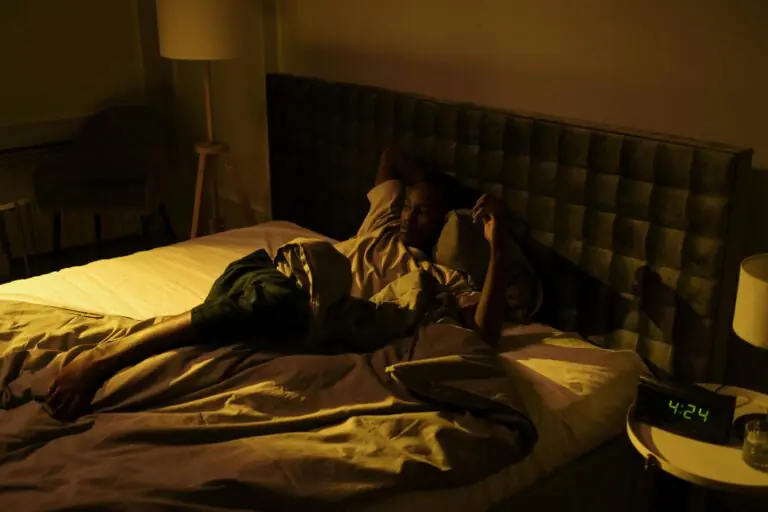
Understanding how location affects ENFP well-being requires looking beyond surface-level social needs. Our ENFP Personality Type hub explores the full spectrum of what it means to be an ENFP, but geographic isolation creates a particularly complex web of challenges that deserve deeper examination.

Why Do ENFPs Struggle More With Geographic Isolation?
ENFPs are wired for connection in ways that make geographic isolation particularly devastating. Their dominant cognitive function, Extraverted Intuition, literally feeds on external stimulation and diverse perspectives. When that external world becomes limited or repetitive, ENFPs experience what I call “cognitive starvation.”
What’s your personality type?
Take our free 40-question assessment and get a detailed personality profile with dimension breakdowns, context analysis, and personalised insights.
Discover Your Type8-12 minutes · 40 questions · Free
During my years managing creative teams, I noticed that ENFPs consistently struggled when working remotely from small towns or rural areas. While other personality types adapted well to digital communication, ENFPs seemed to lose their creative spark. They needed the unpredictable energy of in-person brainstorming, the spontaneous conversations that sparked new ideas, the ability to read micro-expressions and feed off collective enthusiasm.
The auxiliary function, Introverted Feeling (Fi), compounds this challenge. Fi seeks authentic connections and shared values, but geographic isolation often means settling for surface-level relationships or compromising on core beliefs just to have social contact. This creates an internal conflict where ENFPs feel simultaneously lonely and inauthentic.
Research from the University of California, Berkeley found that individuals with high openness to experience (a trait strongly correlated with the ENFP profile) showed greater psychological distress when living in environments with limited cultural and social diversity. The study tracked 2,400 participants over five years, revealing that personality-environment mismatch significantly predicted depression and anxiety symptoms.
Geographic isolation also triggers the ENFP’s tertiary function, Extraverted Thinking (Te), in unhealthy ways. Without adequate Ne stimulation, ENFPs often become hyper-focused on productivity and achievement as a way to feel valuable. They might throw themselves into work projects or online ventures, but this Te-driven activity lacks the joy and inspiration that typically motivates ENFPs.

What Are the Hidden Signs of ENFP Location Loneliness?
Location loneliness in ENFPs often masquerades as other issues, making it difficult to identify and address. Unlike obvious social isolation, geographic loneliness can persist even when ENFPs maintain active social lives online or have regular contact with family and friends.
The first sign is creative stagnation. ENFPs naturally generate ideas through interaction with their environment and the people in it. When that environment becomes static or limited, their creative output often drops dramatically. They might find themselves recycling old ideas, feeling uninspired by projects that would normally excite them, or struggling to start new ventures.
Energy depletion follows a different pattern in geographic isolation. Instead of the typical ENFP cycle of high energy followed by necessary rest, isolated ENFPs often experience chronic low-grade fatigue. They have energy for basic tasks but lack the enthusiasm and vigor that characterizes healthy ENFP functioning.
Decision paralysis becomes more pronounced. ENFPs typically process decisions by talking through options with others, gathering perspectives, and feeling out the emotional resonance of different choices. Geographic isolation forces them to make decisions in a vacuum, leading to overthinking, second-guessing, and procrastination on important life choices.
Emotional numbness can develop gradually. ENFPs are naturally emotionally expressive and responsive, but geographic isolation can lead to a flattening of emotional experience. They might notice feeling less excited about good news, less moved by music or art, or generally disconnected from their emotional responses.
Identity confusion emerges when ENFPs lack diverse mirrors for self-reflection. ENFPs often understand themselves through their interactions with others and their impact on different people. Geographic isolation can leave them feeling uncertain about who they are, what they want, or what makes them unique.
Physical symptoms shouldn’t be overlooked. A study published in the Journal of Health Psychology found that individuals experiencing social isolation showed increased inflammation markers, disrupted sleep patterns, and compromised immune function. For ENFPs, these physical manifestations often appear before they recognize the emotional impact of their isolation.
How Does Geographic Isolation Affect ENFP Cognitive Functions?
Understanding how isolation impacts each cognitive function helps explain why ENFPs struggle so intensely with geographic limitations. Each function in the ENFP stack requires specific types of environmental input to operate optimally.
Extraverted Intuition (Ne) suffers most dramatically from geographic isolation. Ne thrives on novelty, diverse perspectives, and unexpected connections between ideas. In isolated environments, Ne becomes starved for stimulation. ENFPs might find themselves obsessively consuming content online, constantly seeking new podcasts, articles, or videos, but this passive consumption cannot replace the active exchange that Ne requires.
When Ne is understimulated, ENFPs often experience what cognitive function theory calls “inferior Si grip.” They become unusually focused on past mistakes, physical discomfort, or repetitive routines. This is the ENFP’s psyche attempting to find stability when their dominant function cannot provide its usual creative energy.
Introverted Feeling (Fi) becomes hyperactive in isolation. Without external validation and diverse relationship dynamics to calibrate against, Fi can become overly self-referential. ENFPs might find themselves spiraling into intense self-analysis, becoming hypersensitive to perceived slights, or developing rigid opinions about right and wrong based on limited perspective.

The tertiary Extraverted Thinking (Te) function often compensates for Ne deficiency by becoming overly dominant. Isolated ENFPs might become obsessed with productivity systems, goal achievement, or external measures of success. They lose touch with their natural inspiration-driven approach to accomplishment and instead force themselves through sheer willpower.
Dr. Linda Berens, a leading researcher in cognitive function development, notes that personality types experiencing environmental mismatch often show “function stack dysregulation.” For ENFPs in geographic isolation, this typically manifests as Ne suppression, Fi amplification, and unhealthy Te overuse.
What Strategies Actually Help ENFPs Cope With Geographic Isolation?
Effective coping strategies for geographically isolated ENFPs must address their specific cognitive needs rather than generic loneliness advice. The goal isn’t just social contact but the right type of stimulation for ENFP cognitive functions.
Creating artificial diversity becomes essential. ENFPs need to deliberately seek out different perspectives, even if they’re not physically present. This might mean joining online communities focused on completely different interests, scheduling regular video calls with friends from various backgrounds, or consuming content from creators who challenge their existing worldview.
Structured brainstorming sessions can partially substitute for spontaneous Ne stimulation. ENFPs can schedule regular “idea dates” with friends via video call, join virtual mastermind groups, or participate in online creative challenges. The key is making these interactions focused on generating new possibilities rather than just social chatting.
Travel becomes more than recreation for isolated ENFPs. Even short trips to nearby cities, attending workshops or conferences, or visiting friends in different locations can provide crucial cognitive stimulation. The goal is to break the pattern of environmental predictability that starves Ne.
Project-based collaboration offers another avenue for connection. ENFPs can seek out opportunities to work on creative projects with people from different locations. This might include writing collaborations, online art projects, volunteer work for causes they care about, or starting passion projects that naturally attract like-minded collaborators.
Environmental enrichment within geographic constraints helps maintain cognitive stimulation. ENFPs can regularly rearrange their living spaces, explore different areas within their region, try new restaurants or activities, or create themed weeks where they immerse themselves in different cultures or topics.
I learned this during a particularly challenging period when I was consulting for a client in a small midwestern town. The isolation was affecting my creativity and decision-making ability. I started scheduling weekly “perspective calls” with former colleagues from different industries and regions. These weren’t social calls but focused conversations about current projects, industry trends, and creative challenges. The difference in my energy and idea generation was remarkable within just a few weeks.

How Can ENFPs Build Meaningful Connections Despite Distance?
Building authentic connections from a geographically isolated position requires ENFPs to be more intentional and strategic than their natural preference for spontaneous relationship development. The challenge is creating depth and authenticity in relationships that begin and often remain primarily digital.
Vulnerability-based connection accelerates relationship depth. ENFPs can share genuine struggles, creative processes, and personal growth journeys with online connections. This moves relationships beyond surface-level interaction more quickly than traditional face-to-face relationship building might allow.
Shared creation projects foster authentic bonds. ENFPs can initiate collaborative creative projects, start online book clubs, organize virtual creative challenges, or co-create content with people who share their interests. Working together toward a common creative goal builds connection more effectively than purely social interaction.
Regular check-ins with diverse contacts maintain relationship variety. ENFPs can establish weekly or monthly calls with friends from different life phases, professional backgrounds, or geographic locations. The key is maintaining contact with people who bring different perspectives and energy to conversations.
Interest-based communities provide natural connection points. ENFPs can join online groups focused on their passions, whether that’s sustainable living, creative writing, entrepreneurship, or social causes. The shared interest provides a foundation for meaningful conversation that goes beyond small talk.
Mentorship relationships offer structured depth. ENFPs can seek out mentors in their areas of interest or offer mentorship to others. These relationships provide regular, meaningful interaction with built-in purpose and progression.
Research from Stanford University’s Center for Compassion and Altruism found that relationships built around shared purpose and mutual support showed greater satisfaction and longevity than those based purely on social enjoyment. For geographically isolated ENFPs, this suggests focusing on connections that involve mutual growth and contribution.
When Should ENFPs Consider Relocating for Better Social Connection?
The decision to relocate for social and creative fulfillment is complex for ENFPs, who often struggle with commitment and fear of missing out on other possibilities. However, geographic location significantly impacts ENFP well-being, making relocation a legitimate consideration for mental health and personal growth.
Consider relocation when isolation is affecting core life areas. If geographic isolation is impacting career advancement, creative output, romantic relationships, or overall life satisfaction for more than six months despite active coping efforts, the environment itself may be the limiting factor.
Evaluate the cost-benefit ratio realistically. ENFPs often underestimate the ongoing psychological cost of geographic isolation while overestimating the practical barriers to relocation. Factor in the long-term impact on creativity, career growth, and relationship opportunities when weighing relocation decisions.
Test potential locations before committing. ENFPs can spend extended time in potential new locations, perhaps working remotely for a month or taking extended visits. This allows them to experience the social and creative energy of a place before making permanent changes.
Look for environments that match ENFP needs specifically. This typically means areas with cultural diversity, creative communities, educational institutions, or innovation hubs. ENFPs thrive in environments where ideas are valued, creativity is supported, and diverse perspectives are readily available.
Consider life stage and priorities. Young ENFPs might prioritize vibrant creative communities and diverse social scenes, while ENFPs with families might seek areas with good schools and family-friendly creative opportunities. The key is matching environment to current life priorities while maintaining cognitive stimulation.
Plan for transition challenges. ENFPs often struggle with the practical aspects of major life changes. Create detailed plans for the logistical aspects of relocation while maintaining flexibility for the inevitable adjustments and discoveries that come with new environments.

How Can ENFPs Maintain Mental Health During Extended Isolation?
Mental health maintenance for geographically isolated ENFPs requires specific strategies that address their unique psychological needs. Traditional mental health advice often focuses on introverted coping strategies that may not serve ENFP cognitive patterns effectively.
Structured social stimulation prevents cognitive stagnation. ENFPs can schedule regular video calls, participate in online events, join virtual coworking sessions, or attend digital workshops. The key is making these interactions regular and varied rather than sporadic and repetitive.
Creative expression becomes a mental health necessity. ENFPs need outlets for their ideas and emotions, whether through writing, art, music, or other creative mediums. Regular creative practice helps process the complex emotions that arise from isolation while maintaining connection to their authentic selves.
Physical activity with variety supports both physical and mental health. ENFPs benefit from changing their exercise routines regularly, trying new activities, or finding ways to make physical activity social through virtual fitness classes or outdoor activities with others when possible.
Professional support may be necessary. ENFPs experiencing significant distress from geographic isolation can benefit from therapy, particularly with providers who understand personality type differences and the unique challenges of extraverted types in isolation.
Mindfulness practices adapted for ENFP needs help manage anxiety and depression. Traditional meditation might feel too restrictive for ENFPs, but walking meditation, creative visualization, or mindfulness practices that incorporate movement and variety can be more effective.
The National Institute of Mental Health reports that individuals experiencing chronic social isolation show increased rates of depression, anxiety, and cognitive decline. For ENFPs, early intervention through structured social connection and creative expression can prevent these more serious mental health consequences.
Explore more resources for ENFP challenges and growth in our complete MBTI Extroverted Diplomats Hub.
About the Author
Keith Lacy is an introvert who’s learned to embrace his true self later in life. After 20+ years running advertising agencies and working with Fortune 500 brands, he now helps introverts and personality-aware individuals build careers and relationships that energize rather than drain them. His approach combines practical business experience with deep insights into personality psychology and human behavior.
Frequently Asked Questions
How long does it typically take for geographic isolation to affect ENFP mental health?
ENFPs typically begin experiencing negative effects from geographic isolation within 2-3 months, with more serious impacts developing after 6-12 months of limited social and creative stimulation. The timeline varies based on individual resilience, coping strategies, and the severity of isolation.
Can online relationships truly satisfy ENFP social needs?
Online relationships can partially meet ENFP social needs, especially when they involve regular video interaction, collaborative projects, and meaningful conversation. However, they typically cannot fully replace in-person interaction, particularly for the spontaneous energy exchange that ENFPs crave.
What are the warning signs that geographic isolation is becoming harmful for an ENFP?
Key warning signs include persistent creative blocks, chronic low energy, difficulty making decisions, emotional numbness, identity confusion, and physical symptoms like disrupted sleep or frequent illness. If multiple symptoms persist for several weeks, intervention is needed.
How do ENFPs differ from other personality types in their response to geographic isolation?
ENFPs typically struggle more than introverted types because their dominant function requires external stimulation. Unlike other extraverted types, ENFPs specifically need diverse perspectives and creative interaction, not just social contact. They also tend to internalize isolation as personal failure rather than environmental circumstance.
What should ENFPs look for when choosing a new location to combat isolation?
ENFPs should prioritize areas with cultural diversity, creative communities, educational institutions, innovation hubs, and opportunities for meaningful collaboration. The presence of like-minded individuals who value creativity, personal growth, and authentic connection is more important than population size alone.