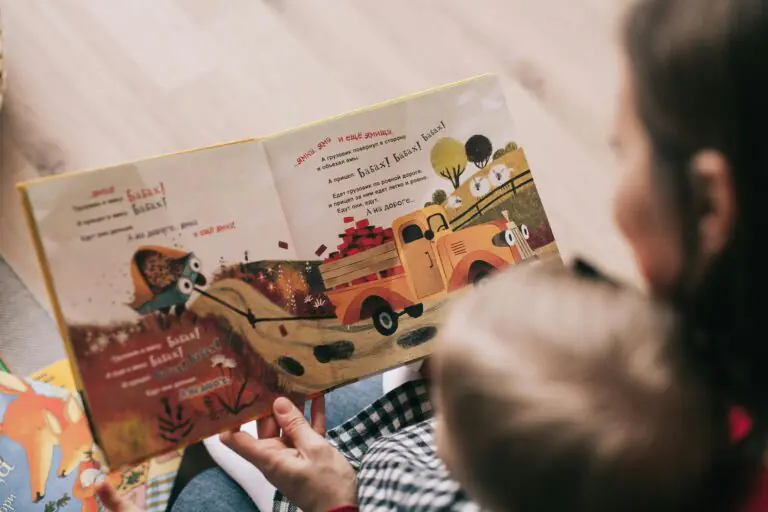

ENFPs show love by making you feel like the most interesting person in the room, pursuing your dreams alongside you, and remembering every small detail you mentioned three conversations ago. Their love is expressive, spontaneous, and deeply personal. It comes through in enthusiastic support, creative gestures, quality time, words of affirmation, and a fierce loyalty that surprises people who only see their outgoing surface.
Watching an ENFP love someone well is genuinely striking. I say that as an INTJ who spent decades in advertising agencies surrounded by people across the personality spectrum. My account teams were full of ENFPs, and I noticed early on that their relationships, both with clients and colleagues, had a particular quality. They didn’t just connect with people. They invested in them. They remembered the client’s daughter was applying to colleges. They noticed when a junior copywriter seemed deflated and made a point to pull them aside. Their affection was never passive.
That observation stayed with me. Because as someone wired for internal reflection, I process connection quietly. I notice details, filter meaning through layers of observation, and tend to show care through action rather than expression. Watching ENFPs operate was like seeing a completely different emotional language, one that was loud and warm and unmistakably present. Understanding that language matters, whether you’re an ENFP trying to recognize your own patterns, or someone in a relationship with one trying to understand what you’re receiving.
If you haven’t confirmed your type yet, it’s worth taking a few minutes with a solid MBTI personality test before reading further. Knowing where you land shapes how you read everything that follows.
Our MBTI Extroverted Diplomats hub covers the full landscape of ENFJ and ENFP personalities, including how they lead, struggle, and connect. This article zooms in on something specific: the five primary ways ENFPs express love, and why those expressions are more intentional than they appear from the outside.

Does an ENFP Actually Love Deeply, or Does It Just Feel That Way?
This is the question people ask when they’ve been swept up in an ENFP’s orbit and started wondering whether the intensity is real. The answer is yes, and the confusion is understandable.
What’s your personality type?
Take our free 40-question assessment and get a detailed personality profile with dimension breakdowns, context analysis, and personalised insights.
Discover Your Type8-12 minutes · 40 questions · Free
ENFPs lead with extraverted intuition, which means they’re constantly scanning for possibility, meaning, and connection. When they meet someone interesting, that function lights up fast. They ask questions, make observations, and project potential onto people they find compelling. From the outside, this can feel like falling, like being chosen, like something rare. And for the ENFP, it often is that. Their enthusiasm isn’t performance. It’s how they actually experience interest.
The complication is that ENFPs feel things in waves. The initial intensity is genuine, but it doesn’t always sustain at that same pitch. When the novelty settles, what remains is either real depth or a pleasant memory. The ENFPs who have done some personal work, who’ve learned to follow through on what they start, tend to build relationships that go the distance. A 2022 report from the American Psychological Association on attachment styles found that individuals high in openness and extraversion, traits central to the ENFP profile, often form strong emotional bonds quickly, but benefit significantly from developing consistency practices to sustain them.
I watched this play out in my agencies more times than I can count. An ENFP account manager would build extraordinary client rapport in the first six months, the kind that made clients feel genuinely cared for. The ones who thrived long-term were the ones who also showed up consistently on the unglamorous days. The ones who struggled were often the same people I’d later see writing about how ENFPs actually do finish things when they find the right motivation. The depth was always there. The follow-through was the variable.
How Does an ENFP Use Words to Express Love?
Words of affirmation rank among the most natural expressions for this type, but the way ENFPs use language is more specific than a simple compliment.
ENFPs don’t say “you look nice.” They say “that color does something specific to your eyes and I can’t stop thinking about it.” They don’t say “good job on the presentation.” They say “the way you paused before that third slide was exactly right and I noticed the whole room lean in.” They are precise in their praise because they’re paying precise attention. Their words land differently because they’re not generic. They’re targeted to the actual person in front of them.
This specificity is a love language in itself. Generic affirmation can feel hollow. Specific affirmation communicates that someone has truly seen you. An ENFP who loves you will articulate things about you that you half-knew but never heard said aloud. That experience is powerful, sometimes disarmingly so.
They also use words to champion people publicly. In every agency I ran, the ENFPs on my team were the ones who’d mention a colleague’s contribution in a meeting when they didn’t have to. They’d email a client to say their junior contact deserved credit for a campaign element. They advocated verbally and openly, which is its own form of love expressed at scale.
The shadow side is that ENFPs can also use words impulsively. They may over-promise in moments of enthusiasm, not from dishonesty but from genuine excitement that outpaces logistics. A 2021 piece from Psychology Today on emotional expressiveness noted that highly extraverted individuals often communicate affection in real time, which creates warmth but can also create expectations that require careful management. ENFPs who understand this about themselves tend to add a beat between feeling and speaking, which makes their words even more reliable.

What Does Quality Time Look Like When an ENFP Is in Love?
ENFPs don’t do passive togetherness well. Sitting in the same room scrolling separate phones doesn’t register as connection for them. When they want to spend time with someone they love, they want to be genuinely present with that person, engaged, curious, and building something together, even if that something is just a conversation that goes somewhere unexpected.
Their ideal quality time often involves exploration. A spontaneous drive to somewhere neither of you has been. A documentary followed by a two-hour discussion. A cooking experiment that goes sideways in the best way. They want shared experience that generates meaning, not just shared proximity.
What makes this particularly interesting from my perspective as an introvert is how ENFPs manage the energy exchange in these moments. I’ve always needed time alone to process and recharge. Many of the ENFPs I worked with closely seemed to recharge through the connection itself, through the back-and-forth, through the spark of someone else’s reaction. Their love language of quality time is also, in a sense, their energy source. Being with you isn’t a cost for them. It’s the point.
That said, ENFPs who haven’t done the work of understanding their own limits can over-schedule connection and then crash. They commit to plans they genuinely want to keep, then find themselves depleted in ways they didn’t anticipate. This connects to broader patterns around ENFPs abandoning commitments not from carelessness but from a mismatch between enthusiasm and sustainable capacity. In relationships, this shows up as cancellations that sting, even when the intention behind the original plan was completely real.
The ENFPs who love most effectively are the ones who’ve learned to protect time rather than just fill it. They say yes to fewer things and show up more fully for what they commit to. That version of quality time, chosen deliberately rather than squeezed in, is where their love really lands.
How Does an ENFP Show Love Through Acts of Support?
ENFPs are natural champions. When they love someone, they become that person’s most enthusiastic advocate, often before the person has fully believed in themselves.
This shows up in practical ways. They’ll forward a job posting at midnight because it made them think of you. They’ll spend an afternoon helping you reframe your resume around what you actually want, not just what looks good on paper. They’ll show up to your open mic night, your first 5K, your gallery opening, and they’ll bring people with them. Their support is active, not passive. They don’t just believe in you quietly. They act on that belief.
In my experience managing creative teams, ENFPs were consistently the ones who mentored junior staff without being asked. They’d take a struggling designer under their wing, not because it was in their job description, but because they saw potential and couldn’t not respond to it. That impulse is love in action, applied to professional contexts.
The complication arises when ENFPs support people in ways that reflect what they would want rather than what the other person actually needs. Their enthusiasm for possibility can lead them to push people toward big leaps when the person needs small steps. A 2020 study published through the National Institutes of Health on social support effectiveness found that support perceived as mismatched to the recipient’s actual needs can increase stress rather than reduce it, regardless of the supporter’s intentions. ENFPs who’ve learned to ask “what would actually help you right now?” before offering their version of help tend to be far more effective in their support.
There’s also a financial dimension worth naming. ENFPs sometimes express love through generosity that their budget doesn’t fully support. The impulse to treat, to gift, to invest in someone else’s experience can create real strain. Understanding the patterns around ENFPs and financial struggles can help this type love generously without creating instability that in the end undermines the relationship.
Why Do ENFPs Express Love Through Deep Listening?
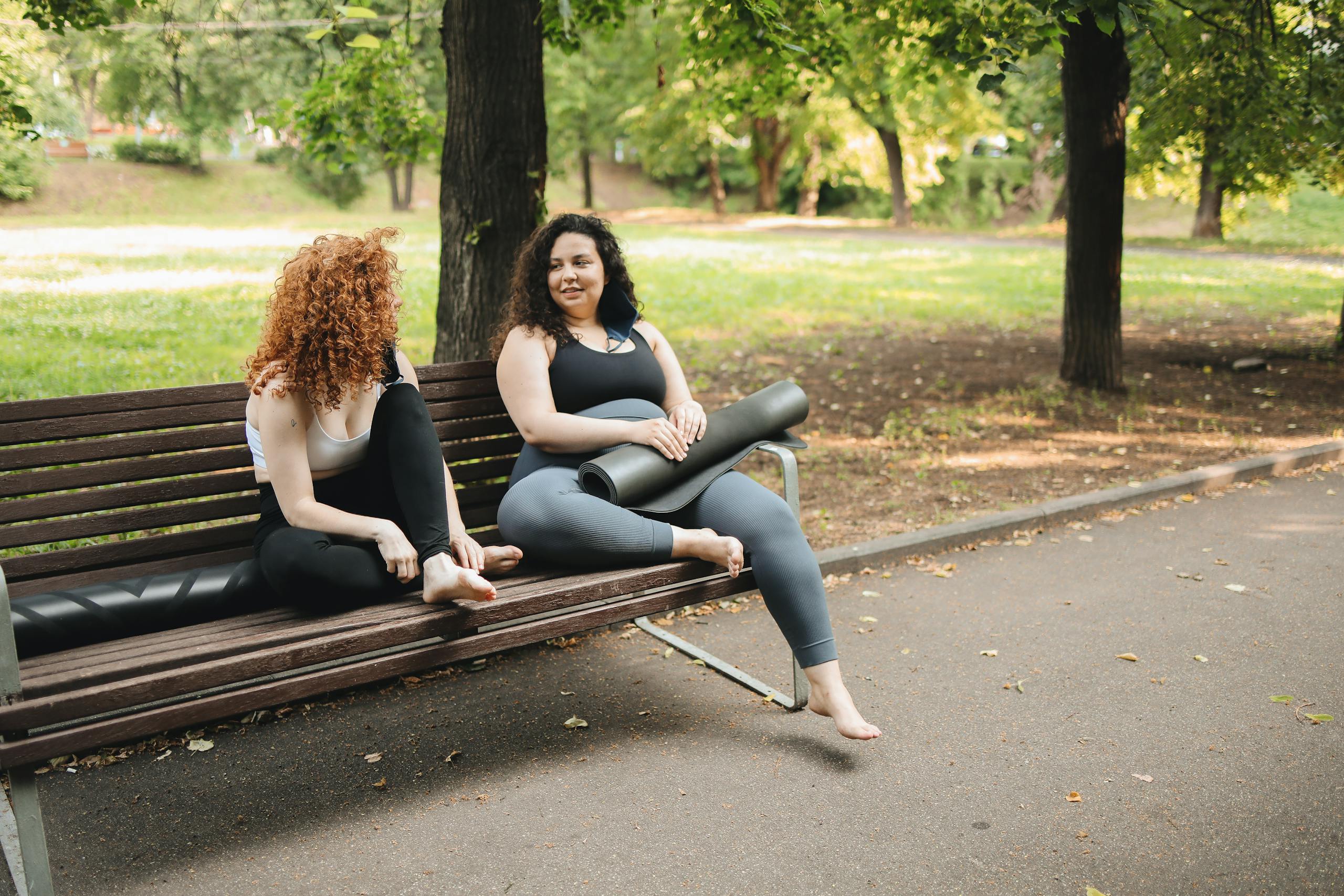
This one surprises people. ENFPs have a reputation for talking, for filling rooms with energy and ideas. What gets less attention is how profoundly they listen when they care about someone.
When an ENFP loves you, they don’t just hear your words. They track the pattern of what you say over time. They notice when your tone shifts. They remember the offhand comment you made six months ago and bring it back when it becomes relevant. Their listening is connective tissue, linking what you said today to what you’ve revealed across every conversation you’ve had with them.
I’ve experienced this as a recipient, which is unusual for me to admit. I tend to be the observer in most relationships, the one tracking others. But I’ve had ENFP colleagues who tracked me in ways I didn’t expect. One in particular, a creative director I worked with for nearly a decade, had a habit of circling back to things I’d mentioned in passing and building on them weeks later. It was disarming. It communicated that I mattered enough to be remembered, not just heard.
The research on this is interesting. A 2019 report from the Harvard Business Review on listening quality found that the most impactful listeners aren’t those who stay silent, but those who ask questions that open new directions and make the speaker feel genuinely understood. That description maps almost exactly onto how ENFPs listen when they’re engaged. They don’t just receive information. They participate in it, reflecting it back in ways that help you understand yourself better.
This is where ENFPs differ meaningfully from ENFJs, who also listen deeply but often do so in service of helping or fixing. ENFPs tend to listen in service of understanding, which creates a different relational experience. For more on how the ENFJ version of deep care can sometimes tip into people-pleasing, the piece on why ENFJs can’t stop people-pleasing is worth reading alongside this one.
How Does Physical Presence Factor Into ENFP Love Expressions?
Physical touch and proximity matter to most ENFPs, though the specific expression varies by individual. What’s consistent is that ENFPs tend to be physically demonstrative with people they love. They lean in during conversation. They hug with genuine warmth. They make contact in ways that communicate presence rather than performance.
Beyond touch, their physical presence itself is a statement. When an ENFP shows up for something, they’re fully there. They’re not checking their phone. They’re not mentally rehearsing their next commitment. They’ve arrived, and you can feel it. That full-body presence is a form of love that doesn’t require words.
What I’ve noticed, both from observation and from conversations with ENFPs in my professional network, is that their physical expressiveness often catches more reserved types off guard. As an INTJ, my instinct around physical affection is measured. I’m warm, but I’m not spontaneous about it. Watching ENFPs operate in this register helped me understand that physical presence as love language isn’t about being performative. For them, it’s simply the most direct way to say “I’m here and I mean it.”
The Mayo Clinic has documented the physiological effects of positive physical contact, including reductions in cortisol and increases in oxytocin, the bonding hormone. ENFPs who express love through touch aren’t just being emotionally expressive. They’re contributing to the actual physical wellbeing of the people they care about. That’s worth naming plainly.

What Happens When ENFP Love Gets Misread?
ENFPs are friendly with almost everyone. That friendliness can make it genuinely hard to tell when an ENFP has moved from generally warm to specifically invested. People misread the signals in both directions, assuming love where there’s enthusiasm, or missing love where it’s fully present because it doesn’t look conventional.
From the other side, ENFPs sometimes feel unseen in their love precisely because they express it in ways that don’t fit expected templates. A partner who values traditional gestures, flowers, formal declarations, predictable rituals, may not recognize that the ENFP who spent three hours helping them think through a career decision was expressing profound love. The form was different. The content was not.
This mismatch is worth taking seriously. A 2023 publication from the American Psychological Association on relationship satisfaction found that perceived partner responsiveness, the sense that your partner understands and values you, is one of the strongest predictors of long-term relationship quality. ENFPs are often highly responsive, but their responsiveness doesn’t always get coded as such by partners who are looking for different signals.
The solution isn’t for ENFPs to become someone else. It’s for both partners to develop a shared vocabulary around how love is expressed and received. ENFJs face a parallel version of this problem, often attracting people who mistake their warmth for availability in ways that become draining. The piece on why ENFJs keep attracting toxic people explores that dynamic in useful depth.
ENFPs also sometimes struggle with the decision-making that relationships require, particularly when they’re weighing their own needs against a partner’s. This connects to a broader pattern in Extroverted Diplomat types around decision paralysis when everyone’s feelings matter. ENFPs experience their own version of this, especially in conflict, where their desire to preserve connection can make it hard to assert what they actually need.

What Can You Do With This If You’re an ENFP, or Love One?
If you’re an ENFP, the most useful thing this article can offer is permission to trust your own love language rather than translating it into something more conventional. Your specificity, your championship, your full-body presence, your memory for detail, these are not lesser expressions of love. They are complete ones. The work isn’t to become more traditional. It’s to become more consistent, and to communicate clearly enough that the people you love can actually receive what you’re offering.
If you love an ENFP, pay attention to the texture of what they offer rather than the form. Notice when they remember something you mentioned in passing. Notice when they show up somewhere they didn’t have to. Notice the specificity of what they say about you. That’s not small talk. That’s love, expressed in the register that comes most naturally to them.
And for both parties: the conversation about how love is expressed and received is worth having explicitly. Not as a criticism, but as a map. Knowing that your ENFP partner shows love through enthusiastic support and specific attention helps you recognize it when it’s happening. Knowing that your more reserved partner needs consistency and follow-through helps the ENFP direct their energy where it lands most meaningfully.
The World Health Organization has consistently identified quality relationships as a primary factor in both mental and physical health outcomes across the lifespan. Understanding how love actually moves between people, not just how we assume it should, is one of the more practical investments anyone can make.
ENFPs love loudly and specifically and with their whole selves. That’s not a liability. It’s a gift, once everyone involved knows how to recognize it.
Explore the full range of ENFJ and ENFP personality insights in our MBTI Extroverted Diplomats hub.
About the Author
Keith Lacy is an introvert who’s learned to embrace his true self later in life. After 20 years in advertising and marketing leadership, including running agencies and managing Fortune 500 accounts, Keith now channels his experience into helping fellow introverts understand their strengths and build fulfilling careers. As an INTJ, he brings analytical depth and authentic perspective to every article, drawing from both professional expertise and personal growth.
Frequently Asked Questions
How does an ENFP show love differently from other types?
ENFPs express love through specific, targeted attention rather than generic gestures. They remember details, champion people publicly, offer enthusiastic support for goals and dreams, and bring their full presence to the time they spend with someone they care about. Their love language tends to be active and expressive rather than quiet or conventional.
Are ENFPs loyal in relationships?
Yes, particularly when they’ve developed the consistency to back up their initial enthusiasm. ENFPs who have worked on follow-through and self-awareness tend to be deeply loyal partners. Their loyalty expresses itself through advocacy, presence, and a genuine investment in the other person’s growth and wellbeing.
Why does ENFP love sometimes feel overwhelming?
ENFPs experience and express emotion at high intensity. Their enthusiasm, attention, and expressiveness can feel like a lot for more reserved types who aren’t used to that level of engagement. It’s not manipulation or performance. It’s simply how ENFPs are wired to connect. Open communication about pace and preference helps both partners find a comfortable rhythm.
What do ENFPs need to feel loved in return?
ENFPs need to feel seen in their full complexity, not just appreciated for their energy or positivity. They want partners who engage with their ideas, take their feelings seriously, and show up consistently rather than only when things are exciting. Acknowledgment that their specific expressions of love are recognized and valued matters more to them than grand gestures.
Can ENFPs have long-term committed relationships?
Absolutely. The stereotype that ENFPs are commitment-averse misreads their relationship with novelty. ENFPs don’t need new partners. They need relationships that continue to grow and evolve. A long-term relationship that offers ongoing depth, shared exploration, and genuine mutual investment is exactly what this type is built for, once they’ve found the right person and developed the consistency to sustain it.