An ENFP online dating profile works best when it reflects the genuine warmth, creativity, and depth that defines this personality type, rather than a polished version designed to appeal to everyone. ENFPs attract meaningful connections by being specific, enthusiastic, and emotionally honest from the very first line.
That said, there’s a real gap between who ENFPs are and how they tend to present themselves in the compressed, swipe-left world of online dating. Getting that translation right matters more than most people realize.
I’ve spent most of my career studying how people communicate under pressure. Running advertising agencies for over two decades, I watched brilliant, charismatic people struggle to distill who they were into something another person could actually receive. Online dating profiles are a version of that same challenge, and for ENFPs specifically, the stakes feel personal in a way that makes the whole thing harder.
If you’ve ever wondered why ENFPs, who are some of the most naturally magnetic people around, sometimes struggle to build lasting relationships despite all that energy and warmth, our MBTI Extroverted Diplomats (ENFJ and ENFP) hub covers the full landscape of how these types love, connect, and sometimes get in their own way. This article focuses on a specific slice of that picture: what actually works when an ENFP shows up in the digital dating space.
- ENFPs attract better matches by showcasing genuine depth and specific details rather than adopting generic, polished dating profile templates.
- Authenticity in your profile, including creative risks and personal perspectives, differentiates you from competitors and filters for compatible partners.
- Resist the urge to soften your intensity or emotional honesty online; these qualities reveal your actual personality to potential matches.
- Specific examples of your interests and passions communicate more about your mind than generic positive statements ever could.
- The gap between how ENFPs naturally are and how they present themselves online directly impacts their ability to build lasting connections.
What Makes an ENFP’s Dating Profile Different From Everyone Else’s?

Most dating profile advice is built around a kind of generic likability. Be positive. Show your sense of humor. Don’t be too intense. For ENFPs, following that advice produces profiles that feel hollow and end up attracting exactly the wrong people.
ENFPs are wired for depth. According to the Myers-Briggs Foundation’s overview of the 16 types, ENFPs lead with extraverted intuition, which means they’re constantly making connections between ideas, people, and possibilities in ways that feel almost electric. That cognitive pattern doesn’t switch off when they’re writing a dating bio.
What this means practically is that an ENFP profile written authentically will feel different from most profiles out there. It will have specificity. It will have a point of view. It might even take a creative risk or two. And that’s not a liability. That’s the entire advantage.
Early in my agency career, I hired a copywriter who filled her application with the kind of generic professional language everyone else used. Competent. Reliable. Team player. She almost didn’t get an interview. What saved her was a single paragraph at the end where she described why she’d spent three years studying the typography of cereal boxes. That specificity told me more about her mind than everything else combined. ENFPs have that same capacity for revealing detail. Most of them just don’t trust it yet.
The American Psychological Association’s research on personality consistently shows that authentic self-presentation in social contexts produces stronger relationship outcomes than strategic impression management. For ENFPs, this isn’t just good advice. It’s permission to be exactly who they are.
How Should an ENFP Write Their Dating Profile Bio?
Start with something true and specific rather than something safe and general. “I love adventure” tells a potential match nothing. “I once convinced three strangers at an airport to split a cab to a museum none of us had heard of, and we’re still in touch” tells them almost everything they need to know about you.
ENFPs have a natural storytelling instinct, and the bio section of a dating profile is the one place that instinct can actually breathe. Use it. Pick one memory, one obsession, one thing you genuinely can’t stop thinking about and let that anchor the whole thing.
One pattern I’ve noticed, both in the ENFP clients I’ve worked with and in the broader personality type community, is that ENFPs often write profiles that describe their ideal relationship rather than themselves. They talk about wanting deep conversations, meaningful connection, someone who challenges them. All of that may be true, but it reads like a wish list rather than an introduction. Flip it. Show the depth you bring, not just the depth you’re seeking.
Length matters too. ENFPs tend toward the verbose when they’re excited, and excitement is the default state when writing about themselves. A bio that runs 400 words in a space designed for 150 signals something a potential match might not consciously identify but will feel: that this person might be a lot to keep up with. Edit ruthlessly. The goal is to leave them wanting more, not feeling like they’ve already had the whole conversation.
One thing worth acknowledging honestly: ENFPs often struggle with follow-through in ways that show up even in the early stages of dating. If you’re someone who starts three conversations a day and loses track of half of them by nightfall, that’s worth understanding about yourself. Our article on ENFPs who actually finish things gets into why this happens and what to do about it, because the same pattern that makes you drop projects can make potential matches feel like they’re chasing you before you’ve even met—a dynamic that becomes even more pronounced when exploring challenging personality pairings that amplify these friction points.
What Photos Work Best for an ENFP’s Dating Profile?
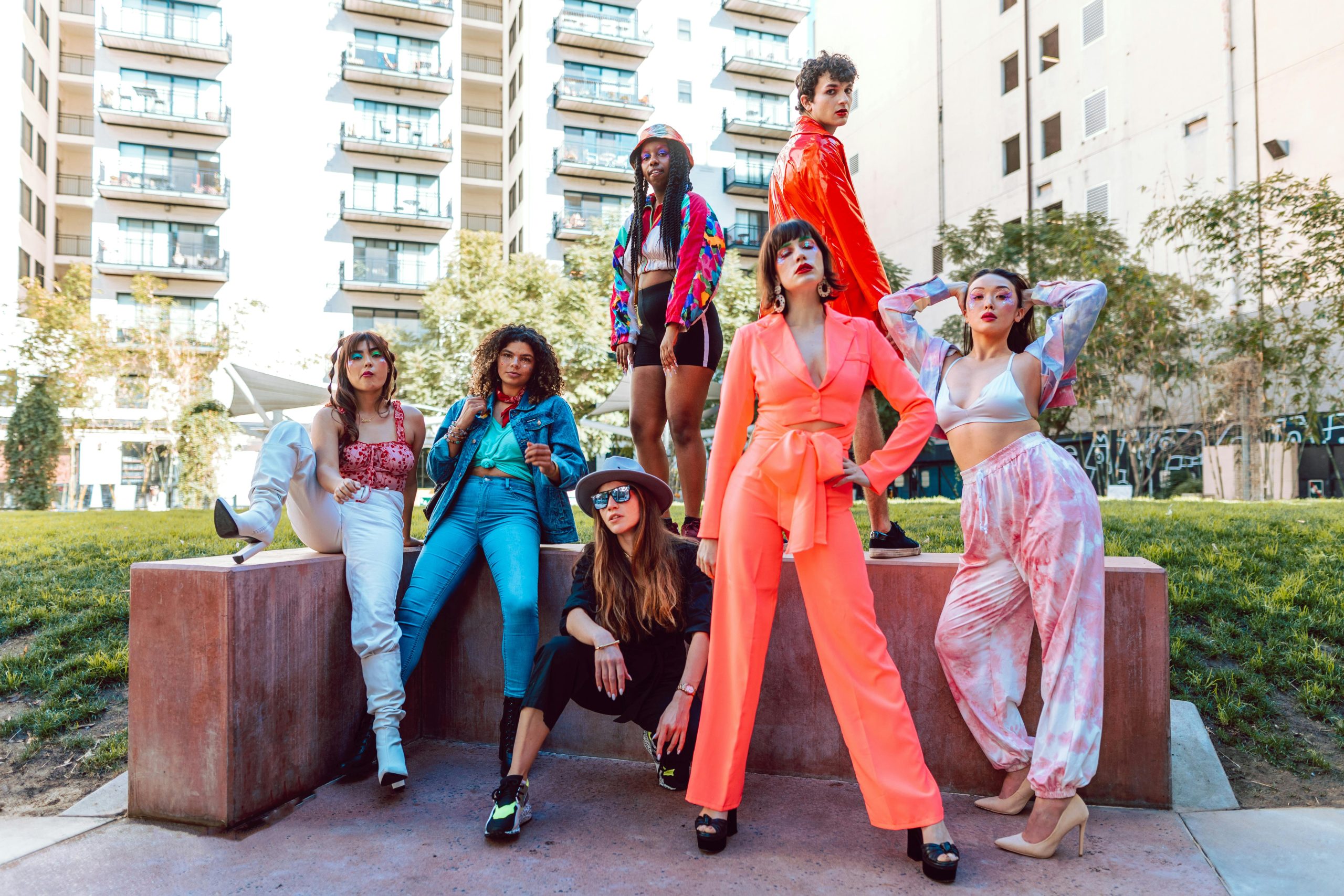
ENFPs are almost always more photogenic in candid shots than posed ones, and that’s not an accident. Posed photos require a stillness that runs against the grain of how ENFPs actually exist in the world. A photo of an ENFP mid-laugh, mid-gesture, mid-something tells a far more accurate story than a careful selfie.
Choose photos that show context. A picture in front of a bookshelf full of actual books you’ve read, at a festival you genuinely attend every year, or doing something slightly unusual that you can explain in your bio creates an immediate conversation hook. ENFPs thrive in conversation, so the goal of every photo should be to generate one.
Group photos have a complicated reputation in online dating advice, but for ENFPs they can actually work well because they show something true: that you’re someone people want to be around. The standard advice still applies, which is to make it clear which person you are and don’t lead with a group shot. But a second or third photo that shows you in a real social moment can be genuinely appealing.
Avoid the trap of curating photos that show the version of yourself you think someone wants to see. I’ve watched this play out in marketing campaigns more times than I can count. Brands that present an idealized version of themselves attract customers who feel deceived when reality doesn’t match the promise. The same principle applies here. An ENFP who shows up as someone slightly more polished and composed than they actually are will create a gap that the other person notices, even if they can’t name it.
Which Personality Types Are Most Compatible With ENFPs in Relationships?
Compatibility in relationships is genuinely more complex than type pairing charts suggest, and anyone who tells you otherwise is oversimplifying. That said, understanding the cognitive function dynamics at play can help an ENFP make sense of why certain connections feel electric and others feel like work from the very first date.
ENFPs tend to be drawn to partners who can match their intellectual curiosity without needing to match their pace of social engagement. INTJs and INFJs often show up in compatibility discussions for good reason: they bring depth, directness, and a kind of grounded perspective that ENFPs find genuinely steadying. As someone who identifies as an INTJ, I’ve had more than a few ENFPs in my professional circle who seemed to seek out that kind of anchor relationship without fully understanding why.
The Truity guide to MBTI cognitive functions explains why these pairings often work: ENFPs lead with extraverted intuition and support it with introverted feeling, which means they need a partner who can engage with ideas and also honor emotional depth. Types that lead with introverted intuition, like INTJs and INFJs, often provide exactly that counterbalance.
ENFPs can also build strong relationships with other NF types, though those pairings sometimes produce a shared idealism that needs grounding. Two people who are both highly future-focused and emotionally expressive can create a beautiful connection, but practical life has a way of intruding. Understanding this dynamic going in is more useful than avoiding the pairing altogether.
One compatibility pattern worth naming directly: ENFPs sometimes attract partners who need rescuing, or who present themselves as complex enough to be an ongoing project. That pull toward fixing and understanding can feel like love in the early stages. It often isn’t. Our piece on ENFJs who keep attracting toxic people covers this dynamic in depth for another extroverted diplomat type, and much of it applies directly to ENFPs as well.
What Are the Biggest Relationship Mistakes ENFPs Make in the Early Stages of Dating?

The most common early-stage mistake ENFPs make isn’t being too much. It’s being too available too fast. ENFPs are enthusiastic by nature, and when someone new captures their attention, that enthusiasm can pour out in a way that accelerates intimacy faster than the other person is ready for.
This isn’t a character flaw. It’s a function of how ENFPs process connection, which is immediately, intuitively, and with their whole self. Yet the gap between how quickly an ENFP feels something and how quickly the other person catches up can create a dynamic where the ENFP ends up doing most of the emotional labor before the relationship has any real foundation.
A second pattern: ENFPs sometimes fall in love with potential rather than reality. They’re extraordinarily good at seeing who someone could be, and that vision can sustain a relationship well past the point where the actual evidence suggests it should end. I’ve seen this in professional relationships too. Some of my worst hiring decisions came from falling for a candidate’s ceiling rather than their floor. Potential is real, but it’s not the same as what’s actually in front of you.
There’s also a financial dimension to early dating that ENFPs sometimes overlook. ENFPs are naturally generous, and that generosity can express itself in ways that create real strain. Elaborate dates, spontaneous trips, gifts that reflect genuine thoughtfulness but also genuine expense. Our article on ENFPs and money addresses the uncomfortable patterns that can develop when financial impulsivity meets romantic enthusiasm, and it’s worth reading before you’ve already booked the weekend getaway for someone you’ve known for three weeks.
The American Psychological Association’s research on social connection makes clear that the quality of early relationship formation matters significantly for long-term relationship health. For ENFPs, slowing down in the early stages isn’t about playing games. It’s about giving a real connection the room it needs to develop properly.
How Does an ENFP Handle Conflict and Communication in Relationships?
ENFPs are deeply feeling types who also happen to be highly articulate, which sounds like a perfect combination for handling conflict. In practice, it’s more complicated. ENFPs can be so good at generating empathy for the other person’s position that they talk themselves out of their own valid grievances before they’ve even expressed them.
This shows up in a specific way: an ENFP will feel hurt, begin to articulate why, get three sentences in, imagine how their partner might feel hearing it, and then soften the whole thing into something so gentle that the actual issue gets lost. The partner walks away thinking everything is fine. The ENFP walks away feeling unheard. Repeat this enough times and resentment builds in a relationship that looks perfectly functional from the outside.
The antidote isn’t becoming less empathetic. It’s learning to hold your own emotional truth long enough to actually communicate it. That’s a skill, not a personality trait, and it can be developed. A therapist who specializes in communication patterns can be genuinely useful here. The National Institute of Mental Health’s overview of psychotherapy approaches is a solid starting point for understanding what kind of support might fit, and resources like Psychology Today’s therapist directory make finding someone straightforward.
ENFPs also need to watch for a people-pleasing dynamic that can quietly take over a relationship. It often starts as accommodation and flexibility, which are genuinely good things, but can drift into a pattern where the ENFP’s needs consistently come second. Our article on ENFJ people-pleasing and how to break it maps this pattern in detail for a closely related type, and the emotional mechanics translate almost perfectly to ENFPs who recognize themselves in that description.
One thing I’ve found consistently true across years of managing creative teams: the people who were most emotionally generous in group settings were often the least likely to advocate for themselves in one-on-one conversations. ENFPs carry this same paradox into their romantic lives. Naming it is the first step toward changing it.
What Does Long-Term Relationship Success Actually Look Like for an ENFP?
Long-term relationships for ENFPs require something that doesn’t always get enough attention in personality type discussions: structure. Not the rigid, suffocating kind, but the kind that creates enough predictability that an ENFP’s natural spontaneity has somewhere safe to land.
ENFPs thrive when a relationship has clear shared values at its core and genuine flexibility everywhere else. A partner who shares an ENFP’s commitment to growth, honesty, and depth, but who doesn’t need every weekend to be an adventure, can provide exactly the kind of complementary energy that sustains a relationship over years rather than months.
The challenge is that ENFPs can mistake novelty for depth. Early in a relationship, everything is new, and newness produces a kind of intensity that ENFPs experience as profound connection. As that novelty fades, some ENFPs interpret the settling as the relationship losing something essential. It hasn’t. It’s just maturing. Learning to find depth in the familiar is one of the more significant growth edges for this type.
There’s also a project-completion dynamic that shows up in long-term ENFP relationships in ways worth understanding. ENFPs can treat relationship-building the way they treat any creative endeavor: with enormous initial energy that sometimes fades once the vision feels established. The same pattern that shows up in abandoned ENFP projects can quietly appear in relationships, not as abandonment exactly, but as a kind of drift where the ENFP stops investing the same creative energy they brought in the beginning. Understanding whether this drift stems from personality type or from deeper challenges like decision-making patterns where everyone matters, or even vulnerability to substance use and type vulnerability, can help clarify what’s actually happening and what needs attention.
What ENFPs bring to long-term relationships is also worth naming clearly: extraordinary empathy, genuine curiosity about their partner as a person, a capacity for reinvention that keeps relationships from going stale, and a warmth that most partners describe as one of the defining experiences of their lives. That’s not nothing. That’s actually quite a lot.
How Should an ENFP Manage Their Energy While Dating?
Dating is exhausting in a way that doesn’t get acknowledged often enough, even for extroverts. For ENFPs specifically, the emotional investment that goes into every interaction, every text thread, every first date, adds up in ways that can quietly deplete the very energy that makes them so appealing in the first place.
ENFPs are extroverted, yes, but they’re also deeply feeling types who process emotional experience with real intensity. A bad date doesn’t just end when you leave the restaurant. It gets analyzed, emotionally processed, and sometimes carried for days. Multiply that across multiple simultaneous conversations on multiple apps and you get a recipe for a particular kind of exhaustion that looks nothing like the classic introvert burnout but functions similarly.
The Myers-Briggs Foundation’s work on type dynamics describes how each type has both energizing and depleting patterns of engagement. For ENFPs, the depletion often comes not from social interaction itself but from sustained emotional inauthenticity, which is exactly what dating culture often demands.
Setting limits around dating activity is practical, not defeatist. Deciding to actively pursue no more than two or three conversations at a time, or committing to one first date per week rather than four, isn’t settling. It’s protecting the quality of your presence in each interaction. ENFPs who spread themselves too thin in the dating pool often end up connecting with no one deeply, which is the opposite of what they actually want.
It’s also worth being honest about what emotional depletion looks like for you specifically. In my experience managing large teams, the people who burned out hardest were almost always the ones who couldn’t identify their warning signs until they were already past the point of easy recovery. ENFPs in the dating world face a similar risk. Knowing your signals early is far more useful than trying to recover from empty once you’re already there. If you’re curious about sustainable approaches that help ENFJs maintain their energy, this article on ENFJ sustainable leadership and avoiding burnout offers a useful frame of reference.
What Should an ENFP Actually Look for in a Partner?

ENFPs often have a long list of what they want in a partner and a shorter, less examined list of what they actually need. Those two lists don’t always overlap.
What ENFPs often say they want: someone spontaneous, creative, emotionally expressive, adventurous. What ENFPs often actually need: someone stable enough to provide grounding, direct enough to give honest feedback, and secure enough not to need constant reassurance. The gap between those two descriptions is where a lot of ENFP relationship patterns live.
A partner who genuinely appreciates an ENFP’s intensity without being overwhelmed by it is rarer than it sounds. So is a partner who can hold their own emotionally without becoming a project for the ENFP to fix or improve. Finding someone who is already doing the work of their own growth, rather than someone whose potential suggests they might someday, is one of the more significant shifts ENFPs can make in how they approach partner selection.
Shared values matter more than shared personality traits. An ENFP and an ISTJ can build a genuinely strong relationship if they share commitments to honesty, growth, and mutual respect. The Truity overview of ISTJ relationships is worth reading if you find yourself drawn to someone who seems like your opposite on the surface, because the complementarity that looks like friction early on can become genuine strength over time.
What matters most in the end is finding someone who sees the real you and chooses it. Not the curated version, not the version that’s performing enthusiasm or tamping down intensity to seem more manageable. ENFPs who write authentic profiles, show up as themselves on dates, and hold out for connections that feel genuinely reciprocal are the ones who build the relationships they’re actually capable of sustaining.
That’s a longer path sometimes than swiping your way into something comfortable. It’s also the only path that actually works for someone wired the way ENFPs are.
Find more perspectives on how extroverted diplomat types connect, love, and grow in our complete MBTI Extroverted Diplomats (ENFJ and ENFP) hub.
About the Author
Keith Lacy is an introvert who’s learned to embrace his true self later in life. After 20 years in advertising and marketing leadership, including running agencies and managing Fortune 500 accounts, Keith now channels his experience into helping fellow introverts understand their strengths and build fulfilling careers. As an INTJ, he brings analytical depth and authentic perspective to every article, drawing from both professional expertise and personal growth.
Frequently Asked Questions
What should an ENFP write in their online dating profile bio?
An ENFP dating profile bio works best when it leads with something specific and true rather than generic enthusiasm. Choose one memory, obsession, or perspective that genuinely reflects who you are and let that anchor the whole bio. Avoid describing your ideal relationship in the opening section, and instead show the depth and curiosity you bring. Keep it concise enough to leave the reader wanting more rather than feeling like they’ve already had the whole conversation.
Which personality types are most compatible with ENFPs in romantic relationships?
ENFPs often build strong connections with INTJs and INFJs because those types provide depth, directness, and a grounded perspective that complements the ENFP’s natural enthusiasm and idealism. ENFPs can also connect well with other NF types, though those pairings sometimes need additional grounding in practical matters. Shared values around honesty, growth, and emotional depth matter more than matching personality profiles, and some ENFPs build excellent long-term relationships with types that look like opposites on paper.
What are the most common relationship mistakes ENFPs make?
The most common early-stage mistake is accelerating emotional intimacy faster than the other person is ready for. ENFPs also tend to fall in love with a person’s potential rather than who they actually are right now, which can sustain relationships well past the point where the evidence suggests they should end. A third pattern is people-pleasing that starts as genuine flexibility but gradually becomes a habit of consistently putting the other person’s needs first. Recognizing these patterns early is more useful than trying to correct them after they’ve already shaped the relationship.
How do ENFPs handle conflict in relationships?
ENFPs often struggle with conflict because their natural empathy leads them to soften or abandon their own valid grievances before fully expressing them. They can generate so much understanding for the other person’s position that their own emotional truth gets lost in the process. The result is a partner who thinks everything is fine and an ENFP who feels consistently unheard. Developing the ability to hold your own emotional truth long enough to communicate it clearly is a skill that can be built over time, often with the support of a therapist who specializes in communication patterns.
How can ENFPs manage their energy while actively dating?
ENFPs can deplete their emotional reserves faster than they realize when dating across multiple platforms simultaneously. Setting clear limits around how many active conversations or first dates to pursue at once protects the quality of presence in each interaction. ENFPs who spread themselves too thin often end up connecting with no one deeply, which is the opposite of what they want. Identifying your personal depletion signals early, before you’re already running on empty, is far more effective than trying to recover after the fact.