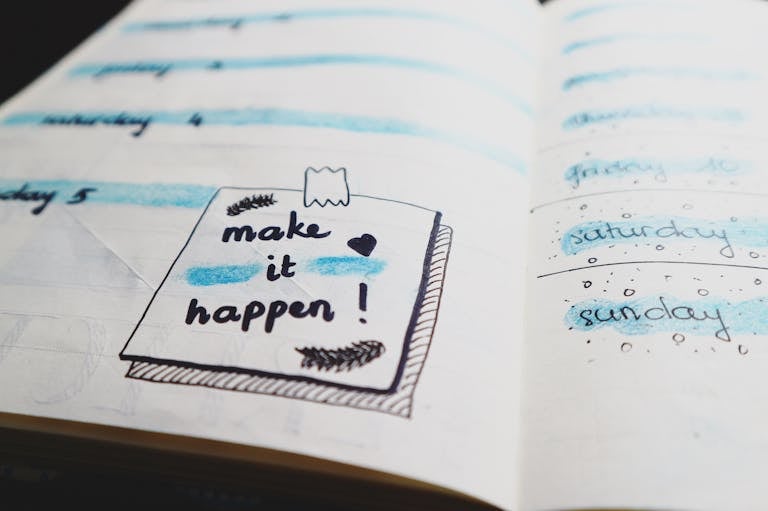
An ENFP workspace setup works best when it reflects the way this personality type actually thinks: in bursts of inspiration, across multiple projects at once, with a constant hunger for novelty and meaning. The right physical and digital environment doesn’t just make work easier, it makes it possible to channel that creative energy without burning out or losing focus.
ENFPs bring an extraordinary combination of imagination, warmth, and enthusiasm to everything they do. Yet without a workspace that supports their specific cognitive style, that same energy can scatter in a dozen directions before anything meaningful gets finished. What follows is a practical, product-focused guide built around how ENFPs actually function, not how productivity gurus think everyone should.
Not sure if you’re an ENFP? Before going further, you might want to take our free MBTI test to confirm your type. Knowing your personality profile makes the product recommendations below significantly more useful.
ENFPs are one of the most fascinating personality types to work alongside, and I say that from direct experience. Our MBTI Extroverted Diplomats hub covers both ENFPs and ENFJs in depth, exploring the strengths, blind spots, and practical strategies that help these types thrive. This article zooms in on the physical and digital workspace itself, because for ENFPs especially, environment isn’t a minor detail. It’s a core variable.

Why Does the Physical Environment Matter So Much for ENFPs?
Running an advertising agency for over two decades, I worked with dozens of creatives who could produce brilliant work in an environment that would have made me completely ineffective. Open offices, whiteboards covered in half-finished diagrams, sticky notes on every surface. At first I found it chaotic. Over time I realized those environments weren’t messy. They were functional for the people in them.
What’s your personality type?
Take our free 40-question assessment and get a detailed personality profile with dimension breakdowns, context analysis, and personalised insights delivered to your inbox.
Discover Your Type8-12 minutes · 40 questions · Free and private
ENFPs are extroverted intuitives, meaning they generate energy and ideas through external engagement and pattern recognition. According to 16Personalities, ENFPs are driven by curiosity and a deep need to find meaning in everything they do. That orientation has direct implications for workspace design. A sterile, minimalist desk that works beautifully for an INTJ like me can feel suffocating to someone whose brain needs visual stimulation and sensory variety to stay engaged.
A 2019 article from the American Psychological Association explored how personality traits shape the way people respond to their environments, noting that individuals with high openness and extraversion, both characteristic of ENFPs, tend to seek out environments that match their internal energy levels. Designing your workspace with your personality in mind isn’t indulgent. It’s strategic.
The challenge for ENFPs is that inspiration can arrive fast and disappear just as quickly. An environment that doesn’t capture ideas the moment they surface, or that forces linear thinking onto a non-linear brain, creates friction at exactly the wrong moment. The products in this guide are chosen specifically to reduce that friction.
What Desk Setup Actually Supports the ENFP Brain?
ENFPs tend to work in waves. There are periods of intense, almost manic productivity followed by stretches where sitting still feels genuinely painful. A desk setup that accommodates this rhythm, rather than fighting it, makes a measurable difference in daily output.
Standing desks with memory presets. The ability to shift between sitting and standing isn’t just about physical health. For ENFPs, movement often unlocks thinking. A standing desk with programmable height presets, such as those from FlexiSpot or Uplift, lets you change your physical state without interrupting your mental flow. The Bureau of Labor Statistics has documented a significant rise in flexible work arrangements, and flexible workstations are a natural extension of that shift. Being able to stand, pace slightly, or shift posture mid-thought suits the ENFP’s need for physical engagement during cognitive work.
Large format whiteboards or glass writing surfaces. ENFPs think in webs, not lines. A standard notebook forces ideas into a sequence that doesn’t match how this type actually processes information. A large wall-mounted whiteboard or a glass writing surface on the desk gives ideas room to sprawl. Brands like VIZ-PRO offer budget-friendly magnetic whiteboards, while glass options from Quartet provide a more polished look. Either way, the principle is the same: give your ideas physical space.
Dual monitor setups. ENFPs frequently work across multiple projects and reference materials simultaneously. A single monitor creates artificial bottlenecks. Adding a second screen, even a budget option like an AOC or BenQ display, means you can keep a reference document, a mood board, or a running notes file visible while working in another application. This reduces the cognitive cost of constantly switching windows, which for an ENFP can mean the difference between staying in flow and losing the thread entirely.
Ambient lighting with color temperature control. Harsh fluorescent lighting tends to flatten mood and reduce creative output. Smart bulbs from Philips Hue or a dedicated desk lamp with adjustable color temperature, like those from BenQ’s ScreenBar line, let you shift the room’s energy to match the work. Warmer tones support relaxed brainstorming. Cooler, brighter light helps with detail-oriented tasks that require more focus.

Which Digital Tools Are Built for the Way ENFPs Think?
One of the patterns I noticed repeatedly in agency life was that the most creative people on my teams weren’t struggling with ideas. They were struggling with systems. The account planners and copywriters who produced the most interesting work were often the same people who missed deadlines, lost files, or forgot to follow up on critical client feedback. Not because they were careless, but because their brains were optimized for generation, not administration.
ENFPs face a version of this challenge constantly. The digital tools that work for them need to feel flexible and visual, not rigid and list-based. Here are the categories worth investing in.
Visual project management platforms. Notion and Trello are both strong fits for ENFPs, but for different reasons. Notion’s flexibility means you can build a workspace that looks and behaves exactly the way your brain wants it to, with linked databases, embedded media, and customizable views. Trello’s card-based Kanban system provides just enough structure to track project stages without forcing linear thinking. Either platform beats a rigid spreadsheet system for this type. The visual layout of cards and boards mirrors the way ENFPs naturally sort information in their heads.
That said, having the right tool doesn’t automatically solve the ENFP’s biggest productivity challenge: staying with a project long enough to finish it. If you recognize the pattern of starting strong and then losing momentum, the article on ENFPs and project abandonment addresses that cycle directly and offers concrete strategies for breaking it.
Audio capture tools. ENFPs often think faster than they type. Voice memos, transcription apps like Otter.ai, or even a dedicated digital voice recorder on the desk can capture ideas the moment they surface, before the next wave of thought washes them away. This is especially useful during brainstorming phases or when an idea arrives mid-conversation or mid-walk.
Distraction management software. ENFPs are highly susceptible to digital rabbit holes. A fascinating article, an interesting notification, a quick social media check that turns into forty minutes gone. Apps like Freedom or Cold Turkey allow you to block distracting sites during focused work windows. Pairing these with a timer method, such as the Pomodoro technique, gives the ENFP brain the variety it craves (short work bursts followed by breaks) while still protecting productive time. For a fuller look at managing attention and distraction, the piece on focus strategies for ENFPs covers this in much more depth.
Mind mapping software. MindMeister, Miro, and Coggle all support the non-linear thinking style ENFPs rely on. Instead of forcing ideas into bullet points, mind maps let connections form organically. These tools are particularly useful during the early stages of a project, when the goal is to get everything out of your head and onto a surface where you can see the relationships between ideas.
How Should ENFPs Personalize Their Space for Motivation and Meaning?
ENFPs don’t just want a workspace that functions well. They want one that feels like them. A generic, interchangeable office setup tends to drain this type’s motivation over time, even if every tool in it is technically excellent. Personalization isn’t decoration for ENFPs. It’s a functional requirement.
Early in my agency career, I tried to maintain a clean, minimalist desk because I thought that’s what a serious executive looked like. What I eventually realized was that my best thinking happened in spaces that had some texture to them, not clutter, but personality. I can only imagine how much more acutely ENFPs feel that need.
Vision boards and inspiration walls. A physical corkboard or magnetic board mounted near the desk gives ENFPs a place to externalize their goals, inspirations, and current project themes. Pinning images, quotes, color swatches, or project artifacts keeps the work emotionally alive. Digital alternatives like Pinterest boards or a dedicated Milanote workspace serve the same function for those who prefer to keep things screen-based.
Plants and natural elements. A 2019 study published in PubMed Central found that exposure to natural elements in work environments is associated with reduced stress and improved mood. For ENFPs, who tend to be emotionally sensitive and can experience burnout when their environment feels cold or sterile, even a small plant or a window view can shift the workspace’s emotional register significantly. Low-maintenance options like pothos, succulents, or snake plants add life without demanding much attention.
Color and texture variety. ENFPs tend to respond strongly to visual environments. A workspace that incorporates color through desk accessories, a colorful rug, or an art print on the wall creates sensory variety that supports engagement. This doesn’t mean the space needs to be chaotic. Even a few deliberate color choices, a teal pen cup, a warm-toned desk mat, can make the difference between a space that feels alive and one that feels institutional.
Personal artifacts and meaningful objects. Photographs, souvenirs from meaningful experiences, small objects that carry personal significance. These aren’t clutter for ENFPs. They’re anchors. In a type that can sometimes feel pulled in too many directions, having physical reminders of what matters most creates a subtle but real sense of grounding.

What Analog Tools Still Matter in a Digital World?
There’s a strong temptation to solve every productivity problem with an app. And while digital tools are genuinely useful for ENFPs, analog tools serve a different and complementary purpose. The tactile experience of writing by hand, sketching, or physically rearranging sticky notes engages a different kind of thinking than typing does.
A 2009 brief from the American Psychological Association noted that the act of writing by hand engages cognitive processes that typing does not, including deeper encoding of information and stronger memory consolidation. For ENFPs who want their ideas to stick, not just be captured, handwriting has real advantages.
Dot-grid notebooks. Leuchtturm1917 and Rhodia are both excellent choices for ENFPs. The dot-grid format provides just enough structure to keep writing legible while leaving complete freedom for sketches, diagrams, and non-linear layouts. Many ENFPs find that the flexibility of dot-grid pages suits their thinking style far better than lined notebooks, which can feel constraining.
Colorful pens and markers. Color coding isn’t just aesthetic for ENFPs. It’s a functional organizational system. Using different colors for different project streams, emotional states, or idea categories creates a visual taxonomy that the ENFP brain can scan quickly. Staedtler, Zebra, and Tombow all offer high-quality options at various price points.
Sticky notes in bulk. Post-it notes are almost a cliché at this point, but for ENFPs they serve a genuine purpose. Ideas can be written down, moved around, grouped, discarded, and reorganized without commitment. The physical act of rearranging sticky notes on a wall or whiteboard often helps ENFPs find connections between ideas that weren’t visible when the ideas were locked inside a digital document.
A dedicated brainstorm sketchpad. Separate from any formal notebook, a large-format sketchpad (A3 or larger) kept on the desk gives ENFPs permission to think messily. Diagrams, word clusters, rough sketches, abandoned starts. Having a space where nothing needs to be polished removes the internal editor that can block the free flow of ideas during early creative phases.
How Can ENFPs Set Up Their Space to Support Financial Awareness?
This one might seem like an odd inclusion in a workspace guide, but stay with me. ENFPs have a well-documented complicated relationship with money. The same idealism and present-moment focus that makes them brilliant creatives can make financial tracking feel tedious and irrelevant, right up until it becomes urgent. If you’ve felt that tension personally, the piece on ENFPs and money names that pattern honestly and offers some grounding perspective.
From a workspace standpoint, the goal is to reduce the friction between ENFPs and their financial reality. A few specific tools help with this.
A visible monthly budget tracker. Not buried in a spreadsheet tab, but physically visible. A small whiteboard or printed one-page budget summary pinned to the wall near the desk keeps financial reality in peripheral vision. ENFPs who can see their numbers are more likely to engage with them than those who have to actively open a file to check in.
Automated savings and expense apps. YNAB (You Need A Budget) has a strong following among ENFPs precisely because it frames budgeting around values and priorities rather than restrictions. Connecting it to a visible workspace reminder, even a sticky note that says “check YNAB before any purchase over $50,” creates a small but effective behavioral prompt.
A dedicated “ideas to income” section in your workspace. ENFPs generate monetizable ideas constantly. Having a specific spot, a notebook section, a Notion page, a physical folder, where those ideas get captured and periodically reviewed means fewer of them evaporate before they can become real. This also creates a bridge between the creative energy ENFPs have in abundance and the financial outcomes that require follow-through to materialize.

What Ergonomic and Sensory Products Help ENFPs Stay Comfortable During Long Work Sessions?
ENFPs can hyperfocus when they’re genuinely engaged with something. The flip side is that physical discomfort tends to break that focus faster than it would for more internally focused types. An ergonomic setup isn’t just about preventing injury. It’s about removing the physical interruptions that pull an ENFP out of their flow state.
Ergonomic chairs with lumbar support. Herman Miller and Steelcase are the gold standard, but they carry gold standard prices. More accessible options from Branch, Autonomous, or HON offer solid lumbar support and adjustability at a fraction of the cost. The goal is a chair that disappears into the background, one you stop noticing because it’s supporting you correctly.
Noise-canceling headphones. ENFPs are socially oriented but still need periods of focused work. Noise-canceling headphones, Sony WH-1000XM5 and Bose QuietComfort 45 are both excellent, serve a dual purpose. They block environmental distractions during focus sessions and signal to others (in shared spaces) that you’re unavailable. Many ENFPs also find that music or ambient sound through headphones helps them maintain focus in ways that silence doesn’t.
Fidget tools and tactile desk objects. ENFPs often need something to do with their hands while thinking. A quality fidget cube, a smooth stone, a stress ball, or even a set of magnetic desk toys gives restless hands an outlet without pulling attention away from the primary task. This sounds minor, but for kinesthetic thinkers, it genuinely reduces cognitive friction.
Scent diffusers. The connection between scent and cognitive state is well-established. Citrus and peppermint scents are associated with alertness and focus, while lavender and sandalwood tend to support calm and reduce anxiety. A small ultrasonic diffuser on the desk, with a rotating selection of essential oils, gives ENFPs a low-effort way to shift their mental state to match the work at hand.
I want to be honest about something here. As an INTJ, my instinct is always to optimize for efficiency and strip away anything that seems unnecessary. Watching the ENFPs I worked with over the years, I had to revise that instinct. What looked like indulgence, the carefully arranged desk, the specific playlist, the particular mug, was actually environmental calibration. They were setting conditions for their best work. That’s not frivolous. That’s self-knowledge in action.
How Does the ENFP Workspace Connect to Emotional Wellbeing?
ENFPs feel things deeply. According to Psychology Today, empathy, which ENFPs possess in significant measure, involves not just understanding others’ emotions but experiencing a resonant emotional response. That sensitivity is a profound strength in creative work, leadership, and relationships. It also means that a workspace that feels wrong, emotionally flat, overly corporate, or disconnected from personal values, will create a low-level drain that compounds over time.
ENFPs share some emotional dynamics with ENFJs in this regard. Both types are deeply empathic and can find themselves absorbing the emotional weight of their environments. If you’re curious about how that pattern plays out specifically for ENFJs, the articles on ENFJs attracting toxic people and why ENFJs become targets for narcissists explore the relational dimensions of high empathy in detail. ENFPs who recognize similar patterns in themselves will find those perspectives useful.
For the workspace itself, emotional wellbeing translates into a few practical choices.
A reflection or journaling corner. Not a separate room, just a designated spot, a comfortable chair, a small side table, a specific notebook, that signals to the brain that this is where processing happens. ENFPs benefit enormously from regular emotional processing, and having a physical space dedicated to that practice makes it more likely to actually happen.
Boundary-setting tools. A “do not disturb” sign for shared spaces, a physical door indicator, or even a specific desk lamp that signals focus mode to housemates or colleagues. ENFPs are generous with their attention and can find it difficult to protect their work time from social interruptions. Physical signals reduce the need for repeated verbal boundary-setting, which many ENFPs find emotionally costly.
ENFJs face a very similar challenge around decision-making in social contexts. The article on why ENFJs struggle to decide when everyone matters speaks to the same underlying pattern: when you care deeply about people, protecting your own space and time can feel selfish, even when it isn’t.
A “wins” wall or gratitude board. ENFPs can be their own harshest critics when projects stall or ideas don’t land. A small section of the workspace dedicated to celebrating completed work, positive feedback received, or goals achieved creates a visual counterweight to that inner critic. Even a handful of printed emails or handwritten notes from people your work has helped can shift the emotional tone of a difficult work day.

What’s the Right Way to Approach Building This Workspace Over Time?
One of the most common mistakes ENFPs make when redesigning their workspace is treating it as a project with a completion date. The workspace gets a complete overhaul, everything gets organized beautifully, and then life happens and the system collapses within weeks. The issue isn’t commitment. It’s that the workspace was designed as a finished product rather than a living system.
A better approach is incremental and iterative. Start with the one change that would have the highest immediate impact. For most ENFPs, that’s either a capture system for ideas (voice recorder, large notebook, whiteboard) or a distraction management tool. Get that working before adding anything else. Add one element at a time, test it for two to three weeks, and keep only what genuinely improves how you work.
The goal isn’t a perfect workspace. It’s a workspace that’s slightly better than yesterday’s, calibrated to the way your specific brain works on your specific projects. ENFPs who approach workspace design with that kind of flexibility tend to end up with setups that are genuinely personal and genuinely functional, rather than aesthetically impressive but practically abandoned.
I’ve watched this pattern play out in agency settings more times than I can count. The creatives who had the most productive workspaces weren’t the ones who did a dramatic overhaul in January. They were the ones who kept tweaking quietly, adding a tool here, removing a friction point there, until the environment felt like an extension of how they thought. That’s the standard worth aiming for.
Explore more articles on both ENFPs and ENFJs in our complete MBTI Extroverted Diplomats hub, where we cover everything from emotional patterns to career strategies for these two personality types.
Curious about your personality type?
Our free MBTI assessment goes beyond the four letters. Get a full breakdown of your scores, see how your type shows up at work and in relationships, plus borderline analysis for close-call dimensions.
Take the Free Test8-12 minutes · 40 questions · Free and private
About the Author
Keith Lacy is an introvert who’s learned to embrace his true self later in life. After 20 years in advertising and marketing leadership, including running agencies and managing Fortune 500 accounts, Keith now channels his experience into helping fellow introverts understand their strengths and build fulfilling careers. As an INTJ, he brings analytical depth and authentic perspective to every article, drawing from both professional expertise and personal growth.
Frequently Asked Questions
What kind of desk setup works best for an ENFP?
ENFPs work best at desks that support movement and visual thinking. A height-adjustable standing desk, a large whiteboard nearby, and a dual monitor setup all reduce the friction between how ENFPs think and how they work. The goal is a desk that accommodates bursts of intense activity, allows for physical movement during thinking, and keeps multiple streams of information visible at once.
Which digital productivity tools are best suited to ENFPs?
Visual, flexible tools tend to work best for ENFPs. Notion and Trello for project management, Miro or MindMeister for mind mapping, Otter.ai for voice capture, and Freedom or Cold Turkey for distraction blocking are all strong fits. The common thread is that each tool supports non-linear thinking and reduces administrative overhead, freeing the ENFP brain for the creative work it does best.
How important is personalization in an ENFP workspace?
Extremely important. For ENFPs, a workspace that reflects their personality and values isn’t a luxury, it’s a functional requirement. Personal artifacts, color, plants, and meaningful objects create an environment that sustains motivation and emotional engagement over time. A generic or sterile workspace tends to drain ENFP energy gradually, even when all the practical tools are in place.
What analog tools should ENFPs keep in their workspace?
Dot-grid notebooks, colorful pens for color-coded thinking, sticky notes for idea capture and rearrangement, and a large-format sketchpad for unstructured brainstorming are all valuable for ENFPs. Handwriting engages cognitive processes that typing doesn’t, and physical manipulation of notes and cards helps ENFPs find connections between ideas that might not surface in a purely digital environment.
How can ENFPs build a workspace that supports their emotional wellbeing?
ENFPs benefit from workspaces that include a dedicated reflection or journaling area, physical signals for focus mode that reduce social interruptions, and a visible record of wins and completed work to counterbalance the inner critic. Incorporating natural elements like plants, using scent to shift cognitive state, and ensuring the space feels emotionally alive rather than institutional all contribute to sustainable wellbeing in the workspace.