

An enjoying alone time caption isn’t just a string of words you paste under a photo. It’s a quiet declaration, a small act of reclaiming something that our culture still treats as slightly suspicious. Choosing to be alone, and then saying so openly, carries more weight than most people realize.
For introverts, alone time isn’t a gap between social events. It’s the main event. And the right caption, whether for Instagram, a journal header, or a personal milestone, can put language to something you’ve always felt but rarely said out loud.
Solitude, self-care, and recharging are deeply connected for introverts, and there’s a whole world of insight worth exploring around them. Our Solitude, Self-Care and Recharging hub pulls together the full picture of what it means to rest, restore, and thrive as someone who genuinely needs time alone. This article lives inside that conversation, focused on the specific and surprisingly meaningful act of putting your alone time into words.
Why Does Putting Alone Time Into Words Even Matter?
There was a period in my agency years when I would have never posted anything that signaled I preferred being alone. The unspoken rule in leadership, especially in advertising, was that you were always “on.” Always connected, always energized by the room. Admitting you needed quiet felt like admitting weakness.
What’s your personality type?
Take our free 40-question assessment and get a detailed personality profile with dimension breakdowns, context analysis, and personalised insights.
Discover Your Type8-12 minutes · 40 questions · Free
So I performed. I showed up to every happy hour, every client dinner, every brainstorming session that ran two hours past when it should have ended. And I came home depleted in a way I couldn’t explain to anyone who didn’t feel it themselves.
What I didn’t understand then was that naming something changes your relationship to it. When you write a caption about enjoying an evening alone, or frame a quiet Saturday as something you chose rather than something that happened to you, you’re doing something important. You’re repositioning solitude from absence to presence. From “nobody invited me” to “this is exactly where I want to be.”
That shift matters more than it sounds. Psychology Today notes that intentional solitude, chosen rather than imposed, carries real psychological benefits that passive isolation doesn’t. The intention is part of what makes it restorative. And language is one of the clearest ways to signal intention, to yourself and to anyone watching.
What Makes a Good Enjoying Alone Time Caption?
A good caption isn’t clever for its own sake. It’s honest. It captures something true about how you experience solitude, without apologizing for it or over-explaining it.
consider this I’ve noticed about the captions that actually land, whether I’m writing them myself or reading them from someone else. They tend to do one of three things:
They name the feeling without qualifying it. “Exactly where I need to be” lands differently than “I know this looks antisocial, but…” The first owns the moment. The second is still performing for an imagined critic.
They find the specific detail. “Coffee, silence, and three uninterrupted hours” is more alive than “enjoying my alone time.” Specificity makes the reader feel something. It makes the moment real.
They don’t require an audience to justify themselves. The best captions read like they were written whether anyone saw them or not. That’s the energy of someone who has genuinely made peace with their own company.

How Does Alone Time Connect to Who You’re Becoming?
I’ve been thinking lately about how much of my actual identity formation happened in solitude. Not in the conference rooms, not in the client pitches, not in the team retreats I organized with great effort and mild dread. The real shifts happened in the quiet spaces between all of that.
There’s a version of my mid-forties that I barely recognize now. I was running a mid-sized agency, managing about thirty people, billing against Fortune 500 accounts that kept the whole operation moving. On paper, everything looked like success. Inside, I felt like I was living someone else’s version of my life.
The turning point came slowly, through accumulated hours of solitude I finally stopped feeling guilty about. Early mornings before anyone else was up. Long drives without the radio. Sunday afternoons that I stopped filling with obligations. In that quiet, I started to hear my own thinking again. Not the anxious performance loop, but actual thought. Actual preference. Actual clarity about what I wanted and what I didn’t.
That’s what solitude does when you stop treating it as a problem to solve. It gives you access to yourself. And that access compounds over time. The person I am now, more settled, more honest about my needs, more effective in the work I actually care about, was built largely in those quiet hours.
If you’re curious about the deeper relationship between solitude and personal growth, this piece on HSP solitude and the essential need for alone time goes into the psychological roots of why some people need solitude not just to rest, but to function at their fullest.
Philosophers and psychologists alike have observed that self-knowledge tends to emerge in stillness rather than noise. Berkeley’s Greater Good Science Center explores how solitude creates the mental conditions for creativity and deeper self-awareness, two things that genuinely require the noise to stop.
What Kinds of Alone Time Captions Resonate Most?
Over the years I’ve collected phrases that capture something true about solitude, not because I was building a list, but because certain words stopped me when I encountered them. They felt accurate in a way that most language about introversion doesn’t.
Some of the most resonant captions are built around restoration. “Refilling what the week emptied.” “Back to baseline.” “This is what full feels like.” These work because they reframe alone time as active rather than passive. You’re not hiding. You’re replenishing.
Others land because they’re honest about preference without being defensive. “Turns out I’m excellent company.” “Chose this. Would choose it again.” “My favorite kind of Friday.” These don’t explain or justify. They simply state. That confidence is what makes them feel authentic rather than performative.
Then there are the captions that find beauty in the specific texture of solitude. “The particular quiet of a house that’s just yours for a few hours.” “Morning light and nothing that needs doing yet.” These work because they’re observational. They notice something most people overlook, which is exactly what introverts tend to do naturally.
And sometimes the most powerful captions are the ones that acknowledge what happens when alone time goes missing. If you’ve ever felt yourself getting snappier, more overwhelmed, less like yourself after too many consecutive social obligations, you already know what happens when introverts don’t get alone time. A caption that names that experience, “needed this more than I realized,” carries real weight.

Where Does Alone Time Happen Best?
Location matters more than people think when it comes to solitude. Not all alone time is created equal, and the setting shapes both the quality of the rest and the kind of caption that emerges from it.
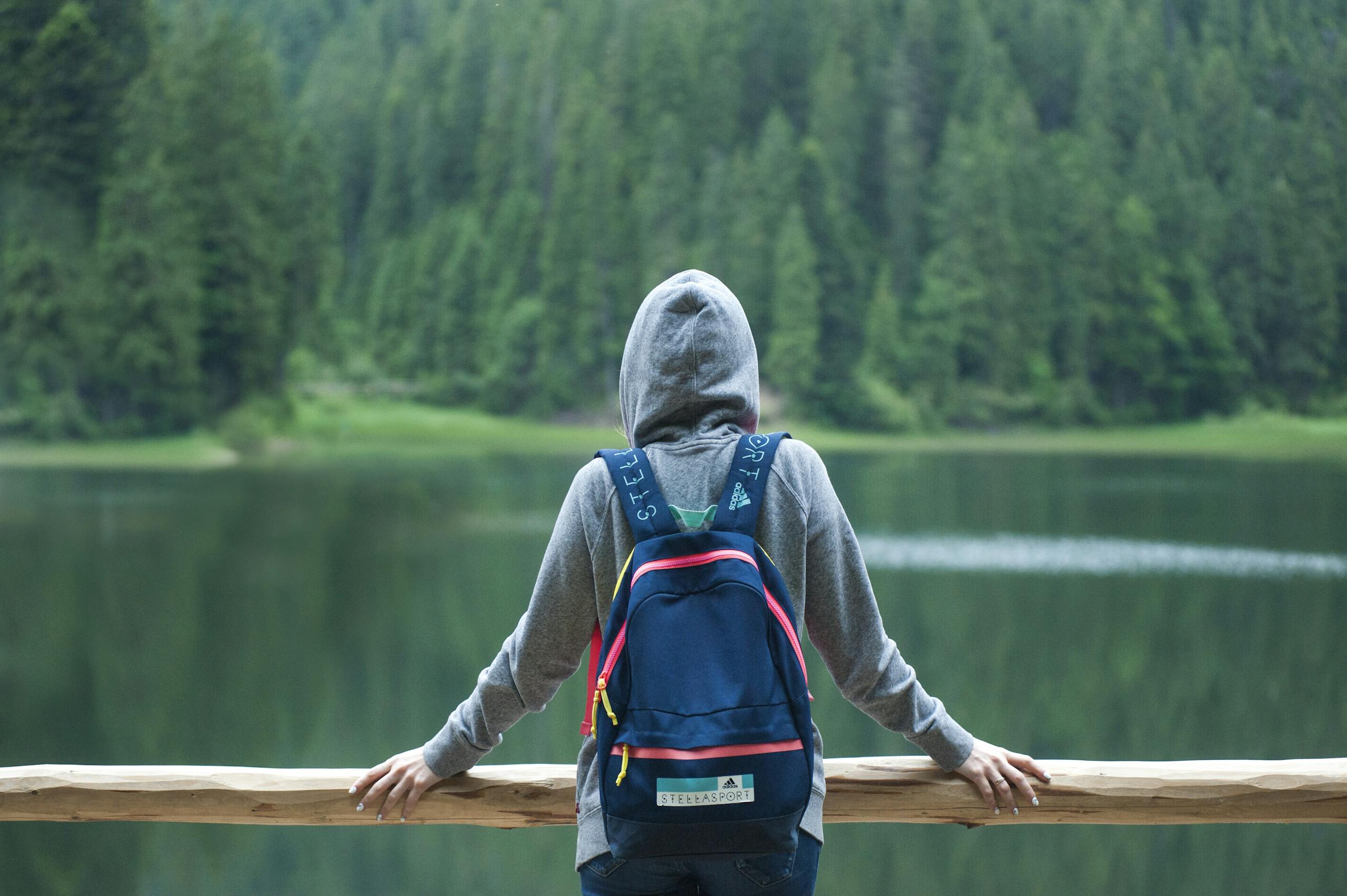
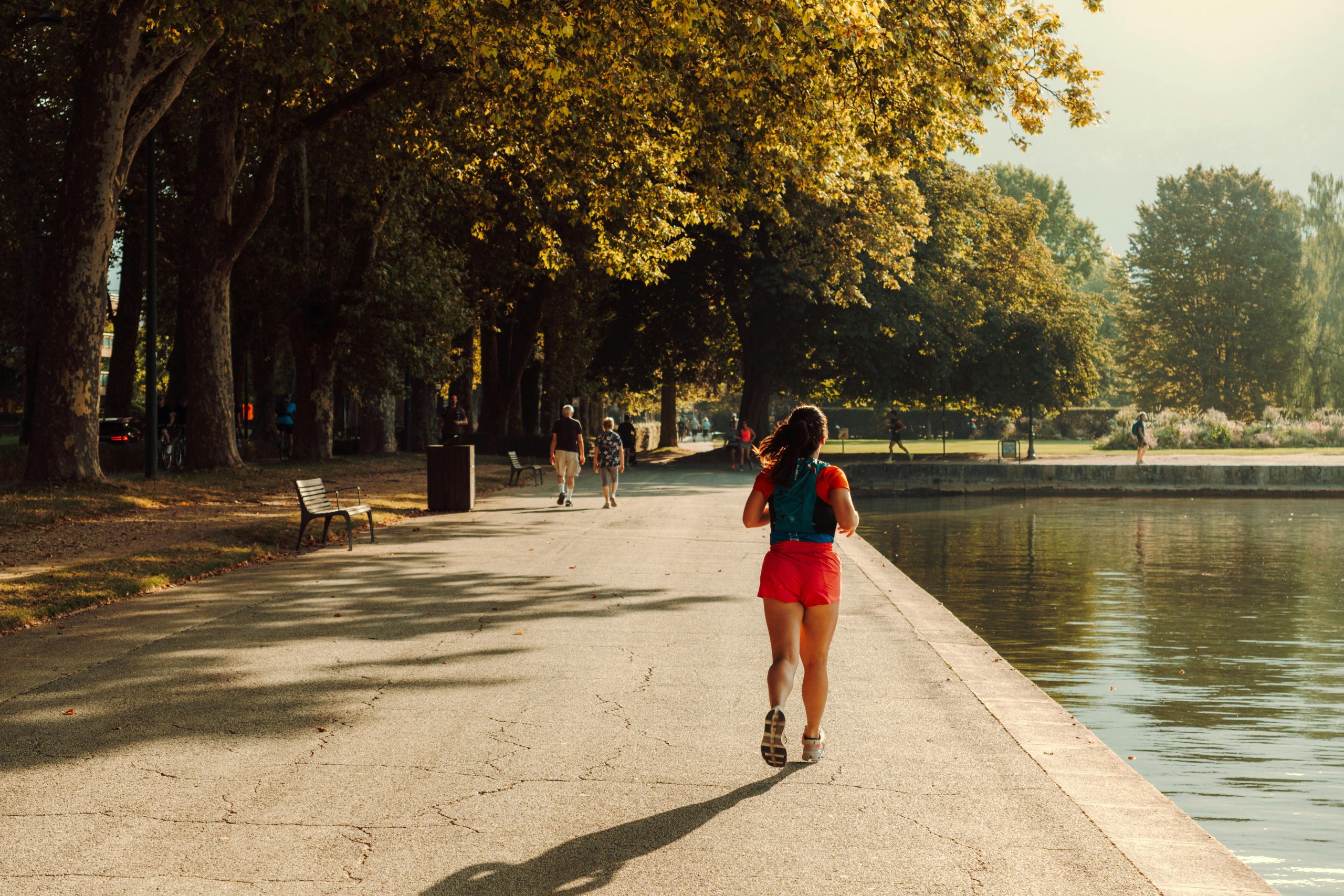
Some of my most genuinely restorative alone time over the years has happened outdoors. There’s something about being in nature that quiets a different layer of noise than staying indoors does. The mental chatter settles differently when there’s wind and open sky involved. I used to take long walks through a park near our agency’s office in the middle of the day, ostensibly to “think through a problem,” but honestly just to breathe without anyone needing something from me.
The connection between nature and restoration is well-documented for people who process deeply. This article on HSP nature connection and the healing power of the outdoors explores why natural environments offer a specific kind of relief that indoor solitude sometimes can’t replicate.
Other people find their best alone time in transit. Solo travel has grown significantly as a chosen experience rather than a logistical compromise. Psychology Today’s reporting on solo travel frames it as an intentional preference for many people, particularly those who find that traveling with others adds a layer of social management that undercuts the restorative purpose of the trip itself.
I’ve experienced this firsthand. Some of my clearest thinking has happened on solo work trips when the meetings ended and the evening was mine. No negotiating dinner preferences, no managing someone else’s energy alongside my own. Just a quiet room, whatever I wanted to read, and genuine rest.
The caption for that kind of evening practically writes itself: “Room service and no one to impress. This is the good life.”
How Do You Caption Alone Time Without Sounding Lonely?
This is the real tension, isn’t it. Our culture has done a thorough job of conflating solitude with loneliness, and that conflation creates a kind of social pressure around how you present your alone time. Post a photo of yourself at a restaurant alone and someone will inevitably ask if you’re okay.
The distinction between solitude and loneliness is actually meaningful and worth understanding clearly. Harvard Health’s writing on loneliness versus isolation draws a clear line: loneliness is the painful experience of feeling disconnected from others, while solitude is the chosen, often nourishing experience of being alone. One is a wound. The other is a resource.
A caption that communicates solitude rather than loneliness tends to be specific and grounded. It describes what you’re doing and why it’s good, not what you’re missing. “Three hours with a good book and zero notifications” reads as chosen. “Another night alone” reads as resigned. Same situation, entirely different energy.
Tone carries the most weight here. Contentment reads differently than wistfulness, and readers pick up on the difference even when they can’t articulate why. Write from a place of genuine satisfaction and the caption will reflect that. Write from a place of defending yourself against an imagined judgment and that will show too.
The CDC’s framework on social connectedness acknowledges that social isolation carries real health risks, which is worth taking seriously. And yet the same framework makes clear that chosen solitude within a life that includes meaningful connection is a different matter entirely. Introverts who recharge alone and then engage deeply with the people who matter to them aren’t isolated. They’re calibrated.

What Does Rest Actually Look Like for Introverts?
One of the things I got wrong for a long time was thinking that rest meant doing nothing. I’d finally get an evening to myself and then feel vaguely guilty about not being productive, or vaguely bored because I’d forgotten what I actually enjoyed doing when no one was watching.
Real rest, for an introvert, often looks like doing something absorbing and low-stimulation. Reading. Cooking without a time constraint. Working on a creative project with no deadline. Listening to music with actual attention rather than as background noise. These aren’t passive activities, but they’re internally directed, which is what makes them restorative rather than draining.
Sleep is its own category and one that introverts, especially highly sensitive ones, often need to be more intentional about. The mental processing that happens during alone time doesn’t always switch off cleanly at bedtime. These HSP sleep and recovery strategies address the specific challenges that come with a mind that keeps working after the day officially ends, and offer practical ways to actually land in rest rather than just lying in bed with a busy brain.
Building a consistent set of daily practices around alone time and self-care makes a significant difference over time. These essential daily self-care practices for HSPs are worth reading even if you don’t identify as highly sensitive, because many of the principles apply broadly to anyone who processes deeply and needs intentional restoration.
The physiological case for genuine rest is well-supported. Research published in PMC points to the connection between restorative downtime and cognitive function, mood regulation, and overall wellbeing. This isn’t about being lazy. It’s about maintaining the conditions under which you actually function well.
Can Alone Time Be a Form of Self-Respect?
Something I’ve come to believe, through years of getting this wrong before getting it right, is that protecting your alone time is an act of self-respect. Not selfishness. Not antisocial behavior. Self-respect.
When I finally started treating my solitude as non-negotiable rather than as something I’d get to “if there was time,” everything shifted. My thinking got cleaner. My decisions got better. My patience in difficult meetings actually improved because I wasn’t running on fumes from a week of unbroken social stimulation.
There’s a concept in personality research around the idea that introverts don’t just prefer solitude, they require it for optimal functioning. This PMC study on introversion and cognitive processing explores how introverts tend to process information more thoroughly and with greater internal engagement, which means the mental load of social interaction is genuinely higher, and the need for recovery time is correspondingly greater.
Understanding that changed how I talked about my alone time, even to myself. It stopped being something I apologized for and started being something I planned for. And once it was planned for, it became something worth capturing. Worth noting. Worth a caption.
There’s even something worth considering in how we document our alone time visually. Mac users in particular have built whole aesthetics around solitary productivity and quiet creative work. This piece on Mac alone time touches on how the tools and environments we choose for solitude shape the quality of that time, and how even the visual language of our alone time tells a story.
The Frontiers in Psychology literature on solitude and psychological wellbeing reinforces what many introverts know intuitively: the quality of time spent alone, when it’s chosen and purposeful, contributes meaningfully to overall life satisfaction. Naming that experience, in a caption or anywhere else, is part of owning it.
How Do You Find Your Own Voice for Alone Time Captions?
The captions that feel most authentic are the ones that sound like you, not like a quote you found on Pinterest. That means paying attention to how you actually think about your solitude, not how you think you’re supposed to think about it.
Start by noticing what you say to yourself when you finally get a stretch of alone time. What’s the first thought? What’s the exhale? That unguarded internal monologue is closer to your real caption than anything you’d construct for an audience.
Some people find their voice is dry and a little funny. “Cancelled plans: 1. Happiness: immeasurable.” Others find it’s more tender and observational. “The particular quality of light at 4 PM when the house is quiet and mine.” Neither is better. Both are honest.
What matters is that the caption reflects genuine experience rather than a performance of the introvert identity. There’s a difference between authentically communicating that you love your own company and constructing a persona around it. The first is grounding. The second is just another form of performing for an audience, which is exactly what solitude is supposed to give you a break from.
Write the caption you’d write if no one was going to read it. Then decide whether to share it. That sequence tends to produce something real.
There’s much more to explore about the full landscape of solitude, self-care, and what it means to truly recharge as an introvert. Our complete Solitude, Self-Care and Recharging hub brings together everything we’ve written on the topic, from daily practices to sleep to the deeper psychology of why some people need quiet in a way others simply don’t.
About the Author
Keith Lacy is an introvert who’s learned to embrace his true self later in life. After 20 years in advertising and marketing leadership, including running agencies and managing Fortune 500 accounts, Keith now channels his experience into helping fellow introverts understand their strengths and build fulfilling careers. As an INTJ, he brings analytical depth and authentic perspective to every article, drawing from both professional expertise and personal growth.
Frequently Asked Questions
What is a good caption for enjoying alone time?
A good caption for enjoying alone time is specific, honest, and free of apology. Phrases like “refilling what the week emptied,” “exactly where I need to be,” or “chose this, would choose it again” work well because they communicate contentment and intention rather than resignation. The best captions sound like they were written for yourself first, not for an audience’s approval.
How do you caption alone time without it seeming lonely?
The difference between a caption that reads as solitude versus loneliness comes down to tone and specificity. Describe what you’re doing and why it’s good, rather than what’s absent. “Three hours with a good book and no notifications” reads as chosen and satisfying. Grounded, present-tense language signals contentment, while vague or wistful language signals lack. Write from genuine satisfaction and that will come through.
Why do introverts need alone time so much?
Introverts tend to process social interaction more thoroughly and with greater internal engagement than extroverts, which means the mental load of being around people is genuinely higher. Alone time isn’t a preference or a quirk, it’s the recovery period that allows the nervous system and cognitive resources to restore. Without it, introverts often become irritable, less focused, and less like themselves. Solitude is the mechanism by which they return to baseline.
Is enjoying alone time healthy?
Chosen, intentional solitude is associated with real psychological benefits including improved mood, clearer thinking, and greater self-awareness. The important distinction is between solitude, which is chosen and purposeful, and isolation, which is involuntary and painful. Introverts who regularly spend time alone by choice, within a life that includes meaningful connection, tend to report higher wellbeing than those who either never get alone time or who are socially isolated against their will.
How do you find your own voice for writing about alone time?
Your authentic voice for alone time captions comes from paying attention to your unguarded internal experience, the first thought when you finally get solitude, the exhale when the house goes quiet. That unfiltered response is closer to your real voice than anything constructed for an audience. Write the caption you’d write if no one was going to read it, then decide whether to share it. That sequence consistently produces something genuine rather than performed.