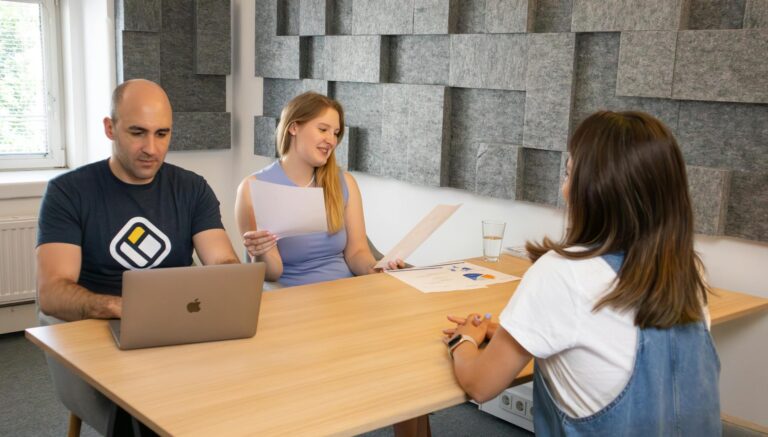

The conference room tension was thick enough to cut with a knife. Sarah, my ESTJ project manager, had just spent fifteen minutes detailing exactly why we needed to follow the established campaign workflow.
ENTP-ISFJ marriages work because ENTPs need the stability ISFJs provide while ISFJs crave the growth ENTPs offer. Communication pace differences create the biggest challenges: ENTPs process by rapid-fire verbal exploration while ISFJs need internal processing time before responding. Success requires ENTPs moderating their debate intensity and ISFJs expressing needs directly rather than through subtle signals.
I’ve spent over two decades in agencies observing how different personality types interact, but two ENTP-ISFJ marriages taught me something I hadn’t expected about opposite-type relationships.
The first couple I knew were close friends. She was an ISFJ, steady and nurturing, creating order wherever she went. He was an ENTP, jumping between ideas mid-conversation, challenging everything including his own beliefs. Watching them together felt like observing two entirely different operating systems trying to run the same program.
The second couple I worked with extensively on a long-term project. Same dynamic. Bold, idea-driven energy paired with grounded, detail-oriented nurturing. What surprised me wasn’t that they clashed. That part made sense to my INTJ brain. What surprised me was how remarkably strong their bonds were, provided each partner understood what the other needed.
As someone who processes relationships analytically, I initially assumed these pairings were doomed by their differences. I was completely wrong. ENTP-ISFJ marriages can create extraordinary partnerships, but they require something most couples don’t develop: genuine appreciation for fundamentally different ways of existing in the world.

What Makes ENTPs Tick in Relationships?
ENTPs are innovative visionaries who see possibilities everywhere and question everything. They represent about 3-4% of the population, and their defining characteristic is extraverted intuition paired with introverted thinking.
What’s your personality type?
Take our free 40-question assessment and get a detailed personality profile with dimension breakdowns, context analysis, and personalised insights.
Discover Your Type8-12 minutes · 40 questions · Free
What does this mean in practical terms? ENTPs think by talking. They process ideas aloud, jumping between concepts, playing devil’s advocate even against their own positions. They’re drawn to intellectual debate not because they enjoy conflict, but because they genuinely want to stress-test ideas and see problems from every angle.
The couples I observed demonstrated this perfectly. The ENTP partners would verbally process decisions, exploring possibilities that ranged from brilliant to ridiculous, often in the same breath. They weren’t indecisive; they were thorough in a way that drove their ISFJ partners to distraction.
ENTPs crave novelty. They score among the highest in creativity and are often found in careers requiring constant innovation. They get restless with routine and can appear scattered because they’re genuinely interested in everything, all at once. Their constant idea generation often leads to the classic ENTP paradox of brilliant ideas without follow-through.
In relationships, ENTPs bring energy, perspective, and growth. They push their partners to reconsider assumptions and explore new possibilities. But this same trait can make them appear unreliable or inconsistent to partners who value stability.

What Do ISFJs Bring to Marriage?
ISFJs are dutiful protectors who create stability through consistent care. They represent about 8-14% of the population, making them one of the more common personality types, and they’re characterized by introverted sensing paired with extraverted feeling.
The ISFJ partners I observed were masters of creating calm in chaos. They noticed details their ENTP spouses completely missed. They remembered birthdays, maintained traditions, and provided the grounding presence that allowed their partners’ ideas to become reality.
ISFJs value harmony above almost everything else. They make decisions based on how choices will affect the people they care about. They’re loyal to traditions not because they lack imagination, but because they trust what has proven to work in the past.
In my years observing introverted personality types, ISFJs stand out for their service-oriented approach to love. They show care through actions instead of words, anticipating needs before they’re expressed and creating environments where their loved ones feel safe.
But this can create problems. ISFJs often communicate needs subtly, expecting partners to pick up on quiet signals. With ENTPs, who miss subtle cues entirely, this leads to predictable frustration.
Why Do These Opposite Types Attract?
When I first observed these couples, I couldn’t understand the initial attraction. As an INTJ, I value competence and intellectual compatibility. What could possibly draw together two people who process information so differently?
The answer revealed itself over time. ISFJs are drawn to the confidence and creativity of ENTPs. They admire the ability to see possibilities everywhere, to challenge convention without fear, to bring excitement into structured lives.
ENTPs, in turn, are attracted to the warmth and stability ISFJs provide. After spending energy debating and questioning everything, they crave the calm acceptance and grounding presence of someone who creates order instead of constantly disrupting it.
One ENTP I observed described his ISFJ wife as “the person who makes my ideas possible.” Without her follow-through, attention to detail, and practical implementation skills, his innovations would remain theoretical. She provided the structure that allowed his creativity to flourish.
The ISFJ partners described their ENTPs as “the person who reminds me there’s more than one way.” They appreciated being pushed beyond comfort zones and seeing familiar situations from entirely new perspectives.

Such complementary dynamics create powerful partnerships when both people value what the other provides. The problems emerge when either partner tries to change the other’s fundamental nature.
If this resonates, enfp-teachers-when-authenticity-meets-broken-systems goes deeper.
How Do Communication Speed Differences Create Conflict?
The most consistent conflict I witnessed centered on communication speed and style.
ENTPs process ideas by talking through them, often jumping between topics mid-thought. They don’t need responses; they need sounding boards. Unlike personality types that lead with conviction, such as those explored in discussions of leadership approaches between feeling and thinking types, ENTPs thrive on intellectual flexibility. They’ll argue one position, then switch to arguing the opposite, all while exploring a concept.
ISFJs process internally before speaking. They need time to consider implications, understand how decisions affect people, and form coherent responses. Being bombarded with rapid-fire ideas while still processing the first concept creates genuine overwhelm.
I watched this play out repeatedly. The ENTP partner would come home energized, verbally processing some new idea or work challenge, jumping between thoughts. The ISFJ partner would shut down, unable to keep up, feeling pressured to respond before they’d finished thinking.
- ENTPs interpret withdrawal as disinterest because they process emotions externally and expect immediate engagement during discussion
- ISFJs interpret verbal barrages as pressure to provide answers they haven’t formulated yet, creating anxiety instead of connection
- Both partners feel misunderstood because they’re operating from completely different communication frameworks
- The cycle reinforces itself when the ENTP increases intensity trying to get response while the ISFJ retreats further
- Neither realizes the other’s behavior stems from cognitive differences rather than lack of care or interest
The couples who handled this successfully developed explicit agreements. “Give me twenty minutes to decompress when I get home, then I want to hear everything” became a common compromise. The ENTP got their verbal processing time; the ISFJ got space to prepare for high-energy interaction.

Why Do Emotional Expression Styles Clash?
The emotional disconnect created even deeper problems than communication pace.
ENTPs debate to understand. They’ll argue about emotional topics with the same analytical detachment they bring to intellectual discussions. It’s not coldness; it’s their genuine attempt to think through feelings logically.
ISFJs withdraw when conversation gets too intense emotionally. They need time alone to process feelings before they can articulate them. Direct confrontation feels threatening, not clarifying.
A predictable cycle emerges: The ENTP pushes for immediate discussion of emotional issues. The ISFJ retreats to process internally. The ENTP interprets retreat as avoidance or lack of care. The ISFJ interprets pursuit as aggression.
Neither means harm. They simply process emotions through entirely different mechanisms.
I watched one couple nearly separate over this pattern. The ENTP husband couldn’t understand why his wife wouldn’t “just talk about it.” The ISFJ wife felt constantly attacked for her emotional responses. Both felt lonely in the relationship despite genuine love for each other.
Their breakthrough came when they learned to recognize the pattern before it escalated. The ENTP agreed to give his wife processing time. The ISFJ agreed to verbalize her need for space instead of just withdrawing. “I need two hours to think about this, then I’ll be ready to discuss it” became their standard phrase.
Understanding why ENTPs struggle to listen without debating transformed their marriage. They stopped taking each other’s processing styles personally and started treating them as neutral differences requiring accommodation.
How Does the Routine Versus Spontaneity Conflict Play Out?
The daily friction point these couples faced centered on structure versus flexibility.
ISFJs create stability through consistent routines. They find comfort in predictable schedules, regular traditions, and established ways of doing things. Such patterns aren’t rigidity; it’s how they conserve energy and create the calm they need to function well. This reliability and authenticity is what genuinely attracts decisive personalities who value substance over superficial displays.
ENTPs get restless with routine. They’re energized by novelty and variety, often refusing to do tasks the same way twice. Predictable schedules feel stifling instead of comforting.
I observed this playing out in everything from weekend plans to holiday traditions. The ISFJ partner wanted established routines. Friday nights were movie nights. Thanksgiving followed the same menu. Sunday mornings involved specific activities.
The ENTP partner would suggest spontaneous changes. “Let’s try that new restaurant instead.” “What if we did Thanksgiving completely differently this year?” “I saw this article about an interesting place, let’s go check it out right now.”
To my INTJ sensibility, both approaches made sense in different contexts. Strategic planning requires structure, but innovation requires flexibility. The key question wasn’t which approach was better, but how to honor both needs.

The successful couples created “structured flexibility.” Core routines remained consistent but built in novelty space. Friday night was movie night, but they alternated who chose the movie and where they watched it. Thanksgiving maintained key traditions but incorporated one new element each year. Weekends had designated “spontaneity time” where anything could happen. Understanding where ENTPs thrive with creativity plus structure helped these couples find sustainable balance.
Such compromises satisfied both partners’ needs without forcing either to abandon their comfort zone entirely.
What About Risk Tolerance in Major Decisions?
Financial decisions, career changes, parenting approaches. Every major life choice highlighted the fundamental difference in how ENTPs and ISFJs assess risk.
ENTPs love experimentation. They see risk as opportunity and trust their ability to adapt if things don’t work out. “Let’s try it and see what happens” is their default approach.
ISFJs prefer proven, reliable paths. They value security and careful consideration of how decisions affect everyone involved. “Let’s research this thoroughly and make sure it’s safe” is their instinct.
I watched these couples work through major decisions with vastly different comfort levels. The ENTP wanted to quit a stable job to start a business. The ISFJ wanted five years of financial runway first. The ENTP suggested moving across country for an opportunity. The ISFJ wanted to maintain proximity to family support systems.
Neither approach was wrong. Different personality types have different risk tolerance, and both bring valuable perspective to major decisions. Such entrepreneurial pulls are common among ENTPs, who often make brilliant entrepreneurs despite struggling as traditional employees.
- ENTPs see opportunity first, risk second because their intuitive processing focuses on possibilities rather than potential problems
- ISFJs see risk first, opportunity second because their sensing function prioritizes concrete consequences over abstract potential
- Both perspectives add value to decision-making when couples learn to integrate rather than fight their different approaches
- Successful compromises honor both viewpoints by pursuing opportunities with adequate safety measures in place
- The key insight: neither is “right” or “wrong” but both contribute essential elements to sound judgment
The couples who thrived found compromise approaches. They’d pursue the exciting opportunity but with the safety measures in place first. They’d make the career change but maintain financial buffers. They’d embrace novelty but protect core stability.
Such arrangements required genuine respect for each other’s concerns. The ENTP had to acknowledge that the ISFJ’s caution wasn’t cowardice; it was prudent planning. The ISFJ had to recognize that the ENTP’s risk-taking wasn’t recklessness; it was confidence in their adaptability.
What Are the Unexpected Strengths of ENTP-ISFJ Marriages?
Despite the challenges, ENTP-ISFJ marriages demonstrate remarkable strengths when both partners commit to understanding each other.
Most surprisingly, both types value loyalty deeply. Loyalty becomes the relationship anchor. When communication fails, routines clash, or risk assessment differs, their commitment to each other holds the marriage together through difficulty.
The ISFJ’s unwavering dedication combined with the ENTP’s genuine investment creates partnerships that withstand stress better than more “compatible” pairings might.
After observing these couples through years of interaction, certain patterns emerged among the successful partnerships versus those that struggled.
- ISFJs provide grounding that ENTPs desperately need. The creative chaos of constant idea generation requires someone to implement, organize, and follow through. ISFJs excel at turning concepts into reality through practical execution.
- ENTPs provide growth that ISFJs deeply benefit from. The comfort of routine can become a rut without external push. ENTPs expand their partners’ worlds, encouraging exploration beyond familiar territory and revealing possibilities they wouldn’t have considered.
- ISFJs create emotional safety. ENTPs thrive with consistent, calm support. After spending energy challenging and debating in the external world, coming home to acceptance and stability provides essential recharge time.
- ENTPs offer perspective. ISFJs benefit from seeing alternatives their service-oriented nature might miss. ENTPs help their partners recognize when they’re overextending and suggest different approaches.

How Can ENTPs Adapt for ISFJ Partners?
The single most important adjustment I witnessed ENTPs make was consciously moderating their communication pace, especially during conflict.
Moderate Communication Pace
ISFJs internalize tone faster than ENTPs realize. A debate-style approach that feels intellectually engaging to the ENTP lands as personal attack to the ISFJ, which is why understanding ENTP conflict resolution approaches can help bridge this gap. The energetic verbal processing that helps ENTPs think becomes overwhelming bombardment for partners who need processing time.
Successful ENTP partners learned to:
- Give their spouse warning before launching into rapid-fire idea processing
- Check in mid-conversation: “Do you need a break to process this?”
- Recognize when debate mode automatically activated and consciously shift to connection mode
- Save complex discussions for times when their partner had energy to engage
- Accept that silence wasn’t rejection; it was internal processing
Such adjustments went against every ENTP instinct. Their natural communication style involves thinking aloud and testing ideas through verbal exploration. Moderating that pace required genuine effort and conscious attention.
But the payoff was remarkable. When ISFJs felt they had space to process instead of pressure to respond immediately, they engaged more deeply and brought valuable insights ENTPs would have missed by rushing.
Respect Need for Emotional Processing Time
The breakthrough moment I observed repeatedly was when ENTPs stopped interpreting their partner’s need for processing time as avoidance.
ENTPs want immediate resolution. When emotions run high, their instinct is to talk it through right now, analyze the problem, find solutions. But ISFJs need time alone to understand what they’re feeling before they can articulate it.
Successful ENTPs learned that giving space wasn’t giving up. It was respecting a different emotional processing system. They stopped pursuing when partners withdrew, trusting that the ISFJ would return ready to discuss once they’d sorted through their feelings internally.
How Can ISFJs Adapt for ENTP Partners?
The other critical adjustment happened when ISFJs learned to verbalize needs explicitly instead of expecting partners to pick up subtle signals.
Express Needs Directly
ENTPs don’t register indirect communication. They’re focused on concepts and possibilities, not interpersonal cues. The quiet withdrawal that signals distress to other feeling types barely registers to the ENTP as noteworthy. Such tendencies sometimes manifest as ENTPs ghosting people they actually care about simply because they’re absorbed in ideas.
Successful ISFJ partners learned to:
- State needs directly: “I need alone time to recharge” instead of just disappearing
- Express feelings explicitly: “I feel overwhelmed by this conversation” instead of going quiet
- Make requests clear: “I need you to listen without offering solutions” instead of hoping partners intuited this
- Identify what they needed before interactions instead of expecting partners to guess
- Recognize that ENTPs’ missing subtle cues wasn’t indifference; it was genuine cognitive difference
Such adjustments challenged ISFJs’ natural communication style. They’re accustomed to reading emotional atmospheres and communicating through action instead of direct statement. Learning to verbalize internal experiences felt uncomfortable and sometimes confrontational.
But when ISFJs communicated explicitly, ENTPs responded with genuine care and accommodation. The problem was never lack of concern; it was lack of awareness that needs existed.
Accept Debate as Connection
One of the hardest shifts for ISFJs was recognizing that when ENTPs debate, they’re not attacking. They’re connecting.
In my experience managing diverse teams, I learned that different personality types show interest in vastly different ways. ENTPs show they care by engaging intellectually. They debate because they value your perspective enough to test it thoroughly.
ISFJs who succeeded in these marriages learned to separate intellectual challenge from personal criticism. They recognized that “I disagree” didn’t mean “you’re wrong” or “I don’t respect you.” It meant “I’m interested enough to explore this thoroughly with you.”
What Practical Systems Make ENTP-ISFJ Marriages Work?
The couples who thrived developed what I call “structured flexibility,” systems that satisfied both partners’ core needs.
Create Structured Flexibility
Structured flexibility meant:
- Establishing core routines that provided ISFJ stability while building in ENTP novelty space
- Creating “yes days” where the ENTP could be spontaneous within agreed parameters
- Maintaining traditions but allowing innovative variations
- Scheduling adventure time alongside predictable structure
- Agreeing on non-negotiable routines while keeping everything else flexible
One couple maintained strict morning and evening routines that gave the ISFJ the stability she needed, but kept midday and weekends completely open for spontaneous exploration. Another established monthly traditions while making weekly plans flexible.
Such approaches recognized that both structure and spontaneity have value depending on context and individual needs. Instead of fighting over which approach was better, they built systems incorporating both.
Establish No-Debate Zones
The most valuable boundary these couples established was recognizing when NOT to engage in typical ENTP-style debate.
ENTPs shift into argument mode automatically when confronted with emotional situations. It’s their default problem-solving approach. But ISFJs shut down emotionally when conversations feel combative, even if partners don’t intend confrontation.
Successful couples learned to:
- Postpone complex discussions until both partners had emotional energy
- Establish “no debate zones” around particularly sensitive topics
- Create signals for “I need connection, not problem-solving right now”
- Recognize when emotions were too high for productive discussion
- Switch to empathy mode instead of analysis mode during vulnerable moments
Such boundaries required ENTPs to fight their instinct to immediately analyze and solve. It required ISFJs to explicitly state when they needed emotional support instead of logical solutions.
The adjustment paid off dramatically. When ENTPs learned to offer presence without analysis during emotional moments, ISFJs felt genuinely supported. When ISFJs clearly identified what they needed, ENTPs could deliver without confusion about what response was appropriate.
Value Differences as Strengths
The fundamental shift that transformed struggling partnerships into thriving ones was perspective change about differences themselves.
Early in relationships, both partners often tried to convert the other. ENTPs pushed ISFJs toward more spontaneity and risk-taking. ISFJs encouraged ENTPs toward more structure and caution. Both felt the other would be “better” if they changed.
Successful couples stopped trying to change each other and started honoring the balance their differences created. They recognized that:
- ENTP energy plus ISFJ stability creates completeness neither achieves alone
- Different approaches to problems generate better solutions than either type produces independently
- Personality differences aren’t problems to solve but strengths to leverage
- Trying to change your partner’s fundamental nature damages the very traits that attracted you initially

Such reframes transform relationship dynamics. Instead of fighting about differences, couples strategize about how to use their complementary strengths effectively. The ENTP brings innovation; the ISFJ brings implementation. Together they accomplish what neither could alone.
What Did I Learn About Compatibility from These Marriages?
My analytical observation of these marriages taught me something important about relationship compatibility that I’d missed in my initial assessment.
As an INTJ, I initially judged these pairings through my own framework. I assumed successful relationships required similar cognitive processing, shared communication styles, and aligned decision-making approaches. When I watched ENTP-ISFJ couples clash over seemingly fundamental issues, I concluded they were incompatible.
I was wrong.
What I learned was that compatibility isn’t about similarity. It’s about mutual respect, willingness to accommodate differences, and genuine appreciation for what your partner brings to the relationship.
The strongest ENTP-ISFJ marriages I observed had more stability and satisfaction than many “compatible” pairings because both partners actively worked to understand and honor each other’s needs. They didn’t just tolerate differences; they leveraged them.
This insight helped me in professional contexts as well. I stopped assuming that similar personality types would automatically collaborate better and started recognizing that understanding ENTP execution challenges helps teams leverage diverse cognitive approaches for better outcomes.
The key insight these couples demonstrated: ENTP energy plus ISFJ stability creates a powerful, balanced partnership when both partners stop trying to convert each other and start honoring the balance they naturally create.
Frequently Asked Questions
Can ENTP and ISFJ marriages actually work long-term?
Yes, but they require more intentional communication and accommodation than similar-type pairings. The couples I observed who succeeded long-term developed explicit agreements about communication pace, decision-making processes, and balance between structure and spontaneity. They recognized that their differences created strength instead of weakness when both partners committed to understanding each other’s needs.
What’s the biggest challenge in ENTP-ISFJ relationships?
Communication pace mismatch creates the most consistent friction. ENTPs process ideas by talking rapidly and jumping between concepts, while ISFJs need time to process internally before responding. This fundamental difference in communication style requires conscious accommodation from both partners to avoid the ISFJ feeling overwhelmed and the ENTP feeling ignored.
Why are ENTPs attracted to ISFJs?
ENTPs are drawn to the stability, warmth, and grounding presence ISFJs provide. After spending energy debating and questioning everything in the external world, ENTPs crave the calm acceptance and practical support of partners who create order instead of chaos. ISFJs help ENTPs turn their ideas into reality through follow-through and attention to detail.
What do ISFJs see in ENTPs?
ISFJs appreciate the perspective, growth, and excitement ENTPs bring to their lives. ENTPs push ISFJs beyond comfort zones, reveal new possibilities, and prevent the routine from becoming a rut. They offer intellectual stimulation and challenge assumptions in ways that expand ISFJs’ worldviews while respecting their core values.
How do ENTP-ISFJ couples handle conflict?
Successfully by recognizing that their conflict styles differ fundamentally. ENTPs want immediate discussion and logical analysis, while ISFJs need processing time and emotional connection. Couples who thrive establish explicit agreements about when and how to address conflicts, giving ISFJs processing space while ensuring ENTPs don’t feel avoided.
What’s the secret to making opposite-type marriages work?
Stop trying to change your partner’s fundamental nature. The couples I observed who thrived celebrated their differences instead of fighting them. They recognized that ENTP innovation plus ISFJ implementation, ENTP risk-taking plus ISFJ caution, and ENTP spontaneity plus ISFJ structure creates balance neither achieves alone. Mutual respect and active accommodation matter more than personality similarity.
Conclusion
After observing two ENTP-ISFJ marriages closely for years, my initial skepticism about opposite-type pairings transformed into respect for what these couples achieve when both partners commit to understanding each other.
These marriages aren’t easy. The communication challenges, emotional processing differences, and clash between routine and spontaneity create genuine friction requiring ongoing attention. But when both partners recognize that their differences create strength instead of weakness, ENTP-ISFJ pairings build relationships with remarkable stability and depth.
The ENTP brings growth, perspective, and innovation. The ISFJ provides grounding, implementation, and emotional safety. Together they create partnerships more complete than either personality type achieves in similar-type relationships.
The key insight I gained from watching these couples: this pairing thrives when both partners stop trying to convert each other and start honoring the balance they naturally create. ENTP energy plus ISFJ stability isn’t a problem to solve but a complementary dynamic to leverage.
If you’re in an ENTP-ISFJ marriage or considering one, remember that your differences aren’t obstacles. They’re opportunities to build something neither personality type creates alone.
This article is part of our ENTP Personality Type , explore the full guide here.
About the Author
Keith Lacy is an introvert who’s learned to embrace his true self later in life. With a background in marketing and a successful career in media and advertising, Keith has worked with some of the world’s biggest brands. As a senior leader in the industry, he has built a wealth of knowledge in marketing strategy. Now, he’s on a mission to educate both introverts and extroverts about the power of introversion and how understanding this personality trait can access new levels of productivity, self-awareness, and success.