
An entrata homebody is someone who has moved past simply preferring to stay home and has built their living space into a genuine source of restoration, meaning, and daily satisfaction. Rather than treating home as a retreat from the world, they treat it as the world itself. For introverts especially, this shift from passive preference to intentional lifestyle changes everything about how energy gets spent and recovered.
My home has always been my operating system. Even during the years I was running agencies and flying to client meetings every other week, the moment I walked through my front door something in me exhaled. Not because I was hiding. Because I was finally somewhere that matched the pace of my mind.
What I didn’t understand for a long time was that this pull toward home wasn’t a flaw in my character. It was data about how I’m wired. And once I stopped apologizing for it, I started building something intentional around it.

If you’re exploring what it means to build a home environment that genuinely supports your introverted nature, our Introvert Home Environment hub covers the full range of topics, from sensory design to homebody culture to finding the right rhythms indoors. The entrata homebody concept fits squarely into that conversation, because it’s really about what happens when home stops being a default and becomes a deliberate choice.
What Does “Entrata Homebody” Actually Mean?
The word “entrata” comes from Italian, meaning entrance or entry. In music, it refers to the opening movement, the moment something begins. When you pair that idea with the homebody identity, you get something interesting: not someone who has retreated, but someone who has entered a particular way of living with full intention.
What’s your personality type?
Take our free 40-question assessment and get a detailed personality profile with dimension breakdowns, context analysis, and personalised insights.
Discover Your Type8-12 minutes · 40 questions · Free
That framing matters to me. For most of my career, the word “homebody” carried a slightly apologetic connotation. It implied you weren’t quite up for the world, that you were opting out of something more important happening elsewhere. I absorbed that narrative more than I realized. I compensated by overscheduling myself, by saying yes to dinners I didn’t want to attend and networking events that left me hollow for two days afterward.
The entrata framing flips that completely. It suggests you’re not retreating from something. You’re entering something. There’s agency in it. There’s intention. And for introverts who process the world through depth rather than breadth, that distinction carries real psychological weight.
A 2020 study published in PubMed Central examined how environmental factors influence psychological restoration, finding that personally meaningful spaces play a significant role in emotional recovery. For introverts who already gravitate toward home as a primary restoration environment, building that space with intention amplifies the effect considerably.
Why Do Introverts Feel So Strongly About Their Home Environments?
My INTJ mind has always been running multiple threads simultaneously. During my agency years, I’d be in a client presentation while simultaneously processing the subtext of what the brand manager wasn’t saying, cataloging three strategic angles I wanted to explore later, and noticing that the fluorescent lighting in the conference room was giving me a low-grade headache. That’s not unusual for introverts. We take in a lot.
Which means the spaces we inhabit either support that processing or work against it. A chaotic, overstimulating environment doesn’t just feel uncomfortable. It actively competes with the internal work our minds are constantly doing. Home, when it’s designed thoughtfully, becomes the one place where the external environment and the internal one can finally synchronize.
This is why so many introverts find themselves drawn to principles like HSP minimalism, the practice of simplifying your physical environment to reduce sensory load. Even for those who don’t identify as highly sensitive, there’s something clarifying about removing visual noise from your primary living space. It’s not about aesthetics. It’s about bandwidth.
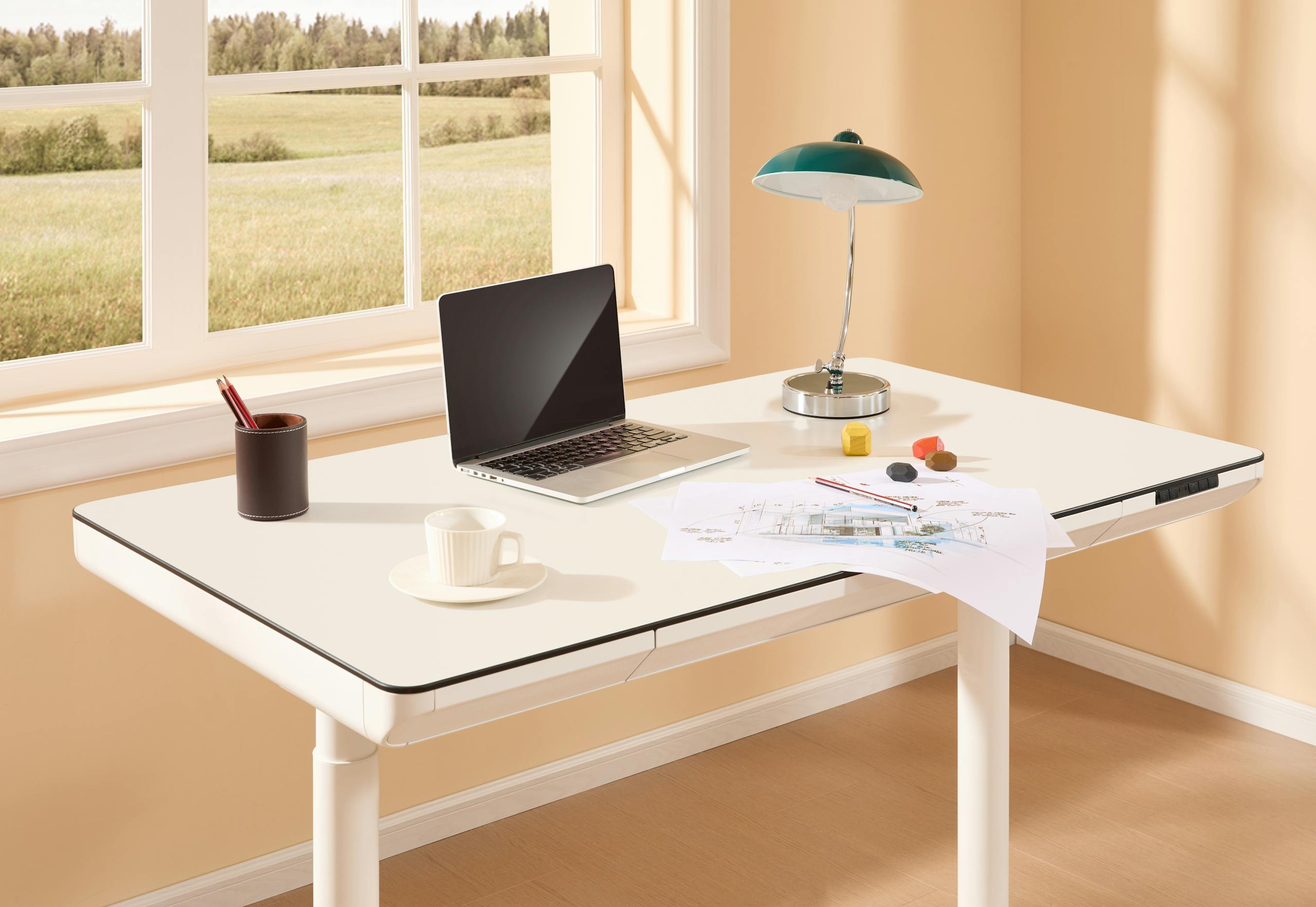
I remember redesigning my home office after leaving my last agency. I’d spent years in open-plan offices, surrounded by the ambient noise of creative teams, account managers, and the occasional client walking through unannounced. My home office had unconsciously inherited that same energy: stacks of reference materials, a whiteboard covered in half-finished frameworks, three different charging cables draped across the desk. When I finally cleared it down to what I actually used daily, my thinking changed. Not because clutter is morally wrong, but because my particular mind processes better without visual competition.

What Separates a Thoughtful Homebody Lifestyle From Simply Staying In?
There’s a version of staying home that’s avoidance. I’ve been there. After particularly brutal stretches of client work, I’d spend entire weekends on the couch not because I was restoring myself but because I had nothing left. That’s not the entrata homebody lifestyle. That’s depletion wearing the costume of preference.
The distinction shows up in how you feel after the time at home. Avoidance leaves you feeling vaguely guilty, still tired, and slightly behind on everything. Genuine restoration leaves you feeling like yourself again. The entrata homebody builds their home life around the second outcome, not just by accident, but by design.
Part of that design involves knowing what actually restores you versus what merely distracts you. Scrolling for two hours might feel like rest, but for most introverts it’s closer to low-grade stimulation that delays recovery. Reading, by contrast, engages the mind in a focused, self-directed way that many introverts find genuinely restorative. That’s why a good homebody book isn’t just entertainment. It’s infrastructure.
When I started paying attention to what actually moved the needle on my energy levels after difficult work periods, the pattern was clear. Long walks and reading restored me fastest. Cooking a meal I’d been meaning to try restored me. Reorganizing a bookshelf, which sounds almost embarrassingly mundane, restored me. These weren’t activities I’d have listed on a personality quiz as my hobbies. They were just the things that reliably brought me back to myself.
The entrata homebody pays attention to that data and builds their home life around it, rather than defaulting to whatever the culture says relaxation should look like.
How Does the Entrata Homebody Handle Social Connection Without Leaving Home?
One of the assumptions people make about homebodies is that they must be lonely or socially avoidant. In my experience, that conflates introversion with isolation, which are genuinely different things. Many introverts crave meaningful connection. They simply prefer it in forms that don’t require them to spend three hours in a loud restaurant afterward wondering why they feel worse than before they left.
The rise of digital connection has been genuinely useful here. Not in a shallow, performative way, but in the sense that it’s made depth-oriented connection possible without the logistical and energetic overhead of in-person socializing. I’ve had more substantive conversations in the last few years through text and voice than I had in many years of mandatory networking events. Psychology Today has written thoughtfully about why deeper conversations matter more than frequent ones, and that research aligns with what I’ve observed in myself and in the introverts I’ve worked with over the years.
For introverts who want to maintain social connection from home, chat rooms built for introverts offer something genuinely different from social media. They tend to attract people who prefer text-based, thoughtful exchange over the performance of constant visibility. That’s a real distinction, and it matters for homebodies who want community without the sensory and social overhead of in-person gatherings.
I managed a team of twelve people during one particularly intense agency growth period, and I noticed something consistent: the introverts on my team, including several INFJs and ISFPs, did their best relational work in writing. Give them a Slack channel or an email thread and they were warm, thoughtful, and deeply connected to their colleagues. Put them in a mandatory all-hands meeting and they went quiet. The connection was always there. The format was the variable.

What Role Does Physical Comfort Play in the Entrata Homebody Experience?
There’s something worth saying plainly here: physical comfort is not a luxury for introverts. It’s a functional requirement. When the body is comfortable, the mind can do what it does best. When the body is cold, cramped, or perched on something that wasn’t designed for extended use, cognitive and emotional processing takes a hit.
The homebody couch has become something of a cultural symbol, and not always a flattering one. But strip away the lazy-day stereotypes and what you’re left with is a piece of furniture that, when chosen thoughtfully, becomes a genuine anchor for restoration. The right couch for an introvert isn’t just about softness. It’s about having a place in your home that signals, reliably, that you are allowed to slow down now.
I spent years in offices designed for productivity, not comfort. Glass walls, standing desks, chairs that looked architectural and felt punishing. When I finally had full control over my own environment, I made different choices. Not because I’d given up on productivity, but because I’d learned that for my particular brain, comfort and focus aren’t in tension. They’re related. A body that isn’t fighting its environment frees up the mind to actually think.
This extends beyond furniture. Temperature, lighting, sound levels, the scent of a space, the visual weight of what’s on the walls. Introverts, and especially those with heightened sensitivity, process all of these inputs whether they’re consciously attending to them or not. Building a home that accounts for this isn’t indulgent. It’s practical.
A body of work published through PubMed Central on environmental psychology supports the idea that physical surroundings have measurable effects on mood, cognitive performance, and stress recovery. For introverts who already carry a higher baseline of environmental sensitivity, the cumulative impact of a poorly designed home environment can be significant over time.
How Do You Build a Home That Actually Supports Introverted Recovery?
Building toward the entrata homebody lifestyle isn’t a single project. It’s an ongoing calibration. You learn what works, adjust what doesn’t, and gradually develop a home environment that feels less like a place you happen to live and more like a space that was built for how you actually function.
A few principles have stayed consistent for me across multiple homes and life phases.
Designate zones for different mental states. My home has a place for focused work, a place for passive rest, and a place for active leisure like cooking or reading. Moving between them physically signals a shift in mode. This matters more than it sounds. When everything happens in the same chair, the mind struggles to transition between states.
Protect the sensory baseline. I keep the common areas of my home relatively quiet and visually calm. Not sterile, but uncluttered. The spaces where I do focused thinking are the most controlled. The spaces where I relax can afford more warmth and texture. The distinction is intentional.
Curate what comes in. Books, objects, art. Every introverted homebody I know has strong opinions about what belongs in their space. That’s not preciousness. It’s an accurate read of the fact that our environments are always communicating with us, and we get to decide what they say.
When thinking about what to add to a home environment, the framing of gifts for homebodies is actually a useful lens even when you’re shopping for yourself. What objects genuinely support the way you spend your time at home? What would make your most restorative activities easier, more comfortable, or more enjoyable? Those are the things worth investing in.

What Does Burnout Recovery Look Like for the Entrata Homebody?
Burnout and introversion have a complicated relationship. Many introverts don’t recognize burnout when it arrives because they’ve spent years treating their depletion as a personal failing rather than a physiological response to chronic overstimulation. By the time the symptoms become impossible to ignore, the deficit has been building for months.
I burned out twice during my agency years. The first time, I didn’t name it correctly. I called it “needing a vacation” and took a week off, then returned to exactly the same conditions. The second time, I finally understood what was happening. I wasn’t just tired. My capacity for sustained engagement had been depleted past a threshold that a week of rest wouldn’t fix.
What actually helped was a longer, more deliberate withdrawal into home life. Not isolation, but a sustained period of low-stimulation, self-directed time. I cooked. I read. I sat in my backyard in the mornings without a phone. I had a few long conversations with people I genuinely cared about. I did not attend anything I didn’t want to attend. Slowly, across several weeks, something rebuilt itself.
The entrata homebody lifestyle, at its best, is partly a burnout prevention strategy. When home is genuinely restorative and you’re spending meaningful time there regularly, you’re less likely to arrive at the kind of systemic depletion that requires weeks to recover from. The daily return to a space that supports your nervous system does cumulative work over time.
Frontiers in Psychology has published work on the relationship between environmental factors and psychological wellbeing that speaks to this. The spaces we inhabit regularly shape our baseline stress levels in ways that compound over time. Building a home that actively supports recovery isn’t a passive benefit. It’s an active intervention.
How Do Entrata Homebodies handle the Tension Between Comfort and Stagnation?
This is the question I get most often when I talk about the homebody lifestyle with other introverts. Isn’t there a risk of becoming too comfortable? Of using home as a way to avoid growth, challenge, or the friction that produces real development?
It’s a fair question, and I don’t think the answer is to dismiss it. Comfort can become avoidance. The entrata homebody who never leaves, never challenges themselves, and uses home as a permanent buffer against difficulty isn’t thriving. They’re hiding. And there’s a difference.
What distinguishes the two is intentionality and direction. A homebody who reads widely, thinks deeply, engages in meaningful creative or intellectual work, maintains genuine relationships, and periodically steps into discomfort by choice is not stagnating. They’re operating in an environment that supports their best functioning, which often produces more growth than forcing themselves into environments that don’t.
Some of the most significant professional development I experienced happened not in conferences or workshops but in long evenings at home reading, writing, and thinking through problems I’d been carrying for weeks. My agency work benefited enormously from that internal processing time, even though it looked from the outside like I was just at home.
The homebody gift guide I put together for this site reflects this philosophy. The best gifts for a homebody aren’t just comfort items. They’re things that support active engagement with ideas, creativity, and personal development from within a home environment. There’s a meaningful difference between a gift that encourages passive consumption and one that supports a homebody’s richest inner life.
Psychology Today has explored how introverts and extroverts process conflict and challenge differently, noting that introverts often need more internal processing time before they’re ready to engage productively. That’s not avoidance. It’s a different processing timeline. The entrata homebody builds their home life around honoring that timeline rather than fighting it.
What Does the Entrata Homebody Know That Others Are Still Learning?
There’s a cultural moment happening right now around the homebody identity. What was once treated as a quirk or a limitation is increasingly being recognized as a legitimate and even sophisticated way of living. The pandemic accelerated this, but the shift was already underway. People are reassessing what a good life actually requires, and many are discovering that the answer involves far less external activity than they’d been told.
Introverts have known this for a long time. Not because they’re wiser, but because they’ve had more practice paying attention to their own restoration needs. The entrata homebody has simply taken that knowledge and built a life around it deliberately, rather than apologizing for it quietly.
What they know, and what I’ve come to know after years of trying to be someone I wasn’t, is that the quality of your inner life depends enormously on the quality of your environment. Not just your physical environment, but the pace you keep, the stimulation you accept, the relationships you invest in, and the amount of unstructured time you protect for your own thinking.
That’s not a small thing. For many introverts, it’s the entire game.
Running an agency taught me a lot about performance under pressure. But it took years of intentional home life to teach me what I was actually capable of when I stopped performing. The entrata homebody isn’t opting out of a full life. They’re opting into a different, and often richer, version of one.
There’s more to explore on this topic across our complete Introvert Home Environment hub, where we cover everything from sensory design principles to the psychology of home-based restoration for introverted personalities.
About the Author
Keith Lacy is an introvert who’s learned to embrace his true self later in life. After 20 years in advertising and marketing leadership, including running agencies and managing Fortune 500 accounts, Keith now channels his experience into helping fellow introverts understand their strengths and build fulfilling careers. As an INTJ, he brings analytical depth and authentic perspective to every article, drawing from both professional expertise and personal growth.
Frequently Asked Questions
What is an entrata homebody?
An entrata homebody is someone who has moved beyond simply preferring to stay home and has built their living space into an intentional, restorative lifestyle. The term draws on “entrata,” meaning entry or beginning, to suggest someone who has actively chosen and entered this way of living rather than defaulting into it. For introverts, this often means designing their home environment to support deep thinking, emotional recovery, and meaningful engagement with ideas and relationships, all from within a space that genuinely fits how they’re wired.
Is the entrata homebody lifestyle healthy for introverts?
Yes, when practiced with intention rather than avoidance. A home-centered lifestyle that includes meaningful activity, genuine social connection (even if text-based or occasional), personal growth, and regular engagement with the outside world on one’s own terms is not only healthy but often optimal for introverts. The distinction that matters is whether home is being used as a restoration base or as a permanent buffer against all challenge and growth. The former supports wellbeing. The latter can lead to stagnation.
How does an entrata homebody maintain social connections?
Many entrata homebodies maintain deep, meaningful connections through formats that suit their energy levels, including text-based communication, one-on-one video calls, online communities built around shared interests, and selective in-person gatherings with people they genuinely care about. The emphasis tends to be on depth over frequency. A few substantive conversations carry more relational weight than many surface-level social obligations, and many introverts find this model more genuinely satisfying than high-volume socializing.
What are the best ways to design a home for the entrata homebody lifestyle?
Effective home design for an entrata homebody typically involves creating distinct zones for different mental states (focused work, passive rest, active leisure), managing sensory inputs like lighting, sound, and visual clutter, and curating objects and materials that actively support your most restorative activities. Minimizing environmental noise, both physical and visual, tends to free up cognitive bandwidth for the kind of deep processing that introverts do best. Comfort is treated as functional rather than indulgent, because a body at ease supports a mind that can actually think.
How is the entrata homebody different from someone who is just avoiding the world?
The difference lies in direction and intentionality. Someone avoiding the world is moving away from difficulty, using home as a buffer against things they fear or find overwhelming. An entrata homebody is moving toward something: a lifestyle built around their genuine strengths, restoration needs, and values. They still engage with challenge, relationships, and growth, but on terms that fit how they actually function. The entrata homebody tends to leave their home feeling more capable and resourced, not less. Avoidance tends to compound over time. Intentional home life tends to compound in the opposite direction.