ESFPs bring natural warmth, adaptability, and people-focused energy to psychiatric nursing, creating therapeutic environments where patients feel genuinely seen and valued. Their ability to connect authentically with individuals experiencing mental health crises, combined with their flexible approach to unpredictable situations, makes them particularly effective in this demanding field.
During my years managing teams in high-pressure environments, I witnessed how different personality types handle crisis situations. The ESFPs on my teams consistently demonstrated something remarkable: they could maintain genuine compassion and adaptability even when everything around them was falling apart. This same quality translates powerfully to psychiatric nursing, where emotional resilience and authentic connection aren’t just helpful skills, they’re essential for patient recovery.
ESFPs excel in psychiatric settings because they naturally focus on the person behind the diagnosis. While other types might get caught up in protocols or theoretical frameworks, ESFPs see the individual struggling with depression, anxiety, or trauma. This people-first approach, combined with their natural ability to adapt to rapidly changing situations, creates exactly the kind of therapeutic presence that promotes healing.
ESFPs and ESTPs share the Extraverted Sensing (Se) dominant function that helps them stay present and responsive to immediate needs. Our MBTI Extroverted Explorers hub explores how both types thrive in dynamic environments, but ESFPs bring a unique emotional intelligence that makes psychiatric nursing a natural fit.

Why Do ESFPs Excel in Psychiatric Nursing?
Psychiatric nursing demands a unique combination of clinical competence and emotional intelligence. ESFPs naturally possess several qualities that make them exceptional in this field, starting with their ability to create genuine therapeutic relationships quickly.
What’s your personality type?
Take our free 40-question assessment and get a detailed personality profile with dimension breakdowns, context analysis, and personalised insights.
Discover Your Type8-12 minutes · 40 questions · Free
Their dominant Extraverted Sensing (Se) keeps them attuned to subtle changes in patient behavior, mood, and energy levels. This heightened awareness allows ESFP nurses to recognize early warning signs of decompensation or improvement that others might miss. They notice when a typically withdrawn patient makes brief eye contact or when someone who’s been agitated suddenly becomes eerily calm.
The auxiliary Introverted Feeling (Fi) function gives ESFPs deep empathy and strong personal values about human dignity and individual worth. Unlike some personality types who might struggle with emotional boundaries in psychiatric settings, ESFPs can maintain professional compassion while still connecting authentically with patients experiencing severe mental health crises.
Research from the Journal of Psychiatric and Mental Health Nursing indicates that nurses who demonstrate high emotional intelligence and adaptability show significantly better patient outcomes in psychiatric settings. ESFPs naturally embody these qualities.
One ESFP psychiatric nurse I worked with during a consulting project described her approach: “I don’t just see symptoms, I see the person who’s scared, confused, or in pain. My job isn’t to fix them, it’s to create a safe space where they can start healing themselves.” This perspective captures the essence of what makes ESFPs effective in psychiatric care.
What Makes ESFP Psychiatric Nurses Different?
ESFPs approach psychiatric nursing with a distinctly different energy than other personality types. Where some nurses might rely heavily on structured protocols or theoretical frameworks, ESFPs trust their ability to read the room and respond to what’s actually happening in the moment.
This flexibility becomes crucial in psychiatric settings where patient needs can change rapidly. An ESFP nurse might start a shift planning to work on coping skills with a patient, but quickly pivot to crisis intervention when they notice subtle signs of increasing agitation. Their Se-Fi combination allows them to stay present with whatever emerges.
However, this same adaptability can sometimes be misunderstood. ESFPs Get Labeled Shallow. They’re Not. explores how their focus on immediate, practical responses gets dismissed as superficial when it’s actually sophisticated emotional intelligence in action.
ESFPs also bring natural optimism to psychiatric settings, which can be both a strength and a challenge. Their ability to see potential for growth and recovery in every patient provides hope in environments where despair often dominates. Yet they must learn to balance this optimism with realistic expectations about recovery timelines and setbacks.

According to research published in BMC Nursing, psychiatric nurses who demonstrate high levels of empathy and emotional responsiveness contribute significantly to reduced patient readmission rates and improved treatment compliance.
How Do ESFPs Handle Crisis Situations in Psychiatric Care?
Crisis intervention in psychiatric settings requires split-second decision-making and the ability to de-escalate volatile situations. ESFPs excel here because their dominant Se function keeps them grounded in present-moment reality rather than getting caught up in theoretical considerations about what should work.
When a patient becomes agitated or threatening, an ESFP nurse instinctively focuses on immediate environmental factors: Is there something triggering this behavior? What does this person need right now to feel safe? How can I adjust my approach to match their current state?
This contrasts sharply with how other types might handle crises. While Why ESTPs Act First and Think Later (and Win) explores how ESTPs jump into action, ESFPs combine quick response with deeper emotional attunement to the person in crisis.
I observed this difference during a workplace crisis years ago. The ESTP managers immediately focused on containing the situation and minimizing disruption. The ESFP team member, however, spent time understanding what was driving the crisis emotionally and addressing those underlying needs. Both approaches were valuable, but the ESFP’s method often prevented similar situations from recurring.
Data from the Joint Commission on workplace violence prevention shows that de-escalation techniques focusing on emotional validation and environmental modification are more effective than purely procedural approaches in psychiatric settings.
ESFPs naturally use these validation techniques because their Fi function helps them understand that behavior often communicates unmet emotional needs. They’re less likely to take aggressive or withdrawn behavior personally and more likely to see it as information about what the patient requires for stability.
What Challenges Do ESFP Psychiatric Nurses Face?
Despite their natural strengths, ESFPs face specific challenges in psychiatric nursing that stem from both their personality preferences and the nature of mental health care itself.
The extensive documentation requirements in psychiatric settings can drain ESFP energy. They prefer spending time with patients over completing lengthy assessment forms or treatment plans. This administrative burden can feel particularly frustrating because it takes them away from the direct patient interaction that energizes them most.
ESFPs may also struggle with the slow pace of psychiatric recovery. Their natural optimism and desire to see people flourish can clash with the reality that mental health improvement often involves setbacks, plateaus, and gradual progress over months or years. Careers for ESFPs Who Get Bored Fast addresses how this personality type needs to see tangible results to stay motivated.
Emotional boundaries present another challenge. ESFPs’ deep empathy and personal investment in patient welfare can lead to burnout if they don’t develop healthy ways to process the trauma and suffering they encounter daily. They may take patient setbacks or treatment failures more personally than other types.

According to the National Center for Biotechnology Information, nurses with high empathy levels are at increased risk for compassion fatigue and secondary trauma, making self-care strategies essential for long-term career sustainability.
The hierarchical nature of healthcare systems can also frustrate ESFPs who prefer collaborative, flexible approaches to problem-solving. They may struggle with rigid protocols that don’t account for individual patient differences or situational nuances they observe through their Se function.
How Can ESFPs Develop Their Psychiatric Nursing Skills?
ESFPs can maximize their effectiveness in psychiatric nursing by building on their natural strengths while developing complementary skills that address their growth areas.
Developing their tertiary Extraverted Thinking (Te) function helps ESFPs become more comfortable with documentation, care planning, and evidence-based practice requirements. This doesn’t mean abandoning their intuitive, people-focused approach, but rather learning to articulate their observations and interventions in clinical language.
One effective strategy involves partnering with colleagues who have strong analytical skills. An ESFP might collaborate with an INTJ or ISTJ nurse to translate their patient insights into comprehensive care plans that meet documentation standards while preserving the individualized approach that makes their care so effective.
ESFPs should also invest in learning about trauma-informed care principles and evidence-based therapeutic interventions. While they naturally create safe, validating environments, understanding the theoretical framework behind these approaches can enhance their clinical credibility and effectiveness.
Boundary-setting skills are crucial for ESFP psychiatric nurses. This might involve learning to recognize early signs of emotional overinvestment, developing post-shift decompression routines, and building support networks with colleagues who understand the emotional demands of psychiatric care.
The American Association of Colleges of Nursing emphasizes that psychiatric nurses benefit from ongoing education in both clinical skills and self-care strategies to maintain effectiveness over time.
What Career Paths Work Best for ESFP Psychiatric Nurses?
ESFPs thrive in psychiatric nursing roles that maximize patient interaction and minimize administrative burden. Several specializations align particularly well with their strengths and preferences.
Crisis intervention and emergency psychiatric care suit ESFPs who enjoy variety and immediate impact. These roles require the quick thinking, emotional attunement, and adaptability that come naturally to this personality type. The fast-paced environment prevents the stagnation that can frustrate ESFPs in more routine positions.
Community mental health nursing allows ESFPs to work with patients in their natural environments, building relationships over time while maintaining the flexibility to adjust approaches based on individual needs. This setting often involves less rigid documentation and more creative problem-solving.
Group therapy facilitation capitalizes on ESFPs’ natural ability to create inclusive, energizing environments where people feel comfortable sharing vulnerable experiences. Their enthusiasm and warmth can help reluctant participants engage with the therapeutic process.
However, ESFPs should be cautious about roles that involve extensive research, policy development, or administrative responsibilities. The ESTP Career Trap explores how Se-dominant types can get stuck in positions that don’t utilize their natural talents, and similar dynamics apply to ESFPs.
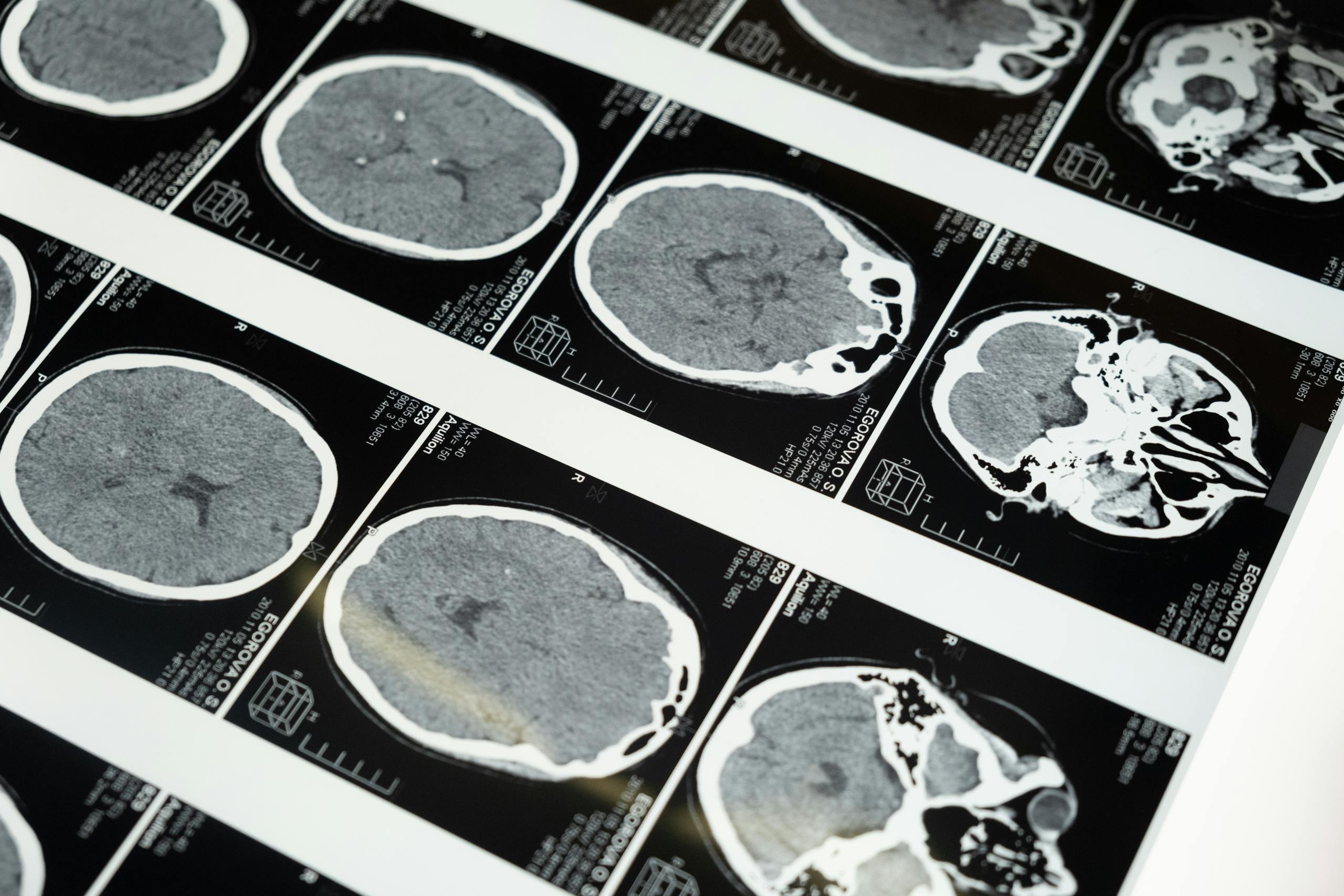
Specializations in adolescent or geriatric psychiatric care can also appeal to ESFPs who enjoy working with specific populations. Their ability to connect across generational lines and adapt their communication style to different developmental needs makes them particularly effective with these groups.
How Do ESFPs Balance Career Growth with Personal Values?
Career advancement in nursing often requires taking on supervisory or administrative roles that can conflict with ESFPs’ preference for direct patient care. This creates a unique challenge for ESFPs who want to grow professionally while staying true to their core motivations.
Many ESFPs find fulfillment in clinical specialist roles that allow them to maintain patient contact while developing expertise in specific areas. Becoming a psychiatric nurse practitioner, for example, provides autonomy and variety while keeping the focus on individual patient care rather than system management.
Teaching and mentoring roles can also satisfy ESFPs’ growth needs while utilizing their natural ability to inspire and connect with others. They often excel at helping nursing students develop both clinical skills and the emotional resilience needed for psychiatric care.
The transition into leadership roles requires careful consideration for ESFPs. What Happens When ESFPs Turn 30: Identity & Growth Guide explores how this personality type navigates career evolution and the importance of aligning professional growth with personal values.
Some ESFPs find that their people skills translate well to roles in quality improvement or patient advocacy, where they can influence systems and policies that affect patient care without losing connection to the human impact of their work.
Research from the Nurse Leader journal suggests that nurses who maintain alignment between their personal values and professional roles show higher job satisfaction and lower burnout rates throughout their careers.
What Should ESFPs Know About Long-Term Success in Psychiatric Nursing?
Sustainable success in psychiatric nursing requires ESFPs to develop strategies that preserve their natural enthusiasm while building resilience for the long haul. This means creating career paths that honor their need for variety, growth, and meaningful impact.
Unlike some personality types who thrive on routine and predictability, ESFPs need to actively seek variety within their roles. This might involve rotating between different units, pursuing additional certifications, or taking on special projects that break up routine responsibilities.
Building strong professional networks becomes especially important for ESFPs who may struggle with the emotional isolation that can come with psychiatric work. Connecting with colleagues who share their values and passion for patient care provides both professional support and personal renewal.
ESFPs should also be aware that their career satisfaction may fluctuate more than other types, particularly if they feel trapped in roles that don’t utilize their strengths. ESTPs and Long-Term Commitment Don’t Mix discusses similar patterns in related personality types and strategies for maintaining engagement over time.

Self-care practices that align with ESFP preferences include physical activities, social connections, and creative outlets that help process the emotional demands of psychiatric work. Many successful ESFP psychiatric nurses maintain hobbies or volunteer activities that provide positive human interaction outside the clinical setting.
Finally, ESFPs should recognize that their natural gifts become more valuable with experience. The combination of clinical expertise and emotional intelligence that develops over years of practice makes experienced ESFP psychiatric nurses invaluable team members and patient advocates.
For more insights into how extraverted sensing types navigate dynamic careers, visit our MBTI Extroverted Explorers hub.
About the Author
Keith Lacy is an introvert who’s learned to embrace his true self later in life. After 20+ years running advertising agencies and managing teams for Fortune 500 brands, he now writes about personality psychology and career development. His work focuses on helping people understand their natural strengths and build careers that energize rather than drain them. Keith’s insights come from both professional experience in high-pressure environments and personal journey of self-discovery as an INTJ learning to lead authentically.
Frequently Asked Questions
Do ESFPs have the emotional stability needed for psychiatric nursing?
ESFPs often demonstrate excellent emotional stability in psychiatric settings because their dominant Se function keeps them grounded in present-moment reality rather than getting overwhelmed by theoretical concerns. Their Fi auxiliary function provides strong personal values that help them maintain professional boundaries while still connecting authentically with patients. However, they do need to develop specific self-care strategies to prevent burnout from their high empathy levels.
How do ESFPs handle the extensive documentation required in psychiatric nursing?
Documentation can be challenging for ESFPs who prefer direct patient interaction over paperwork. Successful ESFP psychiatric nurses often develop systems that streamline their documentation process, such as using voice-to-text technology, creating templates for common situations, or partnering with detail-oriented colleagues for complex care plans. The key is finding ways to translate their excellent patient observations into the clinical language required for proper documentation.
Can ESFPs advance to leadership positions in psychiatric nursing?
ESFPs can excel in leadership roles that maintain connection to patient care and allow them to use their people skills. Positions like charge nurse, clinical specialist, or unit educator often suit ESFPs better than purely administrative roles. They tend to lead through inspiration and relationship-building rather than top-down authority, which can be very effective in healthcare settings where team cohesion directly impacts patient outcomes.
What specializations within psychiatric nursing work best for ESFPs?
ESFPs thrive in specializations that offer variety, immediate impact, and strong patient interaction. Crisis intervention, emergency psychiatric care, community mental health, and group therapy facilitation all align well with ESFP strengths. They may find less satisfaction in roles focused on research, policy development, or extensive administrative duties. The key is finding positions that utilize their natural ability to connect with people and adapt to changing situations.
How can ESFPs prevent burnout in psychiatric nursing?
ESFPs can prevent burnout by actively managing their high empathy levels and need for variety. This includes developing strong professional support networks, maintaining clear boundaries between work and personal life, pursuing continuing education to stay engaged, and ensuring their roles provide sufficient patient interaction and flexibility. Regular self-assessment of job satisfaction and willingness to make changes when roles no longer align with their values are also crucial for long-term success.