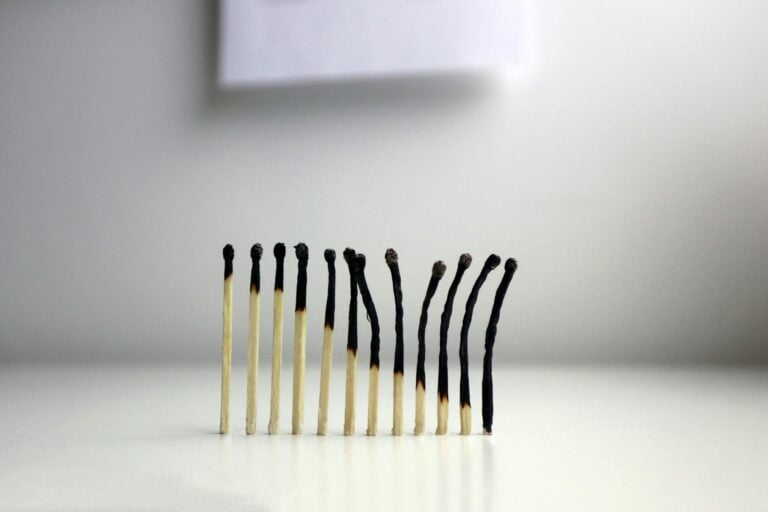

Understanding how ADHD intersects with ESTJ personality traits requires recognizing that these aren’t opposing forces, but rather complex layers that influence each other. Our ESTJ Personality Type hub explores the full spectrum of ESTJ experiences, but the intersection of ADHD with these personality patterns creates unique challenges worth examining in detail.

Why Do ESTJs Get Diagnosed with ADHD Later in Life?
The path to adult ADHD diagnosis for ESTJs often begins with a moment of recognition that their struggles aren’t character flaws but neurological differences. During my years managing client accounts, I watched colleagues who seemed incredibly capable suddenly hit walls they couldn’t explain. The ESTJ who could orchestrate complex campaigns but couldn’t focus during budget reviews. The team leader who excelled at crisis management but struggled with routine administrative tasks.
What’s your personality type?
Take our free 40-question assessment and get a detailed personality profile with dimension breakdowns, context analysis, and personalised insights.
Discover Your Type8-12 minutes · 40 questions · Free
ESTJs typically develop sophisticated coping mechanisms early in life that can mask ADHD symptoms for decades. Their dominant function, Extraverted Thinking (Te), drives them to create external structures and systems that compensate for internal executive function challenges. They become masters of calendars, project management tools, and delegation precisely because these external supports help manage what feels internally chaotic.
The masking effect becomes particularly pronounced in traditional work environments where ESTJ strengths align with organizational expectations. A 2023 study from the University of Pennsylvania found that adults with undiagnosed ADHD who work in structured environments often don’t seek evaluation until major life changes disrupt their established coping systems. For ESTJs, this might occur during career transitions, parenthood, or increased responsibilities that overwhelm their existing organizational strategies.
Social expectations also play a role in delayed diagnosis. ESTJs are often viewed as natural leaders and organizers, making it difficult for others to recognize when they’re struggling. The ESTJ who appears to have everything together while internally battling attention difficulties may not receive the support or recognition needed to pursue evaluation. Their auxiliary function, Introverted Sensing (Si), can create additional complications as they compare their current struggles to past successes, leading to self-criticism rather than recognition of underlying neurological differences.

How Does ADHD Present Differently in ESTJs?
ADHD in ESTJs often manifests as a frustrating gap between intention and execution. While they can envision detailed plans and understand exactly what needs to happen, the neurological differences in attention and executive function can create unexpected roadblocks in implementation. This creates a particularly painful form of self-awareness where ESTJs know what they should be doing but struggle to maintain the consistent focus required to execute their vision.
The hyperactivity component in ESTJs frequently presents as mental restlessness rather than physical movement. They may experience racing thoughts during meetings, difficulty sitting still during lengthy presentations, or an overwhelming urge to multitask even when they know single-tasking would be more effective. This internal hyperactivity can be exhausting while remaining largely invisible to others.
Attention regulation challenges often surface most clearly during routine or mundane tasks. The ESTJ who can hyperfocus intensely on crisis management or new project launches may find themselves completely unable to concentrate on routine paperwork, budget reconciliation, or repetitive administrative duties. This inconsistency in attention can feel particularly frustrating for a personality type that values reliability and consistency.
Emotional regulation difficulties may manifest as impatience with inefficiency, frustration with unclear processes, or overwhelming feelings when multiple priorities compete for attention. ESTJs with ADHD often report feeling like they’re constantly fighting their own brain, especially when their natural desire for order conflicts with ADHD-related challenges in maintaining organizational systems.
Time perception issues can be particularly challenging for ESTJs, who typically pride themselves on punctuality and deadline management. ADHD can create difficulties with time estimation, leading to chronic lateness despite best intentions or unrealistic scheduling that sets them up for failure. The gap between their time management aspirations and ADHD-related time blindness can create significant internal conflict.
What Triggers ESTJs to Seek ADHD Evaluation?
Many ESTJs first consider ADHD evaluation when their established coping systems begin to fail under increased demands. Career advancement often brings responsibilities that require sustained attention to detail, complex project management, or extended focus on strategic planning. When promotion to senior leadership positions suddenly reveals attention difficulties that weren’t apparent in more structured roles, ESTJs may begin questioning whether their struggles represent something beyond typical stress.
Parenthood frequently serves as another catalyst for seeking evaluation. Managing household logistics while maintaining professional responsibilities can overwhelm even the most organized ESTJ when ADHD is present. The constant task-switching required in family life, combined with sleep deprivation and emotional demands, can push ESTJ coping mechanisms past their breaking point.
Sometimes the recognition comes through their children. When ESTJs have children diagnosed with ADHD, learning about the condition often triggers self-recognition. The genetic component of ADHD means many adults first understand their own neurodivergence through their children’s diagnostic process. Reading about ADHD symptoms in preparation for supporting their child can create profound moments of self-recognition.

Relationship challenges can also prompt evaluation. Partners may notice patterns of forgetfulness, emotional reactivity, or difficulty with follow-through that seem inconsistent with the ESTJ’s capabilities in other areas. When relationship counselors or partners suggest that attention difficulties might be neurological rather than motivational, ESTJs may finally pursue professional evaluation.
Burnout or mental health crises often reveal underlying ADHD in ESTJs who have been overcompensating for years. When anxiety, depression, or exhaustion makes their usual coping strategies impossible to maintain, the underlying attention difficulties become more apparent. Mental health professionals increasingly screen for ADHD when treating adults for anxiety or depression, particularly when traditional treatments don’t provide expected relief.
How Do ESTJs Navigate the Diagnostic Process?
The diagnostic process for adult ADHD can feel particularly challenging for ESTJs, who often approach it with the same systematic mindset they bring to other complex projects. They may research extensively, prepare detailed symptom logs, and attempt to organize their experiences into clear, logical presentations for healthcare providers. While this preparation can be helpful, it can also lead to over-analysis or attempts to fit their experiences into textbook descriptions that may not capture their unique presentation.
Finding the right healthcare provider often requires persistence. Many ESTJs report frustration with providers who dismiss their concerns based on their apparent success and organization. The stereotype that ADHD only affects obviously disorganized individuals can work against ESTJs who have developed sophisticated external systems to manage their symptoms. Seeking providers who specialize in adult ADHD and understand masking behaviors becomes crucial.
The comprehensive evaluation process typically includes detailed developmental history, current symptom assessment, and often cognitive testing. For ESTJs, gathering childhood information can be particularly challenging if their early coping mechanisms were effective or if family members attributed their struggles to personality traits rather than potential neurological differences. School records, when available, can provide valuable objective information about early attention patterns.
During my own journey supporting team members through various challenges, I learned that the diagnostic process often brings both relief and grief. Relief comes from understanding that their struggles have a neurological basis rather than representing personal failures. Grief may emerge as they process years of self-criticism, missed opportunities, or relationships affected by unrecognized ADHD symptoms.
ESTJs often want to understand the science behind their diagnosis thoroughly. They may request detailed explanations of how ADHD affects executive function, research treatment options extensively, and develop comprehensive plans for managing their newly understood neurodivergence. This systematic approach can be beneficial but may also lead to analysis paralysis or unrealistic expectations for immediate improvement.

What Treatment Approaches Work Best for ESTJs with ADHD?
Treatment for ESTJs with ADHD often works best when it builds upon their existing strengths rather than trying to completely reshape their approach to life and work. Their natural inclination toward external organization can be enhanced with ADHD-specific strategies that account for attention and executive function challenges. The most effective treatment plans typically combine medication, behavioral strategies, and environmental modifications tailored to ESTJ preferences.
Medication can provide the neurological foundation that allows ESTJs to more effectively use their natural organizational abilities. Stimulant medications often help bridge the gap between their clear vision of what needs to happen and their brain’s ability to maintain the sustained attention required for execution. Non-stimulant options may be preferred by ESTJs who are concerned about side effects or who have other medical considerations.
Cognitive behavioral therapy (CBT) approaches specifically designed for adult ADHD can help ESTJs develop more effective coping strategies. These might include techniques for breaking large projects into manageable components, strategies for managing emotional reactions to setbacks, and methods for maintaining motivation during routine tasks. ESTJs often respond well to structured therapy approaches that provide concrete tools and measurable progress indicators.
Environmental modifications play a crucial role in ESTJ ADHD management. This might involve creating dedicated workspaces that minimize distractions, using technology tools that provide external structure for attention management, or negotiating work arrangements that align with their attention patterns. ESTJs often excel at implementing environmental changes once they understand how their ADHD affects their performance.
Executive function coaching can be particularly valuable for ESTJs who want to optimize their existing organizational systems. Coaches who understand both ADHD and personality differences can help ESTJs identify which of their current strategies are helpful versus those that may be creating additional stress. The goal is often refinement rather than complete overhaul of their approach.
How Does ADHD Diagnosis Change ESTJ Self-Perception?
Receiving an ADHD diagnosis often fundamentally shifts how ESTJs understand their life experiences. Years of self-criticism for not meeting their own standards may suddenly reframe as recognition that they were working harder than necessary to achieve the same results as their neurotypical peers. This realization can be both liberating and overwhelming as they process the implications for their past, present, and future.
Many ESTJs describe a period of grieving after diagnosis, mourning the years spent believing their struggles represented personal failings rather than neurological differences. They may revisit past situations where they were particularly hard on themselves, recognizing that ADHD was creating additional challenges they didn’t understand at the time. This grief process is normal and often necessary for moving toward self-compassion.
The diagnosis can also bring relief and validation. ESTJs who have felt like they were failing to live up to their own potential may finally understand why certain tasks felt disproportionately difficult. The recognition that their brain works differently, not defectively, can reduce shame and self-criticism that may have accumulated over years of unexplained struggles.
Identity integration becomes an important process for ESTJs with late ADHD diagnosis. They must reconcile their understanding of themselves as organized, efficient leaders with their new awareness of neurological differences that affect attention and executive function. This integration often leads to a more nuanced and compassionate self-understanding that acknowledges both strengths and challenges.

Some ESTJs experience imposter syndrome after diagnosis, questioning whether their previous achievements were “real” or somehow diminished by their ADHD. Working through these feelings often requires recognizing that ADHD doesn’t invalidate their accomplishments but rather makes them more impressive given the additional neurological challenges they were managing without awareness or support.
The diagnosis may also change how ESTJs approach goal-setting and self-expectations. Learning to set realistic timelines that account for ADHD-related challenges, building in extra support systems, and practicing self-compassion when things don’t go according to plan becomes part of their growth process. This adjustment often leads to more sustainable success patterns and reduced burnout.
What Workplace Accommodations Help ESTJs with ADHD?
Workplace accommodations for ESTJs with ADHD often focus on optimizing their natural strengths while providing support for areas affected by attention and executive function challenges. Unlike accommodations that might emphasize reducing responsibilities, ESTJ accommodations typically involve restructuring how work gets done to align with their ADHD brain while maintaining their leadership capabilities and high performance standards.
Flexible scheduling can be particularly beneficial for ESTJs who experience variable attention patterns throughout the day. This might involve scheduling demanding cognitive work during peak attention hours, building in movement breaks to manage hyperactivity, or having flexibility to work from quiet environments when sustained focus is required. ESTJs often advocate effectively for these accommodations once they understand their needs.
Technology accommodations often align well with ESTJ preferences for systematic approaches. This might include project management software that provides external structure for complex initiatives, calendar systems with multiple reminder functions, or noise-canceling headphones for open office environments. ESTJs typically excel at identifying and implementing technological solutions once they understand how ADHD affects their work performance.
Task modification accommodations might involve breaking large projects into smaller milestones with regular check-ins, having written summaries of verbal instructions, or receiving advance agendas for meetings to support preparation and attention. These accommodations often enhance performance not just for the ESTJ with ADHD but for entire teams who benefit from clearer structure and communication.
Environmental accommodations can include access to quiet workspaces for tasks requiring sustained attention, permission to use fidget tools during meetings, or seating arrangements that minimize distractions. ESTJs often become effective advocates for team-wide environmental improvements once they understand how workspace design affects attention and productivity.
Communication accommodations might involve having important information provided in writing as well as verbally, regular one-on-one meetings to ensure clarity on priorities, or permission to take notes during conversations to support working memory. ESTJs often appreciate accommodations that enhance their ability to track and organize information effectively.
Explore more ESTJ and ESFJ resources in our complete MBTI Extroverted Sentinels Hub.
About the Author
Keith Lacy is an introvert who’s learned to embrace his true self later in life. After running advertising agencies for 20+ years and working with Fortune 500 brands in high-pressure environments, Keith discovered the power of understanding personality differences and neurodivergence. As an INTJ who spent years trying to match extroverted leadership expectations, he now helps others understand their authentic strengths and build careers that energize rather than drain them. His insights come from both professional experience managing diverse teams and personal journey of self-discovery.
Frequently Asked Questions
Can ESTJs have ADHD even if they seem highly organized?
Yes, ESTJs can absolutely have ADHD while appearing highly organized. Their dominant Extraverted Thinking function often drives them to create external organizational systems that compensate for internal executive function challenges. These sophisticated coping mechanisms can mask ADHD symptoms for years, making diagnosis more likely to occur in adulthood when increased demands overwhelm their existing strategies.
Why do ESTJ women get diagnosed with ADHD later than men?
ESTJ women often face additional barriers to ADHD diagnosis because their symptoms may present as internalized struggles rather than externalized behaviors. Social expectations for women to be organized and detail-oriented can lead to increased masking behaviors. Additionally, ADHD research has historically focused on male presentations, making it harder for healthcare providers to recognize ADHD in women who don’t fit traditional hyperactive stereotypes.
How does ADHD medication affect ESTJ personality traits?
ADHD medication typically doesn’t change core ESTJ personality traits but rather provides neurological support that allows those traits to function more effectively. ESTJs often report that medication helps them access their natural organizational abilities more consistently, reduces the mental effort required for routine tasks, and decreases frustration when their vision doesn’t align with their execution capabilities.
What should ESTJs expect during their first year after ADHD diagnosis?
The first year after ADHD diagnosis often involves significant adjustment as ESTJs learn to integrate their new understanding with their existing self-concept. They may experience grief over past struggles, relief at having explanations for difficulties, and excitement about new possibilities. Treatment typically involves trial and adjustment periods for both medication and behavioral strategies, requiring patience and self-compassion during the process.
How can ESTJs maintain their leadership effectiveness while managing ADHD?
ESTJs can maintain and often enhance their leadership effectiveness by leveraging ADHD awareness to optimize their approach. This might involve delegating detail-oriented tasks that drain their attention, using their hyperfocus abilities strategically for high-impact projects, and creating team systems that support both their ADHD needs and overall team productivity. Many ESTJs find that understanding their ADHD actually makes them more effective leaders.