

The conference call had just ended when my colleague Sarah, an ESTP, turned to me with that characteristic grin. “Just booked us skydiving for the team building event.” My stomach dropped. As someone who processes stimulation deeply, the thought of jumping from a plane felt overwhelming. Yet I’d watched Sarah manage a relationship with her HSP partner Marcus for three years, and what struck me most was how she’d learned to balance adventure with his need for gentle processing time.
The combination creates one of the most dynamic personality pairings possible. ESTPs bring spontaneity, action, and infectious enthusiasm. HSPs contribute emotional depth, intuitive understanding, and rich inner processing. When these traits align, the result is a partnership that feels both exhilarating and profoundly meaningful.

Understanding ESTP HSP dynamics means recognizing how sensory-seeking energy interacts with deep emotional sensitivity. Our HSP & Highly Sensitive Person hub explores various relationship patterns, and the ESTP-HSP combination stands out for its unique blend of excitement and emotional richness.
What Makes ESTP HSP Relationships Distinct
ESTPs lead with Extraverted Sensing (Se), which means they engage with the world through direct, immediate sensory experience. They notice details others miss, react quickly to changes, and seek stimulation through action. Leading with Se creates a person who thrives on variety, physical engagement, and spontaneous opportunities.
What’s your personality type?
Take our free 40-question assessment and get a detailed personality profile with dimension breakdowns, context analysis, and personalised insights.
Discover Your Type8-12 minutes · 40 questions · Free
HSPs process sensory information deeply and thoroughly, which means they experience the world with unusual intensity. A 2019 study published in Brain and Behavior found that HSPs show increased activation in brain regions associated with awareness, empathy, and sensory processing. The neurological difference explains why HSPs need time to integrate experiences that ESTPs might process instantly.
Marcus once described watching Sarah at a concert. She was completely immersed, moving to the music, engaging with strangers, feeding off the crowd’s energy. He felt the same music but experienced it as layers of sound, emotional currents from nearby people, and physical sensations that required careful attention. Same event, profoundly different processing.
The Sensory Processing Gap
ESTPs experience stimulation as energizing. Noise, movement, social interaction, and physical activity fuel them. They operate in the present moment, making quick decisions based on what they observe directly. Understanding how ESTPs and HSPs experience the same environment differently helps partners anticipate needs before friction develops.
HSPs experience that same stimulation as rich but potentially overwhelming. They process multiple layers simultaneously – the sensory input itself, the emotional context, the subtle patterns, and the deeper implications. Research from Stony Brook University indicates HSPs notice details that others filter out automatically, which makes busy environments genuinely exhausting rather than simply draining.
During agency years managing different personality combinations, I noticed teams with ESTP-HSP pairs often produced the most creative solutions. The ESTP would push for immediate action while the HSP would catch implications the team had missed. When partners recognized this complementary dynamic, they stopped viewing differences as problems.

Daily Life Patterns That Strengthen Connection
Successful ESTP HSP relationships develop routines that honor both partners’ needs without either person feeling constrained. Success requires conscious design rather than hoping compatibility emerges naturally.
Activity Planning Strategies
Sarah and Marcus developed what they call “adventure bookends.” They plan exciting activities with built-in recovery time. A weekend camping trip includes the drive there for Marcus to mentally prepare, the active outdoor time Sarah craves, and the quiet evening by the fire where Marcus processes the day’s experiences. Neither partner waits until they’re exhausted to communicate needs.
ESTPs benefit from understanding that HSP partners aren’t declining activities out of anxiety or resistance. HSPs thrive with partners who recognize their processing style as different rather than deficient. Marcus genuinely enjoys the activities, he just needs different pacing than Sarah initially assumed.
Practical implementation might look like attending a concert together but arriving separately so the HSP partner can leave when their capacity is reached. Or planning two social events per weekend maximum, with recovery days built between them. Success depends on treating both partners’ needs as equally valid rather than one person “giving in” to the other’s limitations.
Home Environment Balance
ESTPs typically prefer homes that facilitate activity and social connection. Open layouts, minimal clutter, spaces designed for entertaining. HSPs often need areas for retreat, softer lighting, sound dampening, and sensory control. Successful couples create zones that serve different purposes rather than insisting one approach dominates.
One couple I worked with during a consulting project designed their apartment with a central social space where the ESTP partner could host friends, and a bedroom/office combination where the HSP partner could decompress completely. They established clear communication about when each space was in use, which eliminated the tension of unexpected guests arriving when the HSP partner was already overstimulated.
Environmental control matters more than many ESTPs initially realize. Partners who understand HSP sensory needs recognize that requests for dimmer lighting or quieter spaces aren’t about controlling the environment but about creating conditions where the HSP can function well.
Communication Patterns That Build Understanding
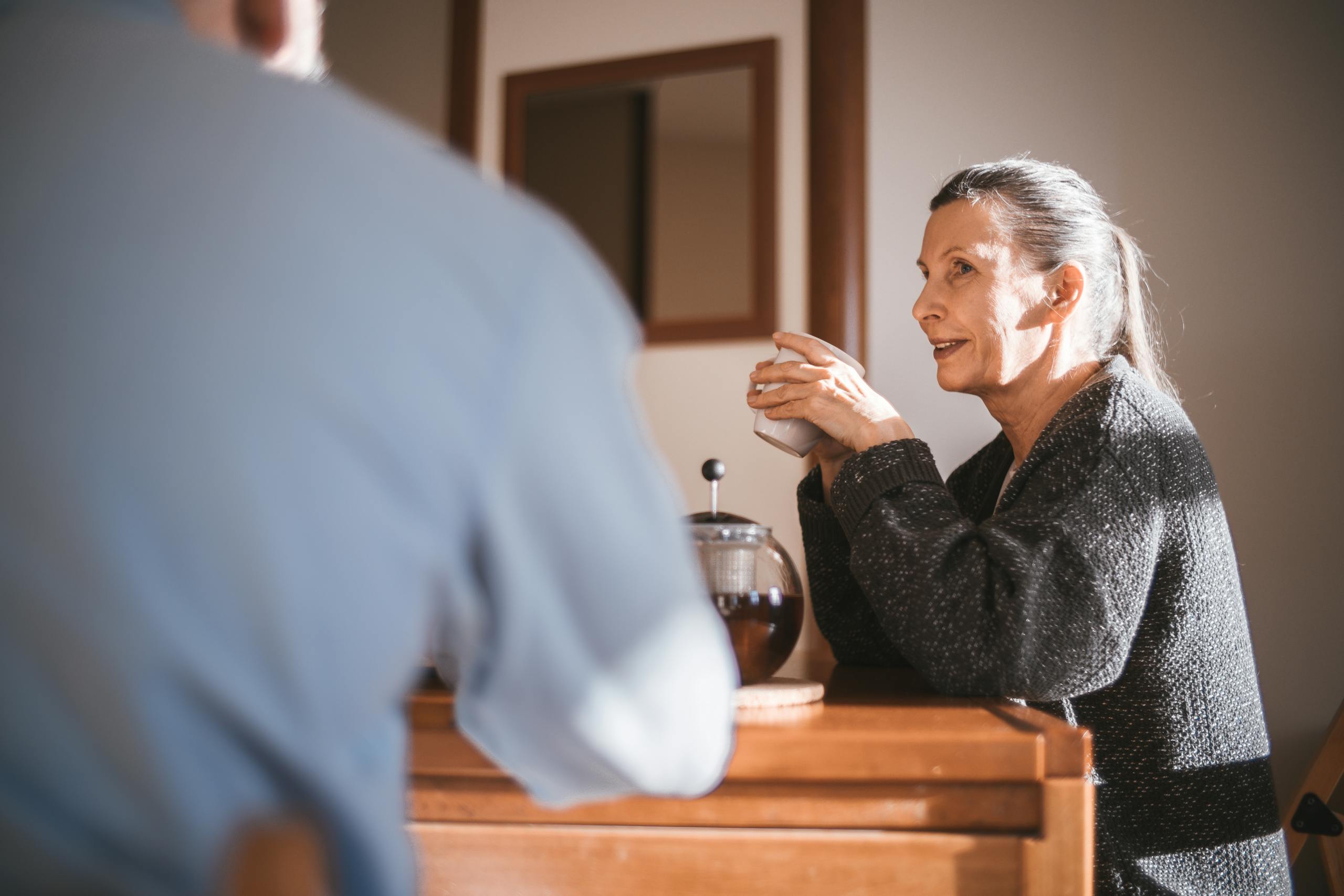
ESTPs communicate directly and expect immediate responses. They process thoughts through talking, make decisions quickly, and appreciate straightforward feedback. HSPs often need processing time before responding, communicate in layers, and pick up on subtleties that ESTPs might miss entirely.
During my advertising career, I watched ESTP executives dismiss valuable insights from HSP team members because the delivery didn’t match their communication style. The ESTP wanted quick answers and concrete next steps. The HSP was providing nuanced analysis that required careful unpacking. Neither approach was wrong, but without translation, both felt frustrated.
Processing Time Agreements
Sarah learned to ask “Do you need time to think about this?” instead of expecting Marcus to respond immediately to complex questions. Marcus learned to give Sarah preliminary reactions even when he needed more processing time, which satisfied her need for engagement without forcing premature conclusions.
For decisions requiring input from both partners, they established a 24-hour minimum before finalizing anything non-urgent. Sarah could propose ideas enthusiastically, Marcus could process thoroughly, and they’d circle back after both had time to consider implications. The agreement eliminated most of their early relationship friction.
Research on personality type differences shows HSPs often communicate emotional nuances that ESTPs miss on first pass. A University of California study found that HSPs detect emotional expressions faster and with greater accuracy than non-HSPs. When ESTP partners dismiss these observations as overthinking, they lose access to valuable relationship information.
Conflict Resolution Approaches
ESTPs typically address conflict directly and want resolution quickly. They view extended processing as avoidance. HSPs need time to understand their emotional responses before engaging productively. They view immediate confrontation as pressure that makes clear thinking impossible.
Effective couples establish ground rules before conflicts arise. Marcus and Sarah use a “24-hour reset” rule. When disagreements emerge, they take breaks before discussing resolution. Understanding how different personality types process conflict prevents partners from interpreting style differences as relationship problems.
During breaks, Sarah engages in physical activity to process emotions through movement. Marcus sits with his feelings and writes out his thoughts. When they reconvene, Sarah has moved past reactive energy and Marcus has clarity about his needs. The conversation becomes productive rather than circular.
Emotional Intimacy Development
ESTPs build connection through shared experiences and physical presence. They express affection through actions, create memories through adventures, and demonstrate care by solving practical problems. This approach feels genuine and generous to ESTPs.
HSPs build connection through emotional depth, meaningful conversation, and feeling truly understood. They express affection through attention to subtle needs, create intimacy through vulnerable sharing, and demonstrate care by remembering emotional details. This approach feels equally genuine and generous to HSPs.
Neither style is more valid. The challenge is recognizing when your partner is showing love in their language rather than expecting them to use yours.
Vulnerability Navigation
ESTPs often struggle with extended emotional processing, which can make HSP partners feel unsupported. Sarah initially responded to Marcus’s need to talk through feelings by suggesting activities instead. She wasn’t dismissing his emotions, she was trying to help him feel better through action, which is how she processes difficult feelings.
Marcus learned to be explicit: “I need you to listen while I process this, not solve it.” Sarah learned to sit with emotional discomfort without immediately jumping to solutions. These small translations made massive differences in how supported each partner felt.
Research on sensory processing sensitivity indicates that HSPs form particularly strong emotional bonds when partners validate their processing depth. Understanding the distinction between empathic sensing and sensory processing helps partners appreciate what their HSP brings to emotional connection.
Building Shared Meaning
ESTP HSP couples create strong relationships when they develop traditions that honor both partners’ needs. Sarah and Marcus alternate between adventure weekends and quiet home weekends. They attend concerts Sarah loves with Marcus arriving later and leaving earlier. They host dinner parties where Marcus can retreat to the kitchen when social energy depletes.
The couple also established daily connection time that works for both partners. Twenty minutes after dinner, they sit together without screens and talk about their days. Sarah gets immediate engagement, Marcus gets predictable emotional processing time, and both partners maintain intimacy without either person feeling drained.
These intentional structures prevent resentment from accumulating. Partners who wait until they’re exhausted or frustrated to communicate needs often damage relationships unnecessarily.
Social Dynamics Management
ESTPs gain energy from social interaction and typically maintain wide friend networks. They enjoy spontaneous gatherings, thrive in group settings, and prefer frequent social engagement. HSPs can enjoy socializing but need careful energy management and often prefer deeper connections with fewer people.
Early in their relationship, Sarah would invite friends over without warning Marcus first. She was being generous, sharing her home and partner with people she cared about. Marcus felt ambushed, unable to prepare mentally for social interaction when he’d planned quiet recovery time.
They established a 24-hour notice rule for any guests. Sarah could still be spontaneous, but Marcus had time to shift his expectations and energy allocation. A simple boundary transformed their social life from a source of tension to something both partners genuinely enjoyed.
Friend Group Integration
Marcus didn’t need to become friends with all of Sarah’s social contacts, and Sarah didn’t need to adopt Marcus’s preference for smaller gatherings. They identified which friends both enjoyed and which relationships belonged primarily to one partner. Different personality combinations approach social integration differently, and couples benefit from finding their own balance rather than following prescribed models.
During my years managing diverse teams, I watched ESTP-HSP pairs handle office social dynamics particularly well when each partner supported the other’s approach without judgment. The ESTP would attend happy hours while the HSP built deeper connections through one-on-one coffee meetings. Both contributed to team cohesion through their natural strengths.
Successful couples also discuss social commitments in advance. Sarah learned to check in before accepting weekend invitations. Marcus learned to specify when he needed completely unscheduled time versus when he could handle planned activities. Clear communication replaced assumptions.

Long-Term Relationship Sustainability
ESTP HSP relationships thrive when both partners view their differences as complementary rather than conflicting. ESTPs bring action, momentum, and engagement with immediate reality. HSPs bring depth, insight, and awareness of subtle patterns. Together, they create something neither could build alone.
Growth Areas for ESTPs
Developing patience with HSP processing time pays dividends in relationship quality. ESTPs who learn to value the insights that emerge from deep reflection gain access to perspectives they’d otherwise miss. Sarah discovered that Marcus’s careful observation prevented several poor decisions she would have made impulsively.
ESTPs also benefit from understanding that HSP sensitivity isn’t weakness requiring fixing. Marcus’s ability to detect subtle relationship issues allowed them to address problems early rather than waiting for crises. His emotional attunement complemented Sarah’s action orientation.
Respecting boundaries around stimulation levels prevents unnecessary conflict. ESTPs who recognize how HSP traits function in various contexts can support their partners more effectively across different life domains.
Growth Areas for HSPs
Communicating needs directly rather than expecting ESTPs to intuit them prevents resentment. Marcus learned that Sarah genuinely couldn’t detect the subtle signals he thought were obvious. When he started stating his needs explicitly, Sarah responded generously because she finally understood what he required.
HSPs also benefit from occasionally embracing spontaneity even when it feels uncomfortable. Marcus discovered that some of his favorite memories came from adventures Sarah initiated that he would never have chosen himself. Saying yes occasionally built trust that saying no when necessary would be respected.
Recognizing that ESTP directness isn’t personal criticism allows for clearer communication. Sarah’s straightforward feedback wasn’t judgment, it was how she processed information. Marcus stopped filtering everything through emotional implications and started receiving input at face value.
Mutual Appreciation Development
Successful couples actively notice and acknowledge each other’s contributions. Sarah explicitly thanks Marcus when his careful observation prevents problems. Marcus explicitly acknowledges Sarah’s ability to energize him out of overthinking spirals. Strong relationships develop when partners understand how their differences create value rather than viewing variation as incompatibility.
They also celebrate the unique experiences their combination creates. Marcus would never skydive alone, but he trusts Sarah’s judgment about safety and her ability to help him manage the intensity. Sarah would never spend three hours analyzing a film’s emotional themes, but Marcus’s insights enrich her experience of art in ways she values deeply.
During client projects requiring both immediate action and careful consideration, I watched ESTP-HSP teams excel when they stopped competing over whose approach was correct and started leveraging both perspectives strategically. Romantic relationships benefit from the same shift in mindset.
Creating Your Sustainable Pattern
ESTP HSP relationships require intentional design but reward that effort with depth, excitement, and genuine partnership. Start by identifying three specific areas where your processing styles differ most significantly. Discuss how each partner experiences those situations and what support would help them thrive.
Establish clear communication protocols around social commitments, home environment, and emotional processing needs. These shouldn’t feel restrictive but rather like agreements that allow both partners to bring their best selves to the relationship.
Review these agreements quarterly. What’s working? What needs adjustment? Partners grow and circumstances change, so flexibility matters as much as structure. Success comes from building a relationship where both partners feel seen, valued, and supported in being fully themselves, not from achieving perfect balance immediately.
Frequently Asked Questions
Can ESTPs understand HSP needs without becoming frustrated?
Yes, when ESTPs recognize that HSP processing isn’t avoidance but a different way of engaging deeply with experience. ESTPs who view their partner’s sensitivity as a strength rather than a limitation typically find that patience with processing time gets rewarded with insights they value. Sarah initially found Marcus’s need for quiet time frustrating until she noticed how his careful observation prevented problems she would have missed entirely.
How do HSPs handle ESTP spontaneity without feeling overwhelmed?
HSPs benefit from establishing boundaries around spontaneity while remaining open to occasional surprises. Marcus asked Sarah to distinguish between true emergencies requiring immediate response and exciting opportunities that could include preparation time. This allowed him to occasionally embrace spontaneous adventures while maintaining the processing space he needed for sustainable functioning.
Do ESTP HSP couples struggle more with social life than other combinations?
Not necessarily. The combination requires explicit communication about social needs rather than assuming compatibility, but many personality pairings face similar challenges with different specifics. ESTP HSP couples who establish clear agreements about social commitments often report less friction than couples who leave social patterns unexamined. Sarah and Marcus found that their 24-hour notice rule eliminated most social conflicts entirely.
What happens when ESTPs dismiss HSP emotional processing as overthinking?
Dismissing HSP processing damages trust and prevents partners from contributing their natural strengths to the relationship. ESTPs who learn to value the insights emerging from deep reflection gain access to perspectives that improve decision-making. When Sarah started treating Marcus’s emotional processing as valuable data rather than unnecessary complexity, she discovered patterns in relationships and situations that her action-oriented approach had missed.
Can this combination work long-term without one partner compromising their nature?
Yes, when couples view their differences as complementary rather than conflicting. Successful ESTP HSP partnerships don’t require either person to change their fundamental nature but rather to develop understanding and appreciation for how their partner engages with the world differently. Sarah doesn’t process sensory information more deeply, and Marcus doesn’t become more spontaneous, but both partners have grown in their capacity to support the other’s authentic expression.
Explore more personality and sensitivity resources in our complete HSP & Highly Sensitive Person Hub.
About the Author
Keith Lacy is an introvert who’s learned to embrace his true self later in life. Through two decades in marketing and advertising, working with Fortune 500 brands and leading diverse teams, he discovered that understanding personality differences creates more effective partnerships than trying to make everyone work the same way. Keith writes about introversion, personality types, and building authentic relationships at Ordinary Introvert.