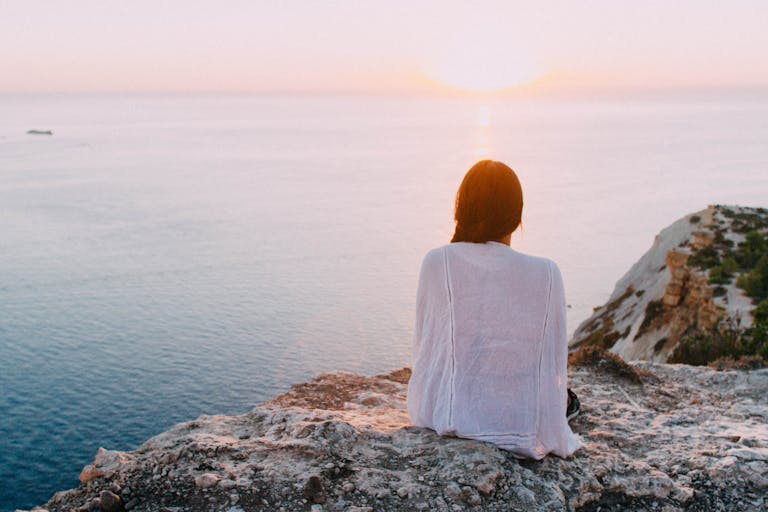

Even the most driven, relentless people on earth need silence. Not as a reward, not as a luxury, but as a basic condition of staying sane and functional. For introverts, this isn’t a preference so much as a biological reality: without regular, intentional alone time, something essential starts to erode.
Solitude isn’t weakness. It isn’t antisocial. It’s the quiet engine that keeps introverts running at full capacity, and without it, the cost shows up in ways that are hard to ignore.

Solitude, self-care, and recharging are deeply connected themes for people wired the way we are. Our Solitude, Self-Care and Recharging hub pulls together everything I’ve written on this topic, from daily rituals to deeper questions about why introverts are built differently. This article takes a slightly more philosophical angle: what alone time actually does to us, why we resist asking for it, and what happens when we finally stop apologizing for needing it.
Why Does Alone Time Feel Like a Guilty Pleasure?
There’s a strange cultural guilt attached to wanting to be alone. Somewhere along the way, solitude got conflated with loneliness, and loneliness got treated as a personal failure. So introverts spend enormous energy explaining themselves, softening their needs, or simply enduring more social exposure than they can handle because the alternative feels selfish.
What’s your personality type?
Take our free 40-question assessment and get a detailed personality profile with dimension breakdowns, context analysis, and personalised insights.
Discover Your Type8-12 minutes · 40 questions · Free
I spent a long time in that place. Running an advertising agency means constant contact. Client calls, creative reviews, team meetings, pitches, presentations. The pace is relentless, and the expectation is that you’re always on, always available, always enthusiastic about the next conversation. As an INTJ, I could perform that role. I was good at it, actually. But performing it without adequate recovery time was quietly destroying my ability to think clearly.
What I didn’t understand then was that my need for solitude wasn’t a personality flaw to be managed. It was information. My mind was telling me something true about how it operates. It processes deeply, quietly, and in layers. It needs space between inputs to actually make sense of them. Without that space, I was just cycling through information without ever integrating it.
Harvard’s research on loneliness versus isolation draws an important distinction that helped me reframe this. Loneliness is the pain of unwanted disconnection. Chosen solitude is something entirely different. Conflating the two is how we end up pathologizing a perfectly healthy need.
What Actually Happens in the Brain During Solitude?
When introverts talk about needing to “recharge,” it can sound vague or even dramatic to people who don’t experience the world the same way. But there’s real substance underneath that language.
Solitude activates what neuroscientists call the default mode network, the brain’s internal processing system that engages when we’re not focused on external stimuli. This is where reflection happens, where memory consolidation occurs, where we make meaning out of experience. For introverts, this system tends to be more active and more dominant. It’s not that we’re checked out when we go quiet. We’re doing some of our most important cognitive work.
Greater Good Science Center at Berkeley has explored how solitude connects to creativity, noting that time away from social demands allows the kind of associative thinking that produces original ideas. That resonated with me immediately. My best strategic thinking never happened in a conference room. It happened on a Saturday morning before anyone else was awake, or on a long drive with no podcast playing.
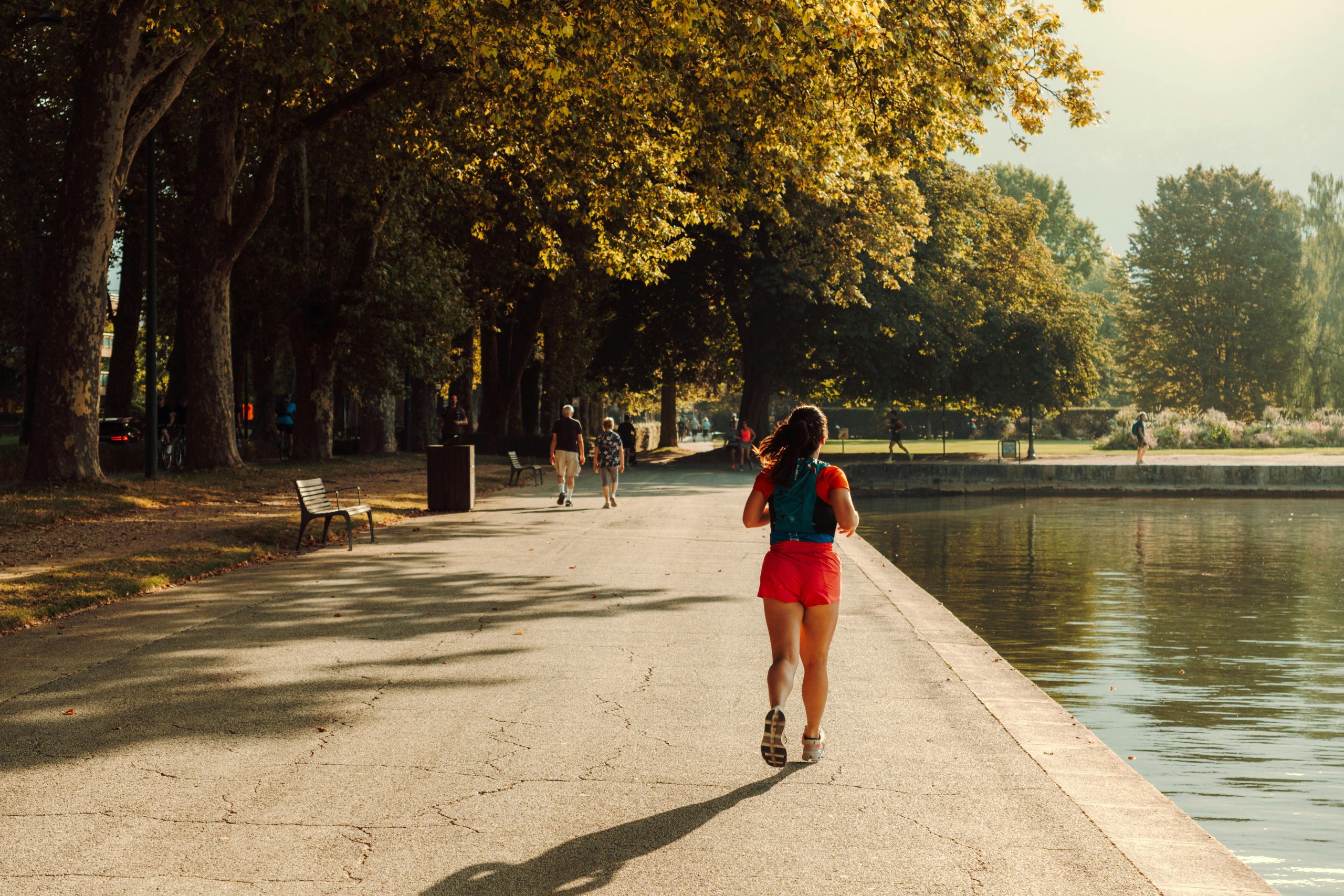
One of the things I’ve come to appreciate about my own introversion is that my mind doesn’t stop working just because I’ve stepped away from the noise. If anything, it starts working better. The ideas that emerged from those quiet Saturday mornings were the ones that won us pitches. The thinking that happened on those drives was the thinking that solved problems I’d been staring at all week without progress.
A body of research published in PubMed Central examining solitude and psychological wellbeing found that voluntary solitude, chosen rather than imposed, is associated with positive emotional outcomes including greater self-awareness and emotional regulation. The word “voluntary” matters enormously there. Chosen aloneness and forced isolation are not the same experience, and they don’t produce the same results.
How Does Chronic Social Overload Actually Manifest?
I want to be specific here, because I think the vague language around introvert burnout makes it easy to dismiss. This isn’t about being tired after a long day. It’s a particular kind of depletion that accumulates over weeks or months of insufficient recovery time.
For me, it showed up first in my communication. I’d become slower to respond, not because I was disengaged but because forming words felt effortful in a way it normally doesn’t. Then my patience would thin in ways that surprised me. I’m not a reactive person by nature. When I started snapping at people in meetings, that was a signal I’d learned to recognize: I was running on empty.
The third sign was the quality of my thinking. I’d sit in a strategy session and feel like I was watching myself from a slight distance, going through the motions rather than actually engaging. The depth wasn’t there. The connections weren’t forming. I was present in body but somewhere else entirely in mind.
This is exactly what I explore in more detail over at the piece on what happens when introverts don’t get alone time. The cascade of effects is real and predictable, and recognizing the pattern is the first step toward interrupting it before it becomes a crisis.
The CDC has documented how social and environmental stressors affect mental and physical health in measurable ways. Chronic overstimulation without adequate recovery isn’t just uncomfortable. It has downstream consequences for immune function, cognitive performance, and emotional stability. Introverts who consistently override their need for solitude aren’t being heroic. They’re accumulating a debt that eventually comes due.
Is Solitude a Self-Care Practice or Something More Fundamental?
Self-care has become a loaded term. It conjures images of bath bombs and meditation apps, things that are nice but feel optional. Solitude for introverts sits in a different category entirely. It’s not supplemental. It’s structural.
Think of it this way. An extrovert who skips their social time for a week might feel a little flat, a little low-energy. An introvert who skips their alone time for a week is running a deficit that compounds. The need doesn’t disappear because it’s been ignored. It just grows.

This is why I’ve always been skeptical of the framing that treats introvert self-care as a list of activities. It’s less about what you do in your alone time and more about whether you’re protecting it at all. For highly sensitive people especially, the overlap between solitude and self-care is even more pronounced. The piece on HSP self-care and essential daily practices gets into the specific rhythms that help sensitive people maintain equilibrium, and a lot of it comes down to consistent, non-negotiable quiet time built into the structure of each day.
What changed everything for me wasn’t discovering a new self-care routine. It was deciding that my alone time was as non-negotiable as any client meeting. Once I stopped treating it as something I’d get to eventually, when things calmed down, when the project wrapped, it started actually happening. And the difference in my functioning was immediate and significant.
Frontiers in Psychology has published work on solitude as a positive psychological state, distinguishing between productive solitude and passive withdrawal. The research points toward intentionality as the variable that determines whether alone time restores or simply stagnates. That tracks with my experience. Collapsing on the couch after a brutal week of client presentations didn’t restore me the way a deliberate, quiet morning did.
Why Do Introverts Struggle to Ask for the Space They Need?
There’s a social performance many introverts have mastered: seeming fine. Seeming engaged, present, happy to be there. We’ve learned to read rooms, to say the right things, to move through social situations without revealing how much energy they’re costing us. And that skill, useful as it is, creates a problem. Nobody can see what you’re not showing them.
When I was running the agency, my team assumed I was thriving. I was confident in meetings, decisive under pressure, steady during crises. What they couldn’t see was that I was spending every evening in near-complete silence just to recover enough to show up the next day. I wasn’t thriving. I was managing. There’s a difference.
The reluctance to ask for alone time often comes from a fear of being misread. Say you need space and people assume you’re upset, withdrawing, or struggling. Say you prefer to work alone and suddenly you’re not a team player. Say you need a quiet evening instead of the team dinner and you’re antisocial. The interpretations pile up, and eventually it feels easier to just comply and pay the recovery cost privately.
One of the most interesting angles on this comes from the research on why solitude is an essential need for HSPs and introverts, not just a preference. When you understand that your need for alone time is as legitimate as someone else’s need for connection, it changes how you communicate about it. You’re not asking for a favor. You’re advocating for a basic condition of your own functioning.
Psychology Today has written thoughtfully about embracing solitude for your health, noting that people who are comfortable with solitude tend to have stronger self-awareness and more stable emotional regulation. That’s not a coincidence. The practice of being alone, really alone, without distraction or performance, builds a kind of inner groundedness that’s hard to develop any other way.
What Does Restorative Solitude Actually Look Like in Practice?
Not all alone time is created equal. Scrolling through social media while technically alone doesn’t restore an introvert’s energy. Sitting in a waiting room with your headphones in doesn’t count either. The kind of solitude that actually replenishes requires a few specific conditions.
First, it needs to be low-stimulation. The whole point is to reduce the cognitive and sensory load that’s been building. Swapping one form of input for another doesn’t accomplish that. Second, it works best when it’s unstructured, at least partially. The mind needs permission to wander, to make its own associations, to process what’s accumulated without being directed toward a task. Third, it benefits from consistency. A single long weekend of solitude after months of overextension helps, but it doesn’t substitute for regular, smaller doses built into each week.

For me, the most reliably restorative solitude has always involved some combination of physical movement and natural environments. There’s something about being outside, especially in places without a lot of human noise, that accelerates the recovery process in ways that indoor solitude doesn’t quite match. The piece on HSP nature connection and the healing power of the outdoors explores this in depth, and the science behind it is genuinely compelling. Natural environments reduce cortisol, lower cognitive load, and give the attention system a chance to rest in a way that built environments rarely do.
Sleep is another dimension of this that often gets overlooked. Introverts who are chronically overstimulated frequently report disrupted sleep, the mind keeps processing social interactions long after the body has gone to bed. The strategies in the article on HSP sleep, rest, and recovery are directly applicable here. Creating a genuine wind-down buffer before sleep, reducing stimulation in the hours before bed, treating the transition to sleep as part of the recovery process rather than just its endpoint. These aren’t small adjustments. They compound significantly over time.
I’ve also found value in what I’d call micro-solitude: small pockets of genuine quiet built into otherwise full days. Five minutes between meetings with my office door closed. A lunch break spent alone instead of with the team. A short walk at the end of the workday before transitioning to home life. None of these are dramatic. Collectively, they make a meaningful difference.
Can Solitude Coexist With a Deeply Connected Life?
One of the most persistent myths about introverts is that we don’t want connection. That’s not accurate, and it’s worth being clear about. What introverts want is connection that doesn’t cost more than it gives. Deep, meaningful, one-on-one conversation is often energizing for us. It’s the relentless social performance of large groups, small talk, and constant availability that drains us.
Solitude and connection aren’t opposites. They’re complements. The alone time I protect makes me a better presence when I’m with people I care about. I’m more patient, more attentive, more genuinely engaged. When I’m running on empty, I’m physically present but emotionally somewhere else entirely. Nobody benefits from that version of me, including me.
There’s a related piece I wrote about Mac’s alone time that approaches this from a different angle entirely, and it’s worth reading if you’ve ever tried to explain your need for solitude to someone who simply doesn’t share it. Sometimes the most honest thing you can do is name the need plainly, without apology or elaborate justification.
Psychology Today has also examined solo travel as a chosen approach for people who genuinely prefer their own company for stretches of time, noting that it’s increasingly recognized as a healthy expression of self-sufficiency rather than a sign of social difficulty. That reframing matters. Choosing aloneness from a place of fullness is completely different from retreating from connection out of fear or pain.
Additional research from PubMed Central examining the relationship between solitude and social wellbeing found that people who intentionally chose solitude as part of a balanced life reported higher overall life satisfaction than those who either avoided solitude entirely or experienced it as unwanted isolation. Balance, not avoidance in either direction, is what actually works.
What Changes When You Stop Treating Solitude as Optional?
The shift I’m describing isn’t philosophical. It’s practical. When you stop treating your alone time as something you’ll get to eventually and start treating it as a non-negotiable part of how you function, everything downstream changes.
Your thinking gets clearer. Not because you’ve suddenly become smarter, but because your brain finally has the conditions it needs to do its best work. Your relationships improve, because you’re bringing a version of yourself that’s actually present rather than running on fumes. Your creative output increases, because the associative, generative thinking that solitude enables is exactly where original ideas come from.
I watched this play out in my own career in ways that were hard to ignore. The years when I was most productive, most creative, most effective as a leader, were not the years when I was most available. They were the years when I was most deliberate about protecting my recovery time. The correlation was clear enough that I eventually stopped second-guessing it.

There’s also something that happens at a deeper level when you consistently honor your own needs. You develop a kind of trust with yourself. You stop waiting for permission, from your schedule, from other people, from the culture, to take care of your own mind. That trust compounds. It shows up as confidence, as steadiness, as the ability to be genuinely present when presence is what’s needed.
The title of this article is a little irreverent, but the point it’s making is serious. Even the most driven, relentless, apparently tireless people need silence. Not because they’re weak. Because they’re human. And for introverts especially, that silence isn’t a retreat from life. It’s the condition that makes a full life possible.
If you want to explore more of what we’ve written on this topic, the full Solitude, Self-Care and Recharging hub is a good place to spend some quiet time with your own thoughts.
About the Author
Keith Lacy is an introvert who’s learned to embrace his true self later in life. After 20 years in advertising and marketing leadership, including running agencies and managing Fortune 500 accounts, Keith now channels his experience into helping fellow introverts understand their strengths and build fulfilling careers. As an INTJ, he brings analytical depth and authentic perspective to every article, drawing from both professional expertise and personal growth.
Frequently Asked Questions
Is needing alone time a sign of depression or social anxiety?
Not inherently. Introversion is a stable personality trait characterized by a preference for lower-stimulation environments and a tendency to recharge through solitude rather than social activity. Depression and social anxiety are clinical conditions with distinct symptom profiles that go well beyond a preference for quiet. That said, introverts who consistently override their need for alone time can develop symptoms that resemble burnout or anxiety, which is why honoring the need matters. If you’re unsure whether what you’re experiencing is introversion or something that warrants professional support, speaking with a therapist is always a reasonable step.
How much alone time do introverts actually need?
There’s no universal number, and anyone who gives you one is oversimplifying. The amount varies by individual, by the intensity of social demands in a given period, and by the quality of the solitude itself. A useful way to gauge it is to pay attention to your own signals: when your patience thins, your thinking gets foggy, or you find yourself going through the motions in conversations, you’re likely running a deficit. Some introverts need an hour of genuine quiet each day to maintain equilibrium. Others can sustain longer stretches of social activity if they build in regular recovery windows. Experimentation and honest self-observation matter more than any prescribed amount.
Can introverts learn to need less alone time over time?
Introverts can absolutely develop better coping strategies, stronger social stamina, and more efficient recovery habits. What doesn’t change is the underlying wiring. Introversion isn’t a phase or a skill gap. It’s a fundamental aspect of how the nervous system processes stimulation. success doesn’t mean need less alone time. It’s to get better at recognizing when you need it, communicating that need clearly, and protecting it without guilt. Introverts who try to train themselves out of needing solitude typically end up managing chronic depletion rather than actually resolving it.
What’s the difference between solitude and loneliness?
Solitude is chosen aloneness. Loneliness is the pain of unwanted disconnection. The distinction is primarily about agency and desire. An introvert who spends a Saturday morning alone reading, thinking, or simply being quiet is experiencing solitude. That same introvert, if they desperately wanted company but had no one to call, would be experiencing loneliness. The two can overlap, but they’re not the same state and they don’t produce the same outcomes. Chosen solitude is associated with positive psychological effects including greater self-awareness and creativity. Loneliness, especially chronic loneliness, carries real health risks. Knowing which one you’re experiencing is important.
How do you protect alone time without damaging your relationships?
Honesty and consistency are the two variables that matter most here. When people in your life understand that your need for solitude is structural rather than personal, and when you demonstrate that honoring it makes you a better partner, friend, or colleague, the dynamic shifts. The challenge is usually in the initial communication. Many introverts wait until they’re already depleted to say something, which means the conversation happens at the worst possible moment. Proactively naming your needs, explaining what you need and why, and following through by actually showing up more fully when you’re restored, builds trust over time. People who care about you generally want to understand how to support you. Give them the information they need to do that.