
Being an extreme homebody at 20 doesn’t mean something is wrong with you. It means you’re wired to recharge in quiet, to think deeply, and to find genuine satisfaction in spaces that feel like yours. That’s not immaturity or avoidance. For many young introverts, it’s simply how they’re built.
Still, being 20 and genuinely preferring home over parties, bars, and constant social events can feel isolating in a culture that treats your twenties like a mandatory adventure marathon. I remember that pressure well, even if my version of it played out in boardrooms rather than dorm rooms.

If you’ve been exploring what it means to live well as someone who genuinely loves being home, our Introvert Home Environment Hub pulls together everything from space design to the psychology of why home feels so essential to people like us. It’s a good place to start if this topic resonates.
Why Does Being a Homebody at 20 Feel So Loaded?
Twenty is supposed to look a certain way, according to everyone around you. It’s supposed to involve spontaneous road trips, crowded house parties, and a social calendar that never quite empties. So when your ideal Saturday is a long afternoon on the couch with a good book, a slow-cooked meal, and maybe a quiet conversation with one trusted person, you start to wonder if you’re doing your twenties wrong.
What’s your personality type?
Take our free 40-question assessment and get a detailed personality profile with dimension breakdowns, context analysis, and personalised insights.
Discover Your Type8-12 minutes · 40 questions · Free
You’re not. What you’re experiencing is a collision between who you actually are and who the culture assumes you should be at your age.
I ran advertising agencies for over two decades, and one of the things I noticed early was how much of professional culture mirrored that same pressure. The assumption was that the best leaders were the ones filling every room with energy, the ones always “on.” As an INTJ, I spent years trying to perform that version of leadership before I realized the performance itself was draining me in ways that had nothing to do with the actual work. The problem wasn’t my introversion. The problem was the expectation that I should be something else.
Young homebodies face the same mismatch, just at a different scale. The social expectation is loud and relentless. And when you don’t match it, the natural conclusion many people draw is that something must be holding you back.
What’s Actually Happening in the Mind of an Extreme Homebody?
There’s a meaningful difference between avoiding life and choosing a particular kind of life. Extreme homebodies at 20 are often doing the latter, even if they haven’t quite found the language for it yet.
Introverts process the world differently. Where extroverts tend to gain energy through external stimulation and social interaction, introverts generate their best thinking, their clearest emotions, and their deepest satisfaction in quieter environments. This isn’t a deficit. It’s a different operating system.
What’s happening in the mind of a 20-year-old who genuinely loves being home is often more complex than it looks from the outside. There’s a rich internal world at work. Observations being filed away. Ideas being turned over slowly. Emotions being processed with care rather than discharged in social settings. Research published in PubMed Central has examined how personality traits shape the environments people seek out, and the evidence consistently points to introversion as a stable, neurologically grounded trait, not a phase or a flaw.
One of my team members at an agency I ran in the early 2000s was a 24-year-old copywriter who never came to after-work drinks, never joined the Friday lunches, and was considered “antisocial” by the louder members of the team. She was also the most consistently brilliant thinker in the room. Her best work came from the hours she spent alone, processing briefs that everyone else had dismissed as too complex. She wasn’t avoiding connection. She was protecting the conditions she needed to do her best work.
Is There a Difference Between Healthy Homebody Tendencies and Isolation?
This is the question worth sitting with honestly, because it matters.
Being an extreme homebody and being socially isolated can look similar from the outside, but they feel very different from the inside. A healthy homebody chooses home because it genuinely satisfies them. They have connections, even if those connections are few and carefully chosen. They feel content, not trapped. They’re curious about the world, even if they prefer to engage with it on their own terms.
Isolation, by contrast, tends to come with a different emotional texture. There’s longing without action. There’s a sense of being cut off rather than settled in. There’s a gap between what you want and what you’re experiencing.
Many young introverts find that chat rooms and online communities built for introverts offer a middle path worth exploring. Connection without the sensory overload of crowded spaces. Conversation at a pace that feels manageable. It’s not a replacement for in-person relationship, but it can be a genuinely satisfying supplement, especially during periods when getting out feels like too much.
The honest check-in question is this: does staying home feel like relief, or does it feel like retreat? Relief is healthy. Retreat, over time, can quietly shrink your world in ways that become harder to reverse.
I’ve watched this dynamic play out in professional settings too. Some of the introverted leaders I’ve known over the years were deeply effective precisely because they had built small, high-quality networks. Others had pulled back so completely that they’d lost the relational bandwidth needed to lead at all. The difference wasn’t their introversion. It was whether they were actively choosing their level of engagement or passively letting it erode.
How Do You Build a Home Environment That Actually Supports You?
If you’re going to spend significant time at home, the space itself matters more than most people realize. For introverts and especially for those who identify as highly sensitive, the physical environment isn’t just background. It’s part of how you regulate your nervous system.
The principles behind HSP minimalism and simplifying for sensitive souls apply broadly here, even if you don’t identify as highly sensitive. Reducing visual clutter, creating distinct zones for different activities, and curating your sensory environment aren’t indulgences. They’re investments in your ability to think clearly and feel settled.
One of the things I did when I eventually started working from home more regularly was redesign my office space with intention. Not because I had the budget for anything elaborate, but because I finally understood that my environment was either working for me or against me. Softer lighting. A dedicated reading chair that was never used for work. A door that actually closed. Small changes that made a significant difference in how I moved through my days.
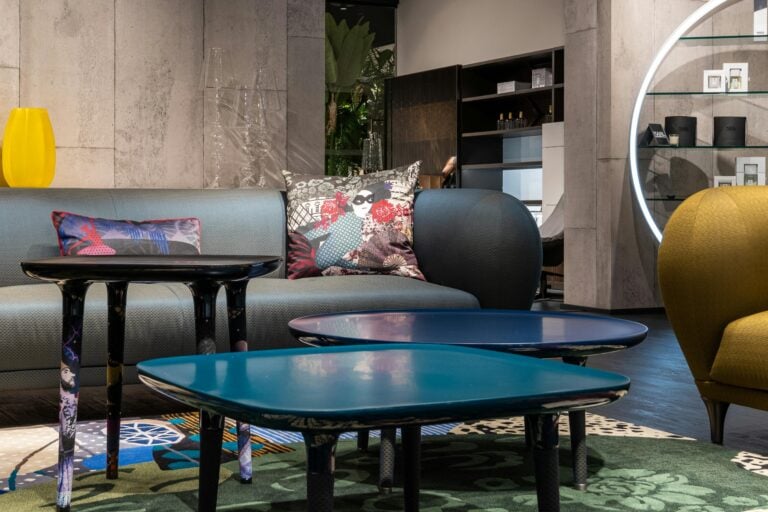
For a 20-year-old, this might look like claiming a corner of a shared apartment as genuinely yours. It might mean investing in a quality piece of furniture that makes home feel worth being in. The right couch sounds almost too simple to mention, but for someone who spends real time at home, it’s not a trivial choice. Your physical comfort shapes your mental state more than you might expect.
And if you’re building a home space from scratch or looking for ways to make yours more intentional, the gifts for homebodies we’ve covered offer a practical starting point. Many of the items that make the list aren’t luxuries. They’re tools for creating an environment where an introverted mind can actually breathe.

What Do You Do When People in Your Life Don’t Understand?
This is where being a homebody at 20 gets genuinely hard. Because it’s not just about your own comfort. It’s about handling the gap between who you are and what the people around you expect.
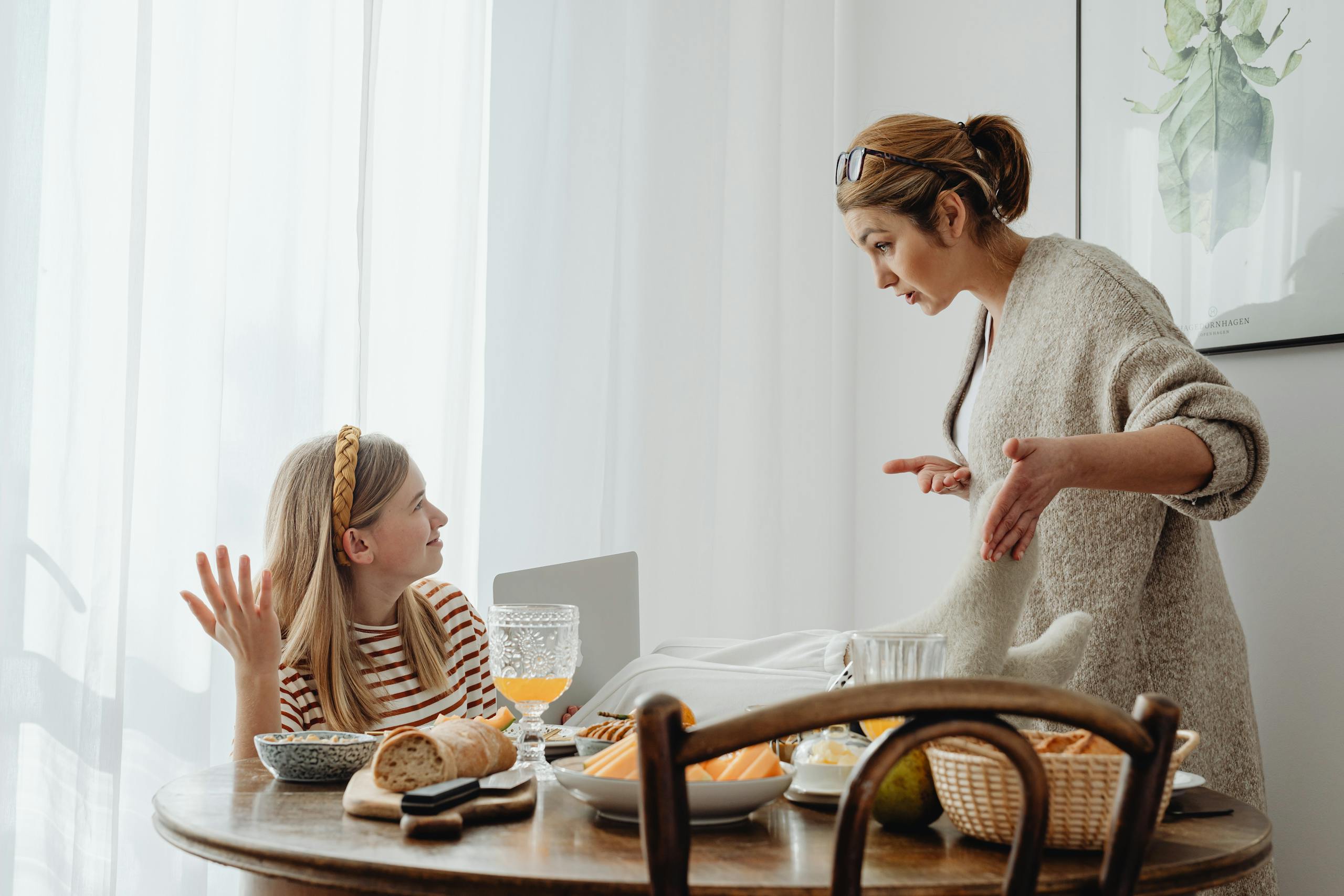
Parents worry. Friends feel rejected. Romantic partners sometimes interpret your need for home time as disinterest in them. None of these reactions are malicious. They come from a genuine mismatch in how different people understand what it means to live well.
What I’ve found, both in my own life and in watching others work through this, is that explanation matters less than demonstration. Telling people you’re an introvert and that you need quiet time rarely lands as well as showing them what you’re actually doing with that time. When the people in your life see that your home hours produce real things, real thinking, real creativity, real emotional clarity, the concern tends to soften.
There’s also something worth saying about the conversations themselves. Psychology Today has written thoughtfully about why introverts tend to need deeper, more meaningful conversations rather than frequent surface-level contact. Sharing that with someone who loves you can reframe the whole dynamic. It’s not that you don’t want connection. It’s that you want a different kind.
At one of my agencies, I had a creative director who was deeply introverted and whose team sometimes read her quietness as coldness. She wasn’t cold. She was processing. Once she started being explicit about that, explaining her process rather than just living it silently, the team’s perception of her shifted considerably. The introversion didn’t change. The communication around it did.
What Are Extreme Homebodies Actually Good At?
There’s a tendency in conversations about introversion to focus on what introverts lack or find difficult. That framing misses most of what’s actually true.
People who spend significant time at home, especially those who use that time with intention, tend to develop capacities that are genuinely rare. Deep focus. The ability to sit with complexity without rushing toward resolution. A tolerance for silence that allows for real observation. Comfort with their own company, which is a form of self-knowledge that many people never fully develop.
Across my years managing creative teams, some of the most commercially effective thinkers I worked with were the ones who could disappear into a problem for hours without needing external validation along the way. They’d emerge with something fully formed, something that had been turned over from every angle before it was presented. That capacity came directly from their comfort with solitude.
A 20-year-old who is genuinely at ease at home is building something. Even if it doesn’t look like building from the outside. They’re developing a relationship with their own mind. They’re practicing sustained attention in an era that makes attention almost impossible to sustain. They’re learning what they actually think, separate from what the crowd around them thinks. Those aren’t small things.
Personality research, including work explored in Frontiers in Psychology, continues to examine how introversion relates to traits like conscientiousness and depth of processing. The picture that emerges is consistently more nuanced than the cultural shorthand of “shy and avoidant” would suggest.
How Do You Keep Growing When Home Is Your Default?
Growth doesn’t require constant external stimulation. That’s one of the most liberating things an extreme homebody can internalize.
Still, there’s a real risk that comes with deep comfort. Comfort can become a container that stops expanding if you’re not paying attention. success doesn’t mean manufacture discomfort for its own sake, but to make sure that your home-centered life is genuinely rich rather than simply safe.
Reading is one of the most straightforward paths forward. Not just any reading, but the kind that challenges your existing frameworks. A good homebody book recommendation isn’t just comfort reading, though that has its place. It’s something that introduces you to a perspective you wouldn’t have encountered in your immediate environment. Books have always been how introverts travel without leaving the room, and at 20, that kind of intellectual range matters enormously for how your thinking develops.
Beyond reading, growth at home can look like learning a skill with real depth. Cooking, drawing, coding, writing, music, language. These aren’t hobbies in the dismissive sense. They’re practices that build genuine competence over time. And competence, as any introvert who’s found their footing knows, is one of the most reliable sources of confidence available to us.
There’s also the question of who you’re learning from, even at a distance. Online courses, podcasts, long-form interviews with people doing interesting things, these all count. The introvert’s version of a rich social life often runs through ideas rather than events, and that’s a perfectly legitimate way to stay connected to the wider world.
One of the things I wish I’d understood at 20 is that the people I most admired weren’t the ones who were always out doing things. They were the ones who had clearly spent significant time alone, thinking hard about what mattered. That showed in how they spoke, what they noticed, and what they were able to offer in the moments that counted.
What About the Future? Will Being a Homebody Hold You Back?
This is the fear underneath a lot of the pressure young homebodies feel. Not just the social judgment in the present, but the worry that their preferences will somehow cost them something important down the line.
Careers, relationships, opportunities. Will preferring home mean missing out on the connections and experiences that shape a meaningful adult life?
My honest answer, drawn from two decades of watching introverts succeed and struggle in professional environments, is that being a homebody won’t hold you back. Refusing to develop any flexibility around your homebody tendencies might create some friction, but the tendencies themselves are assets more often than they’re liabilities.
The professional world has shifted considerably. Remote work has normalized what introverts always knew was possible: that deep, high-quality work doesn’t require a buzzing open-plan office. That some of the most valuable thinking happens in quiet rooms. PubMed Central has published work examining how environmental factors affect cognitive performance, and the findings consistently support what introverts have known intuitively for years.
As for relationships, the ones worth having tend to value depth over frequency. A 20-year-old homebody who is genuinely present in the relationships they do invest in, who listens carefully and thinks before they speak, who shows up with real attention rather than distracted energy, will rarely struggle to form meaningful connections. They’ll just form fewer of them, and that’s fine.
The homebody gift guide we put together is, in a small way, a reflection of this philosophy. The items worth giving to someone who loves being home aren’t consolation prizes for people who “can’t handle” the outside world. They’re acknowledgments that a home-centered life, built with intention, is a complete and worthwhile life.
What I’d tell a 20-year-old version of myself, or anyone at that age who’s genuinely wired this way, is this: the world will keep telling you that your preferences are a problem to fix. Most of that noise comes from people who’ve never examined whether their own preferences were chosen or simply inherited from a culture that equates busyness with worth. You don’t have to accept their framework.

What does it look like to build a home life that genuinely supports an introverted mind? That question has more dimensions than any single article can cover. The full Introvert Home Environment Hub goes deeper into space design, sensory considerations, and the psychology of why home means something different to people like us.
About the Author
Keith Lacy is an introvert who’s learned to embrace his true self later in life. After 20 years in advertising and marketing leadership, including running agencies and managing Fortune 500 accounts, Keith now channels his experience into helping fellow introverts understand their strengths and build fulfilling careers. As an INTJ, he brings analytical depth and authentic perspective to every article, drawing from both professional expertise and personal growth.
Frequently Asked Questions
Is it normal to be an extreme homebody at 20?
Yes, and more common than the culture around you might suggest. Many young adults are wired for introversion, which means they genuinely recharge in quieter, more controlled environments. Preferring home at 20 doesn’t indicate immaturity or avoidance. It often reflects a personality that processes deeply, values quality over quantity in social connection, and finds genuine satisfaction in solitary or small-group experiences. The pressure to be constantly social during your twenties is a cultural expectation, not a psychological requirement.
How do I know if my homebody tendencies are healthy or if I’m isolating?
The clearest distinction is emotional. Healthy homebody tendencies feel like relief and genuine contentment. You’re choosing home because it satisfies you, not because leaving feels impossible. You still have some connections, even if they’re few. You feel curious about the world, even if you engage with it on your own terms. Isolation, by contrast, tends to carry a sense of being stuck rather than settled. There’s often longing without the motivation to act on it, and a feeling of being cut off rather than peacefully withdrawn. If staying home consistently feels like escape from something rather than return to something, that’s worth examining with honesty.
Will being a homebody affect my career or relationships long-term?
Not in the ways most people fear. Introversion and homebody tendencies are increasingly compatible with professional success, particularly as remote and hybrid work has become more normalized. The capacities that come with a home-centered life, deep focus, sustained attention, comfort with independent work, and thoughtful communication, are genuinely valuable in most fields. In relationships, people who are highly introverted often form fewer but deeper connections, and those connections tend to be meaningful and durable. Some flexibility around your preferences will always be useful, but the preferences themselves are rarely the obstacle people assume they are.
How do I handle pressure from family and friends who think I should go out more?
Start by recognizing that most of that pressure comes from genuine concern rather than judgment, even when it doesn’t feel that way. People who love you are often working from a framework where social activity equals wellbeing, and your preferences challenge that framework. Explanation helps, but demonstration tends to work better. When the people around you can see that your home time is producing real things, real thinking, real creativity, real emotional stability, the worry often softens. Being specific about what you’re doing with your time, and occasionally inviting people into your world on your terms, can shift the dynamic more effectively than arguing about introversion in the abstract.
How can I make sure I keep growing as an extreme homebody?
Intentionality is what separates a rich home-centered life from one that quietly stagnates. Reading widely and challenging your existing frameworks matters. Developing real skills with depth, whether in cooking, writing, music, coding, or something else entirely, builds the kind of competence that generates genuine confidence. Staying connected to ideas through podcasts, online courses, and long-form content keeps your thinking in contact with the wider world even when you’re not physically in it. The question to ask regularly is whether your home life is expanding or simply repeating. Comfort is valuable. Comfort that never stretches is a different thing.