
Some of the most dominant athletes in history have been quiet, private, and deeply internal. They didn’t headline the party circuit or feed the media machine with soundbites. They trained alone, thought deeply, and competed with a focused intensity that looked almost eerie from the outside. Introvert athletes have shaped the landscape of professional sports in ways that rarely get acknowledged, because the story of quiet excellence doesn’t make for easy television.
What makes this pattern so fascinating to me is how familiar it feels. Not because I ever played professional sports, but because I recognize the internal wiring. The preference for preparation over performance. The need to process before acting. The way deep focus becomes a competitive advantage when the pressure peaks.
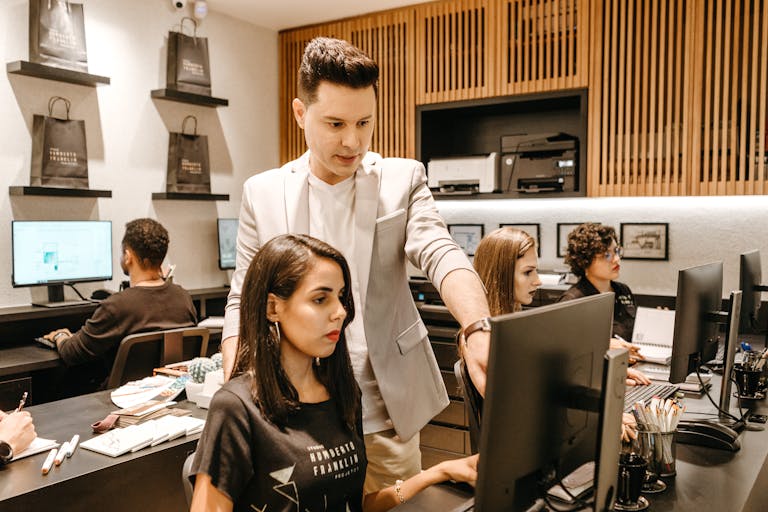
Running advertising agencies for two decades, I watched this dynamic play out in boardrooms instead of arenas. The loudest voice in the room rarely produced the sharpest strategy. The person who’d spent three days quietly analyzing the brief, who hadn’t said much in the status meeting, would walk in on presentation day and deliver something that stopped everyone cold. That’s the introvert athlete pattern, just wearing a different uniform.

A deeper look at personality and performance across sports reveals something worth sitting with. Our exploration of introvert strengths covers a wide range of contexts, and elite athletics offers one of the most compelling windows into what quiet focus, internal motivation, and deliberate preparation can actually produce.
- Introverted athletes dominate through deep focus and preparation rather than charisma or media presence.
- Sustained attention during complex tasks gives introvert athletes a measurable competitive advantage in training.
- Private preparation and mental rehearsal come naturally to introverts and enhance actual performance.
- Emotional regulation through internal processing helps introverts maintain composure during high-pressure competition.
- Quiet excellence in sports mirrors workplace success where thoughtful analysis outperforms loudest voices.
What Makes Introvert Athletes Different From Their Extroverted Peers?
The difference isn’t about confidence or desire. Introverted athletes want to win just as badly as anyone else. What differs is how they get there.
What’s your personality type?
Take our free 40-question assessment and get a detailed personality profile with dimension breakdowns, context analysis, and personalised insights.
Discover Your Type8-12 minutes · 40 questions · Free
A 2021 study published through the American Psychological Association found that introverted individuals consistently show higher levels of sustained attention during complex tasks. In sport, that translates directly. The ability to block external noise, maintain focus through long training blocks, and stay internally regulated under pressure isn’t a personality quirk. It’s a performance asset.
Introverted athletes tend to prepare more thoroughly because preparation happens in private. They study opponents, visualize scenarios, and refine technique in the quiet hours that extroverted competitors might spend socializing or seeking stimulation. The mental rehearsal that sports psychologists have documented as a genuine performance enhancer comes naturally to people whose default mode is internal processing.
There’s also something about emotional regulation. According to the American Psychological Association, introverts tend to process emotional experiences more deeply and deliberately, which can produce greater stability under high-stakes conditions. When a match is on the line, the athlete who has already processed every possible outcome internally often performs with a composure that looks, from the outside, almost supernatural.
I felt this in my own work, particularly during new business pitches. The weeks of quiet preparation, the mental rehearsal, the obsessive refinement of the argument meant that when I walked into the room, I wasn’t performing. I was executing something I’d already done a hundred times in my head. That’s the introvert athlete’s secret, expressed in a conference room.
Which Famous Introvert Athletes Have Left the Biggest Mark on Their Sports?
The list is longer than most people expect, and it spans every major sport. What connects these athletes isn’t their event or era. It’s their internal orientation and the way that orientation shaped how they trained, competed, and led.
Michael Jordan
Jordan’s public persona was crafted and competitive, but people who worked closely with him consistently described someone who was intensely private, deeply analytical, and driven by internal standards rather than external validation. He studied film obsessively. He visualized every shot. His famous competitive fire wasn’t about showing off. It was about an internal standard that nothing external could satisfy.
Phil Jackson, who coached Jordan through six championships, wrote about how Jordan processed the game internally in ways that other players simply didn’t. His preparation was private, meticulous, and relentless. The showmanship was real, but it was built on a foundation of quiet, internal work that most fans never saw.

Serena Williams
Serena has spoken openly about her preference for privacy and the way she recharges away from crowds and cameras. On court, she projected enormous energy, but off court, she consistently sought solitude. She described her mental preparation as deeply internal, a process of visualization and emotional centering that she did alone, away from coaches and crowds.
Her longevity in a sport that demands constant public exposure says something important. She built systems to protect her internal world while competing at the highest level for over two decades. That’s not an accident. That’s a deliberate strategy from someone who understood her own wiring.
Tiger Woods
Tiger is one of the clearest examples of introvert athlete psychology in sports history. His preparation was legendary precisely because it happened in private. He arrived at courses days early, walking every hole alone, cataloguing wind patterns and slope angles in his memory. His caddie Steve Williams noted that Tiger’s pre-round routine was almost entirely internal, a process of mental mapping that other players didn’t attempt.
His discomfort with media and social obligation was well documented. He gave what was required and retreated. The golf course was where he was most himself, alone with the problem of the shot in front of him, processing at a depth that produced a career most athletes can only imagine.
Roger Federer
Federer presents an interesting case because his public persona is warm and accessible. Yet those who know him describe a deeply private person who processes competition internally and protects his mental space with real discipline. His preparation was meticulous and largely solitary. His ability to maintain composure in five-set finals against the best players in history reflects an internal regulation that introvert psychology helps explain.
He rarely showed emotion during matches not because he didn’t feel it, but because he processed it internally before it reached the surface. That capacity to feel deeply while maintaining external composure is something many introverts recognize immediately.
Barry Sanders
Sanders is perhaps the most striking example on this list because the contrast between his on-field brilliance and his off-field personality was so extreme. One of the greatest running backs in NFL history, he was famously quiet, private, and almost allergic to the spotlight. He didn’t celebrate touchdowns. He didn’t seek attention. He handed the ball to the official and jogged back to the huddle.
His motivation came entirely from within. He retired at the peak of his powers, walking away from records and attention that most athletes would chase indefinitely. That decision, quiet and absolute, said everything about how he was wired. External validation simply wasn’t the point.
How Does Introversion Actually Affect Athletic Performance Under Pressure?
Sports psychology has spent decades studying what separates elite performers from very good ones, and the findings keep pointing toward mental factors that align closely with introvert strengths.
Visualization is one of the most consistently validated mental performance tools in sport. A 2018 review in the Journal of Applied Sport Psychology found that athletes who practiced mental imagery showed measurable improvements in performance across multiple sports. The internal mental rehearsal that introverts do almost automatically, replaying scenarios, anticipating problems, working through responses, maps directly onto what sports psychologists prescribe as deliberate practice.
Self-talk is another factor. Psychology Today has covered extensively how internal dialogue during competition shapes performance outcomes. Introverts, who spend considerable time in their own heads, often develop more sophisticated internal dialogue, which can translate into better real-time decision-making when the stakes are highest.
There’s also the question of arousal regulation. Introverts typically operate at a higher baseline level of internal arousal, which means they often need less external stimulation to reach peak performance states. An extroverted athlete might need crowd noise and pre-game rituals to get fully activated. An introverted athlete might find that the same crowd noise pushes them past their optimal zone, which is why so many elite introvert athletes develop very specific pre-competition rituals designed to manage stimulation rather than increase it.
If this resonates, famous-introverted-writers-on-solitude goes deeper.

I experienced this in my own work during high-pressure client presentations. Before a major pitch, my extroverted colleagues wanted team dinners, energy, and last-minute brainstorming. I needed an hour alone in a quiet room. Not because I was anxious, but because that was how I reached my best state. The introvert athlete who disappears into headphones before a match isn’t antisocial. They’re managing their internal environment with real precision.
Are Introvert Athletes Better at Long-Term Consistency Than Short-Term Brilliance?
Look at the careers of the athletes named above and a pattern emerges. Most of them weren’t just great. They were great for a very long time.
Sustained excellence in sport requires something that the highlight culture rarely celebrates: the ability to keep showing up, keep refining, keep finding internal motivation when the external rewards have already arrived. Serena Williams won Grand Slam titles across three decades. Tiger Woods rebuilt his game multiple times after injuries and personal upheaval. Federer competed at the top of men’s tennis well into his late thirties.
Intrinsic motivation, which the National Institutes of Health has linked to better long-term performance outcomes in multiple domains, is a natural characteristic of introvert psychology. When your drive comes from internal standards rather than external applause, you don’t stop when the applause gets loud enough. You keep going because the internal standard keeps moving.
At my agencies, the people who built the most durable careers weren’t the ones who chased recognition. They were the ones who cared about the quality of the work itself, who stayed late not because anyone was watching but because something wasn’t quite right yet. That’s introvert athlete energy applied to creative work, and it produces the same result: a body of work that holds up over time.
There’s also the question of how introverts handle failure. Because they process experience deeply and internally, they tend to extract more learning from setbacks. A loss isn’t just a loss. It becomes data, something to be examined, understood, and integrated. That capacity for honest self-assessment without external input is a genuine competitive advantage over a long career.
What Can Regular Introverts Learn From How These Athletes Approached Their Careers?
The lessons from introvert athletes don’t require a professional sports career to apply. They translate directly into how any introverted person can approach their work, their goals, and their relationship with their own personality.
The first thing worth taking from these athletes is the unapologetic protection of internal space. Tiger Woods didn’t apologize for arriving at a course alone and spending hours walking it in silence. Barry Sanders didn’t perform celebration rituals because the crowd expected them. These athletes understood what they needed to perform at their best, and they built their routines around that understanding without seeking permission.
Many introverts spend years apologizing for exactly this. We say sorry for needing quiet before a big meeting. We feel guilty for skipping the post-event social hour. We perform extroversion because the environment seems to demand it, and then wonder why we’re exhausted and underperforming. The introvert athlete model says something different: know what you need, build your routines around it, and let the results speak.
The second lesson is about preparation as competitive advantage. Harvard Business Review has written extensively about how deliberate preparation separates high performers from their peers. Introverts often excel at exactly this kind of thorough, private preparation, but they sometimes undervalue it because it doesn’t look impressive from the outside. The hours spent researching, thinking, and refining feel invisible compared to the extroverted colleague who seems to perform brilliantly in the moment.
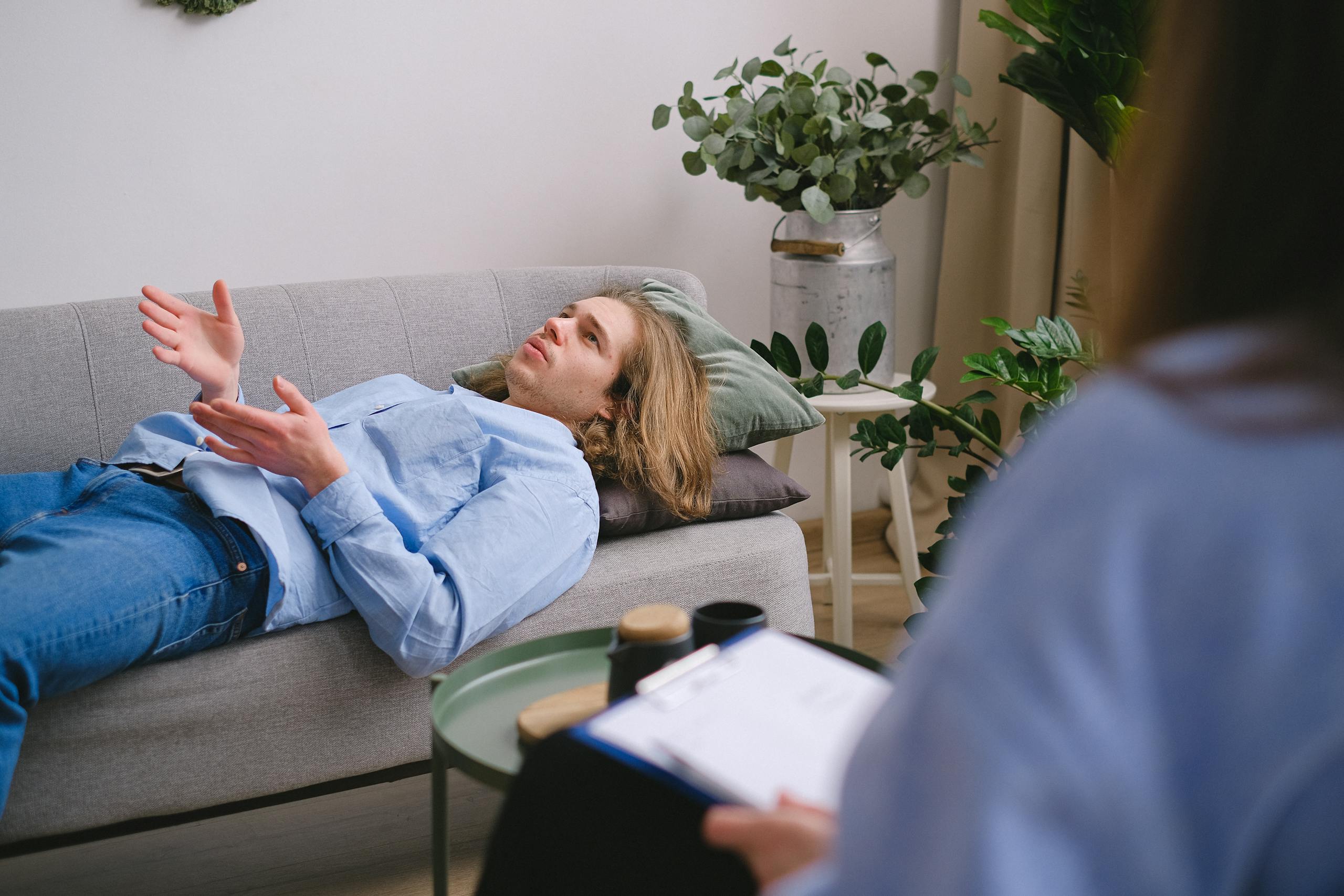
What those athletes understood, and what took me a long time to fully accept, is that the preparation IS the performance. The moment in the arena is just the expression of everything that happened in private. When I finally stopped trying to be more spontaneous and just leaned into my natural preparation style, my work got significantly better. The presentations felt effortless because they were built on hundreds of hours of quiet work that nobody saw.
A third lesson is about redefining what leadership looks like. Many of the athletes on this list were team leaders or faced enormous leadership pressure without fitting the conventional mold. They led through example, through preparation, through the quality of their work rather than through charisma or volume. Psychology Today has noted that this kind of quiet, competence-based leadership often produces more durable team cultures than high-energy, personality-driven approaches.
For introverts in any field, this is worth holding onto. You don’t have to be the loudest voice in the room to be the most influential one. You don’t have to perform energy you don’t have. The athletes who changed their sports forever often did it quietly, from the inside out.
Does Science Support the Idea That Introversion Can Be a Sports Advantage?
The research on personality and athletic performance has grown considerably over the past two decades, and the picture that emerges is more nuanced than the old assumption that extroversion equals athletic success.
A 2019 analysis published through the National Institutes of Health examined personality traits across elite and non-elite athletes and found that the relationship between extraversion and performance varied significantly by sport type. In individual sports requiring sustained concentration, technical precision, and self-regulation, introverted traits were associated with stronger performance outcomes. In team sports requiring rapid social coordination and high stimulation tolerance, the picture was more mixed.
Golf, tennis, long-distance running, swimming, gymnastics, and archery all show up consistently as sports where introvert athletes have dominated. These are disciplines where the conversation with yourself matters more than the conversation with the crowd. The ability to manage internal states, maintain focus across long durations, and perform precise technical movements under pressure are all areas where introvert psychology provides real structural advantages.
Even in team sports, the evidence is more complex than simple extraversion-equals-leadership assumptions. The Mayo Clinic has documented how chronic stress from overstimulation affects cognitive performance and decision-making. Athletes who manage stimulation carefully, who protect recovery time and avoid the social exhaustion that drains introverts, often show better decision-making in late-game situations precisely because they’ve managed their mental resources more carefully throughout the day.
What the science consistently resists is the idea that one personality type is universally better at sport. What it does support is that introvert athletes who understand their own wiring and build training and competition environments that work with rather than against their psychology can reach exceptional levels of performance. The mistake is trying to perform like an extrovert when you’re not one. The advantage comes from leaning into what you actually are.
That last sentence took me about fifteen years to fully believe. My early years running agencies were spent trying to perform the extroverted CEO that I thought clients and staff needed. I was louder than felt natural, more socially available than was sustainable, and constantly exhausted by the performance. When I finally stopped performing and started leading from my actual strengths, the quality of my work and my relationships with clients improved substantially. The introvert athlete who stops trying to celebrate like their extroverted teammate and just focuses on the next play has found something similar.
Explore more personality insights and introvert strengths in our complete Introvert Strengths resource collection at Ordinary Introvert.
About the Author
Keith Lacy is an introvert who’s learned to embrace his true self later in life. After 20 years in advertising and marketing leadership, including running agencies and managing Fortune 500 accounts, Keith now channels his experience into helping fellow introverts understand their strengths and build fulfilling careers. As an INTJ, he brings analytical depth and authentic perspective to every article, drawing from both professional expertise and personal growth.
Frequently Asked Questions
Are most famous athletes introverts or extroverts?
Elite athletes span the full personality spectrum, but a significant number of the most decorated athletes in history have been identified as introverts. Michael Jordan, Tiger Woods, Serena Williams, Roger Federer, and Barry Sanders all displayed classic introvert characteristics including deep private preparation, preference for solitude, and internal motivation. The assumption that sport naturally favors extroverts doesn’t hold up when you look closely at who actually wins over long careers.
What personality traits help introvert athletes succeed?
Several introvert traits translate directly into athletic advantage. Sustained focus allows introverts to maintain concentration during long training sessions and complex competitive situations. Deep preparation habits mean they arrive more thoroughly ready than many competitors. Intrinsic motivation keeps them working toward internal standards even after external rewards have arrived. Emotional regulation, the capacity to process pressure internally before it disrupts performance, produces the composure that defines great athletes in high-stakes moments.
Do introvert athletes struggle with team sports?
Not necessarily, though team environments do present specific challenges. The social demands of team sport, the constant proximity to teammates, the expectation of visible enthusiasm and group energy, can drain introverted athletes more quickly than their extroverted peers. Successful introvert athletes in team sports tend to develop clear boundaries around recovery time, find communication styles that work with their natural tendencies rather than against them, and lead through consistent performance rather than vocal motivation.
How do introvert athletes handle the pressure of public attention and media?
Most successful introvert athletes develop structured approaches to managing public attention. They give media what is required and protect private time fiercely. Many describe very specific pre-competition rituals designed to create internal calm before entering high-stimulation environments. The athletes who struggle are often those who try to perform extroversion for the cameras and drain their mental resources before competition even begins. Those who succeed tend to be unapologetically private and build their public obligations around their energy management rather than the reverse.
Can understanding introversion help young athletes develop their potential?
Considerably. Young introverted athletes who are pushed to perform extroversion, to be louder in the locker room, more socially available, more visibly enthusiastic, often develop anxiety around sport that undermines their natural strengths. Coaches and parents who recognize introvert traits and build training environments that honor the need for private preparation, quiet focus time, and internal motivation tend to see better long-term development. The young athlete who wants to walk the course alone or spend an hour visualizing before a match isn’t being antisocial. They may be doing exactly what their psychology needs to perform at its best.