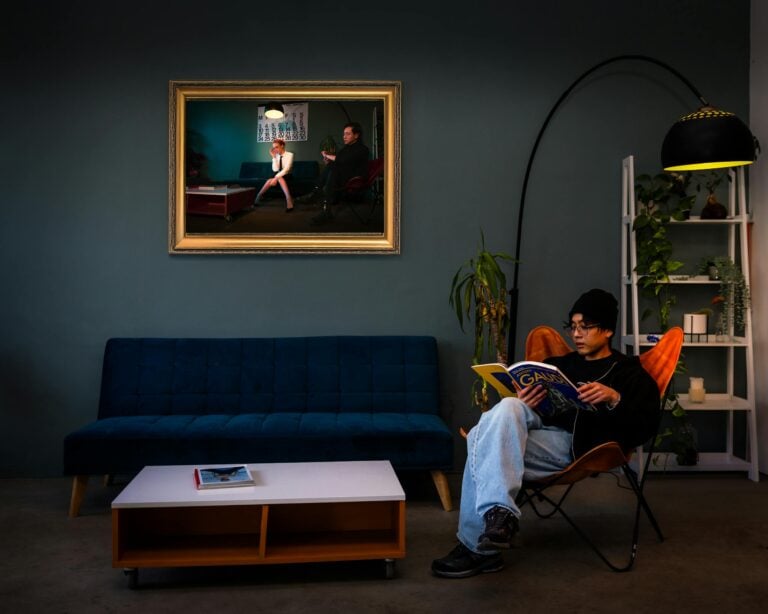

Being a homebody isn’t a personality flaw waiting to be fixed. It’s a genuine orientation toward the world, one where your home functions as more than shelter. It’s where you recharge, create, think clearly, and feel most like yourself. If that resonates with you, you’re in good company.
Plenty of us have spent years fielding comments about staying in too much, declining invitations too often, or “missing out” on things that honestly never appealed to us in the first place. What changes everything isn’t forcing yourself to become someone who loves crowds. What changes things is understanding why your home matters so much to you, and building a life that honors that rather than fights it.

Our Introvert Home Environment hub covers the full landscape of how introverts relate to their spaces, from sensory considerations to intentional design. This piece takes a more personal angle: what it actually feels like to be a homebody, and why that identity deserves more respect than it typically gets.
What Does It Actually Mean to Be a Homebody?
The word gets used casually, often as a gentle insult dressed up as a description. “Oh, he’s just a homebody.” As if preferring your own space is something to explain away rather than something to understand.
What’s your personality type?
Take our free 40-question assessment and get a detailed personality profile with dimension breakdowns, context analysis, and personalised insights.
Discover Your Type8-12 minutes · 40 questions · Free
Being a homebody means your home is genuinely your preferred environment. Not because you’re afraid of the world outside, but because the world inside your own space offers something the outside rarely does: depth, quiet, and control over your sensory environment. You think better there. You feel more like yourself there. The quality of your attention improves when you’re not spending energy managing noise, social expectations, and the constant low-grade performance that public spaces require.
I spent two decades running advertising agencies, which meant a professional life that was almost entirely structured around the opposite of homebody instincts. Client dinners, industry events, pitches in rooms full of people I needed to impress, conference calls that bled into evenings. My calendar was a monument to extroversion. And for years, I told myself that was just what leadership looked like. You showed up everywhere. You were visible. You worked the room.
What I didn’t say out loud was that I spent most of those events counting the hours until I could go home. Not because I was antisocial or bad at my job. I was actually quite good at both. But the energy cost was real, and home was where I recovered it. My home office, specifically, was where my best strategic thinking happened. Every major campaign concept I’m proud of came from quiet time at my desk, not from a brainstorm session with a whiteboard and a roomful of people throwing ideas.
That’s the homebody reality that rarely gets acknowledged: staying in isn’t passive. It’s often where the most productive, most meaningful parts of your life actually happen.
Why Do So Many Introverts Identify as Homebodies?
There’s a meaningful overlap between introversion and the homebody orientation, though they aren’t identical. Not every introvert is a homebody, and some homebodies identify as ambiverts or even extroverts who simply value their domestic space. Still, the connection is strong enough to be worth examining.
Introverts tend to find social interaction energetically costly in a way that extroverts don’t. This isn’t a character weakness. It’s a genuine difference in how the nervous system processes stimulation. Research published in PubMed Central has explored how introverts and extroverts differ in arousal thresholds and how those differences shape behavior and preference. When your baseline arousal level is already fairly high, adding more external stimulation, more people, more noise, more social complexity, pushes you past your optimal zone quickly. Home offers a way to stay within it.
For highly sensitive people, this effect is even more pronounced. The sensory environment matters enormously. Clutter, noise, harsh lighting, and unpredictable social demands all register more intensely. If you’ve ever felt genuinely exhausted after a grocery run that took twenty minutes, you understand what I mean. The approach of HSP minimalism addresses this directly, simplifying your physical environment to reduce that sensory load and make home feel like actual refuge rather than just another space to manage.
There’s also something deeper at work. Introverts tend to process experience internally, turning things over, finding meaning, connecting ideas across time. That kind of processing requires a certain quality of quiet that most public environments simply don’t offer. Home, designed well and protected deliberately, becomes the container for your inner life. It’s not escapism. It’s where the real work of being yourself gets done.
What Does the Homebody Identity Actually Cost You?
I want to be honest here, because I think the conversation about homebodies sometimes swings too far in one direction. Yes, your preference for home is valid. Yes, the pressure to be more outgoing is often unfair and exhausting. And yes, there are real costs worth acknowledging.
One of them is professional. In most corporate environments, visibility still correlates with advancement in ways that disadvantage people who prefer to do their best work quietly and go home. I watched this play out at my agencies over and over. The people who showed up at every happy hour, who volunteered for every client-facing role, who made themselves visible in every meeting, got promoted faster than people doing equally good or better work who simply preferred to keep their heads down. That’s a structural problem with how workplaces evaluate contribution, not a problem with the homebodies themselves. But it’s real, and pretending otherwise doesn’t help anyone.
Another cost can be relational. Strong relationships, the kind that actually sustain you, require some investment of time and presence. The homebody tendency to cancel plans, to prefer texting over calling, to let weeks pass without making contact, can gradually thin out your social connections even with people you genuinely care about. Psychology Today has written thoughtfully about why depth of connection matters so much for introverts, and depth requires some degree of consistent contact. The question isn’t whether to engage, but how to do it in ways that don’t drain you completely.
Online spaces have genuinely helped with this. Chat rooms and online communities for introverts offer a middle ground that a lot of homebodies find sustainable: real connection, real conversation, without the physical and sensory overhead of in-person socializing. I’ve seen people build genuinely meaningful friendships this way. It’s not a lesser form of connection. It’s a different one, and for some temperaments, it’s actually more honest and more satisfying.
How Do You Build a Home That Actually Supports Who You Are?
There’s a difference between a home you happen to live in and a home that’s been deliberately shaped around your needs. Most homebodies I know have strong instincts about this, even if they haven’t articulated them clearly. They know which chair feels right. They know which corner of the apartment lets them think. They know what lighting makes them feel calm versus anxious. They’ve been quietly optimizing their space for years without necessarily calling it that.
Making that process more intentional pays off. When I finally stopped treating my home as a place I retreated to and started treating it as a space I actively designed for how I actually work and rest, everything shifted. My home office became genuinely functional rather than just a room with a desk in it. My reading chair became a specific place with specific lighting and a specific side table, not just wherever I happened to sit. Small changes, but they added up to a home that felt like mine in a way it hadn’t before.
The homebody couch is a perfect example of this principle in miniature. It sounds trivial until you think about how much time you actually spend there, and how much the quality of that space affects your mood, your rest, and your ability to actually decompress. Getting that right matters. It’s not indulgence. It’s infrastructure for your wellbeing.
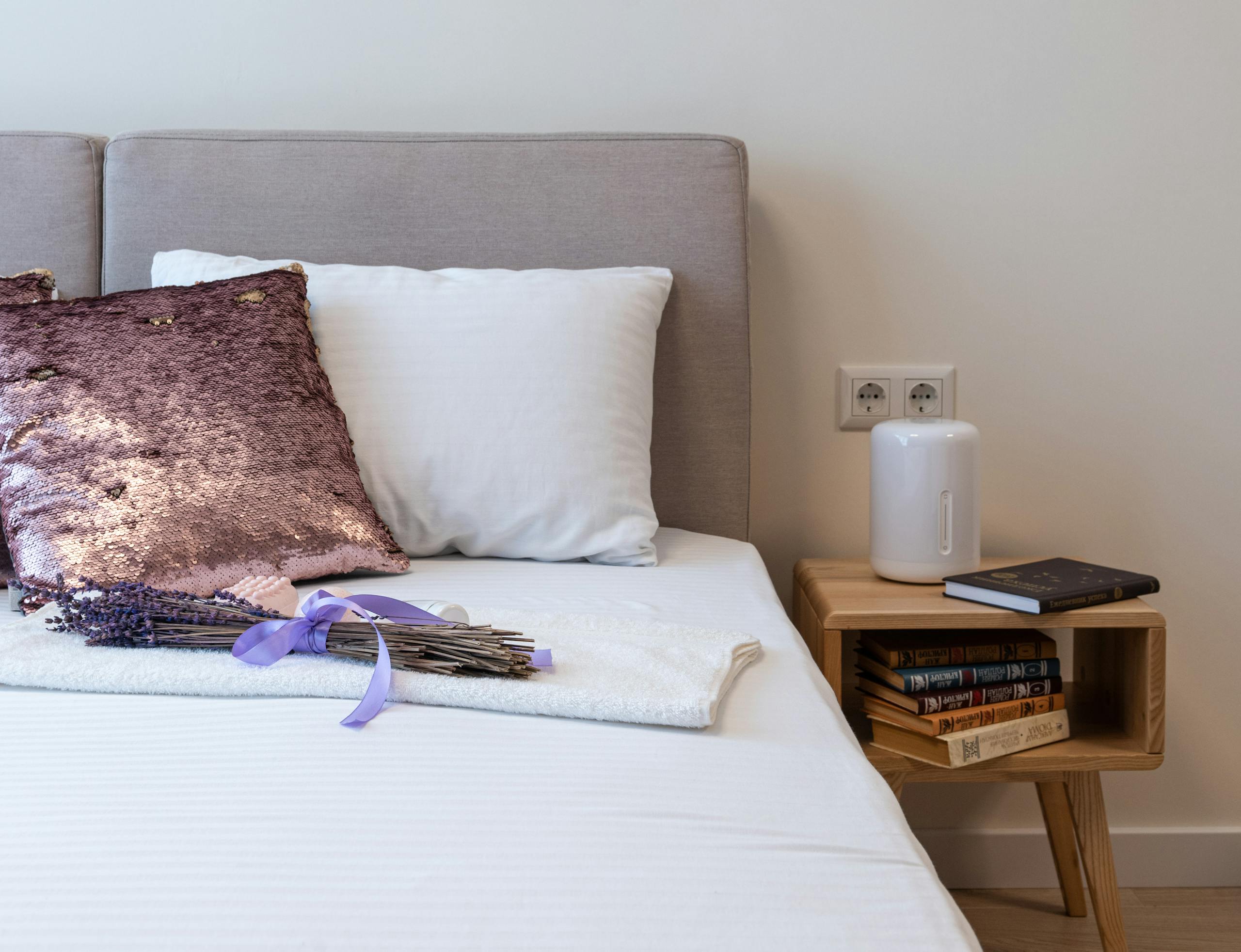
The same logic applies to every element of your space. Your lighting affects your energy. Your noise environment affects your concentration. The objects around you either support your sense of calm or add to a subtle background hum of visual noise. Introverts and highly sensitive people tend to be more attuned to these variables than average, which means the payoff from getting them right is also higher than average.
Giving yourself permission to invest in your home environment isn’t selfishness. It’s recognizing that your home is doing real work for you, and it deserves the same thoughtfulness you’d give any other important tool.
What Does Being a Homebody Look Like Across Different Life Stages?
One thing that doesn’t get talked about enough is how the homebody experience changes over time. In your twenties, staying in feels like something you have to defend. Everyone around you seems to be going out constantly, and the social pressure to participate is intense. In your thirties and forties, the culture starts to catch up a little. People begin to appreciate a quiet evening in ways they didn’t before. By the time you’re in your fifties, being a homebody has somehow become respectable, even aspirational.
I went through all of those phases. In my twenties, I forced myself to go out more than I wanted to because I thought it was what ambitious people did. In my thirties, running agencies, I went out because my job required it. In my forties, I started carving out more deliberate home time and feeling less guilty about it. Now, I’m clear-eyed about what I need and unapologetic about building my life around it.
What I’ve noticed is that the homebodies who struggle most are the ones who spend their energy apologizing for their preference rather than working with it. The ones who thrive have found ways to make their home life genuinely rich, not just a place to wait out the world, but a space where real things happen. Reading, creating, thinking, connecting with the people they actually care about, pursuing interests with depth and attention. That richness doesn’t happen by accident.
Books are a big part of this for many homebodies, and for good reason. A good homebody book isn’t just entertainment. It’s a whole world you can inhabit on your own terms, at your own pace, without anyone else’s agenda intruding. The reading life and the homebody life fit together naturally, and there’s something worth celebrating about that rather than treating it as further evidence of social avoidance.
How Do Homebodies Maintain Genuine Wellbeing Without Slipping Into Isolation?
This is the real question, and I think it’s worth sitting with honestly. There’s a meaningful difference between solitude and isolation, between choosing your home because it genuinely nourishes you and retreating there because the world feels too hard to face. Both can look the same from the outside. They feel very different from the inside.
Healthy homebody living tends to involve a few things. Connection that’s chosen rather than avoided. Some degree of physical movement, even if it’s a walk around the block rather than a gym session. Creative or intellectual engagement that keeps your mind active. And some honest self-assessment about whether your preference for home is serving you or limiting you in ways you’d rather not admit.
Work published in PubMed Central on social connection and wellbeing makes clear that humans, including introverted ones, do need some degree of meaningful connection to thrive. The homebody path isn’t about eliminating that need. It’s about meeting it in ways that align with your temperament rather than drain it.

I’ve also found that the homebody life works best when it’s active rather than passive. Watching television for six hours isn’t the same as spending an afternoon on a project you care about. Both happen at home. Only one of them tends to leave you feeling good afterward. The distinction matters, and it’s worth being honest with yourself about which one you’re doing and why.
One practical thing that helps: being intentional about what you bring into your space. The objects, the books, the tools for whatever you’re working on, even the gifts you give yourself or receive from people who understand you. A good homebody gift guide isn’t about accumulating stuff. It’s about surrounding yourself with things that support the life you actually want to live at home. There’s a real difference between a home full of things that were purchased impulsively and a home where every object earns its place.
If you’re shopping for a fellow homebody, or making a list for yourself, the same principle applies. The best gifts for homebodies tend to be things that deepen the home experience rather than things that push against it. Quality over quantity, depth over novelty, function over decoration. That’s the homebody aesthetic in a nutshell.
What Happens When You Finally Stop Fighting Your Homebody Nature?
Something genuinely shifts when you stop treating your preference for home as a problem to overcome. I noticed it in myself around my mid-forties, after years of performing a version of leadership that required constant external visibility. I started being more deliberate about protecting my home time, not just taking it when nothing else was scheduled, but actually building it into my week as something that mattered.
My work got better. Not because I was working more hours, but because the hours I was working came from a more rested, more centered place. My thinking was clearer. My decisions were better. My relationships with the people I actually cared about improved because I wasn’t spreading myself thin across a hundred social obligations I resented.
There’s also something that happens to your sense of identity when you stop apologizing for who you are. You start making choices that actually reflect your values rather than choices that are designed to manage other people’s perceptions of you. That’s not a small thing. For a lot of introverts and homebodies, it’s the difference between a life that feels like yours and a life that feels like a performance.
The Frontiers in Psychology has explored how personality traits interact with wellbeing outcomes, and one consistent thread is that authenticity, living in alignment with your actual temperament rather than an idealized or socially approved version of it, tends to support better psychological outcomes. Being a homebody who has made peace with being a homebody is genuinely healthier than being a homebody who spends energy fighting it.
What that looks like practically varies by person. For me, it meant restructuring my schedule so that my best hours were protected for deep work at home rather than spent on commutes and meetings. It meant getting better at saying no to social invitations without elaborate justification. It meant investing in my home environment the same way I’d invest in any other tool I relied on heavily.
And it meant being honest with the people around me about what I actually needed, which turned out to be far less threatening to my relationships than I’d feared. Most people, when you explain yourself clearly and kindly, can accept who you are. The ones who can’t were probably not the right fit regardless.

Being a homebody, at its best, isn’t about withdrawal. It’s about knowing where you function at your best and building your life around that knowledge rather than against it. That’s not a limitation. It’s a form of self-knowledge that a lot of people spend their whole lives trying to develop.
If you want to go deeper on how introverts relate to their spaces, from sensory design to intentional living at home, the full Introvert Home Environment hub is worth spending time with.
About the Author
Keith Lacy is an introvert who’s learned to embrace his true self later in life. After 20 years in advertising and marketing leadership, including running agencies and managing Fortune 500 accounts, Keith now channels his experience into helping fellow introverts understand their strengths and build fulfilling careers. As an INTJ, he brings analytical depth and authentic perspective to every article, drawing from both professional expertise and personal growth.
Frequently Asked Questions
Is being a homebody the same as being an introvert?
They overlap significantly but aren’t identical. Introversion describes how you process stimulation and energy, with introverts tending to recharge through solitude. Being a homebody describes a genuine preference for your home environment as your primary space for living and restoring. Many introverts are homebodies, but some homebodies identify as ambiverts, and not every introvert prefers staying home to other forms of solitary activity like hiking or traveling alone. The two identities reinforce each other often, yet they remain distinct.
How do I know if my homebody tendencies are healthy or becoming isolation?
The clearest signal is how you feel about your home time rather than just how much of it you’re taking. Healthy homebody living tends to feel restorative, purposeful, and chosen. Isolation tends to feel avoidant, anxious, or numb. Ask yourself honestly: am I staying home because it genuinely nourishes me, or because going out feels too hard to face? Are my relationships staying warm even if contact is infrequent? Am I engaged with something meaningful during my home time? If the answers concern you, talking with a therapist who understands introversion can help clarify the distinction.
What are some practical ways to make my home better support my homebody lifestyle?
Start with the sensory basics: lighting, noise level, and physical comfort. Introverts and sensitive people are often more affected by these variables than they realize. From there, think about function: does your space support the things you actually want to do at home, whether that’s reading, creating, working, or simply resting well? Removing clutter, investing in quality over quantity, and creating distinct zones for different activities all tend to help. Small, deliberate changes compound over time into a home that genuinely feels like yours.
How do I handle social pressure to go out more without damaging my relationships?
Clarity and warmth go a long way. Most people respond better to an honest, kind explanation than to repeated vague excuses. Saying something like “I genuinely recharge better at home and I’m more present when I do connect” is more respectful than a string of last-minute cancellations. It also helps to suggest alternatives that work for you, hosting a small gathering at your place, meeting one-on-one rather than in groups, or connecting in lower-stimulation environments. People who care about you can adapt when you’re clear about what you need.
Can being a homebody coexist with a demanding professional life?
Absolutely, though it requires more intentionality than it does for people who naturally draw energy from external environments. The practical work involves protecting your home time as actively as you protect your professional commitments, being strategic about which professional obligations genuinely require your presence versus which ones you’re attending out of habit or guilt, and designing your work environment, whether at home or in an office, to minimize unnecessary sensory and social overhead. Many introverted professionals find that remote or hybrid work arrangements significantly improve both their performance and their quality of life precisely because they reduce the energy cost of the workday.