

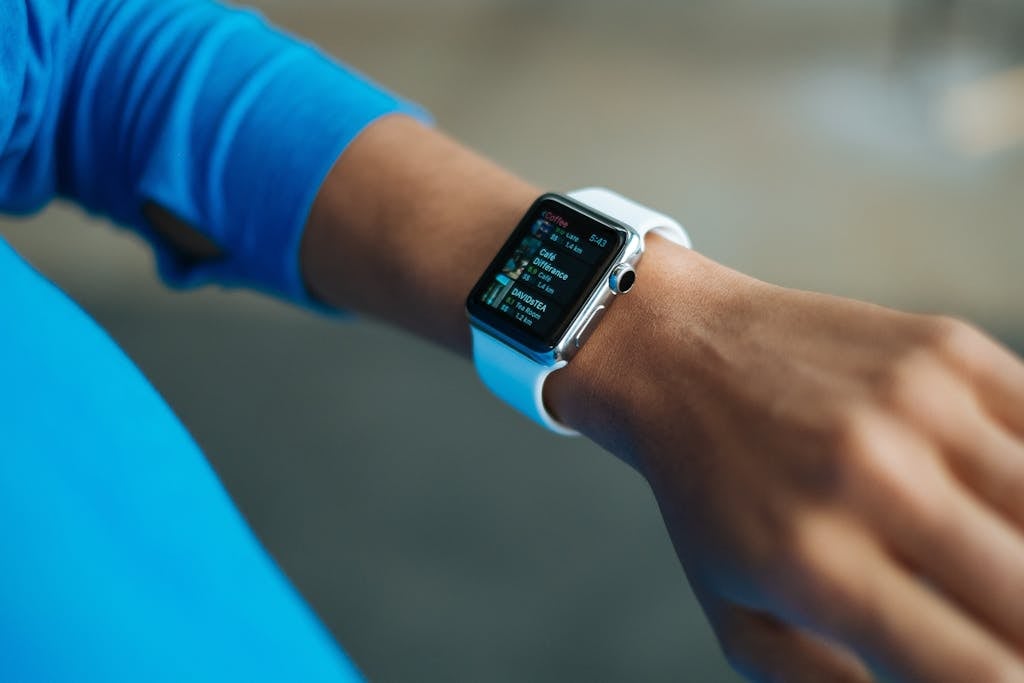
The notification buzzes on my wrist for the third time today. Another reminder that I haven’t hit my step goal. Another nudge telling me my body isn’t doing enough. I used to let these alerts dictate my entire day, sneaking in extra walks during lunch breaks that were supposed to be actual breaks, feeling genuine guilt when the little ring on my watch remained incomplete.
As someone who spent twenty years in high pressure advertising environments managing teams and Fortune 500 accounts, I thought I understood metrics. I believed in data. Numbers told stories, revealed patterns, drove decisions. So when fitness trackers became mainstream, I jumped in with both feet. What I discovered over the following years was that the same analytical mind that made me effective in business was turning my relationship with exercise into something deeply unhealthy.
If you’re reading this, chances are you’ve experienced something similar. Maybe you’ve felt that pang of anxiety when your tracker shows fewer steps than yesterday. Perhaps you’ve pushed through exhaustion because the app said you hadn’t burned enough calories. For introverts especially, who already process so much internally, the constant stream of fitness data can become overwhelming rather than empowering.
The Hidden Cost of Constant Measurement
What started as motivation gradually transformed into compulsion. I remember one particular evening, exhausted after back to back client presentations, when I found myself walking circles in my living room at 11 PM just to close those activity rings. The absurdity didn’t escape me, yet I couldn’t stop. The tracker had become my taskmaster, and I had willingly handed over control.
What’s your personality type?
Take our free 40-question assessment and get a detailed personality profile with dimension breakdowns, context analysis, and personalised insights.
Discover Your Type8-12 minutes · 40 questions · Free
This experience isn’t unique. Research published in the Journal of Medical Internet Research found that receiving deflated step count feedback from wearable devices led to declines in mental health, self esteem, and even increased resting heart rate and blood pressure. The study revealed something profound: how we interpret fitness data matters just as much as the data itself.
For those of us with introverted tendencies who already spend significant time in self reflection, fitness trackers can amplify our natural inclination toward internal analysis. We don’t just see a number; we interpret it, analyze it, and often criticize ourselves for falling short of arbitrary goals set by algorithms that know nothing about our actual lives.
When Data Becomes Distress
The line between helpful tracking and harmful obsession can be subtle. One day you’re simply curious about your daily movement patterns. The next, you’re rearranging your entire schedule to ensure you hit predetermined targets. I’ve been there. During particularly stressful work periods, my relationship with fitness data became inversely proportional to my actual wellbeing. The worse I felt, the more I relied on those numbers for validation.
Studies examining diet and fitness app usage have identified several concerning patterns that emerge when tracking becomes problematic: fixation on numbers, rigid adherence to targets, app dependency, and extreme negative emotions when goals aren’t met. What’s particularly striking is that these patterns appeared even among users who explicitly wanted to focus on health improvement rather than weight loss.
The quantified self movement promised empowerment through data. In many ways, it delivered. Yet for a subset of users, particularly those prone to perfectionism, anxiety, or obsessive tendencies, constant measurement creates a new kind of prison. The device that was supposed to free us from unhealthy habits becomes the source of unhealthy patterns itself.
Recognizing Unhealthy Patterns
Looking back, I can identify clear warning signs that my relationship with fitness tracking had crossed into problematic territory. Sharing these might help you recognize similar patterns in yourself before they become deeply entrenched.
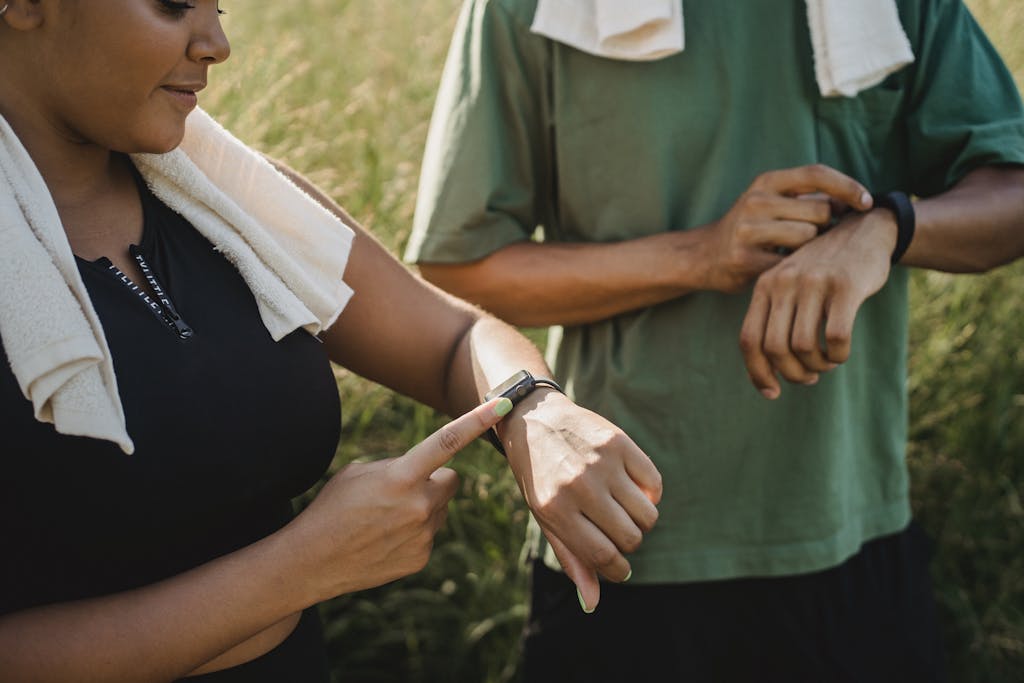
The first sign was checking constantly. I would glance at my watch dozens of times daily, not because I needed information, but because I felt compelled to verify where I stood against my goals. Each check brought either temporary relief or mounting anxiety. Neither response was healthy.
Then came the compensatory behaviors. Didn’t hit yesterday’s step target? Better add extra distance today. Ate something unplanned? Time for an extended workout. Research on compulsive exercise identifies this pattern as one of the hallmarks of problematic exercise behavior, where physical activity becomes punishment or compensation rather than self care.
Perhaps most telling was the loss of enjoyment. Exercise that once brought genuine pleasure became obligatory. The morning walks I used to love transformed into boxes to check. My runs shifted from meditative experiences to data collection missions. When movement stops being something you want to do and becomes something you have to do regardless of how your body feels, something has gone wrong.
Experts who specialize in anxiety and obsessive behaviors note that the more we attend to something, the more we train our brains to worry about it. This creates a feedback loop where checking our fitness data amplifies anxiety about fitness, which drives more checking, which generates more anxiety.
The Introvert’s Particular Vulnerability
During my years leading agency teams, I noticed something interesting about how different personality types responded to metrics and feedback. Extroverted colleagues often took data in stride, discussing it openly and moving on. Many of us with more introverted tendencies would internalize those same numbers, processing them deeply, sometimes obsessively.
This tendency toward deep internal processing, so valuable in strategic thinking and creative problem solving, can become problematic when applied to fitness data. We don’t just see that we walked 7,000 steps instead of 10,000. We construct narratives about what that means, often unflattering ones. We’re failing. We’re lazy. We’re not trying hard enough. Sound familiar?
For introverts who already face social pressures to be more outgoing and energetic, fitness tracking can become another arena for self criticism. The watch on your wrist joins the chorus of voices suggesting you should be doing more, pushing harder, performing better. True self care for introverts requires moving against this current, not with it.

Finding Your Way Back to Intuitive Movement
The turning point for me came during a particularly brutal work week. I was exhausted, burned out from months of high intensity projects, and my body was screaming for rest. Yet there was my tracker, insisting I still had 3,000 steps to go. For the first time, I deliberately left my watch in a drawer and went to bed.
That small act of rebellion opened something. I began experimenting with what researchers at Colorado State University call intuitive exercise: connecting with your body to determine what kind of movement it actually needs rather than following external prescriptions. It felt strange at first, like driving without GPS after years of dependence on navigation apps.
The core principle is beautifully simple. Instead of asking “What does my tracker say I should do?” you ask “How does my body feel today? What kind of movement would serve me right now?” Some days the answer might be an energetic run. Others might call for gentle stretching or simply a quiet walk. Still others might require complete rest, and that’s not failure. That’s wisdom.
This approach aligns with how introverts naturally recharge. We need time to tune inward, to listen to our bodies and minds without external interference. Constant data streams interrupt this essential process. Silencing those notifications, even temporarily, creates space for authentic self awareness to emerge.
Practical Steps Toward Balanced Tracking
I’m not suggesting you throw your fitness tracker in the ocean, though some days that sounds appealing. These devices can provide valuable insights when used thoughtfully. The goal is establishing a relationship with fitness data that serves you rather than controls you.
Start by examining your emotional response to tracking data. When you check your steps or calories, what feelings arise? If the answer is primarily anxiety, guilt, or compulsion, that’s important information. Healthy tracking should generate curiosity and useful insights, not emotional distress.
Consider implementing device free days or device free times. I now keep my fitness tracker off during weekends and after 7 PM on weekdays. This boundary was uncomfortable initially but gradually became liberating. My body didn’t forget how to move without digital supervision. If anything, movement became more enjoyable when it wasn’t being constantly evaluated.
Pay attention to how your body feels rather than what your device says. Mindfulness practices can help develop this internal awareness. Before checking your tracker, pause and assess: Do I feel energized or tired? Tight or loose? Stressed or calm? These internal signals provide more valuable guidance than any algorithm.
Question the goals themselves. Why is 10,000 steps the target? That number originated from a marketing campaign, not scientific research. Your optimal activity level depends on countless individual factors that no standard goal captures. Give yourself permission to create personalized targets that reflect your actual life and needs.

Redefining What Fitness Actually Means
Part of breaking free from tracking obsession involves reconsidering what fitness means to you personally. The wellness industry profits from making us feel inadequate, selling solutions to problems it helped create. Stepping back from this cycle requires conscious effort.
For years, I defined fitness success by external metrics: distance covered, calories burned, streaks maintained. These measures have their place, but they miss something essential. Scientific research on physical activity and mental health consistently shows that moderate, enjoyable movement provides tremendous benefits regardless of whether it meets arbitrary numerical targets.
What if fitness success looked like moving in ways that bring you genuine pleasure? What if it meant having enough energy to pursue activities you care about? What if it simply meant feeling comfortable and capable in your own body? These definitions don’t require constant measurement. They require paying attention to your lived experience.
I’ve found that effective self care for introverts often means resisting external pressure to optimize, quantify, and improve. Sometimes the most beneficial thing you can do is accept where you are right now. Your body is not a project to be perfected. It’s your home, deserving of kindness and respect regardless of what any device might say about it.
Building Sustainable Movement Habits
The irony of my tracking obsession was that it actually undermined long term fitness. When movement becomes punitive or obligatory, motivation eventually collapses. I’ve seen this pattern repeatedly, both in myself and in colleagues who burned hot and bright with fitness tracking before abandoning exercise entirely once the obsession became unsustainable.
Sustainable fitness habits grow from intrinsic motivation, from genuinely wanting to move because it feels good and serves your wellbeing. External motivators like tracker achievements can provide temporary boosts, but they’re insufficient foundation for lifelong active living.
Focus on what researchers call the process rather than the outcome. Instead of obsessing over step counts, notice how your body feels during movement. Pay attention to the satisfaction of muscles working, the rhythm of your breath, the way exercise clears mental fog. These immediate experiences, not distant numerical goals, create lasting motivation.
Present moment awareness transforms exercise from obligation to opportunity. Each walk becomes a chance for moving meditation. Each workout becomes time carved out for yourself in an overly demanding world. This shift in perspective makes physical activity something you look forward to rather than something you dread completing.

Your Body Already Knows
Here’s what I wish I had understood years ago: your body possesses remarkable wisdom that predates any fitness tracker by millions of years of evolution. Before step counters existed, humans moved in response to need, desire, and physical sensation. That innate guidance system still functions perfectly. We’ve simply learned to override it with external data.
Reclaiming this internal compass takes practice, especially if you’ve spent years outsourcing physical awareness to devices. Start small. Before your next workout, pause and genuinely ask yourself what your body wants. Not what you think you should do, not what your tracker recommends, but what would actually feel good right now.
The answer might surprise you. Some days my body craves intensity, the satisfaction of pushing toward something challenging. Other days it asks for gentleness, slow stretching, or simple rest. Learning to hear these signals and honor them without guilt has been transformative. I move more now than I did during my tracking obsession, and I enjoy it infinitely more.
Technology should serve our wellbeing, not determine it. Fitness trackers can be useful tools when kept in proper perspective. They cannot tell you whether you’re healthy or worthy. They cannot measure what matters most: your energy, your mood, your relationship with your own body. Those things require attention that no device can provide.
Moving Forward With Intention
If anything in this piece resonated with you, I encourage you to experiment. Try one tracker free day this week. Notice what feelings arise. Pay attention to whether you move differently when not being measured. These small experiments provide valuable data of a different kind, the kind that actually matters for sustainable wellbeing.
Remember that fitness is not a competition, not even with yourself. The point isn’t to accumulate ever increasing numbers or maintain perfect streaks. The point is to move through life in a body that feels cared for and capable. That goal is entirely achievable without obsessive tracking, and for many of us, it’s only achievable without it.
Your worth isn’t determined by your step count. Your health isn’t reducible to calories burned. You are a complex human being with needs that fluctuate daily, and the most sophisticated approach to fitness is one that honors this complexity rather than trying to reduce it to simple metrics.
The watch can come off. The notifications can be silenced. And in that silence, you might just rediscover what movement was always meant to be: a celebration of having a body, not a punishment for not perfecting it.
Frequently Asked Questions
How do I know if my fitness tracking has become unhealthy?
Key warning signs include checking your device compulsively throughout the day, feeling genuine anxiety or guilt when you don’t meet goals, exercising despite illness or injury to maintain streaks, and losing enjoyment in physical activity that you previously found pleasurable. If tracking data dominates your thoughts about exercise or triggers strong negative emotions, it may be time to reassess your relationship with your device.
Should I get rid of my fitness tracker entirely?
Not necessarily. Many people maintain healthy relationships with fitness trackers by establishing clear boundaries. Consider limiting when and how often you check data, turning off non essential notifications, taking regular breaks from wearing the device, and focusing on long term trends rather than daily numbers. The goal is ensuring the tracker serves you rather than the other way around.
What is intuitive exercise and how do I practice it?
Intuitive exercise means connecting with your body’s signals to determine what kind of movement you need rather than following external prescriptions. To practice it, start each day with a brief body scan, noticing how you feel physically and emotionally. Ask yourself what type of movement would serve you best today, then honor that answer without judgment, even if the answer is rest.
Why might introverts be particularly susceptible to fitness tracking obsession?
Introverts tend to process information deeply and engage in extensive self reflection. When applied to fitness data, this natural tendency can transform simple metrics into elaborate self critical narratives. Additionally, introverts may already feel pressure to meet extroverted social expectations, and fitness trackers can become another source of feeling inadequate or not doing enough.
How can I maintain fitness goals without obsessing over data?
Focus on process oriented goals rather than outcome oriented ones. Instead of targeting specific step counts or calorie burns, aim to move in ways that feel enjoyable most days. Pay attention to how exercise affects your mood, energy, and sleep. Celebrate consistency over intensity, and remember that the best fitness routine is one you can sustain long term without damaging your mental health.
Explore more self care and recharging resources in our complete Solitude, Self-Care and Recharging Hub.
About the Author
Keith Lacy is an introvert who’s learned to embrace his true self later in life. With a background in marketing and a successful career in media and advertising, Keith has worked with some of the world’s biggest brands. As a senior leader in the industry, he has built a wealth of knowledge in marketing strategy. Now, he’s on a mission to educate both introverts and extroverts about the power of introversion and how understanding this personality trait can unlock new levels of productivity, self-awareness, and success.