
Full moon meditation is a mindfulness practice that uses the heightened energy and symbolic power of the full moon as a natural anchor for reflection, emotional release, and intentional stillness. For introverts and highly sensitive people, it offers something particularly valuable: a structured reason to slow down, go inward, and process the emotional weight that accumulates over weeks of handling an overstimulating world.
There’s something about the full moon that has always felt significant to me, even before I had language for it. Working in advertising for two decades, I was surrounded by noise, deadlines, and the relentless pressure to perform. I didn’t always have space to process what I was carrying. But on nights when the moon was full and the office was finally quiet, I’d find myself sitting at my window, thinking more clearly than I had all week. That wasn’t coincidence. It was my introverted mind finally getting the stillness it needed.

If you’re drawn to practices that support emotional depth and mental clarity, full moon meditation fits naturally into the broader landscape of introvert mental health. Our Introvert Mental Health Hub covers the full range of tools, strategies, and frameworks that help introverts and highly sensitive people thrive. Full moon meditation adds a rhythmic, cyclical layer to that work, one that aligns beautifully with how many of us already process emotion and meaning.
Why Does the Full Moon Feel So Significant to Introverts?
Not everyone notices the full moon. Some people move through the lunar cycle without a second thought. But a surprising number of introverts and highly sensitive people find themselves more emotionally activated, more reflective, and sometimes more unsettled during the full moon phase. There’s a reason for that.
What drains your social battery?
Not all social exhaustion is the same. Our free quiz identifies your specific drain pattern and gives you personalised recharging strategies.
Find Your Drain PatternUnder 2 minutes · 8 questions · Free
Introverts tend to process experience deeply. Where others might skim the surface of a difficult week and move on, many of us are still turning it over, examining it from different angles, looking for meaning. That depth of processing is a genuine strength, but it also means emotional accumulation happens faster. By the time a full moon arrives, roughly two weeks after the new moon, there’s often a lot to release.
Highly sensitive people in particular may find the full moon period more intense. If you’ve ever explored the overlap between introversion and sensory sensitivity, you’ll know that HSP overwhelm and sensory overload can build gradually, often without a clear trigger. The full moon, with its brighter nights and cultural associations with heightened emotion, can act as a kind of amplifier for those who are already attuned to subtle shifts in their environment.
I’m not making a mystical claim here. What I’m pointing to is simpler: the lunar cycle gives us a natural, recurring prompt to pause. And for introverts who often push through without stopping to check in with themselves, that prompt has real psychological value.
What Actually Happens During Full Moon Meditation?
Full moon meditation isn’t a single technique. It’s more of a framework that combines standard mindfulness practices with intentional timing and symbolic meaning. The core elements typically include breath awareness, body scanning, visualization, and reflective intention-setting, all oriented around the themes the full moon represents: completion, illumination, and release.
What makes it distinct from a generic meditation session is the deliberate use of the lunar moment as a container. You’re not just meditating on a random Tuesday evening. You’re choosing to sit with whatever the past two weeks have brought, to look at it clearly, and to consciously decide what to carry forward and what to let go.
For introverts, that structure is genuinely helpful. We tend to do better with clear frameworks than open-ended prompts. When I was running my agency and we’d bring in a consultant to facilitate a team reflection session, the INFPs and INFJs on my creative team would often freeze at “just share whatever comes up.” But give them a specific lens, a particular question or theme, and they’d produce insights that changed the direction of a project. Full moon meditation works the same way. The lunar frame gives your reflective mind something to orient around.

A basic full moon meditation might look like this: you find a quiet space, ideally where you can see or sense the moonlight, you settle into a comfortable seated position, and you spend five to ten minutes simply breathing and allowing your body to release the physical tension it’s been holding. From there, you might move into a body scan, noticing where tightness lives. Then comes the reflective portion, where you mentally review the past two weeks with curiosity rather than judgment. What came up? What felt heavy? What surprised you? What are you genuinely ready to set down?
The session closes with a quiet intention, not a goal or a to-do list, but a single quality or direction you want to carry into the next lunar cycle. That might be patience, or clarity, or the willingness to ask for help. Something small and honest.
How Does Full Moon Meditation Support Emotional Processing?
One of the most consistent things I’ve noticed in my own practice is that full moon meditation creates a dedicated space for emotional processing that ordinary life rarely provides. And for introverts, that space isn’t optional. It’s necessary.
We absorb more than we often realize. Walking into a room where tension is running high, sitting through a meeting where someone is performing confidence they don’t actually feel, receiving feedback that was delivered carelessly even if it was technically accurate. These things register. They don’t just pass through. And if we don’t create deliberate space to process them, they accumulate in ways that eventually affect our focus, our relationships, and our sense of self.
The psychological literature on mindfulness and emotional regulation points to something relevant here. A body of research published through PubMed Central has examined how mindfulness-based practices support emotional regulation by increasing awareness of internal states without triggering reactive responses. For introverts who already tend toward internal processing, adding a structured mindfulness practice to that process can make the difference between rumination and genuine resolution.
There’s also the question of depth. Introverts and highly sensitive people don’t process emotion quickly. We need time. We need quiet. We need to feel safe enough to actually look at what we’re carrying. Full moon meditation, when practiced consistently, creates a reliable container for that kind of deep emotional work. It signals to your nervous system that this is a safe moment to feel what you’ve been holding at arm’s length.
If you’ve ever found yourself unexpectedly emotional during a meditation session, that’s not a sign something went wrong. That’s the practice working. The stillness finally gave your emotional mind permission to surface what it had been quietly managing. For a deeper look at how this kind of emotional depth operates in sensitive people, the piece on HSP emotional processing and feeling deeply captures something important about why this matters so much for those of us wired this way.
Can Full Moon Meditation Help With Anxiety?
Anxiety and introversion often travel together, not because introverts are inherently more anxious, but because the world tends to be structured in ways that create friction for us. Constant social demands, open-plan offices, the expectation of immediate responses, the pressure to be “on” at all times. These conditions generate chronic low-grade stress that, over time, can tip into genuine anxiety.
The National Institute of Mental Health describes generalized anxiety as persistent, excessive worry that’s difficult to control and that interferes with daily functioning. Many introverts I’ve spoken with describe something that sits just below that clinical threshold, a constant background hum of worry and vigilance that never quite switches off.
Full moon meditation won’t cure anxiety. That’s worth saying plainly. But as a regular practice, it offers something that anxiety tends to erode: a felt sense of safety in stillness. Anxiety pulls us forward into imagined futures. Meditation, and full moon meditation in particular, anchors us in the present moment and in the body. Over time, that anchoring builds a kind of neurological familiarity with calm. Your nervous system starts to recognize stillness as safe rather than threatening.
For highly sensitive people, anxiety often has a specific texture. It’s tied to the fear of being misunderstood, of getting things wrong, of disappointing others. That’s where the perfectionism piece comes in. If you recognize yourself in that description, the work on HSP perfectionism and breaking the high standards trap is worth sitting with alongside a regular meditation practice. The two address different layers of the same underlying pattern.
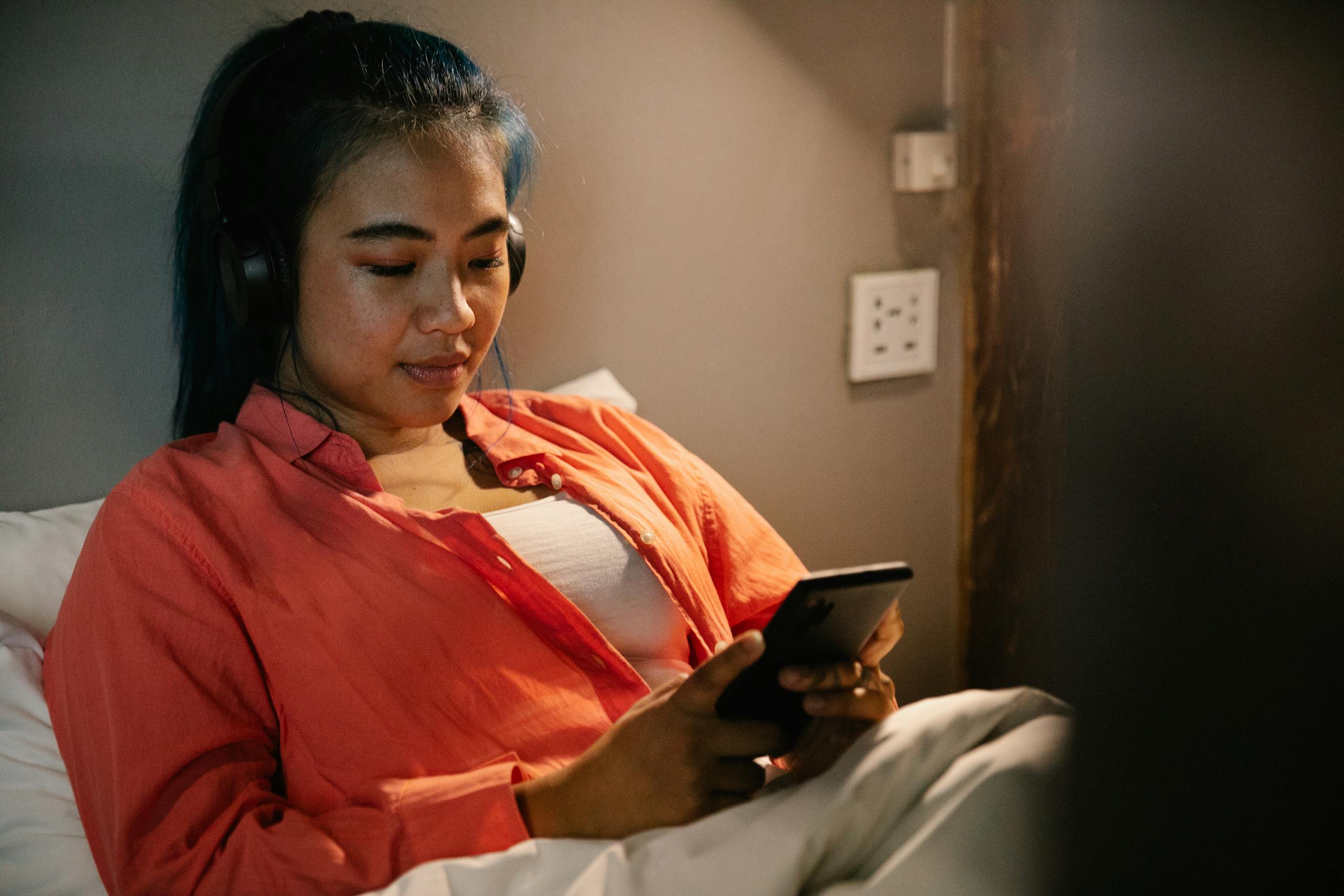
I’ll share something personal here. In the later years of running my agency, anxiety had become a kind of constant companion. I was managing a team of thirty people, fielding calls from Fortune 500 clients who expected immediate answers, and privately questioning whether the leadership style I’d adopted, high-energy, always available, always decisive, was actually sustainable for someone wired the way I am. Spoiler: it wasn’t. What helped me begin to shift wasn’t a dramatic overhaul. It was small, consistent practices of stillness. Full moon meditation became one of them. Not because it solved anything, but because it gave me a monthly anchor point to check in honestly with myself.
How Does the Empathy Load Factor Into This Practice?
Many introverts carry more than their own emotional weight. Particularly those with high empathy, they absorb the emotional states of people around them without always realizing it. A tense client call doesn’t just create stress in the moment. It leaves a residue. A team member going through something difficult at home doesn’t just affect their own productivity. It registers in the empathic people around them.
This is something I observed repeatedly in my agency years. The most empathic people on my team were often the most depleted by Friday afternoon, not because they’d worked harder than anyone else in a measurable sense, but because they’d been carrying everyone else’s emotional states all week. The gift of deep empathy comes with a real cost, and without deliberate practices of release, that cost compounds.
Full moon meditation can serve as a structured empathy release. Part of the reflective portion of the practice involves distinguishing between what’s yours and what you’ve absorbed from others. That’s harder than it sounds. When you’ve been carrying someone else’s anxiety or grief or frustration for two weeks, it starts to feel like your own. The quiet of meditation, combined with the intentional framing of the full moon as a release point, creates conditions where that distinction becomes possible again.
The piece on HSP empathy as a double-edged sword goes into this tension in real depth. What strikes me most about that framing is how accurately it captures the experience of being someone who feels others deeply: the same quality that makes you exceptional at understanding people is the one that leaves you most vulnerable to emotional exhaustion. A regular release practice isn’t a luxury for people wired this way. It’s maintenance.
What Does a Full Moon Meditation Practice Actually Look Like Over Time?
One of the things I appreciate most about full moon meditation as a practice is its built-in rhythm. You don’t have to decide when to do it. The moon decides. Every twenty-nine and a half days, you have a natural check-in point. That regularity matters more than most people realize when they’re starting out.
Consistency in any mindfulness practice is what generates the real benefits. A single meditation session can create a pleasant moment of calm. Twelve full moon meditations across a year create a genuine shift in how you relate to your own emotional landscape. You start to notice patterns. You see which themes keep returning. You develop a clearer sense of what genuinely needs attention versus what your anxious mind is amplifying.
The American Psychological Association’s work on resilience emphasizes that psychological resilience isn’t a fixed trait some people have and others don’t. It’s built through consistent practices that strengthen your capacity to adapt and recover. Full moon meditation contributes to that capacity by creating regular opportunities to process, release, and reset rather than letting emotional weight accumulate indefinitely.
In practical terms, a sustainable full moon practice might look like this: you mark the full moon dates in your calendar at the start of each year. On the evening of each full moon, or within a day either side if the exact date is inconvenient, you set aside thirty to forty-five minutes. You create a simple ritual around it, perhaps lighting a candle, making tea, putting your phone in another room. You sit, breathe, reflect, and close with an intention. That’s it. No special equipment, no particular belief system required. Just deliberate stillness at a natural turning point in the month.

How Does Full Moon Meditation Handle Rejection and Difficult Emotions?
One of the more specific emotional challenges that full moon meditation can help address is the processing of rejection and interpersonal hurt. Introverts and highly sensitive people tend to feel rejection acutely. A critical comment in a meeting, a friendship that seems to be cooling, a pitch that didn’t land, these things don’t just sting in the moment. They can replay for days.
That replaying isn’t weakness. It’s the same deep processing capacity that makes introverts excellent at understanding complex situations and anticipating problems. But without a structured outlet, it can tip into rumination, the kind of circular thinking that generates more distress without producing any new insight.
Full moon meditation creates a specific container for processing that kind of interpersonal pain. The reflective portion of the practice invites you to look at what happened with some distance, not to minimize it, but to examine it clearly enough to understand what it’s actually asking of you. Sometimes that’s a practical response. Sometimes it’s simply the acknowledgment that something hurt, and that’s enough to let it begin to move.
The work on HSP rejection, processing, and healing offers a framework for understanding why rejection hits so hard for sensitive people and what genuine healing actually involves. Pairing that kind of reflective reading with a regular meditation practice creates a powerful combination, one that addresses both the intellectual understanding of why you feel what you feel and the embodied experience of actually processing it.
I’ve sat with some significant professional rejections during full moon meditations over the years. A major client we lost after three years of strong work. A partnership that dissolved in a way that felt personal even when it wasn’t entirely. What I found, consistently, was that the structured stillness of the practice allowed me to move through those experiences faster than I would have otherwise. Not because the meditation made them hurt less, but because it gave me a place to actually feel them rather than suppress them until they surfaced sideways.
What’s the Connection Between Full Moon Meditation and HSP Anxiety?
Anxiety in highly sensitive people often has a particular quality. It’s not just worry about specific outcomes. It’s a kind of heightened vigilance, a nervous system that’s constantly scanning for threat and finding it in places others don’t notice. A shift in someone’s tone, a slightly terse email, a meeting that was scheduled and then moved without explanation. These signals register as potentially significant, and the sensitive mind starts working to understand why.
That vigilance is exhausting. And it’s cumulative. By the time a full moon arrives, many sensitive people are carrying two weeks’ worth of micro-activations that their nervous system has been quietly managing. The HSP anxiety piece on understanding and coping strategies captures this accumulation effect well, and it’s one of the reasons I think full moon meditation is particularly well-suited to sensitive people specifically.
The practice offers a chance to discharge that accumulated activation in a safe, structured way. Breath work, in particular, has a direct effect on the autonomic nervous system. Research available through PubMed Central has examined how slow, deliberate breathing activates the parasympathetic nervous system, shifting the body out of the threat-response state and into a more regulated baseline. For someone whose nervous system runs hot, that physiological shift is meaningful.
Combining breath work with reflective intention during the full moon creates a practice that addresses anxiety on multiple levels: the physiological, through breath regulation, the emotional, through structured processing and release, and the cognitive, through the intentional reframing of what you’re carrying and what you’re choosing to set down.
How Do You Build a Full Moon Meditation Practice That Actually Sticks?
Consistency is where most meditation practices fall apart. Not because people don’t value them, but because life fills in around them and suddenly three months have passed since you last sat down to practice. Full moon meditation has a structural advantage here: the moon keeps showing up whether you’re ready or not. That external anchor is genuinely useful.
Even so, building a practice that sticks requires some intentional design. A few things I’ve found helpful over the years:
Create a physical space that signals “this is different.” It doesn’t need to be elaborate. A particular chair, a specific candle, a cushion you only use for meditation. The ritual elements aren’t superstition. They’re cues that help your nervous system shift gears. When you sit in that chair and light that candle, your mind begins to settle before you’ve even closed your eyes.
Keep a simple record. After each full moon meditation, write three sentences: what you processed, what you released, and what intention you’re carrying forward. Over the course of a year, those twelve entries become a genuinely revealing map of your inner life. Patterns emerge that you wouldn’t have noticed otherwise. Themes that keep returning. Growth that’s easy to miss when you’re living it but becomes visible when you look back across months.
Don’t wait for perfect conditions. Some of my most valuable full moon meditations have happened in hotel rooms during business trips, with street noise outside and a single lamp for ambiance. The moon doesn’t care about your circumstances. And neither, in the end, does your mind. What matters is that you showed up and got quiet, even briefly.
There’s also something worth saying about the relationship between this kind of practice and the broader challenge of sensory overload. If you’re someone who finds the world consistently too loud, too bright, too much, a regular full moon practice can become a reliable counterweight. The piece on managing HSP overwhelm and sensory overload addresses the day-to-day strategies for handling that kind of accumulation. Full moon meditation complements those strategies by providing a deeper, more intensive reset point once a month.
What Does the Science Say About Meditation and the Brain?
Full moon meditation draws on the same neurological mechanisms as any mindfulness practice, and there’s a meaningful body of evidence supporting those mechanisms. The specific lunar timing is a framework and a symbolic anchor rather than a scientifically studied variable in its own right. That’s worth being honest about.
What is well-supported is the broader value of regular mindfulness practice for emotional regulation, stress reduction, and cognitive flexibility. A clinical overview available through the National Library of Medicine outlines the evidence base for mindfulness-based interventions across a range of mental health applications. The mechanisms involved, including increased activity in the prefrontal cortex and reduced reactivity in the amygdala, are relevant regardless of when you choose to practice.
What full moon meditation adds to standard mindfulness practice is structure, rhythm, and meaning. And meaning matters. Academic work in psychology has explored how symbolic frameworks and ritual practices support psychological wellbeing by providing coherence and a sense of agency. When you align a reflective practice with a natural cycle, you’re not engaging in magical thinking. You’re using a reliable external structure to support an internal process.
For introverts, who tend to be drawn to systems and frameworks that make sense of experience, that kind of structured meaning can be the difference between a practice that sticks and one that fades after a few weeks.
Psychology Today has written thoughtfully about introvert inner life and the ways introverts relate to solitude and reflection. Their introvert-focused writing captures something true about how we relate to the world: we don’t avoid depth, we seek it. A practice like full moon meditation fits that orientation naturally.
If you’re looking to build a fuller picture of the mental health tools and frameworks that support introverts and sensitive people, the Introvert Mental Health Hub brings together the most relevant resources in one place. Full moon meditation is one thread in a larger tapestry of practices worth exploring.
Running on empty?
Five drain profiles, each with specific triggers, warning signs, and a recharging playbook.
Take the Free QuizUnder 2 minutes · 8 questions · Free
About the Author
Keith Lacy is an introvert who’s learned to embrace his true self later in life. After 20 years in advertising and marketing leadership, including running agencies and managing Fortune 500 accounts, Keith now channels his experience into helping fellow introverts understand their strengths and build fulfilling careers. As an INTJ, he brings analytical depth and authentic perspective to every article, drawing from both professional expertise and personal growth.
Frequently Asked Questions
Do you need to believe in astrology for full moon meditation to work?
No. Full moon meditation works as a mindfulness practice regardless of any belief in astrology or lunar influence. The moon functions as a timing anchor and symbolic framework that supports regular, intentional reflection. The psychological benefits come from the practice itself, including breath work, body awareness, and structured emotional processing, not from any mystical property of the moon. Many people who are skeptical of astrology find full moon meditation genuinely valuable precisely because it gives them a reliable, recurring structure for inner work.
How long should a full moon meditation session be?
A meaningful full moon meditation can be as short as twenty minutes or as long as an hour, depending on your experience level and available time. For beginners, thirty minutes is a practical starting point: ten minutes of breath work and body settling, ten minutes of reflective review of the past two weeks, and ten minutes of intention-setting and closing. As the practice becomes more familiar, you may naturally want more time in the reflective portion. There’s no minimum that makes it “count.” Consistency across months matters far more than the length of any single session.
Can full moon meditation help with sleep on nights when the moon is bright?
Many people, particularly those who are light-sensitive or highly attuned to environmental changes, report disrupted sleep during the full moon period. Practicing full moon meditation in the early evening rather than immediately before bed can help by creating a deliberate window for processing and release before your body begins its wind-down. The breath work component in particular activates the parasympathetic nervous system, which supports the physiological shift toward sleep. If bright moonlight itself is the issue, blackout curtains or a sleep mask address that practically while the meditation addresses the mental and emotional activation that might otherwise keep you awake.
Is full moon meditation suitable for people with clinical anxiety or depression?
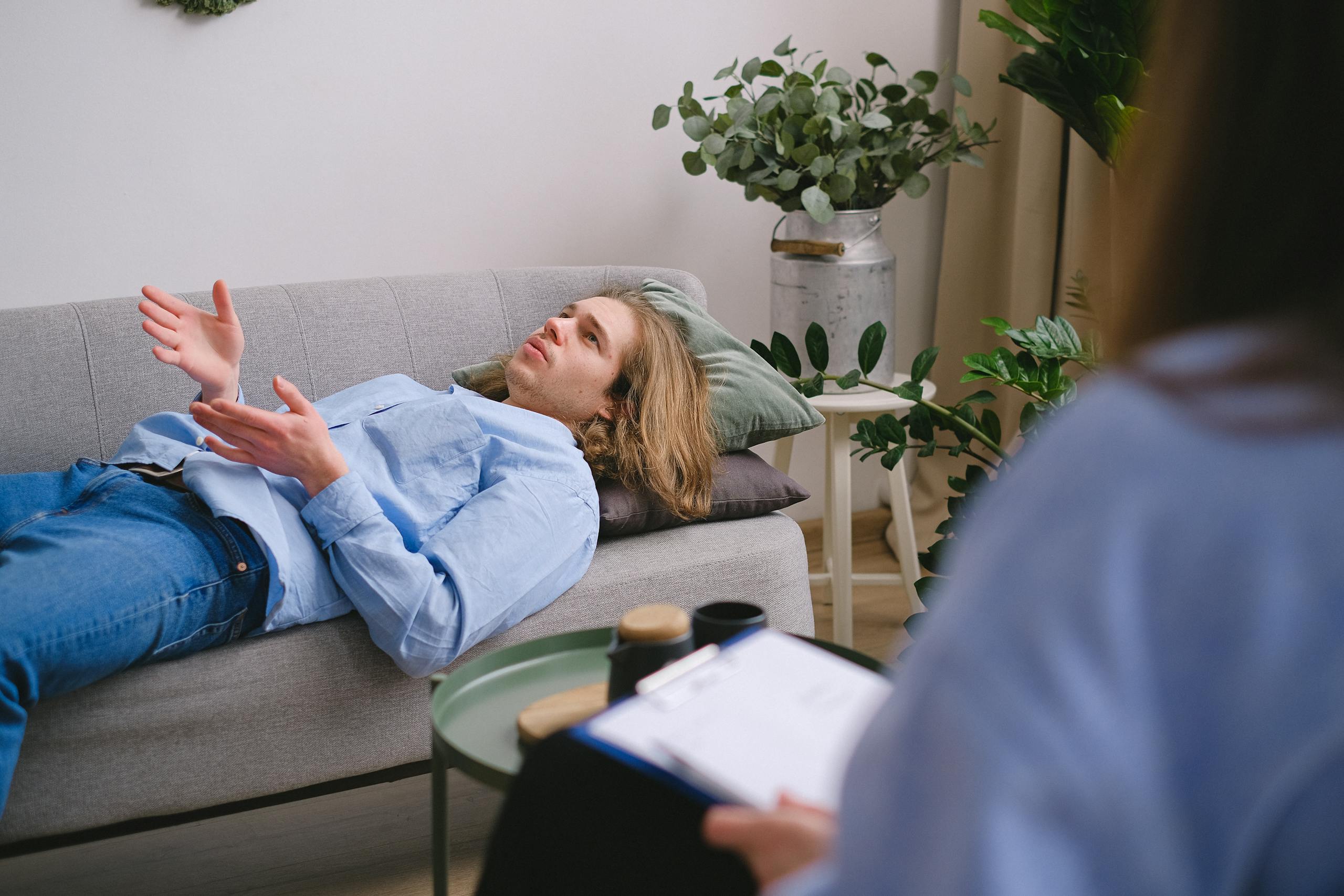
Full moon meditation can be a useful complementary practice for people managing anxiety or depression, but it’s not a substitute for professional mental health support. If you’re working with a therapist or psychiatrist, a regular mindfulness practice can support that work by building emotional regulation skills and creating space for processing between sessions. Some people find that meditation initially surfaces difficult emotions, which can feel destabilizing if you’re not in a supported context. Starting with shorter sessions and working with a mental health professional alongside your practice is the wisest approach if you’re managing clinical-level challenges.
What if you miss a full moon and feel like you’ve broken the practice?
Missing a full moon is not a failure. The next one arrives in roughly twenty-nine and a half days, and you can simply pick up the practice then. One of the genuine advantages of a lunar-based rhythm is that it resets automatically. There’s no streak to protect, no accumulating guilt about missed days the way daily habits can generate. If you miss a month, you haven’t lost the practice. You’ve just paused it. The moon will be full again soon enough, and your capacity to sit with yourself and reflect will be exactly where you left it.