
Finding the right gift for someone shouldn’t feel like solving a personality puzzle, yet here we are. After watching countless well-meaning people give my team members “networking event tickets” or “karaoke packages” over the years, I’ve learned something crucial: the best gifts for introverts aren’t about pushing them out of their comfort zone. They’re about honoring the way they already prefer to spend their time and energy.
Gifts for introverts succeed when they enhance solitude rather than interrupt it, reduce sensory input instead of increasing it, and support depth over breadth in existing interests. Most gift guides miss this completely, recommending items that sound thoughtful but create energy drain rather than restoration.
During my two decades managing creative teams at agencies, I noticed a pattern. The gifts that got used were never the ones encouraging more social interaction. They were the noise-canceling headphones that showed up on desks Monday morning. The quality journals that appeared during afternoon breaks. The ambient sound machines that transformed shared office spaces into tolerable work environments. I watched a $40 white noise machine from a thoughtful colleague change how one of my best designers worked from home for the next decade, while expensive team-building retreat vouchers collected dust in desk drawers. In fact, investing in quality second monitors for developers and other focused work tools proved far more valuable than forced social activities for boosting both productivity and morale.

Gift-giving for introverts requires understanding a fundamental truth: what recharges you might drain them, and what seems “boring” to you might be their idea of a perfect evening. The gifts worth giving are the ones that support how they naturally operate, not how you think they should operate. Our Introvert Tools & Products hub covers dozens of specific recommendations, but understanding the underlying principles transforms you from someone who gives acceptable gifts into someone who gives gifts that matter.
What Do Introverts Really Want in Gifts?
The disconnect between what people think introverts want and what we value created more awkward thank-you moments than I can count. One year, a client gave my entire leadership team passes to a week-long conference known for its aggressive networking culture. Four of us were introverts. None of us went. Research from Social Psychology Quarterly indicates that gift-giving satisfaction increases when givers prioritize recipient preferences over their own assumptions about what should be appreciated.
What’s your personality type?
Take our free 40-question assessment and get a detailed personality profile with dimension breakdowns, context analysis, and personalised insights.
Discover Your Type8-12 minutes · 40 questions · Free
Gifts that enhance solitude rather than interrupt it:
- Quality workspace tools that create better environments for focused work without requiring interaction with others
- Comfort items supporting the physical restoration needed after social or stimulating activities
- Processing tools like journals, e-readers, or apps that facilitate internal reflection without external sharing pressure
- Environmental control items allowing customization of sensory input for optimal comfort and focus
What worked instead were gifts that respected three core principles. First, they enhanced solitude rather than interrupting it. A 2018 study published in the Journal of Research in Personality found that solitary activities predicted higher well-being for introverts compared to social activities. Gifts supporting quality alone time align with this research.
Second, they reduced rather than increased sensory input. The best gift I received during my agency years wasn’t expensive. It was a basic white noise machine from a colleague who noticed I wore headphones during every conference call. That $40 purchase changed how I worked from home for the next decade.
Third, they supported depth over breadth. Introverts prefer going deep on interests rather than skimming across multiple activities. Gifts facilitating deeper engagement with existing interests outperform those encouraging new, socially-oriented hobbies. A membership to a specialized online learning platform beats tickets to a group cooking class every time.
Which Workspace Gifts Actually Get Used?
The quality of an introvert’s workspace directly impacts their energy levels and productivity. After setting up home offices for dozens of remote team members, I learned that workspace gifts either transform someone’s work life or collect dust in a closet. The difference comes down to understanding which environmental factors drain versus restore energy.

Noise control items that transform focus:
- Noise-canceling headphones ($80-350) rank as the single most universally appreciated gift among introverts I’ve worked with
- White noise machines ($30-100) that mask distracting environmental sounds without requiring headphones
- Sound-absorbing panels ($40-150) for home offices in shared spaces or buildings with thin walls
- Desktop sound barriers ($25-75) creating acoustic privacy in open office environments
Noise-canceling headphones rank as the single most universally appreciated gift among the introverts I’ve worked with. Not because they love music more than others, but because controlling acoustic input changes everything about focus and energy management. Quality matters here. Budget options from reputable brands start around $80, while premium models reach $350. Research from Environmental Psychology confirms that controlling environmental noise reduces cognitive fatigue for individuals with high sensory processing sensitivity.
Lighting solutions that reduce eye strain and mental fatigue:
- Adjustable desk lamps with color temperature control replacing harsh overhead lighting
- Monitor light bars reducing screen glare without taking up desk space
- Salt lamps or warm ambient lighting creating calming evening environments for unwinding
- Smart bulbs allowing scene creation for different tasks and energy levels
Adjustable lighting deserves more attention than it receives. The overhead fluorescent situation in most offices creates constant low-level stress that accumulates throughout the day. A quality desk lamp with adjustable color temperature and brightness gives control back. I switched to this setup five years ago after noticing how drained I felt by 3 PM every day. The difference was immediate.
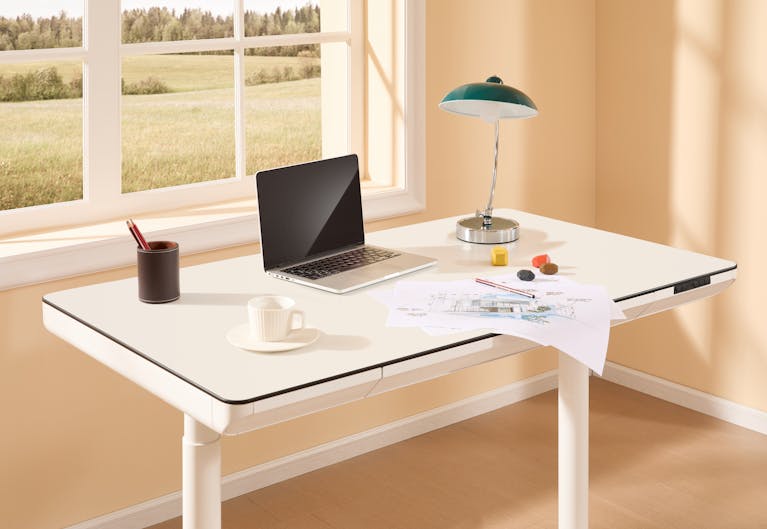
Standing desk converters or full adjustable desks support the need many introverts have to move while thinking without social interaction. Walking meetings work for some people. For others, the ability to shift positions while working alone achieves the same physical movement benefit without the energy drain of conversation. Our monitor setup guide explores how display configuration impacts focus and reduces visual fatigue.
What Tools Support How Introverts Process Information?
Introverts process internally, which means we need tools supporting that natural inclination rather than forcing external processing through conversation. The gifts that landed best with my team were always the ones enabling deeper thought rather than more social sharing.
Physical writing tools for internal processing:
- Quality journals ($25-75) with paper that handles different pen types and binding that lasts years of daily use
- Specialized pens ($15-50) designed for extended writing sessions without hand fatigue
- Fountain pens and ink sets ($30-200) for those who find writing ritual important to their thinking process
- Bullet journal supplies ($20-60) including dot-grid notebooks, fine-tip pens, and organizational accessories
Quality journals and pens matter more than you’d expect. Not because introverts are all aspiring writers, but because written reflection serves as a primary processing mechanism. The difference between a $3 notebook and a $25 journal is significant when you’re using it daily. Paper quality, binding durability, and page layout all impact whether the journal becomes a trusted tool or another abandoned New Year’s resolution.
Digital alternatives for structured thinking:
- Note-taking app subscriptions like Notion, Obsidian, or Roam Research for introverts who prefer searchable, connected systems
- Journaling apps with reflection prompts, mood tracking, and privacy features
- Mind mapping software supporting visual thinking and idea development
- Writing tools like Scrivener for those working on longer-form projects
Digital alternatives work for different personality types. Apps supporting structured reflection appeal to analytical introverts who prefer searchable, organized systems. Our journaling app comparison breaks down which platforms work best for different thinking styles.
E-readers deserve consideration despite seeming obvious. The value isn’t just having books. It’s having a library available anywhere without the physical bulk, adjustable text for reading in any light condition, and the ability to carry deep reading material everywhere. Research from the Journal of Personality and Social Psychology indicates that fiction reading increases empathy and social cognition, traits particularly valued by many introverts seeking to understand human behavior without draining social interaction.

Do Experience Gifts Work for Introverts?
The “experience gifts are always better” advice needs qualification for introverts. Yes, experiences create memories. But the wrong type of experience creates exhaustion followed by obligation. The challenge is identifying which experiences align with introvert recharging patterns.
Solo experiences that provide enrichment without social pressure:
- Museum memberships allowing repeat visits at personal pace without tour groups or time pressure
- Botanical garden annual passes providing access to peaceful environments for reflection and restoration
- Art studio time or pottery class sessions designed for independent work rather than group instruction
- Silent art gallery evenings or after-hours museum access when crowds are minimal
- Nature photography workshops focusing on solitary skill development rather than group activities
Solo experience gifts work beautifully. Museum memberships, botanical garden annual passes, art studio time, or pottery class sessions designed for independent work all provide enriching experiences without social pressure. One colleague loved the gift of a monthly silent art gallery evening more than any physical item he’d received in years.
Subscription services supporting ongoing solitary interests:
- Coffee subscriptions delivering specialty beans monthly for those who appreciate quality and ritual
- Book clubs with online discussion options allowing participation without in-person meeting pressure
- Streaming service gift cards providing months of entertainment without scheduling constraints
- Online course platforms offering self-paced learning in areas of deep interest
- Meditation or mindfulness app subscriptions supporting personal practice development
Subscription services supporting solitary interests hit the sweet spot. Coffee subscriptions, book clubs with online discussion options, streaming service gift cards, or online course platforms give ongoing value while respecting energy boundaries. I’ve found monthly deliveries of specialty coffee beans more consistently appreciated than single large gifts.
Nature-based experiences align with introvert recharging needs better than people-centered activities. State park annual passes, kayak rental vouchers, hiking gear, or camping equipment support the type of restorative outdoor time that doesn’t require performing social skills. Research from Environment and Behavior shows that natural environments restore directed attention capacity more effectively for individuals high in need for solitude.
Which Technology Gifts Respect Energy Boundaries?
Technology gifts for introverts should enhance control rather than increase connectivity demands. The distinction matters because not all tech serves the same purpose. Some devices demand attention. Others protect it.
Smart home devices for environmental control:
- Smart bulbs allowing scene creation for different tasks, energy levels, and times of day
- Smart thermostats reducing decision-making about comfort while optimizing energy use
- Smart plugs automating routine tasks like lamp schedules and device charging
- Air quality monitors and purifiers maintaining optimal breathing environments without constant attention
Smart home devices supporting environment control make excellent gifts when chosen carefully. Smart bulbs allowing scene creation for different tasks, smart thermostats reducing decision-making about comfort, or smart plugs automating routine tasks all reduce environmental friction. What matters is automation that removes decisions, not gadgets requiring constant interaction.
Productivity tools designed for focus rather than collaboration:
- Deep work timer apps supporting sustained concentration sessions without social accountability pressure
- Distraction-blocking software helping maintain focus during demanding mental tasks
- Task management systems emphasizing personal workflow over team updates and shared accountability
- Calendar management tools protecting time blocks and managing energy allocation throughout the day
Productivity tools designed for focus rather than collaboration tend to land better. Timer apps supporting deep work sessions, distraction-blocking software, or task management systems emphasizing personal workflow over team updates align with how introverts work. Our focus timer comparison reviews which approaches work best for sustained concentration.
Communication management tools might seem counterintuitive as gifts, but they address a real pain point. Scheduling apps reducing back-and-forth emails, email management systems, or professional voicemail transcription services all reduce the energy cost of necessary communication. One team member told me his gift of a premium scheduling tool saved him two hours of coordination email per week.

What Comfort Items Support Introvert Restoration?
Physical comfort directly impacts how quickly introverts recover energy after social interaction or stimulating environments. Gifts supporting restorative downtime demonstrate understanding of the recharging process most introverts need. According to Harvard Medical School, creating comfortable environments for intentional relaxation activates the parasympathetic nervous system, supporting faster recovery from stress.
Items that create physical grounding and comfort:
- Weighted blankets (10% of body weight) providing deep pressure stimulation that helps transition from overstimulated to calm
- High-quality throw blankets in soft textures that become go-to comfort items during rest periods
- Supportive cushions or lumbar pillows making favorite reading or reflection spots more comfortable for extended use
- Ergonomic footrests or leg supports reducing physical tension during long sitting periods
Weighted blankets became mainstream for good reason. The deep pressure stimulation provides a grounding effect that helps many introverts transition from overstimulated to calm. Quality matters significantly here. Budget options often fail after a few months, while well-constructed weighted blankets last years. Weight should be roughly 10% of body weight for optimal effect.
Beverages and preparation rituals that create transition moments:
- High-quality tea and coffee equipment supporting rituals that mark transitions between activities
- Specialty loose-leaf teas providing variety for different moods and times of day
- Coffee grinders and pour-over equipment enabling the meditative process many introverts use for mental preparation
- Insulated mugs or temperature-controlled cups maintaining optimal drinking temperature during long focus sessions
High-quality tea and coffee equipment serves a dual purpose. The ritual of preparation creates a natural transition between activities, while the result provides a moment of sensory pleasure requiring no social performance. I’ve watched colleagues develop elaborate pour-over coffee routines that became sacred personal time during workdays.
Sensory environment customization tools:
- Essential oil diffusers and quality oils allowing creation of specific sensory environments for different needs
- Quality candles in scents that promote relaxation without overwhelming sensitive systems
- Incense and holders for those who find certain scents aid in concentration or relaxation
- Sound machines with nature sounds, white noise, or binaural beats for focus and sleep optimization
Aromatherapy items might seem cliche until you understand their role in environment customization. Essential oil diffusers, quality candles, or incense allow introverts to create specific sensory environments supporting different needs. A colleague used peppermint for morning focus, lavender for evening wind-down, and cedarwood for weekend reading time. The consistency helped his brain associate scents with specific states.
Massage tools, from simple foam rollers to percussion massagers, support physical recovery from tension that builds during necessary social performance. Many introverts carry stress physically. Tools addressing this without requiring appointment scheduling or stranger interaction provide ongoing value.
How Do You Support Introvert Learning Preferences?
Introverts tend to prefer self-directed learning over group classes. Gifts supporting depth development in areas of existing interest demonstrate both thoughtfulness and understanding of learning preferences.
Self-paced online learning platforms:
- MasterClass subscriptions providing expert instruction without peer pressure or participation requirements
- Coursera or edX access to university-level courses in specialized subjects
- Skillshare or LinkedIn Learning for creative and professional skill development
- Language learning apps like Babbel or Rosetta Stone for private progression
- Coding bootcamp subscriptions for technical skill development without classroom dynamics
Online course platform subscriptions give access to thousands of expert-led courses without social pressure or fixed schedules. Platforms like MasterClass, Coursera, Skillshare, or LinkedIn Learning each serve different learning styles and subject interests. The flexibility to pause, replay, and absorb material at one’s own pace makes these platforms particularly suited to introvert learning preferences.
Specialized books and resources for deep interests:
- Technical manuals and reference books in areas of professional or personal expertise
- Academic texts and scholarly works providing thorough treatment of subjects they care about
- Historical deep dives and biographies of figures relevant to their interests
- Art books and visual references supporting creative development and appreciation
- Philosophy and psychology texts for those interested in understanding human nature and systems
Specialized books in areas of deep interest beat bestseller lists. Introverts appreciate when someone notices their real interests rather than giving popular titles everyone’s reading. Technical manuals, academic texts, historical deep dives, or niche topic explorations show you paid attention to what they care about.
Software or app subscriptions supporting skill development work especially well for technical introverts. Photo editing software, music production tools, writing applications, or coding platform subscriptions enable practicing skills without audience pressure. Many creative introverts prefer developing competence privately before sharing work.

What Should You Avoid When Shopping for Introverts?
Understanding what not to give matters as much as knowing what works. Several gift categories consistently miss the mark despite good intentions.
Group activities and social experiences to avoid:
- Concert tickets or music festival passes requiring crowds and high social energy
- Escape room vouchers forcing collaboration with strangers under time pressure
- Party planning services or event hosting supplies that create social obligations
- Group dining experiences or cooking classes requiring interaction with multiple unknown people
- Team sports or group fitness class packages combining physical performance with social dynamics
Group activity gifts almost never land well unless specifically requested. Concert tickets, escape room vouchers, party planning services, or group dining experiences all require the social energy most introverts carefully ration. Even when interests align, the energy cost often outweighs the enjoyment.
Items that draw unwanted attention:
- Bright or statement clothing designed to make the wearer stand out in social situations
- Loud accessories like jingling jewelry or items with sound effects
- Conversation starter items meant to encourage interactions with strangers
- Novelty items that require explanation or invite commentary from others
Loud or attention-seeking items create problems. Bright clothing, statement accessories, or anything designed to make someone stand out contradicts most introverts’ preference for blending in. We’re not all wearing black because we lack fashion sense. We’re reducing the decisions and attention clothing choices require.
Games and activities requiring large groups or high social interaction:
- Party games designed for 6+ people with emphasis on performance or revelation
- Team-building activities or corporate retreat packages
- Social icebreaker products meant to facilitate group conversations
- Multiplayer video games that require voice chat or real-time cooperation with strangers
Games requiring large groups or high social interaction need careful consideration. Party games, team-building activities, or social icebreaker products assume everyone finds those situations fun rather than exhausting. Strategy board games designed for two to four players work better than party games requiring six or more.
Gifts creating obligation drain energy before they’re even used. Requiring the recipient to coordinate schedules, gather groups, or perform socially transforms what should be a gift into a source of stress. The best gifts require no coordination with others to enjoy.
How Do You Personalize Gift Selection for Individual Introverts?
Generic “introvert gift guides” fail because they treat introversion as a single personality type rather than one trait among many. The engineering introvert and the artistic introvert need different gifts despite sharing the same basic temperament.
Pay attention to what they already spend time doing alone. Someone who reads constantly benefits from reading lights, book stands, or comfortable seating more than someone whose solitary time involves gaming or coding. The activity matters more than the introversion.
Notice what they complain about in their environment. Noise? Light? Temperature? Interruptions? Gifts solving problems they’ve mentioned carry more weight than items you think they should want. I learned this after giving a colleague the exact model of noise machine he’d mentioned wanting three times over six months. He used it daily for years.
Work situation considerations:
- Remote workers need different tools than office-based employees (ergonomic furniture, lighting, noise control)
- Open office workers benefit from portable privacy solutions and sensory management tools
- Creative professionals appreciate upgrades to existing tools rather than entirely new equipment
- Technical workers value efficiency improvements and automation that reduces decision fatigue
Consider their specific work situation and challenges. Remote workers need different tools than office-based employees. People in open offices benefit from portable privacy solutions. Understanding their daily reality makes gift selection more relevant, especially if they struggle with social obligations—our guide on communicating your need for space can help you choose gifts that support their boundaries. Our comprehensive gift list breaks down recommendations by specific situations and contexts.
Think about quality over quantity in their existing interests rather than breadth across new areas. Upgrading equipment they already use beats introducing them to new hobbies. An experienced photographer appreciates a quality lens more than a beginner photography course. Someone who journals daily values premium paper more than a meditation app.
What Budget Considerations Really Matter?
Price doesn’t determine whether a gift resonates with an introvert. Some of the most appreciated gifts I’ve given cost under $30. Others over $200 sat unused. The difference came down to how well the gift addressed an actual need versus a perceived one.
Small, thoughtful items that often outperform expensive purchases:
- Specialized pens ($15-30) for someone who journals daily showing more awareness than generic electronics
- Quality notebooks ($20-40) with paper that handles their preferred writing tools properly
- Desk accessories ($25-60) that solve specific organizational or comfort issues they’ve mentioned
- Consumable luxuries ($30-50) like specialty coffee, tea, or bath products they wouldn’t buy themselves
Small, thoughtful items often outperform expensive purchases. A $15 specialized pen for someone who journals daily demonstrates more awareness than a $150 electronic gadget they’ll never use. Our budget headphone review proves quality doesn’t always require premium pricing.
Subscription services providing ongoing value:
- Monthly coffee subscriptions ($10-25/month) delivering 12 months of morning pleasure
- Streaming or app subscriptions ($5-15/month) supporting ongoing interests without physical clutter
- Book subscriptions ($15-30/month) curated to individual reading preferences
- Online learning platforms ($20-50/month) providing access to expert instruction in areas of deep interest
Subscription services provide ongoing value that single purchases can’t match. A $10-20 monthly subscription delivers 12 months of usefulness versus one moment of unwrapping. Consider whether repeated small pleasures serve better than one larger item.
DIY or homemade gifts work when they’re useful rather than decorative obligations. A custom reading list based on someone’s interests beats generic home decor. Homemade food items respecting dietary preferences show care without creating social debt. What matters is utility over sentimentality.
Strategic gift card selections:
- Specific bookstore gift cards showing you know their reading preferences
- Coffee roaster gift cards for quality coffee enthusiasts
- Online learning platform credits supporting their educational interests
- Art supply store cards for creative introverts who know exactly what tools they need
Gift cards to specific stores or services demonstrate understanding without requiring you to pick the exact right item. An Amazon gift card feels generic. A gift card to their favorite bookstore, coffee roaster, or online learning platform shows you know what they value. It’s the difference between “here’s money” and “I know what you care about.”
Explore more introvert lifestyle resources in our complete Introvert Tools & Products Hub.
About the Author
Keith Lacy is an introvert who’s learned to embrace his true self later in life. With a background in marketing and a successful career in media and advertising, Keith has worked with some of the world’s biggest brands. As a senior leader in the industry, he has built a wealth of knowledge in marketing strategy and understands how giftedness and introversion intersect to shape professional capabilities. Now, he’s on a mission to educate both introverts and extroverts about the power of introversion and how understanding this personality trait can unlock new levels of productivity, self-awareness, and success.